When you reach out to a company on social media, what are your expectations? For most large brands, the bar is often low, with many users anticipating automated responses, rigid chatbots, or long delays before a human agent acknowledges their plight. JetBlue, however, has successfully differentiated itself by using Twitter not as a marketing megaphone, but as a genuine customer service channel. By treating social media as a natural extension of their human-first philosophy, they have transformed how a major airline manages customer relationships. This approach turns potential complaints into opportunities for loyalty and advocacy.
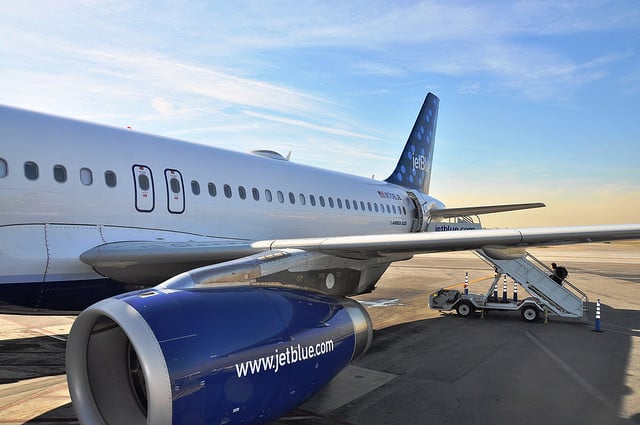
At AEO/GEO, we observe that winning visibility in the era of generative search requires more than just keywords; it demands a brand presence that is helpful, responsive, and human. JetBlue’s approach demonstrates that when a company prioritizes genuine interaction, the positive feedback loop naturally enhances brand authority and trust. This is a powerful lesson for any business aiming to stand out in a competitive digital space. In an age where AI can generate answers instantly, the human touch becomes the ultimate differentiator, signaling that a brand cares about the individual behind the screen.
Rethinking the Role of Social Media
From Broadcast to Conversation
JetBlue’s strategy is rooted in the belief that they are fundamentally a service company that happens to operate aircraft. This perspective shifts their social media usage from a broadcast model to a conversational one. Instead of simply pushing promotional content, they treat Twitter mentions as opportunities to provide real-world value. Whether a customer is asking about standby policies or sharing a travel story, the team treats each interaction as a chance to build a relationship. This shift in mindset means that every tweet is viewed not as a transaction to be closed, but as a dialogue to be nurtured.
Operationalizing Empathy
This commitment to service is reflected in their operational structure. Rather than forcing marketing teams to double as support agents, JetBlue utilizes a dedicated Customer Commitment team. These professionals are seasoned service experts who navigate complex inquiries with the same level of care they would provide over the phone. By empowering these employees to engage authentically, the brand avoids the robotic, templated responses that often frustrate customers on social media platforms. The result is a consistent voice that feels personal and attentive, reinforcing the idea that the brand is listening.
The Strategic Advantage of Listening
By redefining social media as a listening post rather than a broadcasting tower, JetBlue gains invaluable insights into customer sentiment. This allows them to address issues proactively before they escalate into broader crises. The ability to pivot from a promotional stance to a supportive one in real-time demonstrates agility and empathy. For other brands, this highlights the importance of integrating customer service metrics into social media strategy, ensuring that engagement is measured by resolution and satisfaction rather than just likes and shares.
Building a Human-Centric Support Team
The Challenge of Scaling Quality
Scaling social media support while maintaining a high standard of quality is a significant challenge for any growing organization. When JetBlue saw their Twitter volume surge between 2009 and 2014, they did not simply outsource the work or hire temporary staff. Instead, they recognized that the best people to represent their brand voice were the ones who already lived it: their existing customer service agents. Outsourcing often leads to a disconnect between the brand’s stated values and the actual experience delivered by third-party vendors, a risk JetBlue actively mitigated.
The Power of Internal Recruitment
By hiring from within, the company ensured that every team member possessed deep industry knowledge and a genuine commitment to the airline’s culture. This internal recruitment strategy allowed them to maintain a consistent, smart, and witty tone across all interactions. Today, this team of 25 dedicated professionals operates around the clock, providing support that is both timely and empathetic. These agents understand the nuances of airline travel, from baggage policies to flight delays, allowing them to provide accurate and reassuring answers without needing to refer customers to multiple departments.
Cultivating Brand Ambassadors
This approach transforms social media agents from mere responders into brand ambassadors. Because they are embedded in the company culture, they have the autonomy to make decisions that delight customers, such as offering flexible rebooking options or personalized apologies. This empowerment fosters a sense of ownership among the staff, leading to higher job satisfaction and better customer outcomes. For other organizations, this underscores the value of investing in employee training and retention, ensuring that those facing the public are truly aligned with the brand’s mission.
Bridging the Gap Between Digital and Physical Experiences
Turning Tweets into Real-World Actions
Perhaps the most compelling aspect of JetBlue’s service model is their ability to bridge the gap between digital interaction and physical action. When a customer tweets a concern or a lighthearted request, the team in Salt Lake City often coordinates with ground staff at airports to provide an unexpected, in-person resolution. This cross-departmental collaboration turns a simple tweet into a memorable, high-touch experience. It demonstrates that digital engagement is not isolated from physical operations but can enhance them.
Examples of Integrated Service
For example, there have been instances where ground crews surprised customers at the gate with banners, cupcakes, or even a mini-parade based on information gathered from Twitter interactions. These gestures are not just marketing stunts; they are the result of a robust internal communications network that keeps all teams informed. By sharing newsletters, real-time updates, and internal threads, JetBlue ensures that their digital team is never working in a silo. This integration allows for a seamless customer journey, where a digital complaint or compliment can trigger a tangible, positive physical experience.
Breaking Down Silos
This strategy requires breaking down traditional organizational silos. Marketing, customer service, and ground operations must communicate effectively to execute these high-touch moments. JetBlue achieves this through regular cross-functional meetings and shared digital platforms. For other brands, this highlights the importance of internal collaboration tools and processes. When teams are aligned, they can create omnichannel experiences that feel cohesive and personalized, reinforcing the brand’s commitment to customer care across all touchpoints.
Managing Negativity and Crisis Communication
Prioritizing Transparency Over Perfection
No airline is immune to the challenges of weather disruptions and operational delays. During periods of high stress, such as major winter storms, the volume of mentions on social media can become overwhelming. In these moments, JetBlue’s strategy is to prioritize transparency and empathy over generic apologies. They understand that while they cannot control the weather, they can control the clarity and frequency of the information they provide to their passengers. This approach helps to manage expectations and reduce anxiety among travelers.
Strategic Crisis Response
Effective crisis management on social media involves knowing when to provide information, when to escalate an issue to corporate communications, and when to accept that some situations require more than a 140-character response. By focusing on keeping travelers informed rather than just reacting to every complaint, the team maintains a sense of professionalism that helps mitigate frustration. This approach is a testament to the fact that honest, calm communication is often the most effective tool in a crisis. It builds trust by acknowledging the difficulty of the situation and providing actionable updates.
The Role of Empathy in De-escalation
Empathy plays a crucial role in de-escalating negative sentiment. By acknowledging customers’ frustrations and offering sincere apologies, JetBlue agents can turn potentially viral negative stories into demonstrations of good faith. This does not mean ignoring criticism, but rather addressing it with dignity and a willingness to help. For brands facing similar challenges, this underscores the need for crisis communication plans that include social media protocols. Training staff to respond with empathy and clarity can significantly reduce the impact of negative events on brand reputation.
Measuring What Matters in Social Engagement
Beyond Response Time
JetBlue’s approach to metrics is a refreshing departure from standard industry practices. While many companies obsess over response rates and volume, the team at JetBlue intentionally avoids focusing on these metrics as their primary KPIs. They understand that pressuring employees to hit arbitrary speed goals can compromise the quality of the conversation. Instead, they encourage their team to engage intelligently. This shift in focus allows agents to take the time needed to craft thoughtful, personalized responses that truly resolve customer issues.
Quality Over Quantity
This focus on quality over quantity has helped JetBlue earn consistent recognition for customer satisfaction. By measuring success through the lens of genuine connection and value, they have created a brand identity that resonates with customers in a way that purely transactional metrics cannot capture. For businesses looking to optimize their digital presence, this underscores a vital point: meaningful engagement is a better long-term strategy than volume-based activity. Metrics such as customer sentiment, resolution rate, and net promoter score provide a more accurate picture of social media success.
Long-Term Brand Value
By prioritizing quality interactions, JetBlue builds long-term brand value. Customers who feel heard and valued are more likely to become loyal advocates, sharing their positive experiences with others. This organic word-of-mouth marketing is far more powerful than paid advertising. For brands aiming to enhance their digital engagement, this highlights the importance of investing in training and resources that support high-quality customer service. Ultimately, the goal is to create positive experiences that drive loyalty and growth, rather than just ticking boxes on a performance dashboard.
For those managing brand identity in the age of AI-driven search, the takeaway is clear: prioritize the human element. Whether you are interacting on social media or optimizing content for generative search engines, the goal remains the same: providing the most helpful, relevant, and human-centric answer possible. As JetBlue has shown, when you focus on delighting people in the small moments, the impact on your broader brand perception is profound. This human-first approach not only enhances customer experience but also builds a resilient brand that can withstand the challenges of a dynamic digital landscape.





