Standing out in a marketplace dominated by a retail giant requires more than just a competitive price point. When you find yourself competing directly against a platform that controls the ecosystem, the battle for consumer attention shifts from mere utility to intentional brand presence. We see this play out constantly: a consumer is ready to purchase a commodity item, reaches for the familiar, and then pauses because a different, more compelling brand story captures their interest. This shift happens not by accident, but through deliberate differentiation.
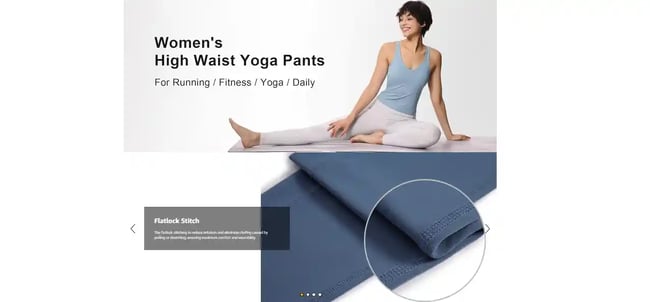
Amazon’s competitive advantage is built on a foundation of logistical speed, massive inventory, and a customer-centric model that prioritizes convenience above all else. They excel at the transaction. However, that reliance on a broad, functional experience often leaves a gap for smaller, specialized brands to fill. While the giant relies on scale, you can rely on depth. By focusing on the nuances of your product pages, the authenticity of your storytelling, and the consistency of your engagement, you can carve out a space that feels personal and trustworthy to your audience.
The Strategic Advantage of Niche Focus
Amazon Basics thrives by being everything to everyone, which inherently makes its brand identity generic. This is the chink in the armor for many large retailers. As a smaller entity, you have the ability to lean into a specific niche, demonstrating expertise and passion that a conglomerate simply cannot replicate. When you define your brand by a singular focus, you stop competing on price alone and start competing on value and relevance.
To effectively challenge a retail behemoth, you must treat your digital storefront as a destination rather than a shelf. This involves a shift from passive selling to active brand building. You are not just offering a product; you are offering a solution that aligns with the specific needs and values of your customer. When a customer feels that a brand understands their lifestyle—whether that is fitness, home organization, or specialized tools—they are far more likely to form a lasting connection.
Why Niche Matters for Long-Term Growth
Focusing on a niche allows you to become the authority in a specific domain. When you dominate a smaller segment, you gain the ability to command higher margins and build a loyal community that views your brand as the gold standard. This authority acts as a barrier to entry for competitors who lack your specialized knowledge.
Common Mistakes in Niche Selection
Many brands make the error of trying to expand too quickly. By attempting to serve too many audiences at once, you dilute your brand message. Stick to your core value proposition until you have secured a dominant position, then consider adjacent markets.
Enhancing Your Digital Storefront with A+ Content
Your product page acts as your primary salesperson. On platforms where the visual environment can feel uniform, A+ Content (or Enhanced Brand Content) provides the necessary tools to break the monotony and deliver a more immersive experience. This is where you move beyond simple specifications to show the human side of your product.
Why Visual Storytelling Matters
Static images often fail to convey the quality or utility of a product. By incorporating charts, lifestyle photography, and detailed video demonstrations, you answer potential customer questions before they are even asked. High-quality visuals serve two purposes: they build immediate trust and they provide the necessary context that a basic, text-heavy description lacks.
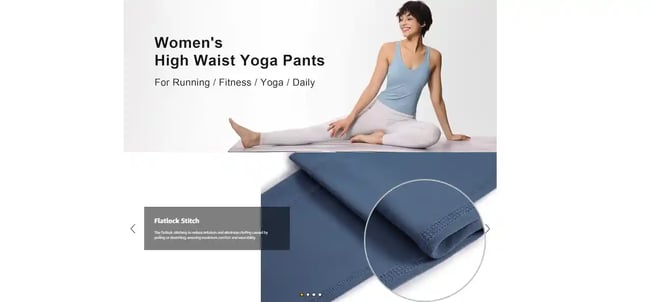
When you use A+ Content, you are essentially curating a guided tour of your product’s benefits. For instance, comparing your item against generic alternatives through clear, data-backed charts can justify a higher price point or demonstrate superior quality. This level of detail keeps visitors on your page longer, which is a signal to search algorithms that your content is relevant and valuable.
Practical Steps for Implementation
- Replace generic, white-background images with lifestyle photography that shows your product in use.
- Create comparison charts that highlight the features that set your product apart from entry-level alternatives.
- Include short, high-resolution videos that demonstrate the durability or ease of use of your product.
- Use descriptive, benefit-driven headers in your A+ modules to guide the customer’s journey through the page.
The Role of Targeted Advertising and Promotion
Visibility is the first hurdle in any competitive landscape. Once your store is optimized, you need to drive traffic to it through targeted advertising. Using sponsored placements strategically allows you to reach customers who are actively searching for solutions within your niche, rather than just casting a wide net.
Measuring Success Beyond Impressions
Effective advertising on a large retail platform requires a focus on metrics that reflect true profitability, such as your Advertising Cost of Sales (ACOS). It is easy to spend heavily to get clicks, but the goal is to capture high-intent traffic. By analyzing where your ads perform best—whether in search results or on competitor product pages—you can refine your spend to focus on the most lucrative segments of your audience.
The Importance of High-Intent Traffic
Focusing on keywords that indicate a high likelihood of purchase is more effective than bidding on broad, high-volume terms. By targeting long-tail keywords, you can reach customers who know exactly what they are looking for, which typically leads to higher conversion rates and lower acquisition costs.
Managing Your Customer Engagement
Retention is often more cost-effective than acquisition. Tools like Manage Your Customer Engagement (MYCE) allow you to maintain a relationship with those who have already chosen your brand. When you provide value through consistent, helpful communication, you turn one-time buyers into repeat customers. This cycle of engagement is essential for building the kind of brand equity that is immune to the low-price tactics of larger competitors.
Cultivating Trust Through Authentic Engagement
Trust is the currency of the modern digital marketplace. Because 72% of consumers rely on reviews before making a purchase, the way you gather and display feedback is critical. However, this must be done with complete integrity. Any attempt to manipulate reviews will ultimately damage your reputation and may lead to penalties that are difficult to overcome.
The Power of Real-Time Interaction
Tools like Amazon Live offer a way to bridge the gap between digital and physical shopping. Real-time, shoppable content allows you to answer questions, demonstrate product features, and connect with your audience in a way that feels authentic. It shifts the dynamic from a one-way transaction to a two-way conversation. When you show your face and voice, you humanize your brand, making it much harder for a generic product to replace yours in the mind of the consumer.
Building Community Through Transparency
Transparency is vital. When issues arise, addressing them openly and quickly shows that you value the customer experience. This honesty often turns a potentially negative review into a positive testament to your brand’s commitment to service.
Nurturing Your Fanbase
Loyal customers are your strongest asset. Research consistently shows that businesses with deep customer loyalty grow significantly faster than those that focus solely on acquisition. By encouraging honest feedback and providing exceptional support, you create a feedback loop where your customers become your advocates. This advocacy is something no amount of corporate advertising can buy; it is earned through consistent, high-quality interactions.
Learning from Market Comparisons
To understand how to outshine a giant, we can look at specific product categories where smaller, focused brands have succeeded. The common thread in these successes is not a secret technology or a massive marketing budget—it is the intentional choice to do the basics better.
Fitness and Niche Expertise
In the category of yoga mats, we often see a choice between a generic, low-cost option and a specialized brand. The successful challenger does not necessarily win on price; they win on the quality of their content. By showing a mat in use, explaining its material benefits, and using a slogan that speaks to the athlete’s mindset, the brand creates an emotional connection. The generic alternative, while functional, fails to offer that same inspiration.
Professionalism in Electronics
When comparing a generic wireless mouse to one from a focused brand, the difference in presentation is stark. The successful brand provides a professional-level video, clear animations, and a promise of long-term support. This signals to the customer that the company stands behind its product. The generic option, by contrast, relies on basic photography and minimal information, which can make the consumer question the longevity of the item. Investing in professional content is an investment in the perceived value of your product.
Emotional Resonance in Children’s Products
Marketing children’s products without featuring children is a missed opportunity. Brands that succeed in this space understand that they are selling an experience, not just a physical object. By using imagery that shows the joy of play, these brands tap into the aspirations of the parent. This emotional storytelling is a powerful differentiator that generic, feature-focused descriptions cannot match.
Applying Lessons to Your Brand
Identify the emotional triggers in your category. Whether it is safety for parents, performance for athletes, or reliability for professionals, align your messaging with these core needs. By mirroring the strategies of successful niche leaders, you can create a compelling narrative that resonates deeply with your target audience.
Conclusion: The Path to Differentiation
Success in a competitive marketplace is defined by your ability to be noticeably different. It is not about having the largest inventory or the absolute lowest price; it is about having the most compelling story and the most helpful presence. By focusing on your product pages, your brand narrative, and your relationship with your customers, you create a moat around your business that is difficult for others to cross. The goal is to build a brand that people choose not because it is the only option, but because it is the right option for them.





