Marketing to Generation Z often feels like preparing for an unpredictable event. Headlines warn of an impending “invasion,” suggesting that brands must drastically overhaul their strategies to survive. But the reality is more nuanced. Gen Z is hyper-connected, yes, but they also share core human drives with previous generations. The difference lies in how they access information, evaluate value, and interact with brands.

As marketers, we see both the similarities and the stark contrasts between Gen Z and Millennials. Both generations value social media, financial stability, and high-quality products. Yet, the mechanics of their engagement differ significantly. Gen Z approaches purchasing with a level of digital sophistication and skepticism that demands a more authentic, mobile-first, and inclusive approach from brands.
If you are testing new strategies to reach young adults, understanding these nuances is critical. Gen Z is nearing full purchasing power. By learning what makes them unique—and what they share with older generations—you can scale your existing strategies effectively rather than rebuilding them from scratch. Here are key statistics and insights to help you build a buyer persona for this emerging demographic.
Gen Z Demographics and Digital Habits
Gen Z is not just a large demographic; it is a digitally native one that has never known a world without the internet. In 2019, Gen Z outnumbered Millennials, making up 32% of the global population. By 2020, this generation represented more than 40% of U.S. consumers. With an estimated annual purchasing power of $44 billion, their influence on the market is already substantial and growing.
Their digital habits are intense and multi-device. More than 74% of Gen Z spends their free time online. In the U.K., for instance, they spend an average of 10.6 hours online each day. Crucially, 66% of Gen Z uses more than one internet-connected device simultaneously. This means your content must be optimized for seamless transitions between screens.

Mobile is the primary gateway for this generation. Roughly 75% of Gen Z uses smartphones more frequently than computers. Over 32% of their transactions occur on mobile devices. They spend an average of 11 hours per week on mobile devices and stream video for roughly 23 hours each week. When designing campaigns, prioritize mobile-first experiences. If your site or app loads slowly, you will lose them; 60% of Gen Z will abandon a site that takes too long to load.
Content Consumption Patterns
Gen Z’s attention span is often cited as short, but this is a misinterpretation of their efficiency. On average, they pay attention to content for eight seconds—four less than Millennials. However, this doesn’t mean they lack depth; it means they filter noise aggressively. They prefer content that is visually engaging, concise, and immediately valuable.
Video is dominant. More than 71% of Gen Z subscribes to Netflix, and only 45% still watches cable. They are also interested in interactive content, with 55% saying they would choose their own plotline in movies or TV shows. This desire for interactivity extends to marketing. As VR becomes more common, 60% of Gen Z says they are likely to use it, with 52% expecting to use it for entertainment.
Social Media and Creative Expression
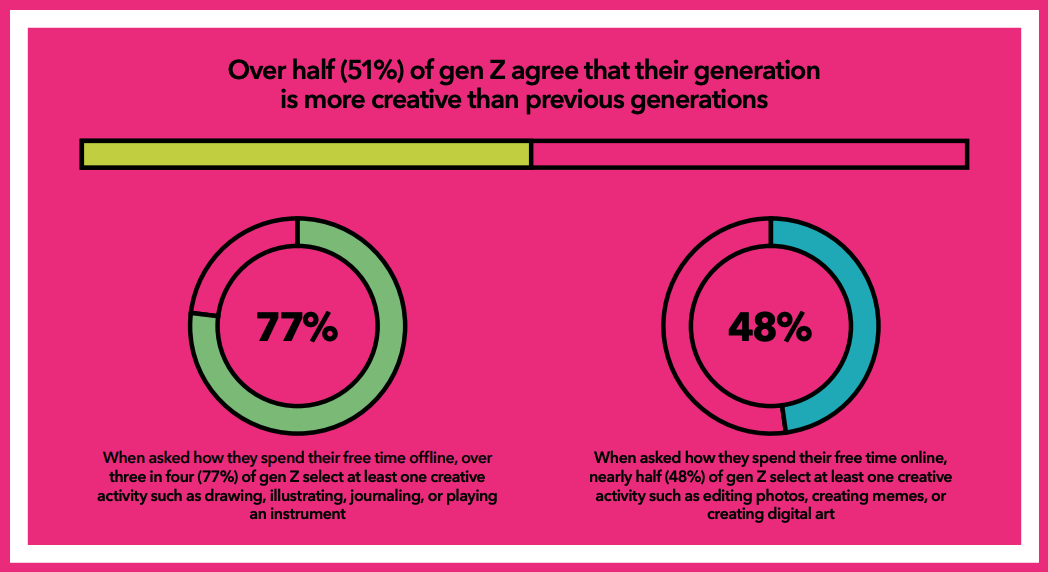
Social media is not just a pastime for Gen Z; it is a canvas for identity. Fifty-six percent of teens use social apps to express themselves creatively, and 55% say they are more creative online than offline. They log on to social media for roughly two hours and 55 minutes each day, nearly an hour more than the average Millennial.
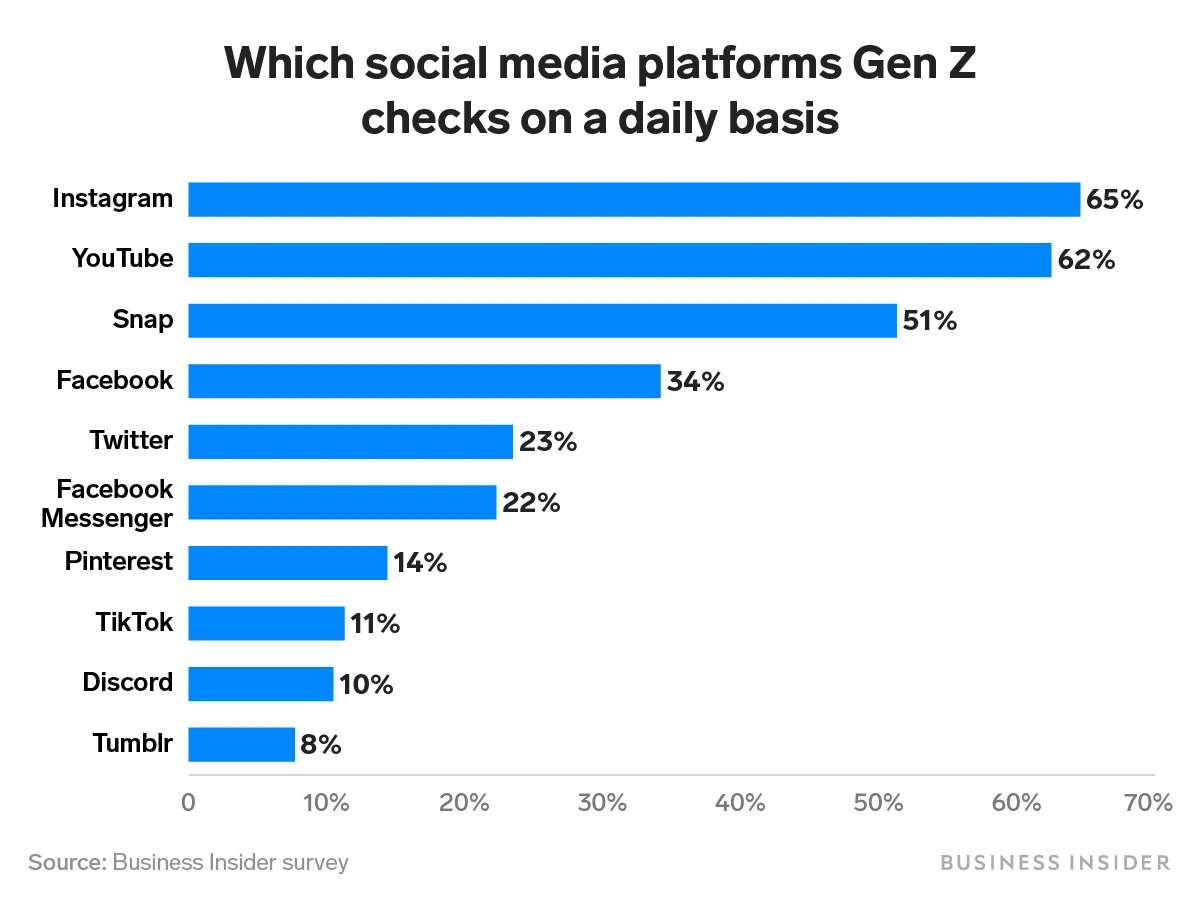
Platform preference matters. Instagram and YouTube are daily staples for 62% and 60% of Gen Z, respectively. Snapchat remains highly popular, with 90% of 13-24-year-olds in the U.S. having used the app. Twitch is also significant, with 41% of Gen Z men using the platform.
Influencers play a major role in discovery. More than 76% of Gen Z follows an influencer, and one in four Gen Z women learns about new products through them. However, this connection is complex. While 81% of teens say social media helps them feel connected to friends, 45% feel overwhelmed by the “drama.” Additionally, 43% feel pressure to post only content that makes them look good.
Authenticity and Omnichannel Experiences
Gen Z values authenticity over polish. They can detect inauthenticity quickly. Eighty-eight percent of Gen Z prefers omnichannel branded experiences, meaning they expect consistency across social media, websites, and physical stores. Social media influences them most, with 54% citing it as the primary driver.
However, they are wary of intrusive marketing. Sixty-nine percent of Gen Z finds online ads disruptive. To capture their attention, focus on aesthetic appeal and value. One of the top factors that draw their attention is an aesthetically pleasing product shot. Brands that blend seamlessly into their feed, rather than interrupting it, will perform better.
Shopping Behaviors and Values
Gen Z is financially pragmatic. They are value-driven but quality-conscious. Sixty-six percent say high product quality matters most when making a purchase. They also value tangible incentives; roughly 65% see value in coupons, discounts, and rewards programs. This generation is not afraid to save, but they expect brands to justify their prices.
They also have high expectations for inventory and convenience. Sixty-five percent of Gen Z prefers to see as few items as possible out of stock when shopping online or in stores. This suggests that supply chain transparency and reliability are part of the brand experience for them.
Despite their digital fluency, Gen Z is not entirely disconnected from the physical world. Fifty-one percent prefers face-to-face communication with coworkers, friends, and family over messaging. This duality—highly connected yet craving real interaction—should inform how brands engage them. Omnichannel strategies that bridge online and offline experiences will resonate.
Privacy and Data Sensitivity
Gen Z is cautious with their personal information. Less than 30% will share sensitive data such as health, wellness, location, or payment information online without a clear reason. This privacy-consciousness is a response to growing awareness of data breaches and surveillance capitalism. Brands must be transparent about data usage and offer clear value exchanges in return for personal information.
Motivations and Career Outlook
Gen Z is career-motivated but pragmatic. They view work as a means to achieve financial stability and personal growth. In 2018, roughly 10% of Gen Z was saving for college, indicating a focus on long-term financial planning. Fifty-nine percent will learn new skills if they result in higher pay, showing a willingness to invest in themselves.
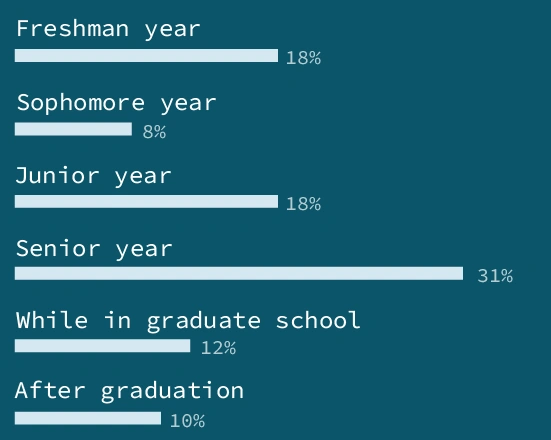
However, they are less likely to negotiate salaries than Millennials. Only 49% of Gen Z counter job offers, compared to 70% of Millennials. This may reflect a desire for straightforwardness or a lack of confidence in negotiation. Nearly a quarter of Gen Z college students start their job search before their junior year, highlighting their early focus on career readiness.
Influence on Household Decisions
Gen Z wields significant influence beyond their own purchases. Over 70% of Gen Zers say they can influence family decisions, such as major purchases. This means that brands targeting Gen Z are also indirectly reaching Millennials, Gen X, and Baby Boomers. Understanding their preferences can help shape broader family marketing strategies.
Political and Societal Views
While political views do not directly dictate purchases, they shape brand perception. Gen Z is diverse and inclusive. Forty-eight percent identifies as racially or ethnically diverse. They expect brands to reflect these values. Seventy percent of Gen Z says financial responsibilities should be shared equally in two-parent households, indicating a shift toward egalitarian norms.
Inclusivity is non-negotiable. Fifty-nine percent of Gen Z thinks forms should include an “Other” gender option, and half of Gen Z says society isn’t accepting enough of people who don’t identify as men or women. Brands that fail to demonstrate inclusive marketing risk alienating this demographic.
The Paradox of Connection and Loneliness
Despite being the most connected generation, Gen Z reports higher levels of loneliness than previous generations. This paradox suggests a need for genuine community and belonging. Brands that foster authentic connections and support mental well-being will resonate. It is not enough to be present on social media; brands must contribute positively to their digital lives.
Preparing Your Strategy for Gen Z
You do not need to overhaul your entire digital strategy overnight. However, you should experiment with new approaches to reach Gen Z effectively. Start by auditing your current presence on Gen Z-friendly platforms like TikTok, Instagram, and Twitch. Ensure your content is mobile-optimized and loads quickly.
Embrace video marketing, especially short-form, engaging videos that convey value quickly. Highlight product quality and offer discounts or rewards to incentivize purchases. Keep an eye on emerging technologies like VR and interactive content, as these may become mainstream soon.
Avoid lumping Gen Z in with Millennials. While they share some traits, Gen Z’s digital nativity, privacy concerns, and demand for inclusivity require specific attention. By understanding these nuances, you can adapt your strategies to meet their expectations.
Key Takeaways for Marketers
- Mobile-First is Non-Negotiable: Optimize all content for mobile devices. Ensure fast loading times and seamless navigation.
- Authenticity Over Polish: Gen Z values real, unfiltered content. Avoid overly produced ads that feel disconnected from their reality.
- Inclusivity Matters: Reflect diversity in your marketing and ensure your brand stands for inclusive values.
- Value Transparency: Be clear about pricing, data usage, and product benefits. Gen Z appreciates honesty.
- Engage, Don’t Interrupt: Focus on creating content that adds value to their feed rather than disrupting it.
By integrating these insights into your marketing strategy, you can build meaningful connections with Gen Z. This generation is not just a target audience; they are the future of your customer base. Understanding them now positions your brand for long-term success.
What steps will you take to adapt your strategy for Gen Z? The time to start is now.





