Understanding the Core of Facebook Ad Targeting
With nearly two billion active users, Facebook remains one of the most potent channels for marketing products and services. The scale is undeniable, but the real power lies not in the sheer volume of eyeballs, but in the precision with which you can reach them. Consider the experience of browsing a retailer’s site and then seeing a highly relevant ad for a specific item in your feed hours later. It feels almost intuitive. That is the result of sophisticated targeting at work.
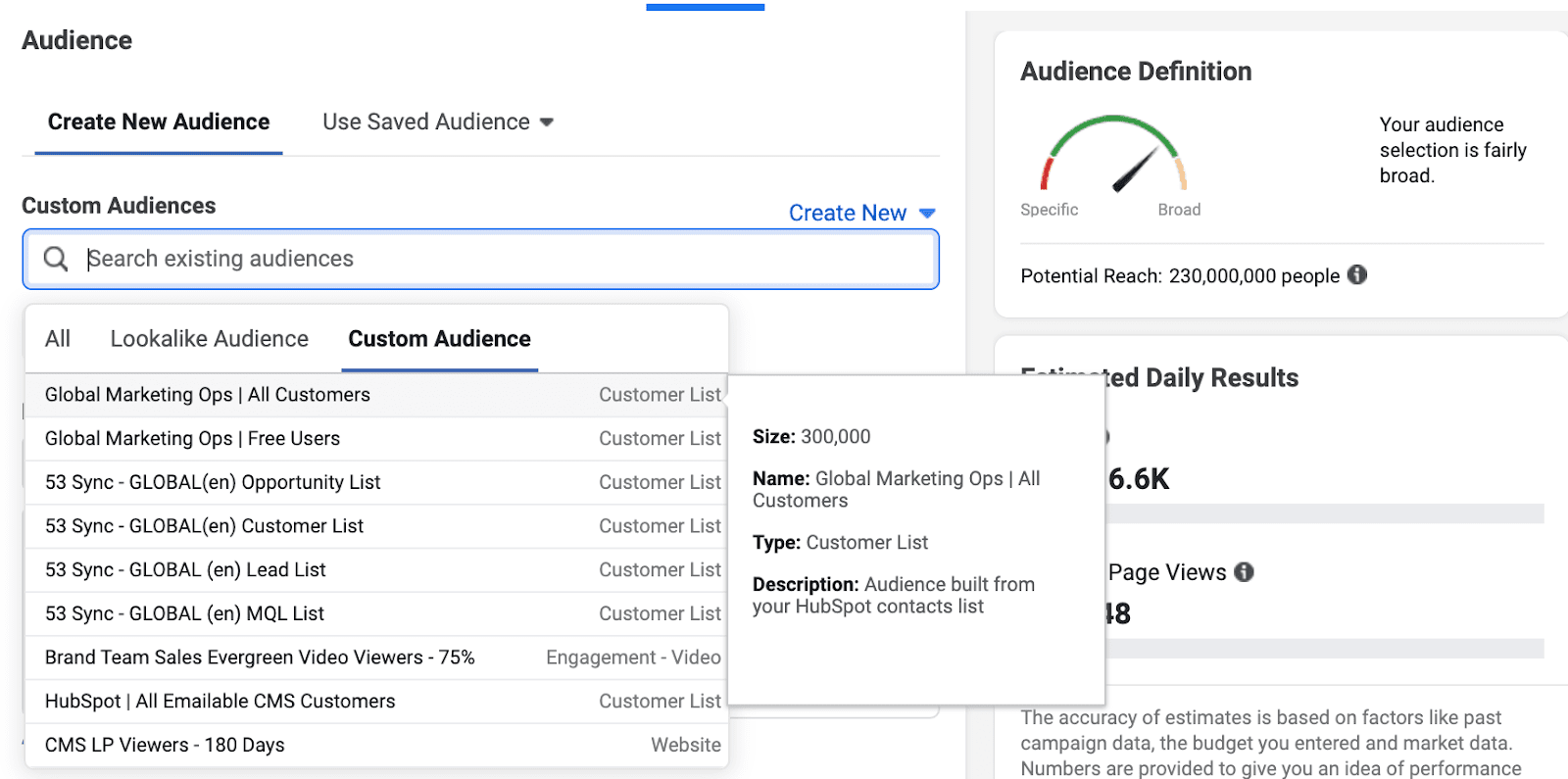
However, with over seven million advertisers competing for attention, standing out requires more than just a budget. It demands a strategic approach to audience selection. Many brands struggle to differentiate their message amidst the noise. The solution often lies in refining who sees your content. By focusing on specific segments rather than casting a wide net, you can improve relevance and, consequently, return on investment.
Facebook ad targeting is the process of selecting specific audience segments within Ads Manager to ensure your creative reaches users most likely to engage. This involves layering demographic data, behavioral signals, and custom lists to create precise pools of potential customers. When executed well, it transforms a generic broadcast into a personalized conversation.
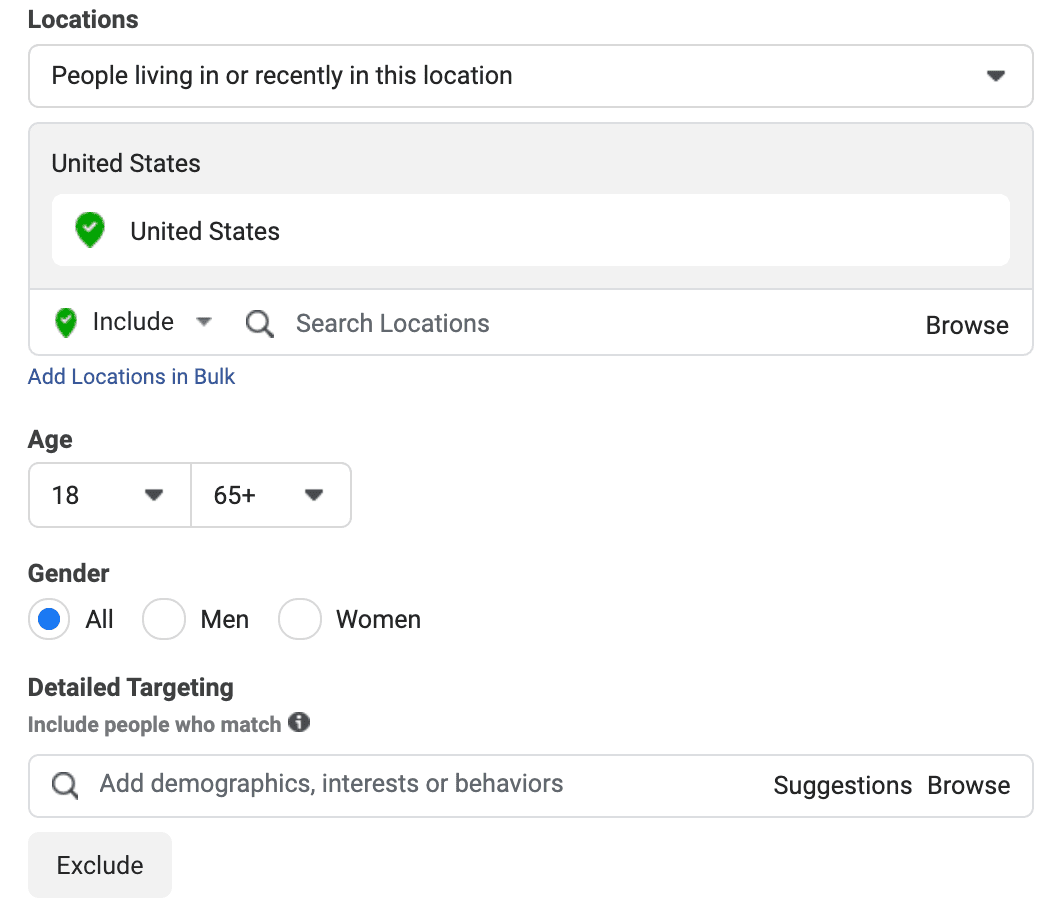
The platform provides several mechanisms to define these audiences. You can start from scratch with a new audience or leverage saved segments. The choice depends on your campaign goals and the maturity of your data. For brands new to paid social, understanding the distinction between broad and narrow targeting is the first step toward efficiency.
Demographic and Interest-Based Segmentation
Demographic targeting allows you to filter users based on static attributes like age, location, gender, language, and even education or employment. If your product serves a specific group, such as medical professionals in Spain or millennial women in urban centers, this is a foundational layer. It ensures your ad spend is not wasted on users who fall outside your core market.
Interest targeting takes this a step further by tapping into user activity. People who have liked fitness pages, watched yoga videos, or shopped on marketplace listings reveal their hobbies and preferences. For example, selling workout gear is more effective when targeting users who engage with fitness content, rather than relying solely on age and gender guesses. This behavioral data provides a clearer picture of intent.
Behavioral targeting focuses on actions taken both on and off Facebook. This includes device usage, browsing history, and purchase behaviors. It is particularly useful for re-engagement campaigns. If a user added an item to their cart but left, behavioral signals can trigger a retargeting ad to bring them back. This approach capitalizes on existing interest rather than trying to generate it from zero.
The Power of Connections and Events
Connections targeting lets you reach people who have interacted with your Facebook Page, app, or event. This is a warm audience by definition. If you hosted a networking event and added hundreds of attendees to the event page, you can serve ads specifically to them. These users are already aware of your brand, making them more receptive to your message.
You can also expand this reach by targeting the friends of those connections. This leverages social proof and network effects. However, the primary focus should remain on the direct connections, as they have demonstrated a higher level of engagement. This method is cost-effective because you are marketing to people who have already opted into some form of interaction with your brand.
Advanced Audience Strategies: Custom and Lookalike Audiences
As you accumulate data, you can move beyond basic targeting into more sophisticated strategies. Custom Audiences and Lookalike Audiences are two of the most powerful tools in the Facebook Ads ecosystem. They allow you to leverage your own customer data to drive performance and scale.
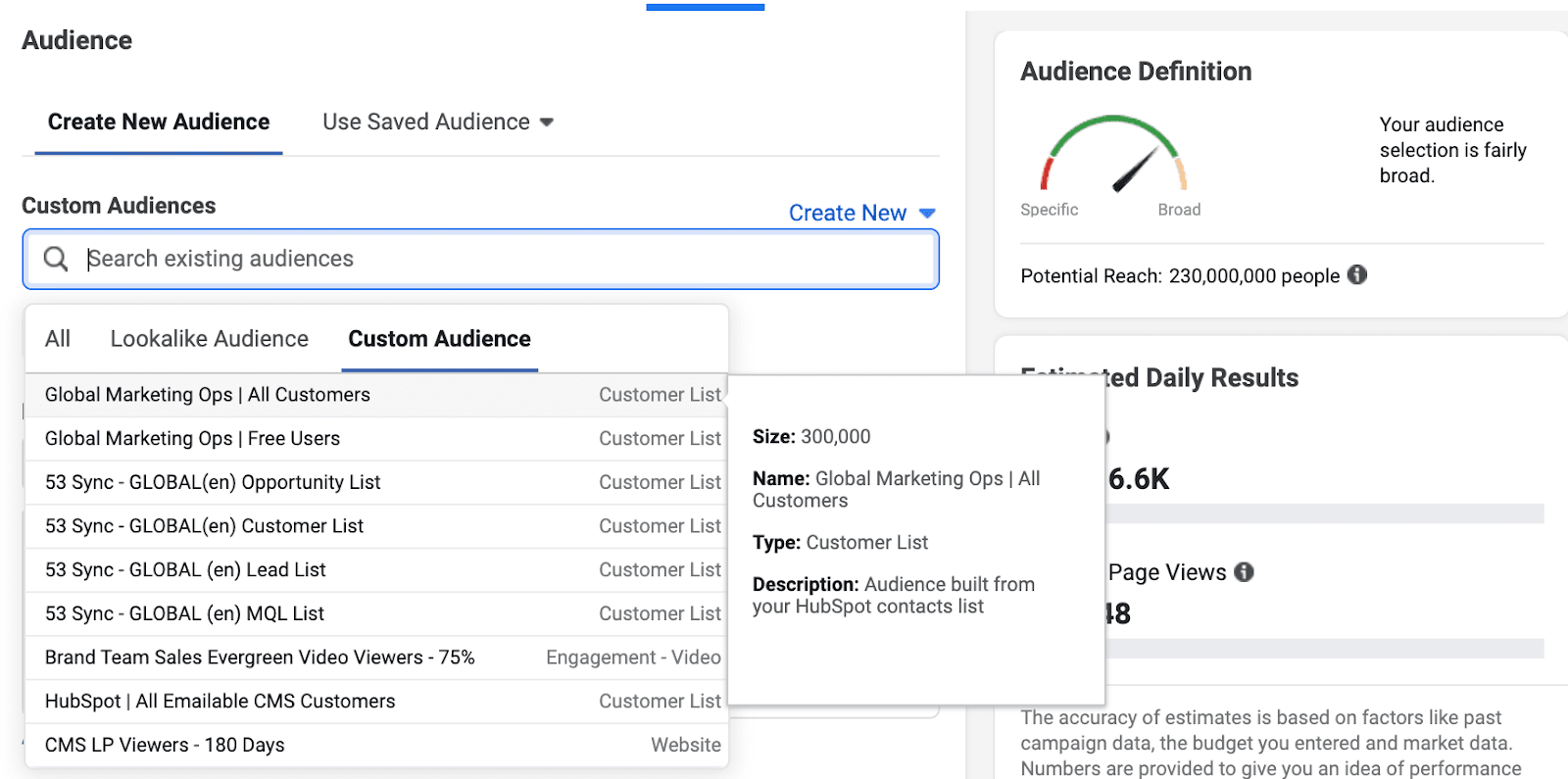
A Custom Audience is created by uploading a list of existing contacts, such as email subscribers or phone numbers, to Facebook. The platform matches these identifiers to user profiles and allows you to serve ads specifically to them. This is ideal for up-selling or cross-selling. For instance, if you have a base of free-tier users, you can target them with ads for a premium version of your product. Since they already trust your brand, the conversion path is shorter.
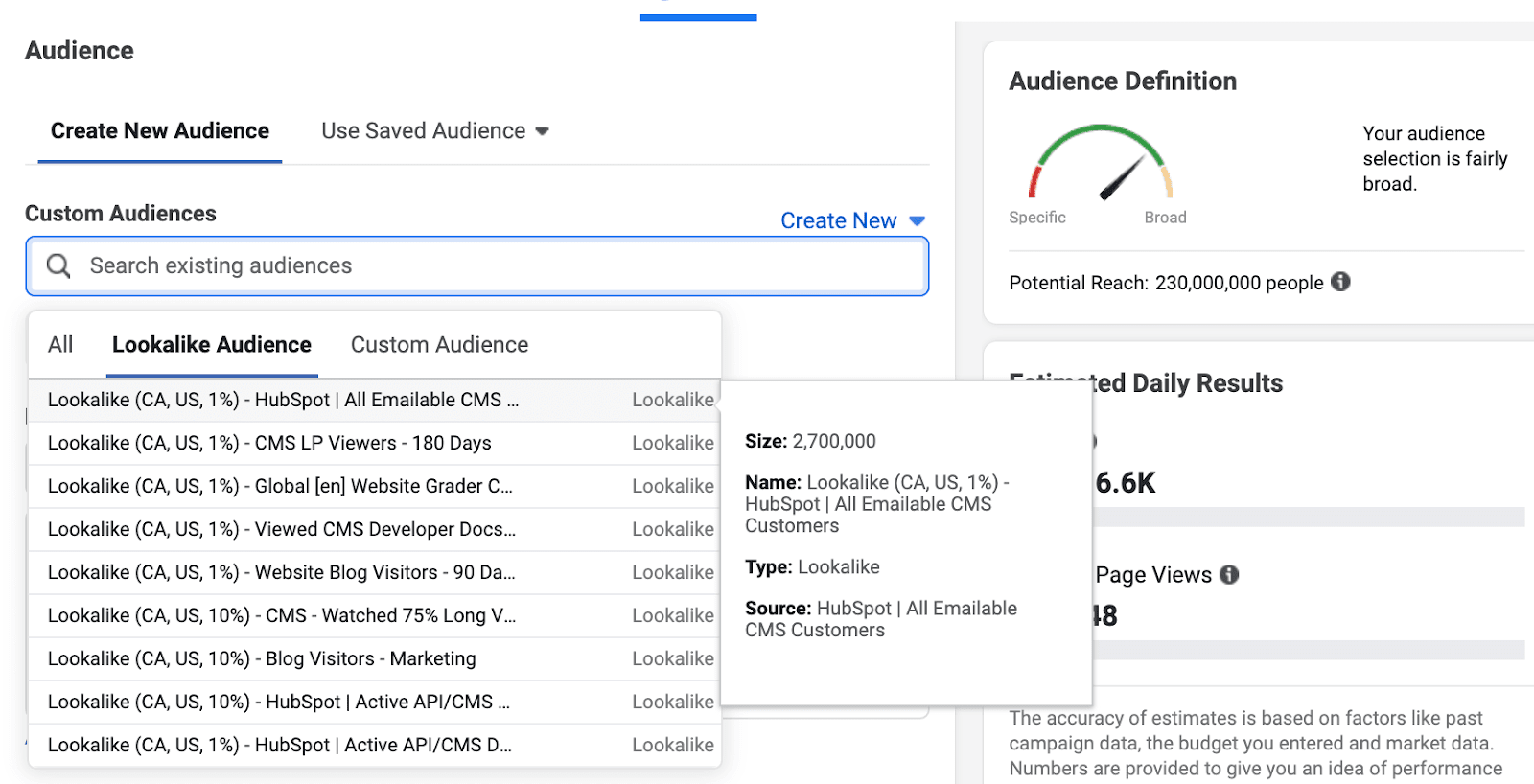
Lookalike Audiences take this concept further by finding new users who share characteristics with your best customers. You upload a seed list, such as your email subscribers, and Facebook analyzes their attributes—age, location, interests, behaviors. It then finds other users on the platform who match this profile. This is a form of cold outreach, but it is informed by your existing success.
The effectiveness of Lookalike Audiences depends on the quality of your seed list. If your seed list is comprised of high-value customers, the lookalike audience is more likely to convert. You can adjust the similarity percentage, typically between 1% and 10%. A smaller percentage creates a tighter match, while a larger percentage increases reach but may decrease relevance. Testing different sizes can help you find the optimal balance.
Why Retargeting Is Essential for Conversion
Retargeting is a cornerstone of effective Facebook advertising. It involves showing ads to people who have already interacted with your brand. This could mean visiting your website, watching a video, or downloading a resource. These users have shown intent, making them more likely to convert than cold prospects.
For example, if you are an e-commerce brand selling athletic apparel, you might create a gated video on fitness tips. Users who download this video have demonstrated interest in fitness. You can then retarget them with ads for your workout gear. This aligns the ad content with their demonstrated interest, increasing the likelihood of a purchase.
However, not all retargeting efforts are created equal. It is crucial to match the ad content to the user’s stage in the funnel. If someone watched an awareness video, they may not be ready for a hard sell. Retargeting them with a direct response ad might yield poor results. Instead, consider serving them educational content or a softer offer. On the other hand, users who visited your pricing page are likely in the consideration stage and may respond better to direct response ads.
Maximizing Value from Existing Customers
Acquiring a new customer is significantly more expensive than retaining an existing one. Facebook ads can play a key role in customer retention and loyalty. By using Custom Audiences, you can target existing customers with relevant content or offers.
This could involve up-selling new features or products. If you have released a new version of your software, you can target your current user base with ads highlighting the benefits. This leverages their existing satisfaction and trust. Alternatively, you can target them with helpful content, such as webinars or blog posts, to reinforce their decision and increase engagement.
Leveraging your fan base is another effective strategy. Users who have liked your Facebook Page have explicitly shown interest in your brand. Targeting these fans with ads can yield higher ROI compared to targeting non-fans. You can layer additional criteria, such as targeting fans who have not yet purchased, to influence buying behavior. Or, for recurring products, you can target fans who have previously purchased to encourage repeat buys.
Practical Tips for Optimizing Facebook Ad Performance
Beyond audience selection, several tactical adjustments can improve the performance of your Facebook ads. These tips focus on content strategy, testing, and metric management.
Repurposing High-Performing Content
One of the most efficient ways to launch Facebook ads is to repurpose content that has already performed well organically. If a blog post or video has generated significant traffic and engagement, it has proven its value to your audience. Putting paid spend behind such content reduces the risk of failure.
However, not all organic successes translate to paid success. You need to be selective. Choose content that aligns with your campaign objective. If your goal is brand awareness, test a high-traffic blog post. If your goal is lead generation, test a high-converting content offer. The key is to match the content to the desired outcome.
At HubSpot, for instance, the paid ad team regularly receives lists of top-performing content. They reformat these pieces into advertisements. This strategy ensures that new audiences are exposed to content that has already delighted existing users. It is a way of scaling what works, rather than guessing what might work.
Testing and Iteration with Lookalikes
Once you have identified a high-performing audience, you can create a Lookalike Audience based on it. If targeting page fans yields strong results, create a Lookalike of that fan base. This allows you to expand your reach to new prospects who share similar characteristics.
Testing is crucial here. You might test different Lookalike percentages to see which performs best. A 1% Lookalike might be too narrow, while a 10% Lookalike might be too broad. By running tests for at least two weeks, you can gather enough data to make informed decisions. This iterative approach helps you refine your targeting over time.
Monitoring Frequency and Creative Refresh
Frequency is a critical metric to monitor. It measures how often a unique user sees your ad. If the frequency is too high, you risk ad fatigue and negative brand perception. Users may start to feel annoyed by seeing the same ad repeatedly. On the other hand, some frequency is necessary for brand awareness. A frequency of 3-4 is often a good starting point.
If frequency starts to creep up, you have several options. You can expand your audience by increasing the Lookalike percentage or adding new Custom Audiences. You can also refresh your creative. Even if the audience remains the same, new images or copy can re-engage them. This keeps the experience fresh and reduces the risk of fatigue.
The Role of Algorithms and Data
As digital platforms become more automated, the role of algorithms in ad delivery increases. Facebook’s algorithm is designed to find users most likely to convert based on the data you provide. By uploading customer lists and setting up conversion tracking, you give the algorithm the information it needs to optimize.
Without sufficient data, the algorithm struggles to find patterns. This is why it is important to run tests for a sufficient period. Accumulating conversion data allows the system to learn and improve. Over time, you may find that you can rely more on broad targeting and let the algorithm do the heavy lifting, provided you have robust tracking in place.
Conclusion: A Continuous Process of Refinement
Facebook ad targeting is not a set-and-forget strategy. It requires continuous monitoring, testing, and refinement. The landscape is constantly evolving, with new features and changes to user privacy affecting how you can reach your audience. Staying informed and adaptable is key.
By combining demographic, interest, and behavioral targeting with advanced strategies like Custom and Lookalike Audiences, you can create a comprehensive approach. Retargeting and leveraging existing fans further enhance your ability to convert. Remember to match your content to your audience’s stage in the funnel and keep an eye on frequency to avoid fatigue.
Ultimately, the goal is to reach the right people with the right message at the right time. This requires a deep understanding of your audience and a willingness to experiment. As you gather more data, your targeting will become more precise, and your results will improve. The journey to mastering Facebook ads is ongoing, but the potential rewards are significant for those who persist.
What strategies have you found most effective in your own campaigns? How do you balance broad reach with precise targeting? Sharing insights and experiences can help the broader marketing community learn and grow.





