Why Data-Driven Content Sprints Actually Work
Video content is no longer just an optional add-on to a marketing strategy; it is a fundamental driver of audience engagement and conversion. Global internet traffic is shifting heavily toward video formats, with projections indicating that video will account for the vast majority of IP traffic in the coming years. Platforms like YouTube, Instagram TV, and Facebook Watch have accelerated this trend, forcing brands to adapt or risk losing visibility to competitors who embrace the medium.
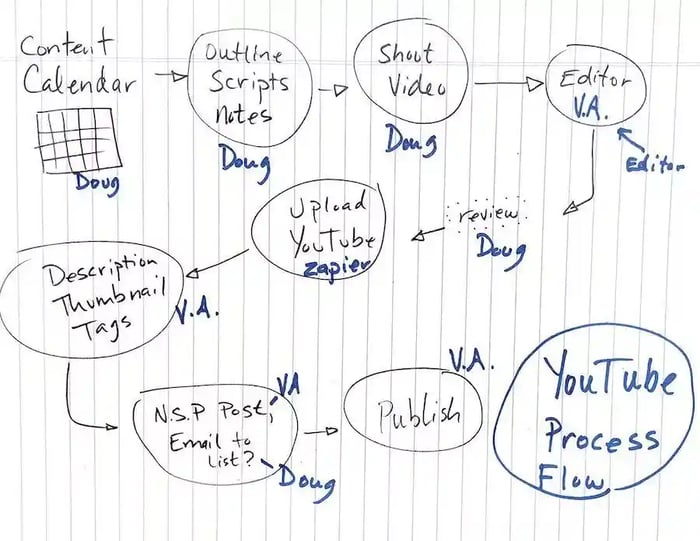
When we look at the mechanics of audience growth, the numbers often tell a more compelling story than intuition. In a documented case study by Niche Site Project, the creator observed that traffic originating from YouTube converted to email subscribers at a rate of approximately 16%. This was four times higher than the average conversion rate of 4.19% across all other traffic sources. For a business dependent on list growth, this data point was not just interesting—it was a strategic imperative.
This disparity in conversion rates highlights a critical principle: you must allocate resources where the return on investment is highest. If your analytics show that a specific channel drives higher-quality leads, increasing output on that channel is a logical next step. However, simply deciding to post more is not a strategy. It requires a structured approach to execution, which is where project management methodologies become invaluable for content teams.
A content sprint—a concentrated burst of high-volume publishing over a short period—can yield disproportionate results if managed correctly. The goal is not just to flood the feed with content, but to test capacity, refine workflows, and accelerate learning. When executed with clear Key Performance Indicators (KPIs) such as watch time, views, and subscriber growth, a sprint transforms guesswork into measurable progress.

Defining the Project Scope and Process Flow
Before lifting a camera or editing a single frame, you need a clear definition of the project scope. This involves setting specific goals, identifying the team, and mapping out the workflow. In the Niche Site Project experiment, the objective was ambitious: publish two videos per day for thirty days, totaling sixty videos. For a solo creator, this is daunting. For a small team, it is achievable—but only with a defined process.
The first step in defining the scope is to identify what you are trying to improve. In this case, the KPIs were watch time, views, subscriber count, and overall video quality. Notice that “email list growth” was not a primary KPI for the sprint itself. The logic was sound: if YouTube metrics improve, and historical data proves YouTube traffic converts well, then email growth will follow naturally. This separation of direct and indirect metrics helps keep the team focused on immediate, controllable outcomes.
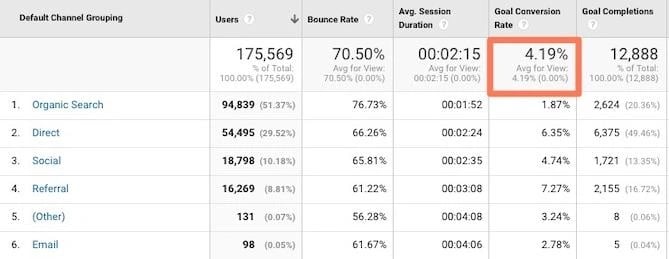
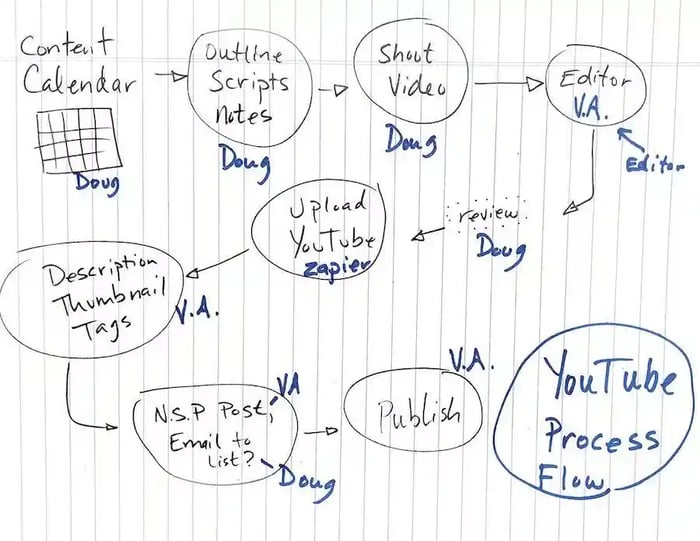
Next, you must map the workflow. A simple sketch on paper is often more effective than complex software at this stage. The goal is to identify handoff points and potential bottlenecks. In the reference case, the workflow included shooting, editing, uploading, and post-production tasks like thumbnail creation and description writing. By visualizing this flow, the creator could identify tasks that were time-consuming or low-value for their specific skill set.
Delegation is a critical component of this phase. If you are the subject matter expert or the face of the brand, your time is best spent on content creation and strategy. Tasks like video editing, file management, and metadata optimization can often be handled by virtual assistants or freelance editors. The key is to assign tasks based on comparative advantage—what each team member does best and fastest. This not only speeds up production but also improves the quality of the output, as each step is handled by someone specialized in that area.
Building a Lean and Effective Team
A small team can outperform a large one if roles are clear and communication is efficient. The Niche Site Project team consisted of the creator (Project Manager/Content), a Video Editor, and a YouTube Assistant. This lean structure minimized overhead while maximizing output. The creator handled the high-level strategy and filming, the editor managed post-production, and the assistant handled administrative tasks like tags and descriptions.
When hiring for such intensive projects, it is essential to test candidates with real work. A paid trial gig with actual deliverables is the best way to assess compatibility and skill. This approach filters out those who cannot meet deadlines or follow instructions, ensuring that the sprint does not derail due to personnel issues. It also sets a professional tone from the start, emphasizing accountability and results.
Execution, Workflow Refinement, and Automation
Execution is where the plan meets reality. Even the best-laid workflows require adjustment during a high-pressure sprint. The Niche Site Project team faced several challenges that revealed the importance of flexibility and continuous improvement. One significant lesson was the value of batching. Initially, tasks were handled as they arose, but shifting to a batched approach—such as shooting a week’s worth of videos in a single session—dramatically increased efficiency. This reduced setup time and allowed the team to maintain a consistent output without burnout.
Another critical insight was the need for a buffer. In corporate project management, adding time to the schedule for unexpected delays is standard practice. Content creation is no different. Equipment failures, illness, or creative blocks can disrupt production. Having a reserve of completed or partially completed videos provides a safety net that keeps the publishing schedule intact. In this case, having 50% of the videos shot before the sprint began provided a significant psychological and operational advantage.
Automation can streamline workflows, but it should be implemented with caution. The team initially spent three days setting up a complex integration using Zapier, Google Sheets, and Trello. While the intention was to create a seamless, automated pipeline, the complexity introduced new problems. The integration failed, and the time spent troubleshooting outweighed the benefits. The solution? A simple spreadsheet. Sometimes, the most effective tool is the one that is easiest to use and requires minimal maintenance. This principle of “simple over complex” is a valuable lesson for any content team.
The Power of Weekly Monitoring and Feedback
Monitoring the project is not just about tracking metrics; it is about identifying process improvements. The team held weekly video calls to discuss what was working and what wasn’t. This open dialogue allowed them to make small adjustments that compounded over time. For example, they refined their pre-production checklist to include outline creation and reference gathering, which improved the quality of the final videos. This iterative approach ensures that the team is not just churning out content, but continuously enhancing their output.
Lessons Learned: What Worked and What Didn’t
Reflecting on the sprint reveals several key takeaways. First, fancy tools and automation are not always the answer. While integrations like Zapier can be powerful, they require time to set up and maintain. If the complexity outweighs the benefit, it is better to stick with simple, reliable tools. In this case, a Google Sheets spreadsheet was sufficient for tracking progress and managing the workflow.
Second, batching is essential for efficiency. By grouping similar tasks together, the team reduced context switching and saved time. Shooting multiple videos in one session, for example, minimized the time spent setting up and breaking down equipment. This approach allowed them to maintain a high output without sacrificing quality.
Third, pre-production is critical. The team initially underestimated the amount of preparation required for high-quality video content. Outlining the video, gathering references, and planning graphics beforehand significantly improved the final product. This step ensures that the filming process is smooth and that the content is well-structured and engaging.
Fourth, file transfer can be a bottleneck. Moving large video files between platforms can be time-consuming. In this case, the team initially downloaded and uploaded files manually, which took about thirty minutes per video. They eventually found a Zapier integration that automatically transferred files from Google Drive to YouTube, saving significant time and effort. This highlights the importance of identifying and automating repetitive, time-consuming tasks.
The Long-Term Impact of a Content Sprint
The benefits of a content sprint extend beyond the immediate metrics. Publishing sixty videos in thirty days accelerated the creator’s learning curve, improving their production skills and strategic understanding of YouTube. The videos created during the sprint remain on the platform, continuing to attract views and subscribers long after the sprint ends. This evergreen content provides a lasting return on investment.
Additionally, the sprint established the creator as a consistent and prolific presence on YouTube. This visibility can lead to new opportunities, such as collaborations with other influencers or partnerships with brands. The sprint demonstrated that with the right process and team, it is possible to scale content production without compromising quality.
Strategic Takeaways for Modern Content Teams
The Niche Site Project experiment offers valuable insights for any business looking to scale its video content. The key is to approach content creation as a project, not just a creative endeavor. Define clear goals, map the workflow, build a capable team, and monitor progress continuously. Be willing to adapt and refine your process based on feedback and results.
Simplicity is a virtue. While advanced tools and automation can be helpful, they should not complicate the workflow. Start with simple, reliable tools and optimize only when necessary. This approach reduces friction and allows the team to focus on creating high-quality content.
Finally, remember that content sprints are not sustainable indefinitely. They are best used as a strategic burst to accelerate growth, test new ideas, or build a content library. After the sprint, you can transition to a more sustainable publishing cadence, leveraging the lessons learned and the content created during the sprint to maintain momentum.
At AEO/GEO, we believe that intelligent content automation can help businesses achieve similar results without the manual overhead. By optimizing content for generative search and AI-driven visibility, you can ensure that your efforts reach the right audience at the right time. Whether you are running a sprint or maintaining a steady cadence, the principles of project management, continuous improvement, and strategic delegation remain essential.
Key Performance Indicators for Video Sprints
| Metric | Description | Why It Matters |
|---|---|---|
| Watch Time | Total minutes viewers spend watching your content. | Indicates content engagement and helps with algorithmic promotion. |
| Views | Number of times your videos have been watched. | Measures reach and awareness. |
| Subscriber Count | Number of users who subscribe to your channel. | Builds a loyal audience for future content. |
| Conversion Rate | Percentage of viewers who take a desired action (e.g., email signup). | Measures the business impact of your content. |
| Production Efficiency | Time spent per video from ideation to publish. | Helps identify bottlenecks and optimize workflow. |
By focusing on these metrics, you can ensure that your content sprint is not just a burst of activity, but a strategic move toward long-term growth. The goal is to create content that resonates with your audience, drives business results, and establishes your brand as a leader in your industry.
The question remains: how can you apply these lessons to your own content strategy? Whether you are a solo creator or part of a larger team, the principles of project management, continuous improvement, and strategic delegation can help you scale your content production and achieve your goals.





