Chatbots are no longer just a novelty for tech enthusiasts. They have become a fundamental tool for brands seeking to engage customers at scale while maintaining a personal touch. The core challenge for any marketer is not just building the technology, but crafting a narrative that holds attention. As artificial intelligence becomes more accessible, the opportunity to conduct conversational marketing grows. However, this potential is only realized when the tech is supported by compelling creative work.
The shift toward chatbot marketing requires a new perspective on creativity. Can your brand’s message scale? Can it customize itself for each user? This represents a significant handoff from human intuition to machine execution. The goal is to design a storytelling structure that a machine can use effectively. Some brands have already mastered this balance, creating experiences that feel natural rather than robotic. They capture attention quickly, display curiosity, and avoid the uncanny valley of pretending to be human.
To understand what works, it is helpful to look at real-world examples. Seven brands have used chatbots to create memorable marketing campaigns. These examples show how an understanding of the target audience and solid copywriting can drive engagement. Whether for entertainment, shopping, or education, these bots demonstrate the versatility of the medium.
Entertainment and Storytelling Bots
Entertainment brands have some of the most creative uses for chatbots. These bots often serve as promotional tools that extend the narrative of a show or movie. They invite users into a story, making the marketing feel like an experience rather than an advertisement. The key is to let the character speak, not the brand. By embedding the bot within the fictional universe, marketers can deepen fan loyalty and create buzz that traditional ads cannot achieve.
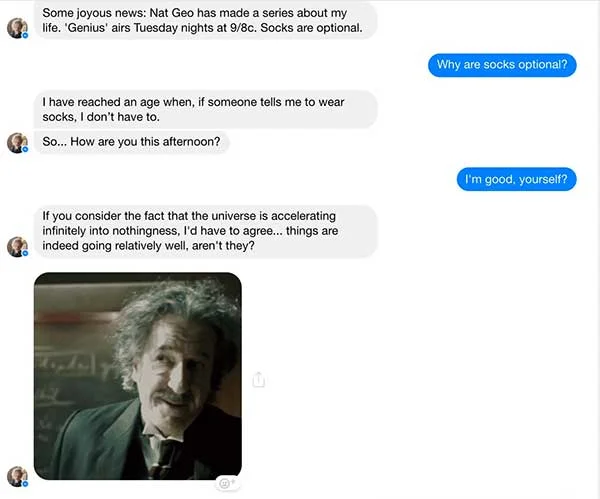
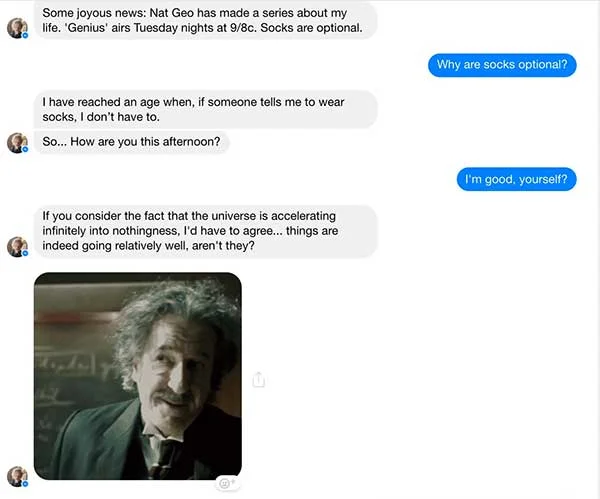
National Geographic launched the “Genius” chatbot to promote a show about Albert Einstein. Developed by 360i, the bot allowed users to converse with a digital version of the physicist. The goal was to make Einstein speak for himself. This approach created an intimate connection between the user and the historical figure. Users could ask questions about space, time, and life. The bot responded in character, providing a natural and immersive experience. Although the bot is no longer active, it set a high standard for character-driven marketing by proving that educational content could be delivered through playful, interactive dialogue.
Marvel took a different approach with its Spider-Man chatbot. This bot offered a choose-your-own-adventure experience on Facebook Messenger. It built hype for the movie release by engaging users in a game. Users received a nickname and unlocked panels of a secret comic. The bot required active participation, asking users to share their location to “report for duty.” This gamified approach turned passive viewers into active participants. It showed how chatbots can drive physical actions, like buying a comic book, by blending digital interaction with real-world rewards.
Why Character-Driven Bots Work
Character-driven bots work because they provide a persona. A generic brand voice can feel cold, but a character like Einstein or Spider-Man has a personality. This personality drives the conversation. Users are more likely to engage with someone they find interesting or funny. The bot becomes a companion in the story, not just a tool for information.
When a brand adopts a character, it lowers the barrier to entry for users. People are naturally curious about stories and personalities. They are less defensive when interacting with a fictional character than when interacting with a corporate sales rep. This psychological shift allows for deeper engagement and longer session times. The character acts as a bridge, making the brand’s message more digestible and memorable.
Best Practices for Narrative Bots
- Stay in Character: Every response must align with the character’s voice, tone, and knowledge base. Breaking character ruins the immersion.
- Keep It Short: Users expect quick, punchy responses. Long paragraphs kill the momentum of a chat.
- Use Visuals: Incorporate images, GIFs, and audio clips to enhance the storytelling. Visuals break up text and make the experience more dynamic.
- Have an Exit Strategy: Allow users to leave the conversation gracefully. Not everyone wants to stay in the story forever, and forcing them can lead to frustration.
Retail and Personalization Bots
Retail brands use chatbots to solve specific problems. The most common problem is choice overload. When faced with too many options, customers can feel paralyzed. A chatbot can guide them through a selection process, asking questions to narrow down choices. This personalization makes the shopping experience easier and more enjoyable. It transforms a potentially frustrating search into a guided discovery.
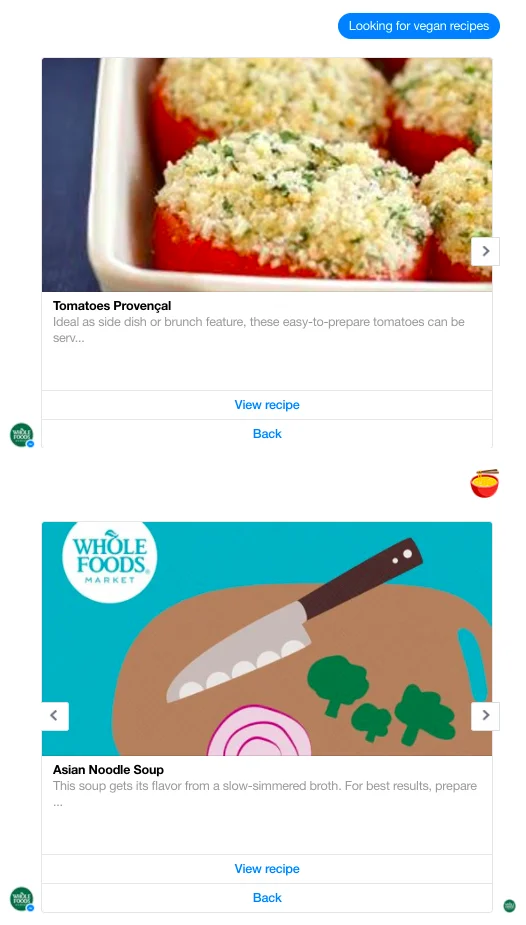
Whole Foods introduced a chatbot that helps users find recipes and products. Users can search for inspiration without leaving the messaging app. The bot asks about dietary restrictions and flavor preferences. It then suggests options that match those criteria. This saves time for busy shoppers. The bot also accepts emoji inputs, allowing for quick and casual interactions. This simplicity makes it easy to use. By integrating directly into messaging platforms, Whole Foods removed the friction of navigating a complex website or app.
Aerie, a lingerie and apparel retailer, created a bot for Kik. The bot plays a “this or that” game with users. Users choose between two product images based on their body type and preferences. After several rounds, the bot recommends products. This interactive approach celebrates body positivity. It makes the shopping process feel like a fun discovery rather than a chore. The bot’s persona aligns with the brand’s values, reinforcing its message. This strategy not only drives sales but also strengthens brand affinity by showing that the brand understands and respects its customers.
The Power of Personalization
Personalization is the core strength of retail chatbots. By asking specific questions, the bot can tailor its recommendations. This creates a sense of being understood. Users appreciate suggestions that fit their needs. It reduces the friction of shopping online. The bot acts as a personal shopper, guiding the user to the right product.
In a crowded market, personalization is a key differentiator. Generic recommendations often miss the mark, leading to cart abandonment. A chatbot that asks about size, style, and budget can provide highly relevant suggestions. This level of detail increases conversion rates and customer satisfaction. It also provides valuable data for the brand, allowing them to refine their inventory and marketing strategies based on real-time user preferences.
Tips for Retail Bot Implementation
- Start with High-Intent Queries: Focus on helping users who are already looking to buy. Answer questions about stock, shipping, and returns.
- Use Visual Menus: Instead of asking users to type out their preferences, provide clickable buttons with images. This reduces cognitive load and speeds up the interaction.
- Integrate with Inventory Systems: Ensure the bot can access real-time stock levels. Nothing frustrates a customer more than being recommended an out-of-stock item.
- Offer Human Handoff: If the bot cannot resolve an issue, provide a seamless way to connect with a human agent. This ensures that complex problems are still solved effectively.
Service and Utility Bots
Some chatbots are designed for pure utility. They help users complete tasks quickly and efficiently. These bots are often used in service industries where speed and accuracy are critical. They reduce the need for human interaction in simple transactions. This allows human agents to focus on more complex, high-value interactions.
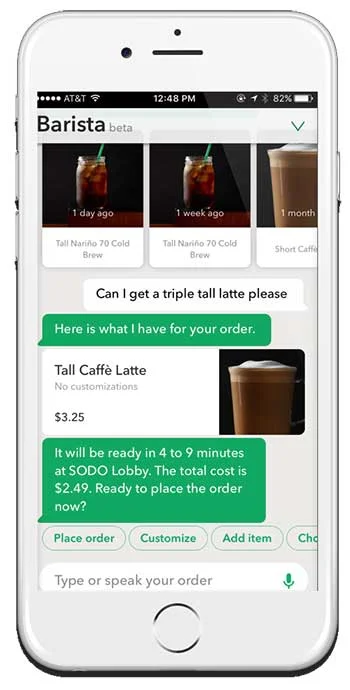
Starbucks launched the Barista bot for Facebook Messenger. Its primary function is to take coffee orders. The bot understands complex requests, such as specific sizes and modifications. This allows users to order coffee with minimal effort. The bot’s ability to handle nuanced orders shows the sophistication of natural language processing. It makes the ordering process seamless for frequent customers. By allowing users to order ahead, Starbucks reduces wait times and improves the overall customer experience.
Duolingo uses a chatbot to help users practice languages. Learning a new language can be intimidating, especially when speaking with native speakers. The Duolingo bot provides a judgment-free environment for practice. Users can converse in various languages within the app. This helps overcome the fear of embarrassment. The bot is always available, offering a convenient way to improve skills. It turns practice into a low-stakes activity. This approach encourages consistent engagement, which is crucial for language learning.
Efficiency and Accessibility
Service and utility bots excel at efficiency. They automate routine tasks, freeing up human agents for more complex issues. They also increase accessibility by providing support at any time. Users do not need to wait for business hours. This convenience enhances the customer experience. It shows that the brand values the user’s time.
In industries like finance, travel, and healthcare, utility bots can handle a wide range of tasks. They can check account balances, book appointments, or provide flight status updates. By automating these repetitive tasks, brands can reduce operational costs and improve response times. This leads to higher customer satisfaction and loyalty.
Designing for Utility
- Clarity is Key: Use clear, concise language. Avoid jargon and ambiguous phrasing. Users want quick answers, not riddles.
- Provide Options: Give users clear choices at each step. This prevents confusion and keeps the conversation on track.
- Confirm Actions: Before completing a transaction, always ask for confirmation. This prevents errors and builds trust.
- Monitor Performance: Track metrics like completion rate and user satisfaction. Use this data to identify areas for improvement.
Content and Recommendation Bots
Content brands use chatbots to help users discover new material. These bots act as curators, suggesting items based on user preferences. They are particularly useful in industries with vast libraries of content, such as publishing. By guiding users to relevant content, brands can increase engagement and retention.
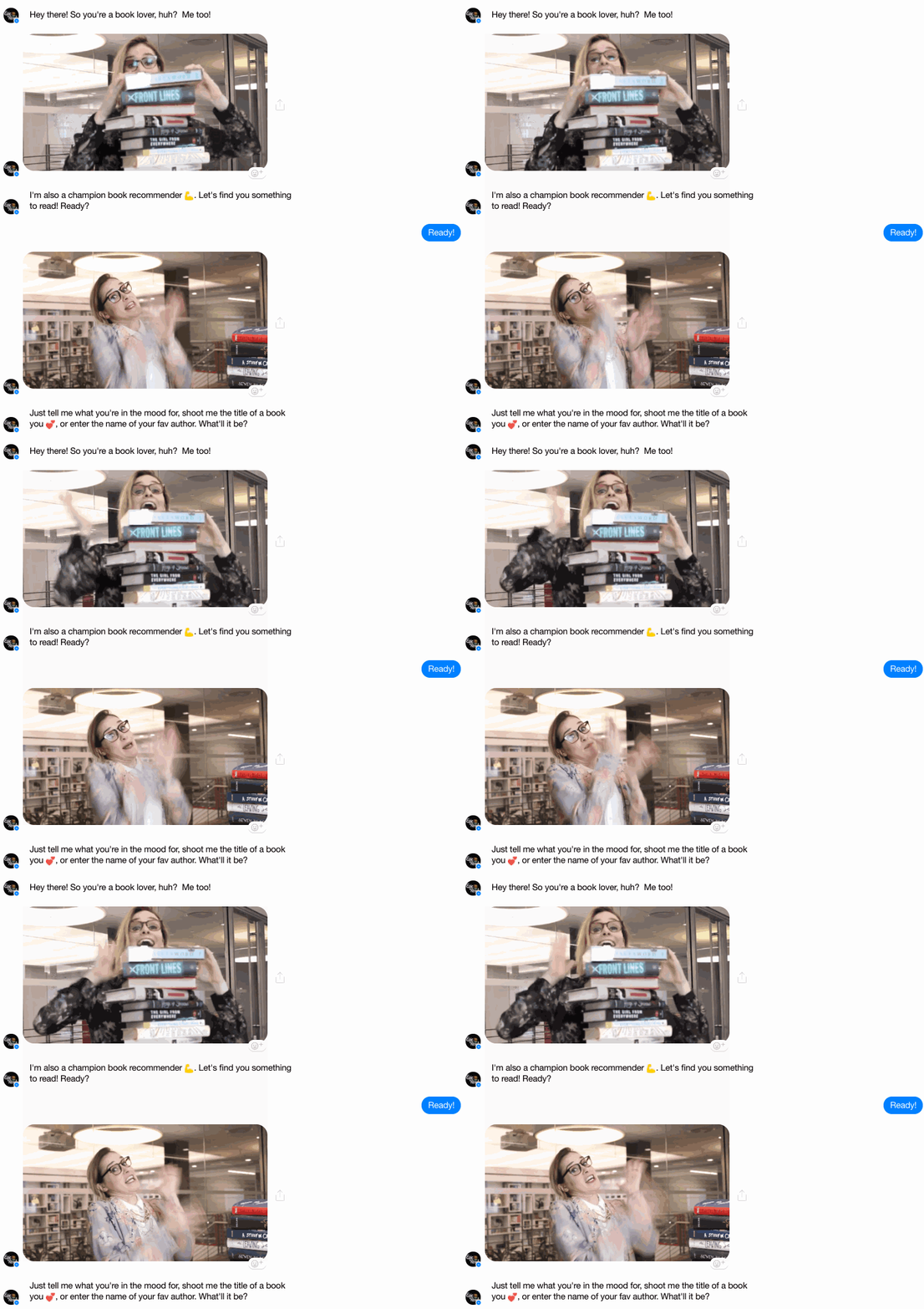
HarperCollins created the Epic Reads chatbot for teens. The bot asks users about their favorite books and genres. It then recommends titles that match their tastes. This helps users find their next read. HarperCollins also launched Book Genie for adult readers. It offers a broader range of suggestions. These bots demonstrate how chatbots can drive engagement with content. They make discovery interactive and personalized. By asking users about their preferences, the bot creates a tailored experience that feels unique to each user.
Curating the Experience
Content recommendation bots solve the problem of information overload. With so much content available, users often struggle to find what they will like. A chatbot can filter this noise. By asking a few questions, it can identify user preferences. This curation adds value to the user’s experience. It positions the brand as a helpful guide.
This approach is not limited to books. News outlets, streaming services, and music platforms can all benefit from recommendation bots. By understanding user preferences, these bots can suggest articles, shows, or songs that are likely to resonate. This increases the time users spend with the brand’s content and improves overall satisfaction.
Strategies for Content Curation
- Ask Open-Ended Questions: Encourage users to share their interests in their own words. This provides richer data for recommendations.
- Use Collaborative Filtering: Recommend content based on what similar users have enjoyed. This leverages the wisdom of the crowd.
- Update Regularly: Keep the content library fresh. Users want new recommendations, not the same old suggestions.
- Explain the Recommendation: Tell users why you are suggesting a particular item. This builds trust and helps them understand the bot’s logic.
Key Takeaways for Marketers
When considering a chatbot for your brand, focus on the user’s needs. What problem can the bot solve? Is it entertainment, shopping, or education? The bot should have a clear purpose. It should also have a distinct voice that aligns with your brand. Avoid making it too human, as this can feel creepy. Instead, be transparent about its nature.
Creative strategy is essential. The bot’s script needs to be engaging. It should capture attention quickly and keep the conversation flowing. Test the bot with real users to see how they interact with it. Use their feedback to improve the experience. Remember that chatbots are a tool for connection. They should enhance the relationship between the brand and the customer.
Steps to Get Started
- Define the Goal: What do you want the bot to achieve? Is it lead generation, sales, or support?
- Know Your Audience: What questions do they have? What tone do they prefer?
- Design the Conversation: Map out the user journey. What prompts will you use?
- Choose the Platform: Where do your users spend time? Facebook Messenger, Kik, or your website?
- Test and Iterate: Launch a beta version and gather feedback. Refine the bot based on user interactions.
Chatbots offer a powerful way to engage customers. They allow for personalization at scale. By learning from these seven brands, you can create a chatbot that resonates with your audience. The key is to balance technology with creativity. Let the bot serve the user, not just the brand. This approach will build trust and loyalty over time.





