Managing a high volume of digital communications requires a refined approach to audience engagement. When your messaging fails to align with the specific interests of your recipients, the result is often ignored emails or high unsubscribe rates. Behavioral targeting tools allow you to move beyond generic outreach by delivering personalized content based on actual user actions, ensuring your efforts resonate with the people you intend to reach.
Behavioral targeting is a marketing strategy that uses data regarding user interaction with your brand—such as website visits, search history, and email engagement—to create more relevant, personalized experiences. By using these insights, you can segment your audience effectively and automate communication flows that respond to the unique needs of each individual. This approach is essential for maintaining visibility in a crowded digital space.
The Core Mechanics of Behavioral Targeting
At its heart, behavioral targeting functions by capturing granular data points across touchpoints. Every click, scroll, and page view acts as a signal of intent. When these signals are aggregated, they form a comprehensive picture of a user’s current interests and potential barriers to purchase. By understanding these patterns, marketers can move away from “batch and blast” tactics that often alienate subscribers.
The primary benefit of this strategy is the significant reduction in churn. When users receive content that directly addresses their recent searches or past interactions, they are far more likely to engage. This relevance builds trust over time, turning casual visitors into loyal customers. Furthermore, the automation of these processes ensures that your team remains productive without sacrificing the quality of the customer relationship.
HubSpot Behavioral Targeting
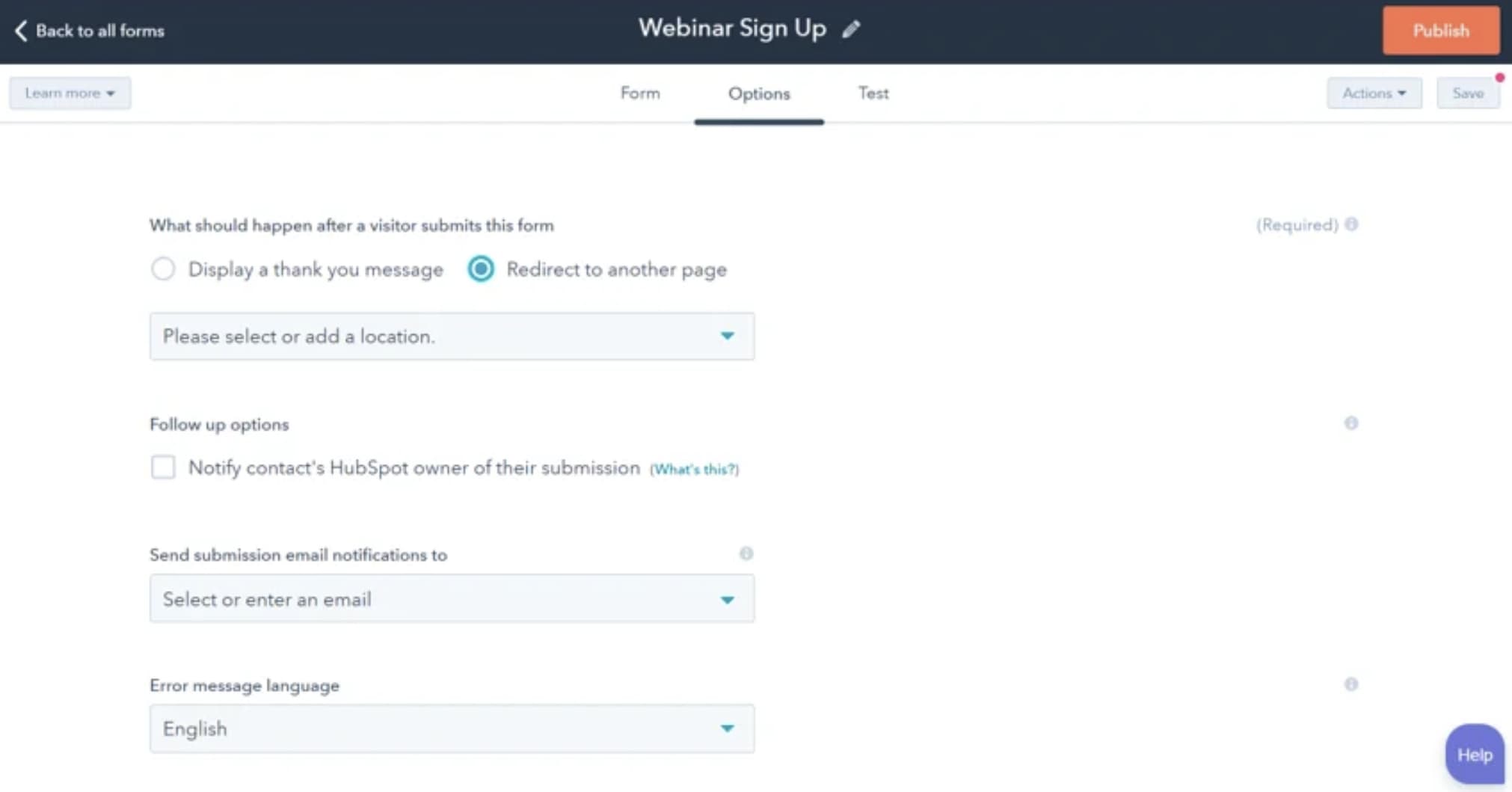
HubSpot Behavioral Targeting is a solution for teams looking to align their content strategy with real-time user intent. By tracking how prospects interact with your website and digital assets, you can build highly specific segments based on persona and engagement levels. This data-driven foundation allows for the creation of personalized site content, tailored email sequences, and automated campaigns that feel timely and relevant.
Key Features and Implementation
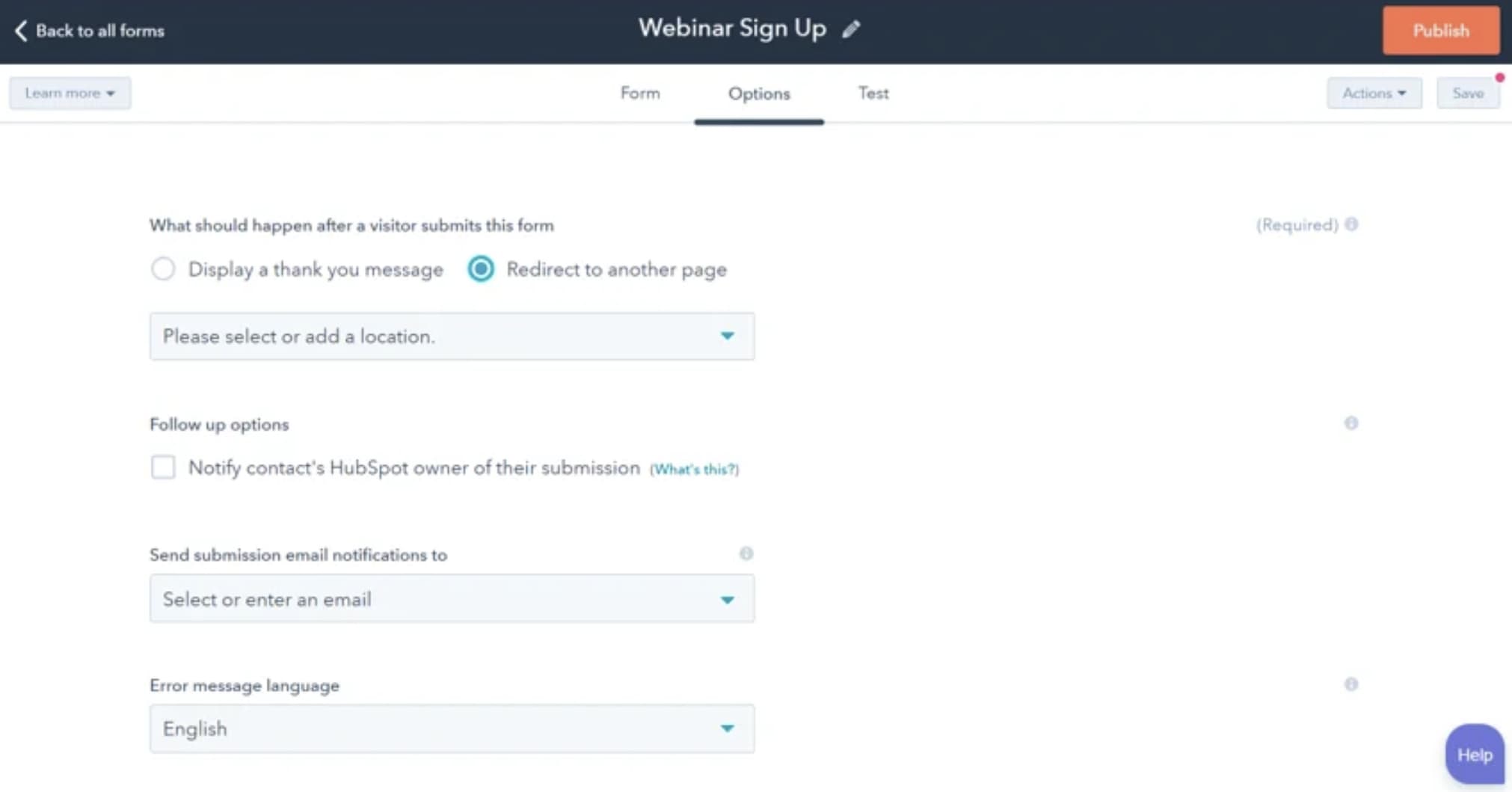
Beyond basic tracking, this tool enables teams to respond to high-intent behaviors such as form submissions and specific web page views. You can integrate contact information directly from your CRM to further customize messages with names, company details, or roles. Custom triggers, such as automated follow-up emails, help ensure that your communication remains consistent with the visitor’s journey.
To implement this effectively, start by auditing your current web pages to identify high-value content. Once identified, set up tracking triggers that segment users based on their consumption of these specific assets. Pricing for these features is tiered within the Marketing Hub, starting with a free version and extending to professional and enterprise plans.
Omnisend
Omnisend provides a platform for organizing users into distinct groups based on their interests, activity, and engagement history. The tool excels in monitoring how users interact with promotional campaigns, tracking clicks, and analyzing email open rates. Additionally, it features web tracking capabilities that offer visibility into how visitors navigate your site, distinguishing between casual browsers and those who fully explore your product listings.
Enhancing Shopping Experiences
One of the primary benefits of Omnisend is its ability to segment contacts based on specific shopping behaviors, such as purchase frequency or product preferences. You can also define custom events, allowing for a high degree of flexibility in how you categorize your audience. Whether you are tracking specific product interests or unique customer attributes like sizes or model preferences, the platform provides the granular data needed to refine your messaging strategy.
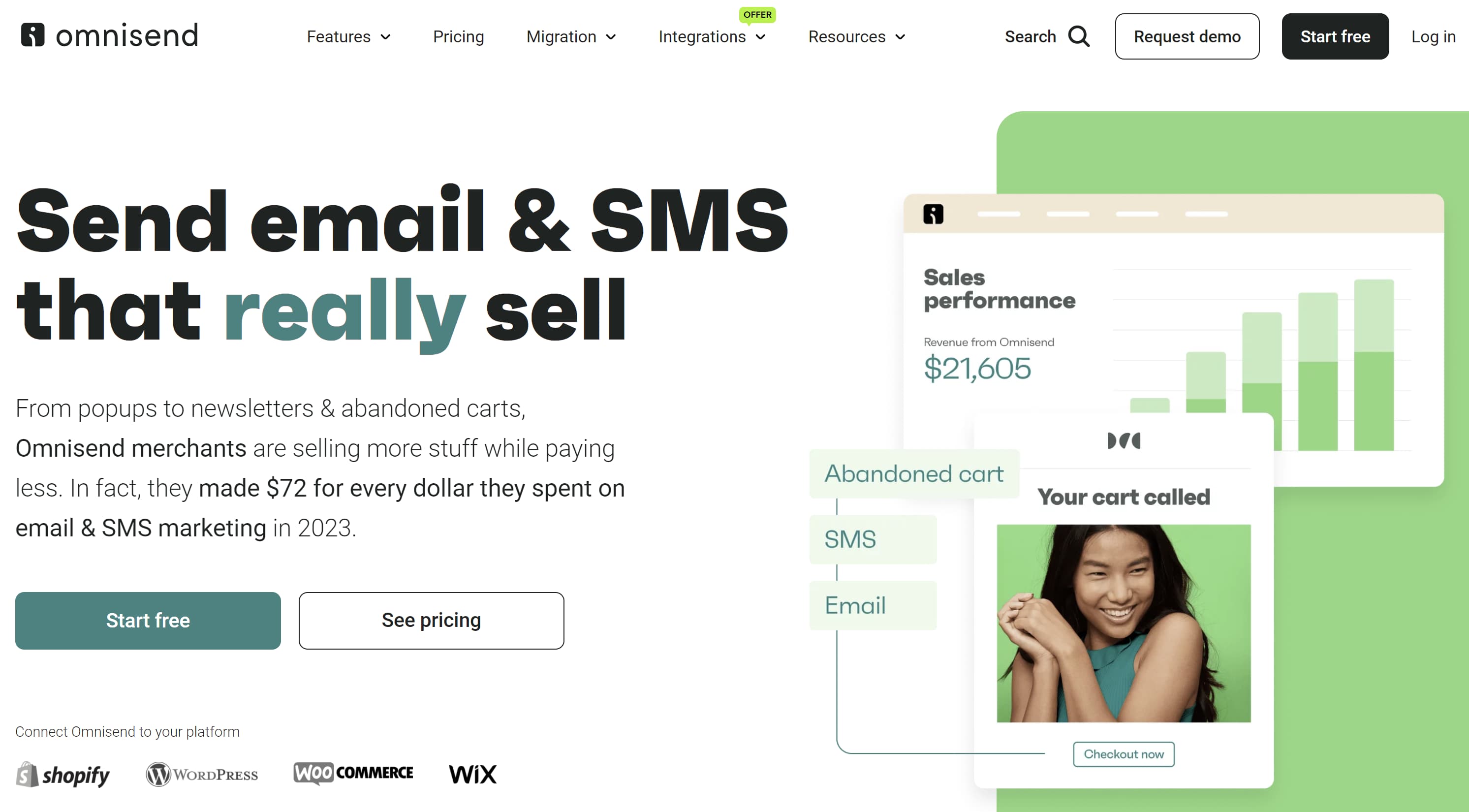
For those just starting, focus on building segments based on “abandoned cart” behavior. This is often the lowest-hanging fruit for increasing conversion rates. By triggering a personalized reminder, you can address the specific item left behind, providing a nudge that feels helpful rather than intrusive. Pricing includes a free version alongside standard and pro tiers.
Klaviyo
Klaviyo focuses on the automation of personalized messaging across multiple channels, including email, SMS, and social media. By setting triggers based on specific customer behaviors—such as abandoned carts or past order history—you can ensure that your communication is always contextually appropriate. This level of customization allows for the creation of welcome sequences, cross-sell campaigns, and re-engagement efforts that speak directly to the customer’s history with your brand.
Multi-Channel Personalization
Beyond behavioral triggers, Klaviyo enables the use of customer data like location proximity and average order value to build segmented experiences. These segments can be applied across various initiatives, including paid ads, sign-up forms, and one-time event sends for product launches or holiday sales.
When managing multi-channel campaigns, consistency is key. Ensure that the tone and offer provided via SMS align with the information shared in your email sequences. This creates a unified brand experience that reinforces the user’s decision to engage. The platform offers a free version, with paid plans starting based on the scope of your email and SMS requirements.
Segment
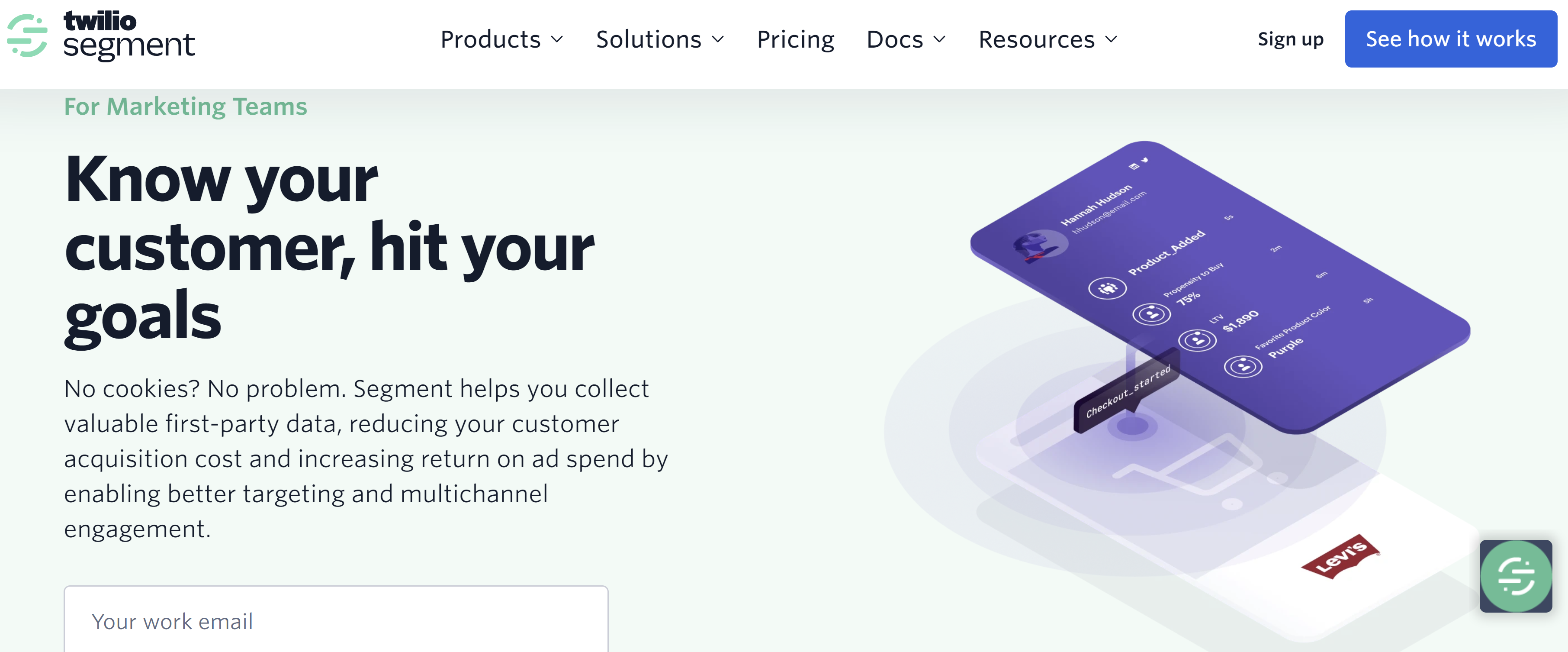
Segment is a customer data platform designed to unify user information and enable precise personalization. It allows you to deliver messages based on behavior, channel, and timing while providing real-time views of customer profiles. By analyzing how likely a user is to convert, you can optimize your offers to align with their current position in the sales funnel.
Data Unification and Accuracy
This tool is particularly useful for teams that need to aggregate data from multiple sources to create a single, actionable view of the customer. By managing the flow of data between your various marketing applications, Segment ensures that your behavioral targeting efforts are supported by accurate, up-to-date information.
A common mistake is allowing data silos to persist, where email data is disconnected from web analytics. Segment eliminates this by acting as a central hub. Before integrating, map out exactly which data points are most critical for your conversion goals to avoid information overload. Pricing options include a free tier for smaller teams, with tiered subscriptions for business users.
Choosing the Right Approach
Behavioral targeting is the practice of segmenting audiences based on their specific digital actions to deliver highly relevant content. When you select a tool, consider the complexity of your data needs and the channels where your audience is most active. For many organizations, the ability to integrate behavioral data with existing CRM or automation platforms is the deciding factor in maintaining a cohesive customer experience.
Practical Steps for Success
- Define Your Goals: Before selecting a tool, determine if your primary objective is lead generation, customer retention, or increasing average order value.
- Audit Your Data: Assess what information you are currently collecting and identify any gaps that prevent effective segmentation.
- Start Small: Do not attempt to automate every interaction at once. Begin with high-impact triggers, such as abandoned cart sequences or welcome series.
- Test and Iterate: Regularly review the performance of your segments. If a specific campaign underperforms, analyze whether the behavioral trigger was too broad or the content was not sufficiently personalized.
- Monitor Privacy: Always ensure your data collection practices align with current regulations. Transparency with your audience builds long-term trust.
As the expectations for personalized digital interactions continue to rise, the tools you choose will play a significant role in your ability to capture and retain attention. Whether you are just beginning to segment your audience or looking to refine your automated triggers, the market offers a range of platforms capable of supporting your goals. The effectiveness of these tools ultimately depends on your ability to interpret the data and translate it into meaningful communication that respects the user’s journey. By focusing on the user’s perspective, you can ensure your marketing strategy remains both effective and respectful of the individual’s time.





