The Critical Role of Headlines in Content Strategy
A headline is often the single most important element of any piece of content. It serves as the primary gatekeeper, determining whether a reader stops scrolling to engage with your message or continues on their way. In an environment where attention is scarce and competition for visibility is intense, the effectiveness of your headline can dictate the success or failure of your entire content marketing effort. We often see that even the most thoroughly researched and well-written articles fail to gain traction if the headline does not effectively communicate value or spark curiosity.

The impact of a headline extends beyond initial clicks. It sets the expectation for the content that follows. When a headline accurately reflects the depth and scope of the article, it builds trust with the audience. Conversely, a misleading or weak headline can lead to high bounce rates and a negative perception of the brand. For businesses looking to establish authority and drive meaningful engagement, mastering the art of headline writing is not just a creative exercise—it is a strategic necessity. We believe that clear, compelling headlines are the foundation of effective communication in the digital space.
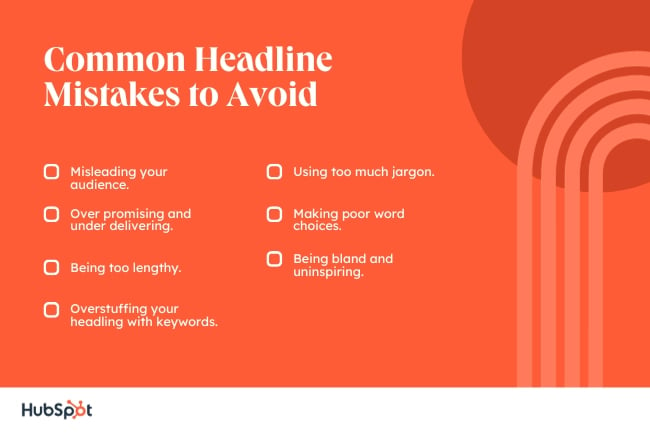
Understanding the common pitfalls in headline creation allows you to avoid them proactively. By recognizing these mistakes, you can refine your approach and ensure that your content resonates with your target audience. The following sections detail the most frequent errors we observe in headline writing and provide practical strategies for correction.
Misleading and Overpromising Headlines
One of the most damaging mistakes a content creator can make is misleading the audience. This often takes the form of clickbait—headlines that promise dramatic or surprising content that the article does not deliver. For example, a headline might suggest a shocking revelation or a life-changing secret, only for the body of the article to offer generic advice. This bait-and-switch tactic may generate initial clicks, but it erodes trust quickly. Readers who feel deceived are unlikely to return to your site, and they may share their negative experience with others, damaging your brand’s reputation.
A related issue is overpromising and underdelivering. This occurs when a headline uses superlative language, such as “Ultimate Guide” or “Complete Handbook,” for content that is actually quite brief or superficial. If an article is only a few hundred words long, it is unlikely to be the definitive resource on the topic. Using such grandiose terms sets unrealistic expectations. When readers discover that the content is not as comprehensive as promised, they feel let down. This discrepancy between promise and delivery can significantly impact user satisfaction and engagement metrics.
To fix these issues, focus on accuracy and honesty. Your headline should reflect the actual content of the article. If you are offering a quick tip, label it as such. If you are providing a deep dive, ensure the content supports that claim. You can still use curiosity-driven language, but it must be grounded in reality. For instance, instead of “You’ll Never Guess What Happens Next,” consider “How a Simple Change Improved Our Results by 20%.” This approach maintains interest while setting clear expectations. By aligning your headline with the content, you build credibility and foster long-term relationships with your audience.
Length and Keyword Optimization
Another common mistake is creating headlines that are too lengthy. While it is important to include key information, overly wordy headlines can overwhelm readers and dilute the core message. A headline like “10 Incredibly Effective Strategies for Boosting Open Rates and Click-Through Rates by 50% in 30 Days” is difficult to parse quickly. Readers may lose interest before they even understand the main point. Conciseness is key to capturing attention in a fast-paced digital environment. A shorter headline is easier to read, remember, and share.
On the other end of the spectrum, some creators fall into the trap of keyword stuffing. In an attempt to improve search engine visibility, they pack the headline with as many keywords as possible. For example, a guide on social media might be titled “How to Use Facebook, Instagram, and LinkedIn for Marketing and Growth.” This approach not only makes the headline clunky and unnatural but also risks penalization by search algorithms that prioritize user experience. Modern search engines, including those powered by artificial intelligence, favor content that is relevant and readable, not just keyword-dense.
To address these issues, aim for a balance between clarity and optimization. Focus on one primary keyword or phrase that best represents the content. Then, craft a concise, engaging headline around that keyword. Remove any unnecessary words or phrases that do not add value. For example, instead of the long-winded example above, you might use “10 Strategies to Boost Your Email Open Rates.” This headline is shorter, clearer, and still includes the key topic. By prioritizing readability and relevance, you create headlines that perform well both for users and search engines.
Jargon and Word Choice
The use of excessive jargon is another pitfall that can alienate your audience. While technical terms are necessary in some contexts, overusing them can make your content inaccessible to a broader audience. If you are writing for a general business audience, using industry-specific slang or complex terminology can confuse readers and reduce engagement. Even if your target audience consists of industry insiders, they may appreciate clear, straightforward language that gets to the point quickly. Jargon can also make your content feel pretentious or out of touch, which can negatively impact your brand’s perception.
Poor word choice is a subtler but equally important issue. The words you choose can significantly affect the tone and meaning of your headline. For example, a headline that says “Stop Wasting Your Workday” might imply that the reader is currently being unproductive, which could be off-putting. A more positive framing, such as “Maximize Your Workday with These Tools,” conveys the same message but in a more encouraging way. Word choice also affects the emotional resonance of your headline. Strong, active verbs and specific nouns can make your headline more compelling and memorable.
To improve your headlines, consider your audience’s level of familiarity with the topic. Write in a way that is accessible to someone who is new to the subject, while still providing value to experts. Avoid jargon unless it is essential and clearly defined. Pay attention to the tone and connotation of your words. Choose language that is positive, clear, and engaging. Testing different word choices can help you find the most effective phrasing. By focusing on clarity and accessibility, you ensure that your content reaches and resonates with a wider audience.
Avoiding Bland and Uninspiring Headlines
Finally, a common mistake is creating headlines that are bland and uninspiring. These headlines fail to capture the reader’s attention or convey any sense of value. For example, a headline like “7 Companies to Follow on Social Media” is factual but lacks excitement. It does not tell the reader why they should care or what they will gain from reading the article. In a crowded digital landscape, bland headlines are easily overlooked. To stand out, your headlines need to be engaging, relevant, and intriguing.
To fix this, push yourself to create headlines that are both accurate and compelling. Use numbers, questions, or strong adjectives to add interest. For instance, instead of the bland example above, you could use “7 Social Media Accounts That Will Transform Your Marketing Strategy.” This headline promises specific value and creates a sense of urgency. It also hints at the transformative power of the content, which can motivate readers to click. Experiment with different formats and styles to find what works best for your audience. Remember that a good headline should not only attract clicks but also deliver on its promise.
.png?width=112&height=112&name=Image%20Hackathon%20%E2%80%93%20Horizontal%20(28).png)
Creating engaging headlines is a skill that improves with practice. It requires a deep understanding of your audience, your content, and the competitive landscape. By avoiding the common mistakes outlined in this article, you can create headlines that drive traffic, build trust, and enhance your brand’s visibility. We encourage you to review your existing content and identify areas for improvement. Small changes to your headlines can have a significant impact on your overall content performance.
Practical Steps for Headline Improvement
Improving your headlines does not require a complete overhaul of your content strategy. Instead, it involves making thoughtful adjustments to your writing process. Start by auditing your current headlines. Look for patterns in what works and what does not. Identify any instances of misleading language, excessive length, or keyword stuffing. Use this analysis to inform your future headline creation. Consider using tools that can help you analyze the readability and impact of your headlines.
Next, focus on clarity and conciseness. When drafting a headline, ask yourself if every word is necessary. Can you convey the same message with fewer words? Is the primary keyword clearly stated? Is the value proposition obvious to the reader? These questions can help you refine your headline and ensure that it is both engaging and informative. Additionally, consider the emotional tone of your headline. Does it evoke curiosity, urgency, or excitement? Does it align with your brand’s voice and values?
Finally, test and iterate. Headline optimization is an ongoing process. Use A/B testing to compare different headlines and see which ones perform better. Analyze the data to identify trends and insights. Use these insights to refine your approach and improve your results over time. By continuously testing and learning, you can develop a deeper understanding of what resonates with your audience. This data-driven approach can help you create headlines that consistently drive engagement and support your business goals.
In summary, headlines are a powerful tool for capturing attention and driving engagement. By avoiding common mistakes and focusing on clarity, accuracy, and engagement, you can create headlines that effectively communicate the value of your content. We believe that investing time and effort into headline optimization is a worthwhile endeavor for any business looking to succeed in the digital age. As you continue to refine your content strategy, keep these principles in mind. They will help you create headlines that not only attract readers but also build trust and loyalty with your audience.





