The first few minutes of any presentation represent a critical juncture for your brand’s authority. Learning how to start a presentation effectively determines whether your audience remains engaged or checks out early. Think of your opening as the trailer for a film; if it fails to capture interest immediately, the audience will likely disengage before you reach your core message. By mastering these opening strategies, you ensure your expertise is heard and your message resonates.

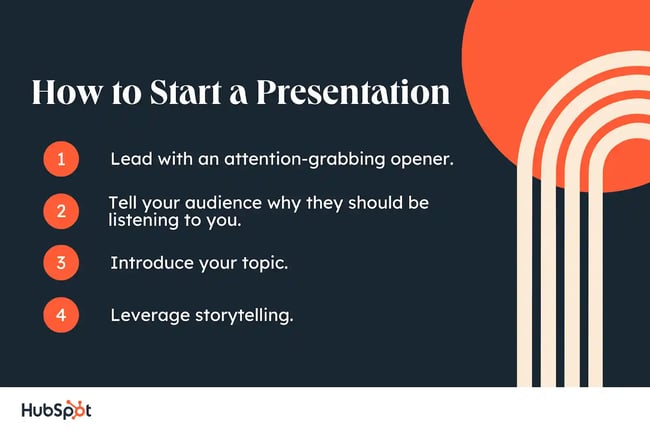
Strategies for an Impactful Opening
Successful presentations often share common structural elements that help speakers build rapport and establish credibility. You do not need a one-size-fits-all script, but you do need a framework that respects your audience’s time and intelligence. Implementing a clear strategy allows you to move past the awkwardness of the first few seconds and into a position of influence.
Lead with Curiosity
Capturing attention is often the most difficult task for a speaker. Instead of leading with your resume or a standard list of accolades, consider defying expectations. When a speaker opens by admitting a failure or sharing a counterintuitive fact, they create an immediate sense of intrigue. This shift in tone compels the audience to pay closer attention because the narrative arc feels authentic rather than rehearsed.
To execute this, identify a “hook” that contradicts common industry wisdom. By presenting a problem that seems unsolvable or a statistic that surprises your listeners, you force them to lean in. This curiosity gap is a powerful psychological tool; the human brain is wired to seek closure, and by introducing a mystery early on, you ensure the audience stays with you until you provide the answer.
Establish Your Credibility
Once you have captured the room’s attention, you must justify why you are the right person to speak on the topic. Highlighting relevant personal experience or professional credentials serves as a bridge of trust. Whether you are a researcher, an entrepreneur, or a subject matter expert, clearly stating your background helps the audience understand the value of your insights.
When you position yourself as a credible authority, you reinforce the audience’s confidence in the information you provide. Avoid the mistake of listing every achievement; instead, focus on the specific experience that makes you uniquely qualified to solve the problem at hand. This targeted approach builds respect without feeling like a self-serving promotion.
Define the Value Proposition
Your audience is constantly asking, “What is in this for me?” An effective opening explicitly answers this question. By clearly stating the benefits or the specific knowledge they will gain, you provide a compelling reason for them to invest their time. This is not about selling a service, but about respecting the audience’s investment in your session.
When you align your content with their needs, you create a stronger connection. Start by identifying the primary pain point your audience faces and promise a resolution by the end of your talk. When you frame your presentation as a solution to their specific challenges, you transform from a speaker into a partner.
Utilize Storytelling
Stories function as a bridge between abstract concepts and real-world application. A well-placed anecdote can humanize a complex topic and make your message more memorable. By sharing a personal challenge or an observation about the world, you provide a narrative hook that keeps listeners invested.
This approach transforms a standard lecture into an immersive experience that resonates on a personal level. To do this effectively, ensure your story has a clear beginning, middle, and end, and that it directly relates to the theme of your presentation. By using characters and specific sensory details, you help the audience visualize the situation, making your data and arguments much more impactful.
Designing Your Opening Slide
Your opening slide acts as the visual anchor for your presentation. It should not merely repeat your title; it should set the stage for the narrative you are about to build. A well-designed slide provides visual context that complements your verbal opening, ensuring that the audience’s eyes and ears are aligned.
| Strategy | Best Use Case |
|---|---|
| Addressing Change | Topics involving infrastructure or policy shifts |
| Highlighting Trends | Introducing emerging or disruptive technology |
| Providing Data | Briefings that require context before findings |
| Establishing Identity | Sales meetings or investor pitches |
Addressing Disruption
For presentations regarding new or disruptive technology, your slide should reflect the magnitude of the change. Using bold imagery or a strong, singular statement can set the tone immediately. This approach works well when you need to pique curiosity about how a new tool or trend will impact the status quo.
It signals to the audience that the content is timely and relevant. When using this style, keep text to an absolute minimum. Let the imagery do the heavy lifting, as a single, powerful photograph or chart can communicate more than a paragraph of bullet points ever could.
Contextualizing Findings
If your presentation involves data, your opening slide should prime the audience by providing necessary context. Rather than diving straight into raw numbers, explain the methodology and the scope of your research. This builds credibility and helps the audience understand why the findings are significant.
When you front-load this context, you make the subsequent data points much easier to digest. Use your opening slide to highlight the “why” behind the research. By framing the data within a larger narrative, you ensure that the audience understands the implications of your findings from the very beginning.
Practical Steps for Visual Impact
To ensure your slides remain effective, follow these simple guidelines:
- Keep the design clean and uncluttered.
- Use high-quality, relevant imagery that supports your message.
- Limit the amount of text to ensure the audience listens to you rather than reading the screen.
- Ensure your branding is consistent, but not distracting.
Best Practices for Delivery
Delivering a presentation is as much about your presence as it is about your content. The most effective speakers lean into their unique personality rather than trying to fit a specific mold. By focusing on your delivery, you can ensure that your message is not just heard, but felt by the entire room.
Embrace the Power of Silence
Many speakers feel an urge to fill every second with speech. However, silence is a powerful tool for emphasis. Allowing the audience a moment to process your opening statement demonstrates confidence and control. It shows that you are not rushing through your material, but rather delivering it with intention.
Use pauses to let important points land before moving to the next section. When you stop speaking, the audience is forced to focus on the last thing you said. This creates a natural rhythm that prevents your presentation from feeling like a monotonous stream of information.
Engage the Entire Room
Engagement is physical. From the moment you step onto the stage, ensure you are making eye contact with different sections of the audience. This simple action creates an inclusive environment where individuals feel seen and valued. When you physically turn to face different parts of the room, you break down the barrier between speaker and listener, fostering a more personal connection.
Avoid the common mistake of focusing only on the front row or the person who seems most interested. By scanning the room, you pick up on non-verbal cues from your audience, allowing you to adjust your energy or pacing as needed. This responsiveness keeps the audience alert and involved throughout the entire session.
Keep the Opening Concise
Efficiency is the hallmark of a professional presenter. While you want your opening to be substantive, you should aim to get to the core of your presentation quickly. Most effective openings last under three minutes, with many coming in under one minute. A concise opening respects the audience’s time and ensures you have enough runway to cover the meat of your presentation.
A long, rambling intro often results in audience fatigue before you even reach your main points. By trimming the fluff and getting straight to the point, you demonstrate that you value the audience’s attention. Every word in your opening should serve a specific purpose, whether it is to hook the audience, establish your credibility, or define the scope of your talk.
Lean Into Authenticity
There is no single “correct” way to be a presenter. The most impactful speakers are those who remain authentic to their own voice and style. Whether you prefer a humorous, high-energy approach or a calm, conversational tone, stay true to who you are. Audiences can sense when a speaker is mimicking someone else, and they are far more likely to trust a speaker who communicates with genuine personality.
When you are authentic, you are more relaxed, which in turn makes the audience more comfortable. If you make a mistake, don’t try to hide it; acknowledge it and move on. This honesty builds more rapport than a perfectly polished, robotic delivery ever could.
Solicit Participation
Asking a question at the start of your presentation is a proven way to shift the audience from passive listeners to active participants. It encourages them to think about the topic before you even reveal your core thesis. By soliciting feedback or asking for a show of hands, you create a shared experience that makes the rest of your session more collaborative.
This establishes a baseline of engagement that is much easier to maintain throughout your talk. When you ask a question, ensure it is open-ended or easy to answer. The goal is not to put anyone on the spot, but to get them thinking. Once they have made a small investment in the conversation, they are much more likely to remain engaged until the end.





