B2B ecommerce is a thriving industry. With annual growth consistently exceeding 10%, global B2B ecommerce sales are projected to surpass $3 billion by 2027. Despite these impressive figures, the transition from B2C to B2B models presents distinct challenges that require a fundamental shift in strategy. Selling to a business is fundamentally different from selling to an individual consumer, requiring a more nuanced approach to relationships, pricing, and long-term value.

At its core, B2B ecommerce is the digital exchange of goods or services between businesses, such as manufacturers, wholesalers, and professional service providers. Unlike B2C, where the focus is often on rapid, impulsive transactions, B2B ecommerce is designed to facilitate the ongoing supply of equipment, raw materials, or software that businesses need to function. Success in this space relies on understanding the unique operational requirements of your business customers and tailoring your digital presence to meet those specific needs.
Understanding the B2B Ecommerce Buying Cycle
One of the most significant differences between B2B and B2C models is the complexity and length of the buying cycle. While a consumer might purchase a product in minutes, a B2B transaction often spans several months, typically ranging from three to nine months depending on the industry. This extended timeline occurs because B2B purchases rarely involve a single decision-maker; instead, they often require consensus from an entire team or department.
Because you are essentially selling to a group of stakeholders, your strategy must account for multiple, sometimes conflicting, internal challenges. Patience is a necessity here. You aren’t just closing a sale; you are nurturing a partnership that requires consistent engagement and clear communication throughout the vetting process. Flexibility is your greatest asset, as you must be prepared to address the specific technical or financial hurdles that your prospects encounter during their internal approval process.
Prioritizing Order Value over Volume
In B2C environments, success is often measured by the total number of units sold. Conversely, B2B ecommerce prioritizes average order value (AOV). Industry data indicates that the average B2B order value sits near $491, significantly higher than the $147 average observed in B2C transactions. This disparity reflects the prevalence of bulk purchasing and wholesale contracts that define the B2B landscape. Each individual sale carries more weight, meaning your platform must be built to support high-volume transactions and complex inventory management.
The Complexity of B2B Pricing
Pricing transparency is another area where B2B and B2C diverge sharply. B2C shoppers generally expect fixed, public prices. In the B2B sector, pricing structures are often fluid, dictated by volume discounts, specific contract terms, or ongoing negotiations between parties. This makes the implementation of an ecommerce platform challenging, as you must balance the need for a user-friendly interface with the requirement to display dynamic, account-specific pricing. Providing a space where clients can access their negotiated rates is a standard expectation in high-functioning B2B portals.
Practical Steps for Pricing Accuracy
To manage these complexities, businesses should implement tiered pricing models that automatically adjust based on the user’s login credentials. Ensure that your system can handle bulk quantity breaks and custom catalog views. By automating these processes, you reduce the administrative burden on your sales team while ensuring that buyers receive accurate, contract-compliant quotes without manual intervention.
Managing Onboarding and Retention
Because B2B products often involve greater technical complexity, the onboarding process is frequently more involved than in B2C markets. In some specialized industries, this integration phase can last up to three months. While this might seem like a barrier, it is actually an opportunity to demonstrate expertise. A well-managed onboarding experience allows you to provide value through comprehensive support, setting the stage for a long-term, mutually beneficial relationship.
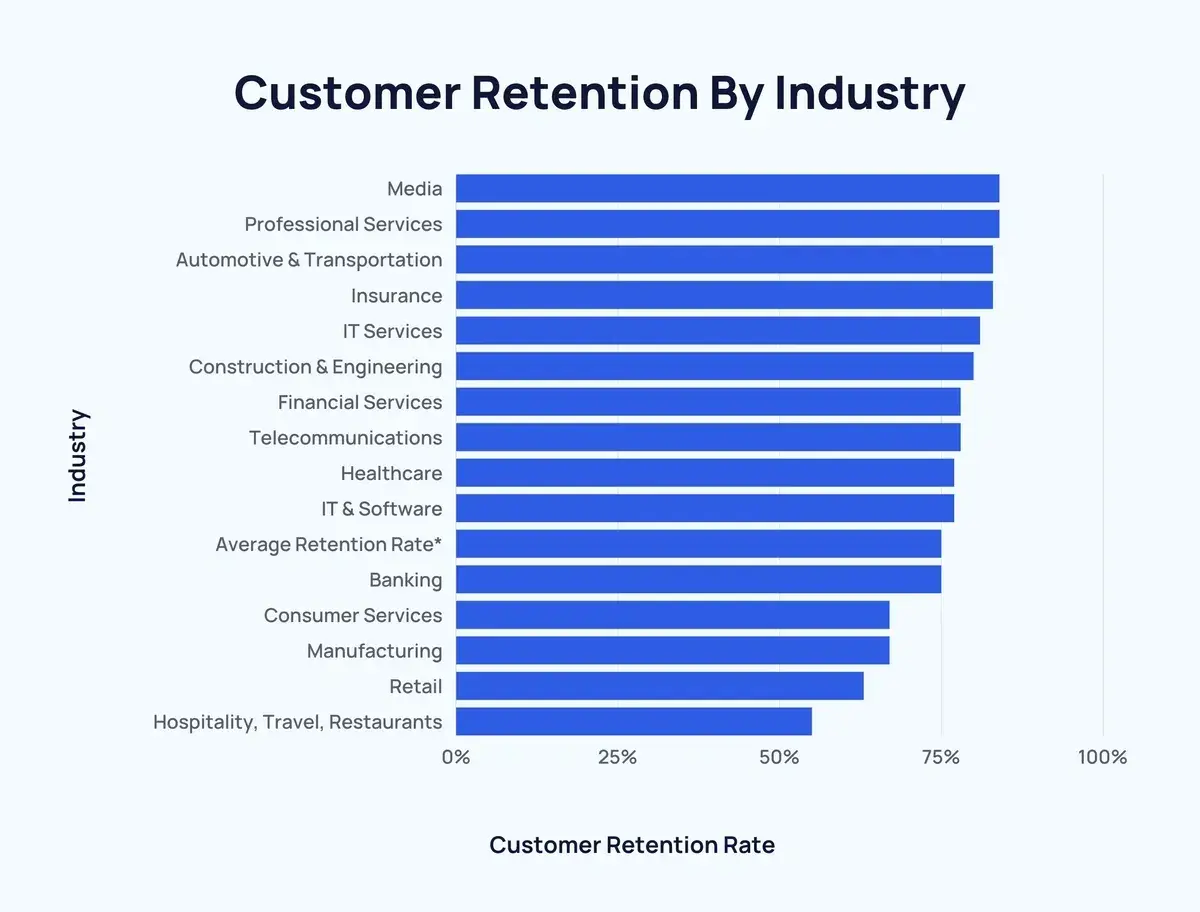
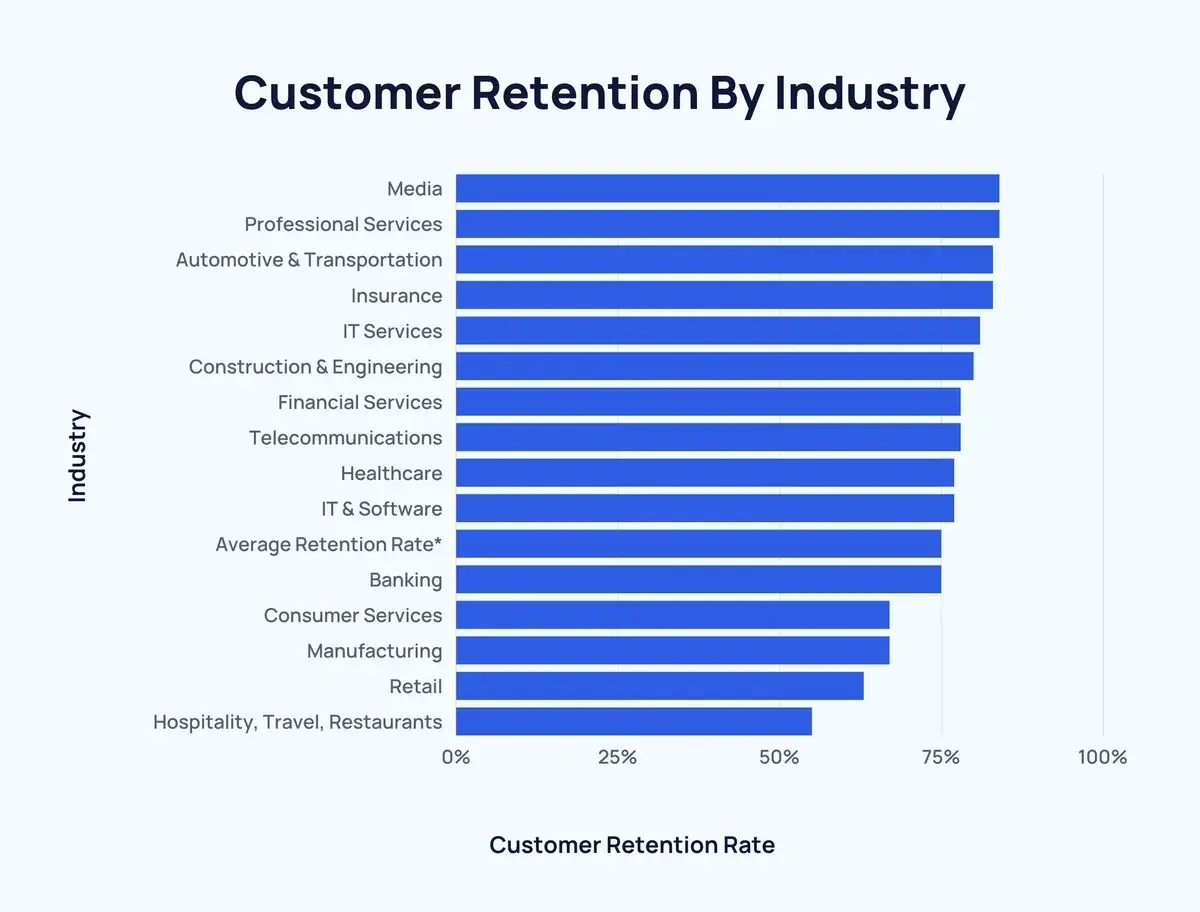
Customer retention is a cornerstone of the B2B model. Given the high cost of acquisition and the lengthy sales cycles, holding onto existing clients is vital for profitability. Data from sectors like manufacturing shows strong retention rates, often hovering around 67%, while SaaS companies frequently see median gross retention rates near 91%. These figures highlight that B2B commerce is a marathon, not a sprint. Your digital strategy should focus on tools that foster ongoing loyalty and make reordering or renewing services as frictionless as possible.
Building Long-Term Value
Retention is driven by consistency and reliability. By offering self-service portals where clients can track order history, manage recurring subscriptions, and access technical documentation, you empower them to solve problems independently. This reduces the friction in their daily operations, which in turn reinforces their reliance on your brand as a primary supplier.
Onboarding Best Practices
Establish a structured communication plan that triggers at the moment of purchase. Provide video tutorials, dedicated account management contacts, and clear milestones for integration success. When a client feels supported during the initial setup, the likelihood of churn decreases significantly in the subsequent months.
Essential B2B Ecommerce Channels
Understanding the various channels through which B2B commerce occurs is the first step toward building an effective strategy. Each channel serves a different purpose within the supply chain and requires a tailored approach to digital marketing and sales operations.
Wholesale and Manufacturing
Wholesale remains a primary B2B model, where goods are sold in bulk to other businesses at a discount. These businesses then retail the products to consumers at a markup. Manufacturers represent another critical sector, creating products from raw materials. While many manufacturers sell directly, others leverage distributors to expand their reach. Distributors act as the bridge between the factory floor and the end customer, utilizing ecommerce marketing to drive visibility for the manufacturer’s catalog.
Marketplaces and SaaS
B2B marketplaces have become a dominant force in the digital economy. These platforms, such as Amazon Business or specialized industry portals like DesignRush, function as centralized hubs where businesses can source products or services. Additionally, the Software-as-a-Service (SaaS) model has transformed B2B ecommerce. By charging recurring monthly or annual fees for software access, companies create predictable revenue streams and establish deep, long-term technical integrations with their client base.
Choosing the Right Channel
When selecting a channel, consider the nature of your product and the buying habits of your target demographic. High-volume, low-complexity goods are often best suited for marketplaces, while specialized or high-cost equipment may require a dedicated direct-to-business portal. Evaluate your capacity to manage inventory and logistics across these different environments to ensure a consistent brand experience.
Marketing Strategies for B2B Success
Effective B2B ecommerce marketing requires a departure from the mass-market tactics used in B2C. Because your audience is narrower and your sales cycle is longer, your marketing must focus on precision, personalization, and education.
Implementing Email Nurture Campaigns
B2B sales cycles require active engagement. If a prospect visits your site during the research phase, you need a way to maintain brand visibility until they are ready to purchase. Email nurture campaigns are highly effective here. By using tools to identify potential customers who have engaged with your site, you can initiate personalized follow-up sequences. Integrating these leads into an ESP allows you to deliver relevant content at the right time, keeping your business top-of-mind throughout their multi-month decision-making process.
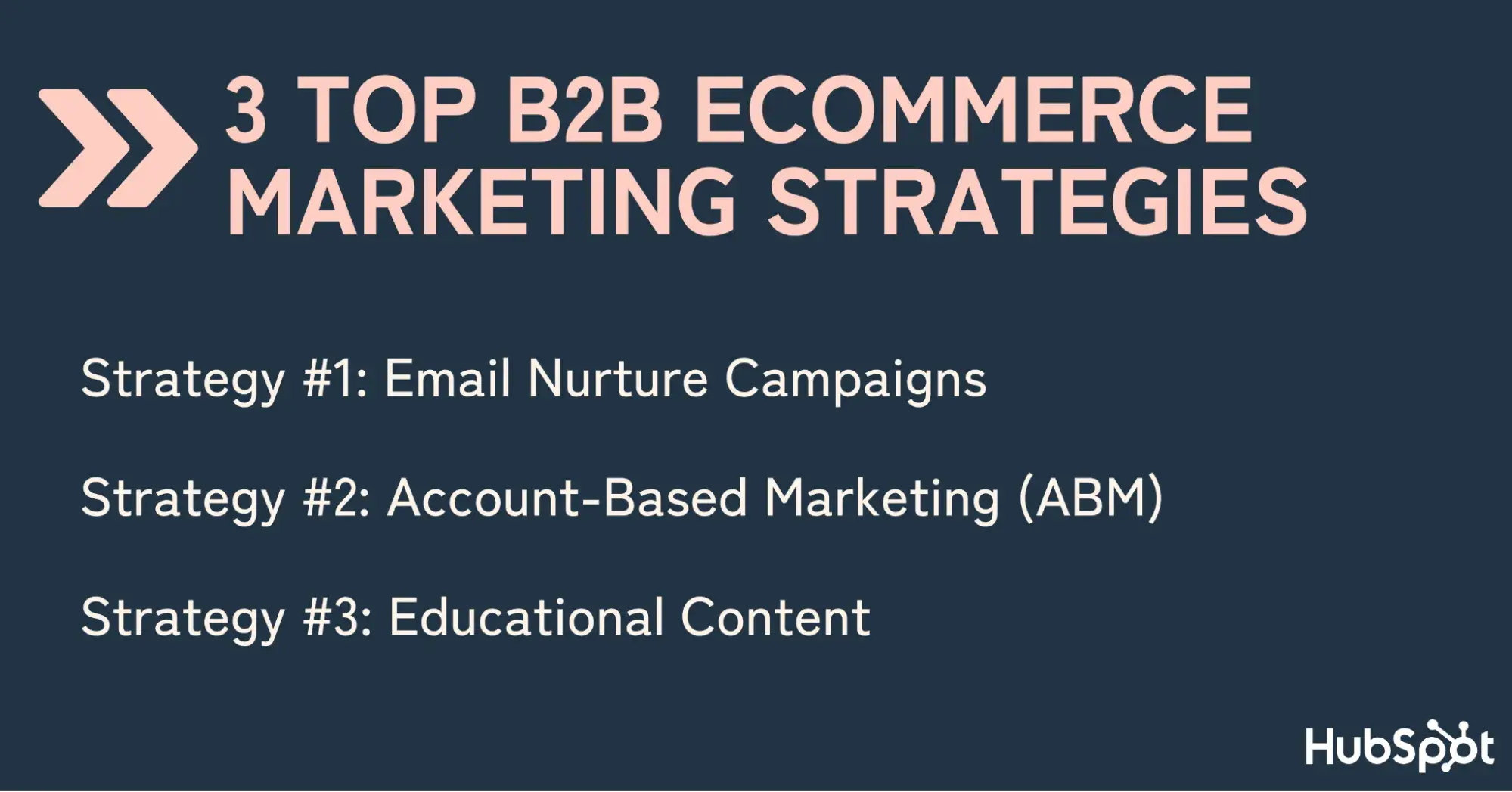
Account-Based Marketing (ABM)
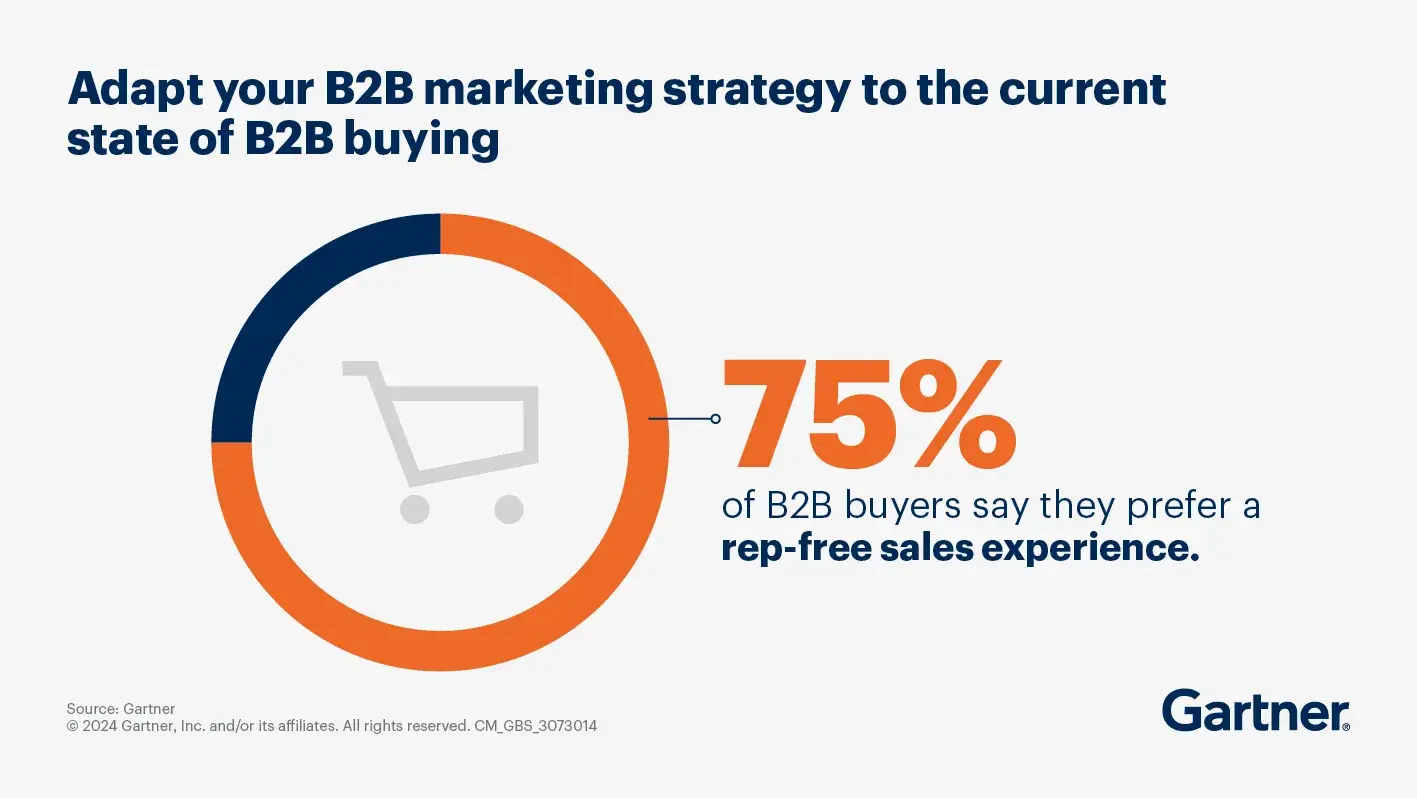
Account-based marketing is increasingly popular for high-value accounts. Since roughly 75% of B2B buyers now prefer self-service experiences over direct sales interactions, your digital presence must be highly informative and tailored. ABM allows you to create a personalized content cadence for specific stakeholders. Instead of generic feature-selling, you should focus on problem-solving. By demonstrating that you understand their unique pain points before asking for a commitment, you build the trust required to win large, complex contracts.
This chart illustrates that the majority of modern B2B buyers prefer to manage their own research and purchasing processes, highlighting the need for robust, self-service digital platforms.
Educational Content as a Differentiator
B2B buyers are risk-averse; they need proof that your solution works before they invest. Educational content is the best way to provide this evidence. Case studies, ROI calculators, and industry-specific guides serve as tangible proof of your expertise. Successful marketing campaigns often involve segmenting landing pages by industry, ensuring that a healthcare buyer sees different messaging and testimonials than a logistics manager. When you can speak the specific language of a sector, you demonstrate that your business is a partner that truly understands their world.
Content Strategy Checklist
To effectively deploy these strategies, ensure your content library includes:
- In-depth white papers addressing common industry pain points.
- Interactive ROI calculators that allow prospects to visualize savings.
- Video testimonials from existing clients within the same vertical.
- Detailed product specification sheets that satisfy technical stakeholders.
Learning from Industry Leaders
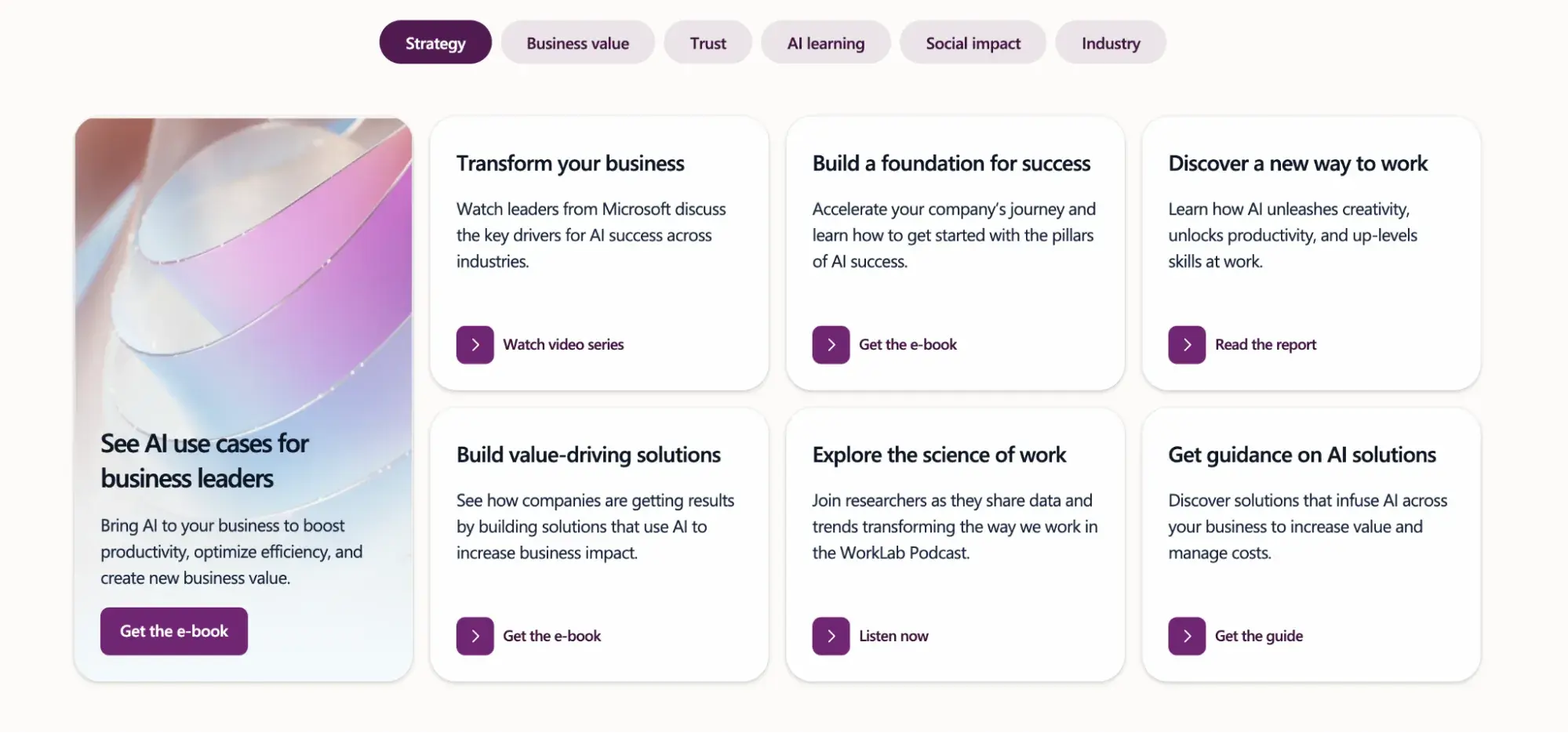
To see these principles in action, consider how top-tier organizations approach their B2B presence. Microsoft, for instance, utilizes industry-specific landing pages to break down complex AI solutions into actionable benefits for leaders in finance, healthcare, and education. This approach effectively translates technical features into business outcomes, such as increased productivity and efficiency.
Faire is another excellent example of a platform that understands its market. By focusing on independent retailers and organizing products by categories and brand values, Faire creates an intuitive experience that feels curated rather than industrial. Meanwhile, companies like Grainger provide a masterclass in functional design by implementing bulk order features that mimic traditional, in-store procurement pads, making the transition to digital ordering simple for industrial buyers.
Finally, Shopify utilizes its own blog and social media platforms to deliver highly specific educational content. By showing merchants exactly how to optimize their shipping strategies for holiday spikes, they position their platform as an essential tool for business growth. These examples collectively demonstrate that B2B ecommerce success isn’t about replicating B2C tropes; it is about building a digital environment that respects the complexity, the professional nature, and the long-term value of the business-to-business relationship.
Final Thoughts on B2B Strategy

While the channels, pricing structures, and sales cycles differ from the consumer world, the fundamental principles of B2B ecommerce remain grounded in the same reality: you are serving a human audience with professional goals. When you take the time to understand their pain points, their perceived value, and their need for a reliable partner, you can build an ecommerce experience that doesn’t just process orders, but actively contributes to their success. Whether you are a manufacturer, a distributor, or a service provider, the goal is to align your digital strategy with the specific, long-term needs of your business customers.





