Why Startups Need SEO in 2024
Search engine optimization (SEO) for startups often feels like a massive undertaking. New businesses usually prioritize product development, funding, and initial customer acquisition. Yet, ignoring organic search visibility from day one can create a significant gap in long-term growth. Startups actually hold a distinct advantage in this space. Because of lean operational structures, they can adapt faster, publish more agilely, and pivot their content strategies without the bureaucratic friction that larger enterprises face.

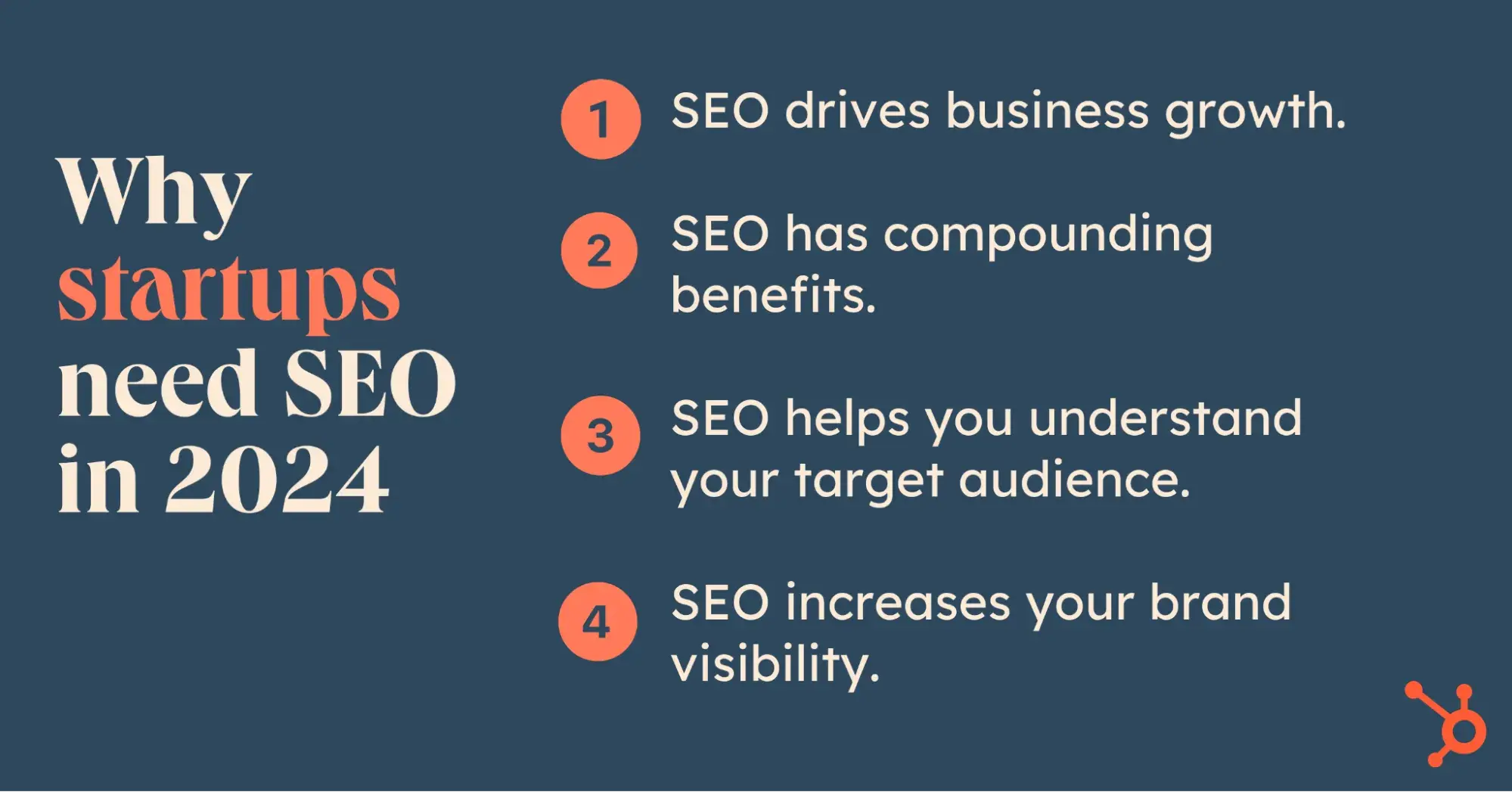
The primary reason startups need SEO is straightforward: it drives sustainable, compounding business growth. Marketing efforts should ultimately translate into revenue. When you optimize for the right keywords—particularly those with commercial intent—you position your brand at the top of search results for users actively seeking solutions. This isn’t about vanity metrics; it’s about capturing high-value traffic that converts.
Consider the compounding nature of organic search. Unlike paid advertising, where traffic stops the moment you stop paying, SEO builds equity over time. A well-optimized page can continue to generate clicks and leads for months or even years after the initial effort. This creates a cost-effective channel that scales with your business. For a startup operating with limited resources, this long-term return on investment is invaluable.
Furthermore, the process of implementing SEO forces a deeper understanding of your target audience. Keyword research reveals the specific questions, pain points, and language your potential customers use. This insight extends beyond just website traffic; it informs product development, customer support, and broader marketing messaging. You begin to serve your audience not just when they search for your brand, but when they search for the problems you solve.
How AI Overviews and Generative Search Impact SEO
The rise of AI-powered search engines and AI Overviews has shifted the conversation around digital visibility. Some believe traditional SEO is becoming obsolete. In reality, the fundamentals of SEO have evolved to include optimization for artificial intelligence. Mentions in AI-generated answers are now a critical component of modern search strategy.
AI Overviews summarize information directly on the search results page. For startups, this presents an opportunity to be cited as a primary source. When your content is authoritative, well-structured, and directly answers user queries, AI models are more likely to reference it. This dual presence—ranking organically while being cited in AI summaries—maximizes brand visibility and credibility.
However, it is important to maintain perspective. Current data suggests that while AI Overviews are gaining traction, users still scroll down to organic results for deeper information. The impact on overall site traffic varies, with many sites seeing stable or even increased traffic as users seek more detailed answers. The goal is not to obsess over AI citations but to ensure your content is structured in a way that both humans and algorithms can easily understand and trust.
Tools like the AI Search Grader can help you assess your brand’s prominence in these emerging ecosystems. By analyzing how AI perceives your strengths and weaknesses, you can identify gaps in your content strategy. This data-driven approach allows you to create material that addresses user needs comprehensively, thereby increasing the likelihood of being referenced by AI tools.
Step-by-Step Guide to Implementing Startup SEO
Set Up Google Search Console
The first technical step is setting up Google Search Console (GSC). This free tool is indispensable for any startup. It provides direct insights from Google into how your site performs in search results. Many new businesses focus solely on Google Analytics, which tracks user behavior after they arrive. GSC, however, shows what happens before they click.
GSC reveals the specific queries your pages rank for, even if you are not on the first page. This data is crucial for keyword research. You can identify which terms are already driving impressions and optimize those pages to improve click-through rates. Additionally, GSC helps monitor technical health, including crawl errors, indexing issues, and core web vitals. Early detection of these problems prevents them from hindering your visibility.
Conduct Strategic Keyword Research
Keyword research is the foundation of your content strategy. You need to identify terms that are relevant to your business and have sufficient search volume. While paid tools like Ahrefs or Semrush offer extensive databases, startups can start with free options like Google Keyword Planner. The key is to focus on topical authority rather than chasing high-volume, generic terms.
Aim to cover the topics your potential customers are searching for in depth. This approach builds credibility and signals to search engines that you are a knowledgeable source in your niche. Once you have established authority in one area, you can expand to related topics. This methodical build-up of content creates a robust SEO foundation that supports long-term growth.
Analyze Competitor Strategies
Competitor analysis provides valuable insights without requiring extensive trial and error. By examining the keywords and content of established players in your market, you can identify opportunities and gaps. Tools like Semrush allow you to see which terms drive traffic to competitors and what type of content performs best.
However, do not simply copy what others are doing. Use competitor data as inspiration to inform your own unique strategy. Consider your brand’s values, unique selling propositions, and specific audience needs. Your content must feel authentic and distinct. The goal is to close the gap and earn your share of clicks by offering superior, more relevant information.
Optimize Website Structure
A logical website structure is essential for both user experience and search engine crawling. Your site should have a clear hierarchy with SEO-friendly URLs that are short and descriptive. Each page should target one primary keyword, which should also be reflected in the URL and title tag.
Internal linking plays a critical role here. It helps search engines understand the relationship between different pages and distributes authority throughout your site. Link to related content using descriptive anchor text that provides context. This not only aids navigation for users but also signals to Google which pages are most important.
Implement On-Page SEO and Search Intent
On-page SEO involves optimizing individual pages to rank higher and earn more relevant traffic. This includes using your target keywords in title tags, headers, and naturally throughout the content. However, the most critical factor is matching search intent. Search intent refers to the underlying goal of a user’s query. If users are looking for information, provide comprehensive guides. If they are looking to buy, ensure your product pages are clear and compelling.
Create high-quality content that solves problems and answers questions. This builds trust and encourages users to stay on your site longer. Great content is the cornerstone of successful on-page SEO. It should be informative, engaging, and directly aligned with what your audience is seeking.
Build Quality Backlinks
Backlinks from reputable sites remain a strong ranking factor. However, building links is a slow process that requires patience and strategy. Focus on earning links through high-quality content, thought leadership, and genuine relationships. Avoid shortcuts or low-quality link-building tactics, as these can harm your site’s reputation.
Start with free methods: create social media profiles, list your site in relevant directories, and engage with journalists through platforms like HARO. As your content gains traction, it will naturally attract links from other websites. This organic link building strengthens your domain authority and boosts your rankings over time.
Monitor and Optimize Performance
SEO is not a one-time task. It requires continuous monitoring and optimization. Use tools like Google Analytics and Search Console to track your performance. Identify which pages are performing well and which need improvement. Regularly update your content to keep it relevant and accurate. This iterative approach ensures your SEO strategy evolves with your business and the changing search landscape.
Expert Tips for Startup SEO Success
Focus on Search Intent
Understanding search intent is crucial for targeting the right keywords. Instead of focusing on broad, highly competitive terms, identify specific phrases that align with your audience’s needs. For example, a career coach might target “career clarity” instead of the generic “career coach.” This approach attracts qualified traffic that is more likely to convert. By addressing the specific transformations or solutions your audience seeks, you can achieve faster results and build a loyal following.
Use Landing Pages for Education
Startups often introduce new products or services that are not yet well-known. In such cases, traditional keyword targeting may not yield results. Instead, create educational landing pages that introduce the concept and its benefits. Optimize these pages for related search terms that potential customers might use when researching the problem your product solves. This strategy educates your audience and guides them toward your solution at the right moment.
Build Trust Through Content
Trust is a fundamental ranking factor. Search engines prioritize content that is accurate, helpful, and authoritative. Build trust by publishing high-quality, in-depth articles that provide real value. Include original imagery, data, and insights. Engage with your audience and build a community around your brand. This not only improves your SEO but also strengthens your brand reputation and customer loyalty.
Leverage Journalist Outreach
Connecting with journalists is a powerful way to earn high-quality backlinks. Platforms like HARO, Featured, and Connectively allow you to provide expert quotes for articles in major publications. This exposure not only drives traffic but also builds credibility. Startups with passionate founders are well-positioned to offer unique insights that journalists value. Consistent outreach can lead to significant gains in domain authority and organic visibility.
Meet Your Audience Where They Are
Consumers increasingly use social media and mobile devices to search for information. Ensure your content is optimized for these platforms. Create mobile-friendly pages and engage with your audience on social media. Use social search features to your advantage by optimizing your profiles and posts for relevant keywords. This multi-channel approach ensures you reach your audience regardless of where they start their search journey.
Utilize AI Tools Wisely
AI tools can streamline various aspects of content creation and optimization. Use them for brainstorming ideas, drafting outlines, and generating meta descriptions. However, always review and edit AI-generated content to ensure it meets your brand’s voice and quality standards. AI should be a tool to enhance efficiency, not replace human creativity and strategic thinking. By combining AI capabilities with human expertise, you can produce high-quality content at scale.
Conclusion
Implementing SEO for startups requires a strategic, patient approach. By focusing on foundational elements like keyword research, site structure, and high-quality content, you can build a sustainable organic presence. Remember that SEO is a long-term investment. The compounding benefits of consistent effort will pay off over time, driving qualified traffic and supporting your business growth. Start today, monitor your progress, and adapt your strategy as you learn more about your audience and the search landscape.
What aspects of your current SEO strategy do you feel need the most attention? Consider starting with a simple audit of your top-performing pages and identifying opportunities for improvement.





