Understanding the Staircase Guest Blogging Strategy
The staircase guest blogging strategy is a systematic approach to content marketing where you publish high-quality articles on increasingly authoritative platforms to build industry influence and search engine visibility. By viewing guest blogging as a series of steps, you start with accessible, mid-tier websites to establish a portfolio before pitching major industry publications. This method allows you to grow your domain authority and reputation steadily rather than relying on luck or cold-pitching impossible targets.
The Philosophy of Incremental Growth
This strategy treats digital reputation as a cumulative asset. Instead of reaching for the most prestigious sites immediately, you focus on building a track record that proves your reliability. By starting lower on the ladder, you learn the nuances of different editorial styles and refine your voice. This preparation is essential for handling the rigorous demands of top-tier outlets later in your journey.
Why This Strategy Works
The primary benefit of this approach is the reduction of rejection rates. When you pitch a high-authority site with a portfolio of published work on relevant, mid-tier platforms, you are no longer a stranger. You are a proven contributor. This strategy also helps you identify which topics resonate most with your target audience, allowing you to iterate on your content before presenting it to larger, more critical audiences.

Success in this strategy requires patience and a focus on long-term growth. When you begin, your primary objective is to demonstrate expertise through consistent, valuable contributions. As your portfolio expands, you gain the credibility necessary to approach top-tier outlets that demand higher standards of research and insight. This progression is not just about gaining backlinks; it is about establishing your brand as a reliable source of information in your field.
Launching a Credible Foundation
Before you can secure a spot on a high-authority blog, you need a body of work that proves your capability. Starting a company blog is the most effective way to create this evidence. You do not need complex technical infrastructure to begin; platforms that allow you to publish clear, well-structured content are sufficient. Focus on documenting your own experiences, such as lessons learned from product development, customer feedback, or operational hurdles.
Creating Your Initial Portfolio
Your own website acts as the “proof of concept” for your expertise. By writing about your specific business challenges, you demonstrate that you possess deep, practical knowledge rather than just theoretical understanding. This content serves as a library you can direct editors to when they ask for samples of your work.
Turning Experience into Authority
When you share authentic stories, you provide unique value that other websites often find attractive. When you have a collection of high-quality articles on your own site, you provide editors with concrete examples of your writing style and depth of knowledge. This transparency reduces the risk for editors and makes your pitch significantly more compelling. Remember, your goal is to show that you are an expert, not just a content creator looking for a link.
Practical Steps to Build Your Base
- Identify three core pillars of expertise your brand owns.
- Write one long-form, data-backed article for each pillar on your own site.
- Ensure these articles are formatted for readability, with clear subheadings and actionable takeaways.
- Use these as your “anchor” pieces when pitching external sites.
Prioritizing Quality in Every Pitch
Content quality serves as the engine for your advancement along the staircase. If your articles are mediocre, your reach will remain limited to platforms with similar standards. To reach the top, your content must offer insights that are more thorough, better researched, or more engaging than what is already available. Analyze the top-performing content in your industry to understand the tone, structure, and storytelling techniques that resonate with your target audience.
The Role of Research and Data
High-authority sites prioritize content that is backed by original data, case studies, or expert interviews. When you prepare a pitch, identify a gap in the existing coverage on the target site. Propose a topic that fills that gap with new information or a fresh perspective. This demonstrates that you have done your homework and respect the publication’s standards.
Avoiding Common Quality Pitfalls
A common mistake is failing to adapt your language to the target audience’s expectations. Precision matters—whether in the style of currency formatting or the way you address professional challenges. High-quality content is the primary currency of the guest blogging world, and you should treat every draft as an opportunity to reinforce your reputation.
.webp)
Deliverables must be polished and professional. Use tools to check your grammar and readability, but rely on your own judgment to ensure the piece speaks directly to the needs of the reader. By focusing on the reader’s needs rather than your own promotional goals, you build trust with both the editor and the eventual audience.
Identifying and Evaluating Opportunities
Finding the right platforms to approach requires a mix of research and strategic selection. Use search queries like your industry keyword combined with terms such as “write for us” to find websites that explicitly welcome guest contributions. Once you have a list of potential candidates, evaluate them based on their domain authority and estimated monthly traffic. Tools like SimilarWeb and MozBar provide the data you need to make informed decisions about where to invest your time.
Assessing Site Viability
When evaluating a potential partner, look beyond just the domain authority score. Consider the engagement level of the site—do they have active comments? Do their articles get shared on social media? A site with lower authority but high engagement can often be more valuable for brand visibility than a high-authority site that feels like a ghost town.
| Metric | Purpose |
|---|---|
| SimilarWeb | Estimates monthly traffic volume for the domain |
| MozBar | Predicts search engine ranking potential via domain authority |
The Staircase Progression Model
Start by contacting websites that are slightly more authoritative than your own. If your domain authority is in the single digits, aim for platforms with a domain authority of 20 to 40. This approach ensures you are not wasting time on sites that offer minimal exposure, while also avoiding the frustration of being consistently rejected by top-tier sites that are currently out of reach. This balance is crucial for maintaining momentum.
Crafting a Professional Pitch
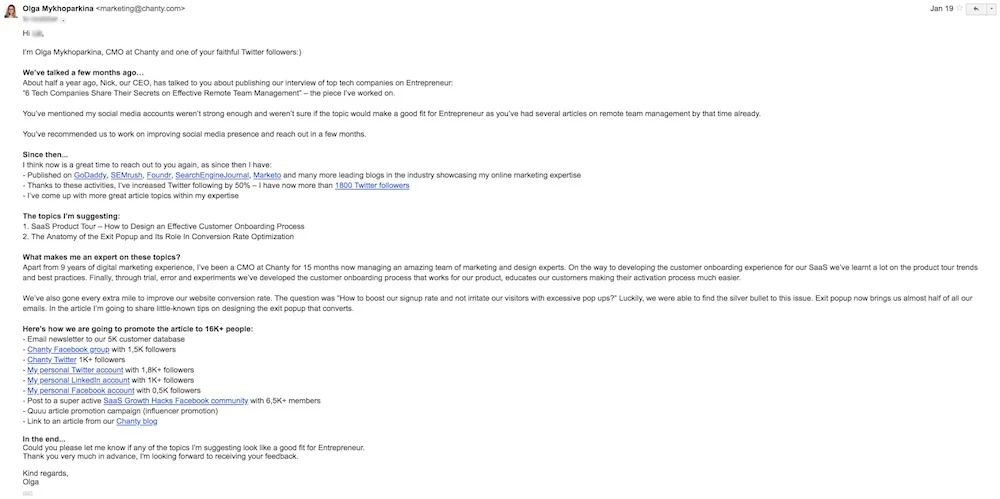
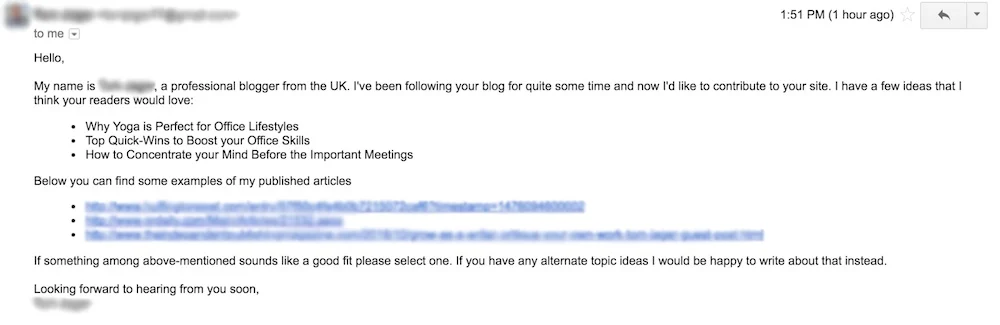
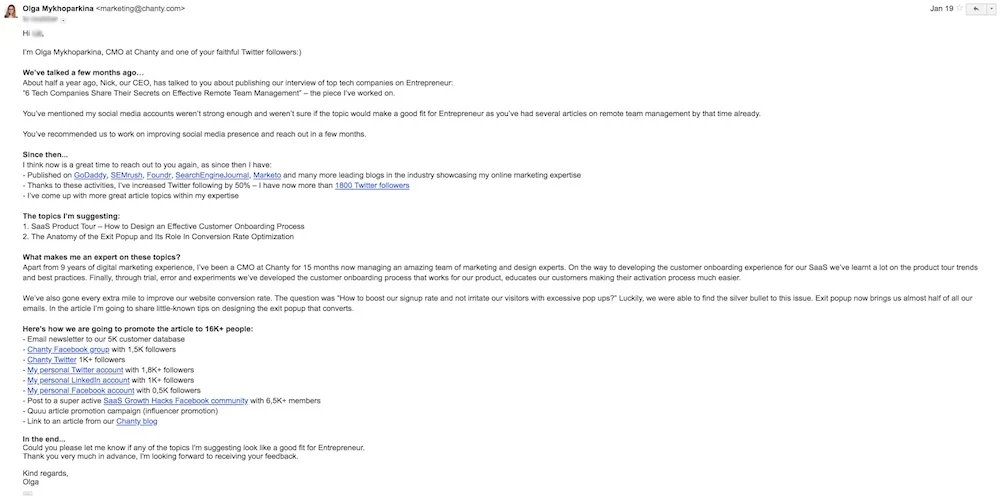
Editors are inundated with requests, so your pitch needs to be concise, relevant, and professional. Avoid generic templates that fail to mention your company or your previous work. A successful pitch should clearly introduce you, provide links to your best writing examples, and suggest a few well-thought-out topics that align with the publisher’s existing content. If the website provides specific submission guidelines, follow them meticulously.
Anatomy of a Winning Pitch
Your email should be short enough to read on a mobile device. Start with a compliment regarding a recent article they published to show you are a regular reader. Then, briefly state who you are and why you are a fit. Finally, offer 3-4 specific topic ideas with brief outlines, explaining the value each brings to their specific readership.
Managing the Relationship
Building a relationship with an editor often requires persistence. If you do not receive an immediate response, follow up after a reasonable time, but always remain respectful of their workload. If your article is accepted, you may be asked to make revisions. View this as a collaborative process; being flexible and eager to polish your work to fit the publication’s standards is a hallmark of a professional contributor.
This cooperative mindset is often what turns a one-time contributor into a long-term partner. When an editor knows they can rely on you to deliver high-quality work without needing excessive hand-holding, they are much more likely to accept your future pitches and even invite you to write for them again.
Advancing to Top-Tier Publications
Once you have successfully published on several mid-tier sites, you can begin to aim higher. The staircase strategy dictates that you use your existing portfolio to prove your credibility when reaching out to more competitive outlets. At this stage, your pitch should highlight your previous contributions to reputable sites. You may also find that your research needs to become more rigorous as you move toward platforms with higher standards and broader audiences.
Leveraging Social Proof
When you reach out to top-tier publications, include a “portfolio” section in your email. Link to your best work on other sites, especially those with high domain authority. This acts as social proof, signaling to the editor that other reputable publishers have already vetted your work and found it worthy of their platforms.
Building Familiarity Before Pitching
For the most prominent publications, cold-pitching may not be enough. Engage with editors on professional social networks like LinkedIn or Twitter before you ever send a pitch. By commenting on their work or sharing their content, you make your name familiar to them. When you eventually send your proposal, the editor will recognize you as an engaged member of the community.
Persistence remains vital here; even with a strong pitch, it may take several weeks and multiple follow-ups to secure a placement on a top-tier platform. Do not be discouraged by silence; editors are often managing hundreds of emails, and a polite, well-timed follow-up can often be the difference between being ignored and getting an acceptance.
Sustaining Long-Term Authority
Guest blogging is a long-term investment in your brand’s digital presence. The staircase guest blogging strategy is the systematic process of building industry authority through high-quality contributions, starting with mid-tier platforms and progressively targeting more prestigious publications as your portfolio grows. By focusing on genuine value rather than quick links, you create a sustainable path to visibility in the digital landscape.
The Cumulative Effect
As you climb the staircase, the cumulative effect of your efforts begins to pay dividends. Your brand name starts appearing in search results alongside industry leaders. You become a recognizable voice, which in turn makes it easier to secure speaking engagements, podcast interviews, and partnerships. This is the ultimate goal of the strategy: to move from a content creator to an industry authority.
Maintaining Your Momentum
Your success depends on your ability to consistently produce insightful content that serves the reader. Whether you are writing for a small niche blog or a large industry publication, the quality of your work remains the most important factor in your growth. As you move up the stairs, continue to refine your research, deepen your insights, and maintain the professional relationships you have built along the way. Your goal is to become an indispensable voice in your industry, one article at a time.





