Cornerstone content is the primary, high-value material on your website that serves as the foundation for your brand’s authority and search visibility. It represents your most comprehensive work, designed to be the first point of contact for your target audience, establishing your brand’s expertise while providing clear, actionable answers to their most pressing questions. Think of it as the magnum opus of your digital presence. By anchoring your site with these pillars, you create a reliable reference point that signals to both users and search engines that your site is a credible destination for information.

Understanding Cornerstone Content and Clusters
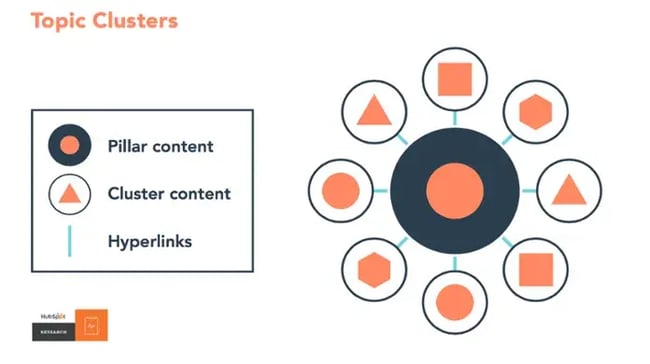
To master this approach, you must distinguish between cornerstone content and cluster content. Cornerstone content acts as a hub, introducing a broad, core topic category. It covers the “what” and “why” of a subject, providing a high-level overview that satisfies general search intent. Cluster content, by contrast, consists of specific, supplementary articles that support the main pillar by addressing niche questions or sub-topics. These smaller pieces go into the “how” or the technical nuances of a specific problem.
Together, they form a structured model that guides users through your site while signaling topical depth to search engines. When you link these cluster articles back to the main cornerstone hub, you create a thematic network. This structure helps search engines understand the relationship between your pages, ensuring that your primary pillar page receives the authority and ranking signals generated by your more granular, targeted content.
The Dynamics of the Hub-and-Spoke Model
The hub-and-spoke model is the engine behind this strategy. The cornerstone page acts as the hub, while the cluster pages function as the spokes. This hierarchy is essential for maintaining a clean site architecture that avoids keyword cannibalization, where multiple pages compete for the same search term. By keeping the main pillar focused on a high-volume, broad keyword and the cluster pages focused on long-tail, specific queries, you cover the entire search landscape for a topic.
This approach also benefits the user experience by providing a clear path of discovery. A visitor arriving at a cluster page for a specific, narrow question can easily navigate to the cornerstone page to gain a broader understanding of the context. This keeps them on your site longer, reduces bounce rates, and positions your brand as a comprehensive resource that anticipates the user’s needs at every stage of their research.
Why Cornerstone Content Matters for Growth
Search engine visibility remains a primary driver for sustainable growth. Data suggests that the vast majority of organic search traffic is captured on the first page of results. By creating cornerstone content that ranks for high-intent queries, you not only improve your search standing but also make a strong first impression on potential customers. This content effectively sets the standard for your brand’s voice and quality, encouraging visitors to explore further.
Furthermore, high-quality cornerstone pieces are natural magnets for backlinks. When your content is comprehensive and well-researched, other industry sites are more likely to cite it as a credible source, which in turn boosts your site’s domain authority. Additionally, this content serves as a reliable fuel source for your wider marketing efforts, such as social media and email campaigns, by providing a steady stream of valuable information to repurpose.
Building Long-Term Digital Authority
Beyond immediate traffic gains, cornerstone content is an investment in your long-term digital authority. As you accumulate more cluster content over time, the authority of your main pillar page grows exponentially. This creates a “snowball effect” where your cornerstone page becomes increasingly difficult for competitors to displace because it is supported by a growing library of relevant, high-quality sub-topics.
This strategy also helps you adapt to changes in search behavior. Because your cornerstone pages are broad, they are less susceptible to fluctuations in specific long-tail keyword trends. If a new, niche question arises within your industry, you can simply create a new cluster piece and link it to your existing cornerstone, instantly incorporating the new topic into your established authority structure without needing to rewrite your primary pillar.
The Strategic Approach to Building Your Foundation
Building a cornerstone strategy requires a methodical approach that balances search data with genuine audience needs. We recommend starting with a clear identification of your core topics—those areas where your brand’s expertise intersects with high customer value. Once these pillars are defined, you can begin the research phase to ensure your content addresses the specific queries your audience is actively searching for.
Steps for Successful Implementation
- Define your 3–5 core topic pillars based on your brand’s primary service areas. Focus on the themes that define your business and provide the most value to your clients.
- Conduct audience research through direct customer feedback, sales team insights, and community forums. Understanding the language your customers use allows you to mirror their needs in your content.
- Perform targeted keyword research to identify opportunities where you can provide superior value compared to existing search results. Look for gaps in the current top-ranking content.
- Separate your content into cornerstone hubs and supporting cluster pieces. Map out how each piece of content relates to your main pillars.
- Maintain a content tracker to manage production and internal linking structures. A centralized document prevents duplicate efforts and ensures every page has a clear purpose.
- Develop detailed content briefs that guide writers on the specific intent and scope of each piece. Clearly define the target audience and the primary goal for each article.
- Execute a consistent production schedule. Quality is paramount, but consistency builds momentum and keeps your site fresh.
- Establish a routine for updating and refreshing your content to ensure it remains relevant and accurate. Industry standards change, and your content should reflect the latest information.

Practical Execution and Refinement
When you build your content, always consider the reader’s journey beyond the current page. Every piece of cornerstone content should have clear, logical next steps, whether that means downloading a relevant resource or navigating to a specific cluster article. This internal linking strategy not only reduces bounce rates but also keeps users engaged within your ecosystem, helping them find the answers they need without leaving your site.
Balancing Informational and Commercial Intent
It is essential to distinguish between informational cornerstone content and core service pages. Informational cornerstone content is designed to educate and build trust, often targeting top-of-funnel users who are still in the research phase. Conversely, your core service or product pages are designed to convert, targeting bottom-of-funnel users who are ready to make a purchase. Both are critical, but they serve different roles.
Your informational cornerstone content should link to your service pages when the user is ready to take the next step. This creates a natural transition from learning to buying. If your content is accurate, well-structured, and easy to navigate, search engines and users alike will naturally find more value in it, regardless of whether the intent is purely educational or directly commercial.
Maintenance and Continuous Improvement
Finally, treat your cornerstone content as a living asset. Regularly auditing your performance data via tools like Google Search Console allows you to see how users are actually finding you. If you notice users are searching for terms you haven’t fully addressed, use that data to refresh your content. Continuous improvement is the hallmark of a successful long-term strategy, ensuring your brand maintains its position as an authority in your space.
Do not be afraid to prune underperforming content. If a cluster piece is no longer relevant or if its topic has been absorbed into a newer, better cornerstone piece, consider consolidating it. A lean, high-quality site is always preferable to a bloated one filled with outdated information. By staying disciplined and focused on the value you provide to your audience, you will build a digital presence that stands the test of time.





