Learning how to make a vlog is a strategic move for brands aiming to bridge the gap between corporate identity and authentic human connection. A vlog is a video-based blog where creators share insights, document processes, or provide educational content in a personal, episodic format. By moving beyond text-based updates, you invite your audience into the daily reality of your operations, fostering trust through transparency. Whether you are a service provider or a product-focused entity, the ability to communicate directly to the camera can shift how your market perceives your brand authority.
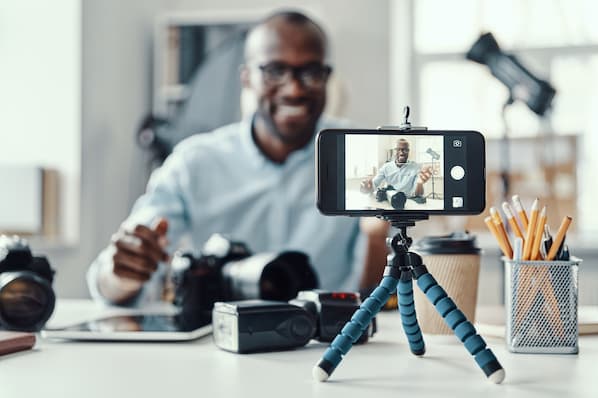
The shift toward video-first communication is not merely a trend; it is a fundamental change in how consumers process information. When you appear on screen, you provide a face to your brand, which humanizes your services and makes your business more relatable. This personal touch is often the deciding factor for potential clients who are weighing multiple options. By documenting your expertise, you demonstrate competence in real-time, showing your audience exactly how you solve problems rather than just telling them that you can.
Strategic Planning for Vlogging
Before you commit to a production schedule, you must define your niche through the lens of your existing user personas. If your target audience prefers quick, visual updates on mobile-first platforms, a long-form YouTube strategy might miss the mark. Start by validating demand using search trend data to ensure your chosen topics align with what your audience is actively seeking. Analyze your competitors to identify gaps in their content; your goal is to offer a unique perspective rather than simply replicating what already exists in the market.
Defining Your Content Pillars
To maintain a sustainable vlog strategy, establish three to five core content pillars that represent your brand’s expertise. For example, a software company might focus on product tutorials, industry news commentary, and employee spotlights. By limiting your scope to these pillars, you prevent your channel from becoming unfocused, which helps the platform’s algorithm understand exactly who your target audience is. Each video should map back to one of these pillars, ensuring that every piece of content contributes to your overarching business goals.
The Importance of Audience Research
Your planning phase should involve direct audience engagement. Look at the comment sections of your existing social media posts or industry forums to see what questions your customers are asking. These inquiries are goldmines for video topics. When you address a specific, recurring question in a video, you provide immediate value to your viewers, which builds loyalty and establishes your channel as a go-to resource for industry information.
Once you have identified your niche, develop a content strategy that categorizes your ideas into logical clusters. Creating series—much like segments on a television program—allows you to maintain focus while exploring subtopics in depth. This structured approach helps you plan for necessary props, specific filming locations, or guest appearances, ensuring that each episode feels like a deliberate extension of your brand’s voice. Your aesthetic should remain consistent with your broader visual identity to ensure that every video reinforces your professional image.
Essential Equipment and Production
High-quality video is not solely defined by expensive hardware, but by the thoughtful application of technical essentials. Every vlog requires a stable camera that keeps the subject in focus, clear audio captured by a dedicated microphone, and lighting that complements your brand’s specific tone. If you are operating on a modest budget, you can achieve professional results by using a smartphone with a tripod and a simple ring light or softbox to control shadows.
| Equipment Category | Essential Item | Purpose |
|---|---|---|
| Visuals | Smartphone or Camera | Capturing high-definition footage |
| Audio | Lav Mic | Ensuring crisp, clear speech |
| Lighting | Ring Light | Eliminating harsh shadows |
| Stability | Tripod or Phone Stand | Maintaining steady, professional framing |
Choosing the Right Audio Setup
Audio quality is often more important than visual quality; viewers will forgive a slightly grainy image, but they will immediately click away if the sound is muffled or distorted. Invest in a clip-on lavalier microphone that connects directly to your recording device. This ensures your voice remains consistent regardless of how far you are from the camera. If you are filming in an office environment, consider using acoustic panels or soft furnishings to reduce echo, which can make your audio sound hollow and unprofessional.
Lighting Techniques for Brand Authority
Lighting is the primary tool for setting the mood of your content. A simple three-point lighting setup—consisting of a key light, a fill light, and a backlight—can make a significant difference in the perceived quality of your production. By placing your key light at a 45-degree angle to your face, you create depth and dimension. Avoid filming directly in front of a window, as the backlighting will turn you into a silhouette, making it difficult for your audience to connect with your expressions.
Batch filming is a highly efficient way to manage your production cycle. By grouping videos within the same series that require similar setups, you can minimize the time spent on logistics and focus on delivering high-value content. This method allows for a more consistent publishing schedule, which is vital for building an audience that learns to anticipate your updates. Remember that not every segment is suited for batching, especially if your content relies on spontaneous, real-time behind-the-scenes footage.
Optimizing Channels for Discovery
Optimization is the process of ensuring your content is discoverable by the right people at the right time. A compelling thumbnail serves as the primary visual hook, so consider using a custom design that adheres to standard platform specifications rather than relying on a generic frame. Your video title should be concise—ideally under 70 characters—and incorporate your primary keyword to assist with search visibility. Use descriptions and tags as secondary opportunities to provide context and help the platform’s algorithm categorize your content effectively.
Mastering Metadata and Keywords
Your video title and description act as the primary signals for search engines. Research the specific terms your potential customers use when searching for solutions related to your business. Include these keywords naturally in your title and the first two sentences of your description. This metadata helps the platform index your video correctly, increasing the likelihood that it appears in search results or as a recommended video for interested viewers.
Analyzing Performance Metrics
After publishing, your work is not done. Use your analytics dashboard to monitor metrics like average watch time and audience retention. These numbers tell you exactly when viewers lose interest. If you see a consistent drop-off at the two-minute mark, analyze what is happening in that part of the video—perhaps the pacing is too slow or the topic has drifted. Use this data to refine your future content, making each video sharper and more engaging than the last.
Consistency is the bedrock of a successful vlogging channel. Much like a weekly television show, your audience will expect a predictable release cadence. When you fail to provide content regularly, you risk losing the momentum required to grow your subscriber base. If you notice a high drop-off rate, it may be time to pivot your approach or refine your storytelling techniques.
Mastering the Vlogging Format
Most successful vlogs follow a three-act structure: an introduction that frames the topic, a detailed exploration of the subject matter, and a concluding recap that includes a clear call to action. This framework ensures your message remains focused and prevents the video from meandering. Whether you use a documentary-style talking head format or a dynamic behind-the-scenes approach, the goal is to provide depth that short-form social media clips often lack. Engaging your audience through comments and suggestions can transform a passive viewing experience into an active community, significantly boosting your overall engagement metrics.
Crafting a Strong Call to Action
Every video should serve a purpose beyond entertainment. A clear call to action (CTA) guides your viewers on what to do next. Whether you want them to sign up for a newsletter, visit a product page, or simply subscribe to your channel, be explicit. Place your CTA at the end of your video, but ensure it feels like a natural conclusion to the information you have just provided. When your CTA aligns with the content of the video, conversion rates for your business goals will naturally increase.
Editing for Narrative Flow
Editing is the final stage where you refine your narrative. Use professional software to trim unnecessary pauses and polish the flow of your content. If you choose to add background music, ensure you use royalty-free libraries to avoid copyright complications that could lead to your content being muted or removed. An intro sequence—even if it is just a simple, consistent graphic—serves as a digital signature that helps viewers quickly identify your brand. By focusing on authentic value and staying true to your brand’s mission, you can leverage vlogging to establish a lasting presence in your industry.





