LinkedIn endorsements act as a public validation of your professional expertise, allowing your network to vouch for the specific skills you have listed on your profile. These endorsements serve as essential social proof, signaling to recruiters, hiring managers, and potential clients that your documented abilities are recognized by those who have had first-hand experience working alongside you. By displaying these validations, you build credibility and authority, making your profile a far more compelling representation of your actual professional value.


An endorsement is a one-click action where a connection confirms you possess a specific skill. It is vital to distinguish these from recommendations, which are written testimonials providing detailed context and personal narratives. While recommendations offer a deep dive into your character and work ethic, endorsements provide a quick, aggregate view of your technical and soft-skill strengths. Both are necessary for a complete profile, but endorsements function as the primary metric for skill visibility in search results and candidate vetting processes. When a hiring manager searches for specific keywords, your profile’s endorsement count can influence your ranking and overall discoverability within the platform’s algorithm.
Setting Up Your Skills for Success
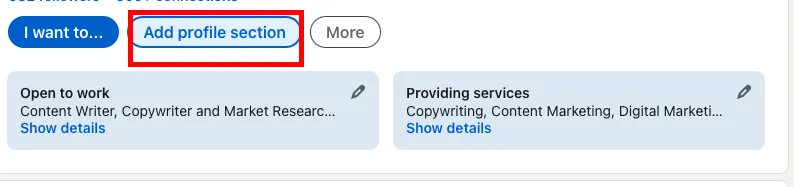
To begin gathering endorsements, you must first ensure your profile is properly structured to receive them. Navigate to your profile page, select the option to add a profile section, and choose the skills category. Once you have added relevant competencies, you should verify that your endorsement settings are active by clicking the three dots in your Skills section and ensuring the toggle is set to “On.”
Understanding the Skill Taxonomy
LinkedIn allows you to categorize your skills, which helps the platform suggest your profile to relevant recruiters. When you add skills, think about the specific terminology used in your industry. If you are a software developer, for instance, listing “Java” is more effective than “Programming.” By using precise, industry-standard terms, you increase the likelihood of appearing in targeted searches.
Curating for Impact
Selection is a critical part of this process. You want to highlight skills that are both authentic to your experience and relevant to your professional goals. If you are a job seeker, align your listed skills with the terminology found in the job descriptions for roles you desire. Avoid the temptation to list every minor proficiency; focusing on a curated list of high-impact skills prevents your profile from appearing diluted and makes it easier for your network to choose which attributes to validate.
Managing Your Skill List
Over time, your professional focus may shift. Periodically audit your skills section to remove outdated proficiencies that no longer reflect your current role. A clean, updated list signals that you are actively managing your personal branding and staying current with industry demands.
Proven Methods for Earning Endorsements
Building a collection of endorsements requires a strategic approach to networking. While it is possible to receive them organically, you can increase your success rate by proactively engaging your professional circle through thoughtful communication and consistent activity.
Direct and Personal Outreach
When asking for an endorsement, avoid generic mass messaging. Reach out privately to individuals who have worked with you on specific projects—colleagues, supervisors, or clients. Reference the shared experience to jog their memory and clearly specify which skill you would like them to endorse. Being concise and offering to reciprocate shows that you value their time and professional opinion.
Demonstrating Expertise Through Content
Active participation on the platform is perhaps the most effective way to attract endorsements without directly asking for them. Share articles, updates, and project insights that showcase your knowledge. When you provide value through your posts or contribute to collaborative articles, you position yourself as an authority, which naturally encourages others to recognize your competence.
Reciprocity as a Networking Tool
People are often more inclined to endorse you if you have already taken the time to recognize their skills. Periodically review the profiles of your connections and endorse them for abilities you have witnessed firsthand. This action triggers a notification, and while you should never endorse someone purely to solicit a favor, it is a genuine way to strengthen professional relationships and encourage mutual recognition.
Incentivizing Through Value
If you have a specialized skill set, consider offering brief sessions or advice to those who might benefit from your expertise. If you provide genuine value, a request for an endorsement in exchange for your time is rarely seen as intrusive. This approach not only helps you gather social proof but also creates opportunities for deeper professional connections.
How to Give Meaningful Endorsements
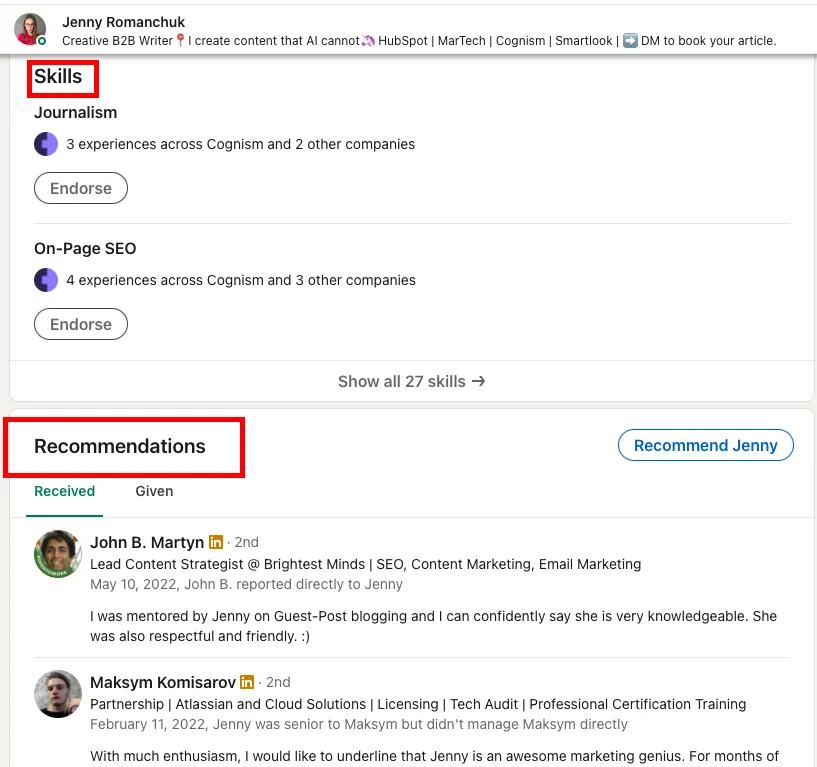
Endorsing others is a straightforward process that helps maintain the integrity of your professional network. To give an endorsement, visit the individual’s profile, scroll to their Skills section, and click the button next to the relevant skill. If they have many skills listed, use the “Show all” feature to ensure you are validating the most pertinent ones.
The Power of Authenticity
After you click the endorsement button, your profile picture and name will appear next to that skill on their profile. To make the gesture more impactful, follow up with a short, personalized message. Explaining why you value their specific expertise adds a layer of authenticity that a simple click cannot convey. This human element encourages them to see you as a supportive member of their network rather than just another connection.
Avoiding Common Pitfalls
When giving endorsements, prioritize accuracy. Only validate skills you have genuinely observed in a professional capacity. Endorsing someone for a skill they do not possess can undermine your own credibility, as your name is attached to that verification. By being selective and honest, you maintain the value of the endorsement system for everyone in your network.
Maintaining Momentum
Consistency is the key to maintaining a high-performing LinkedIn presence. You do not need to spend hours each day on this process; dedicating a small block of time once a week to engage with your network and update your skills is sufficient. As you continue to share content and collaborate, your endorsement count will naturally grow, reflecting the depth of your professional experience.
Tracking Your Growth
Treat your endorsement count as a metric for your professional reach. If you notice certain skills receiving more attention than others, consider how you can further highlight those areas in your summary or experience sections. This feedback loop allows you to refine your personal branding strategy based on what your network values most about your work.
Staying Visible in the Market
Remember that these metrics are not just numbers; they are a testament to the trust you have built with your peers and the value you bring to your industry. By treating your profile as a living document of your professional growth, you ensure that you remain visible and relevant in an increasingly competitive landscape. Regularly updating your profile and engaging with your connections ensures that when opportunities arise, your profile is ready to represent you accurately and effectively.





