Cloud seeding is the process of modifying weather patterns to increase precipitation by introducing substances into clouds that encourage water droplets to coalesce and fall. This technology has shifted from a theoretical scientific pursuit to a practical tool for addressing regional water scarcity. By targeting clouds that contain moisture but lack the density to produce rain, operators can effectively increase the volume of water reaching the ground.
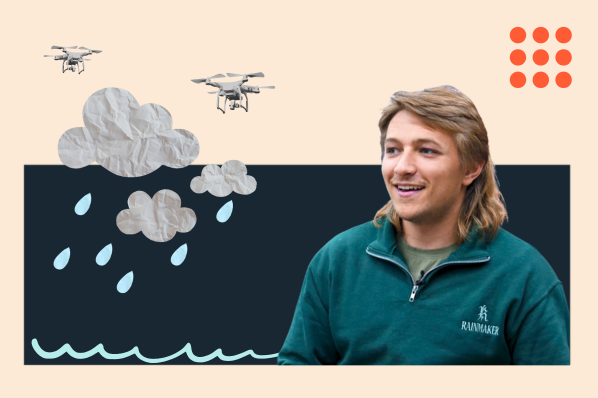
Modern approaches to this practice, such as those pioneered by startups like Rainmaker, utilize drone technology to reach specific atmospheric targets. This precision allows for more controlled intervention compared to traditional methods. As industries and communities grapple with the environmental and economic realities of drought, the ability to influence local water cycles represents a shift in how we manage natural resources.
The Mechanics of Weather Modification
At its core, the science of cloud seeding relies on the physics of condensation and freezing. When water droplets in a cloud remain too small to overcome updrafts, they stay suspended as mist or light vapor. By introducing specific minerals, such as silver iodide, into these formations, technicians provide nuclei around which these droplets can cluster. This added mass allows gravity to pull the moisture down as rain or snow.
How Nucleation Works
The process of nucleation is essentially a catalyst for precipitation. In a natural cloud, water vapor requires a surface to condense upon; if the air is too clean or the conditions are not quite right, the droplets remain in a supercooled state. By injecting particles, we provide the necessary foundation for droplets to grow rapidly. Once these droplets reach a critical mass, they become heavy enough to descend, effectively “triggering” the rain that would have otherwise remained trapped in the atmosphere.
The Role of Precision Technology
Modern weather modification has moved beyond simple ground-based burners. Today, operators use advanced radar systems to map cloud density in real-time. By identifying the specific “sweet spot” within a cloud formation, drones can release seeding agents exactly where they will have the most impact. This minimizes waste and ensures that the intervention is as efficient as possible, turning what was once a hit-or-miss endeavor into a calculated, data-driven operation.
Why Timing Matters
Success in this field is heavily dependent on timing. Even the most effective seeding agents will fail if applied to the wrong type of cloud or at the wrong stage of a storm’s life cycle. Operators must evaluate wind patterns, temperature gradients, and humidity levels before initiating a flight. This level of scrutiny ensures that the moisture is released over the intended geography, preventing the resources from dissipating harmlessly over uninhabited regions or oceans.
Scaling Solutions for Drought-Prone Regions
Water scarcity poses a significant threat to global food security and regional stability. Areas like the American West rely heavily on consistent precipitation to support large-scale agriculture, which accounts for a substantial portion of the domestic food supply. When these systems fail due to prolonged dry spells, the consequences ripple through the economy, affecting everything from crop yields to the cost of basic goods.
Economic Implications of Water Scarcity
The economic stakes of failing to address drought are immense. Agriculture is a water-intensive industry; when water access is restricted, farmers are forced to fallow land or shift to less profitable crops. This creates a chain reaction that impacts supply chains, drives up food inflation, and can lead to the collapse of rural economies that depend on seasonal harvests. By securing a more reliable water supply, we protect the foundational industries that sustain our society.
Mitigating Risk Through Infrastructure
Strategic deployment of weather modification programs offers a potential buffer against these cycles of decline. By investing in infrastructure that can artificially increase rainfall, regions may be able to maintain aquifer levels and mitigate the risks associated with total water depletion. This is not merely an environmental concern; it is a fundamental challenge to the long-term viability of cities and rural economies alike.
Practical Steps for Implementation
For a region to adopt these solutions, it must first establish a robust monitoring network. This involves installing weather stations and radar arrays to create a baseline of atmospheric data. Once the data is gathered, local authorities can work with meteorological experts to design a seeding strategy tailored to their specific climate. This proactive approach allows communities to build a “water savings account” during the rainy season, providing a cushion for the drier months ahead.
Safety and Ethical Considerations
Any attempt to alter natural weather patterns invites scrutiny regarding long-term safety and environmental impact. Questions often arise concerning the potential for accidental flooding or the possibility that increasing rain in one area might inadvertently deprive another. Current research suggests that the materials used in seeding are found in such minute concentrations that they are considered non-toxic, and there is little evidence to support the theory of downwind drought.
Addressing Environmental Concerns
A common misconception is that cloud seeding “steals” rain from neighboring regions. In reality, the atmosphere is a dynamic, massive system; the amount of water extracted from a single cloud formation is a fraction of the total moisture available. Studies have consistently shown that the downwind effects are negligible, as the atmosphere continually replenishes itself through evaporation and wind currents. The materials used, such as silver iodide, are applied in such trace amounts that they pose no threat to the soil or water quality.
Establishing Stop Criteria
Responsible implementation requires strict protocols, often referred to as stop criteria. These guidelines ensure that operations do not proceed if soil saturation levels are already high or if there is a heightened risk of environmental hazards like avalanches. By grounding these programs in data and safety parameters, proponents argue that the benefits of preventing severe drought outweigh the theoretical risks of intervention. These protocols are essential for maintaining public trust and ensuring that the technology is used only when it is safe and necessary.
Common Mistakes to Avoid
One of the biggest mistakes in this sector is the lack of transparency. When communities are not informed about how and why weather modification is being used, fear and misinformation can take root. Transparency in reporting—sharing data on when and where operations occur—is vital. Furthermore, relying on outdated equipment or failing to account for local topography can result in ineffective outcomes that undermine the credibility of the entire industry.
Future Outlook for Atmospheric Water Generation
Looking ahead, the goal for many in this field is to move beyond temporary relief and toward fully automated, large-scale atmospheric water management. Testing new radar systems and drone fleets in diverse climates, such as the southernmost regions of South America, allows for the refinement of these technologies in varying weather conditions. The objective is to build systems capable of consistent, year-round operation.
The Vision for Automated Systems
The future of this technology lies in automation. Imagine a fleet of autonomous drones stationed across a drought-stricken region, constantly monitoring cloud formations and deploying seeding agents without the need for manual intervention. Such a system would be able to respond to changing weather conditions in seconds, maximizing the efficiency of every storm system that passes through the area. This would transition atmospheric water generation from an emergency response tool to a standard utility service.
Redefining Resource Management
If these initiatives succeed, they could establish a new model for utility-scale water production. Instead of relying solely on finite groundwater or expensive desalination, communities might look toward the sky as a primary source of replenishment. Transforming arid landscapes into productive zones through controlled weather modification remains a long-term ambition that could redefine our relationship with the environment. This shift represents a move toward a more sustainable, proactive approach to managing our most precious resource.
Challenges on the Horizon
Despite the potential, there are significant hurdles to overcome. Regulatory frameworks are still catching up to the technology, and international cooperation will be necessary as weather patterns do not respect national borders. Additionally, the cost of scaling these systems remains high, requiring significant investment from both public and private sectors. However, as the global water crisis intensifies, the cost of inaction will likely prove far greater than the cost of innovation.
Assessing the Impact of New Technologies
When evaluating the effectiveness of these programs, experts often look at the measurable increase in snowpack or rainfall within a designated target area. These metrics provide the data necessary to justify the investment and refine the seeding techniques. While the industry is still maturing, the integration of advanced sensors and autonomous flight systems has significantly improved the accuracy of these efforts.
Measuring Success
Success is measured through rigorous statistical analysis. By comparing historical rainfall data with the results obtained during seeding operations, researchers can isolate the impact of the intervention. This data is crucial for securing funding and proving the viability of the technology to stakeholders. As sensor technology improves, we are gaining a clearer picture of how these interventions influence local weather, allowing for continuous improvement of our techniques.
Balancing Ambition and Compliance
Adopting such innovative approaches requires a balance between technological ambition and regulatory compliance. As startups and traditional entities continue to explore these frontiers, the focus remains on delivering reliable outcomes that serve the public interest. The shift toward proactive water management signals a broader trend in how we apply technology to solve fundamental resource challenges in an era of climate uncertainty. By maintaining high standards of ethics and safety, the industry can continue to grow while providing a necessary solution to the global water crisis.





