Delivering customer experiences that truly resonate requires an intentional approach to how your brand treats every individual. When you prioritize inclusivity, you move beyond generic interactions and begin to build authentic connections that naturally drive higher conversion rates. By understanding that diverse needs are not exceptions but rather a standard part of your audience, you can remove the friction that often hinders growth. This shift requires a fundamental reassessment of how your business interacts with the public, ensuring that every touchpoint reflects a commitment to accessibility and respect.
Acknowledge Diverse Consumer Identities
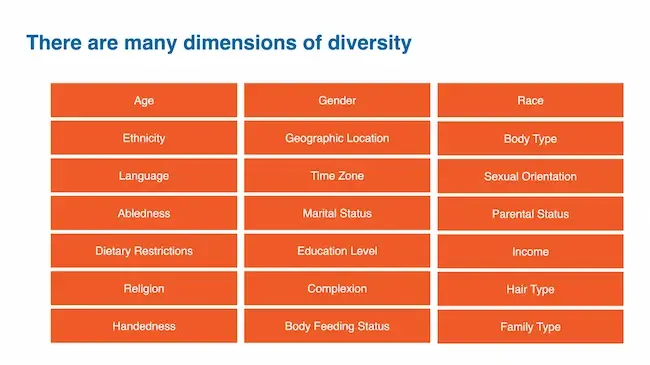
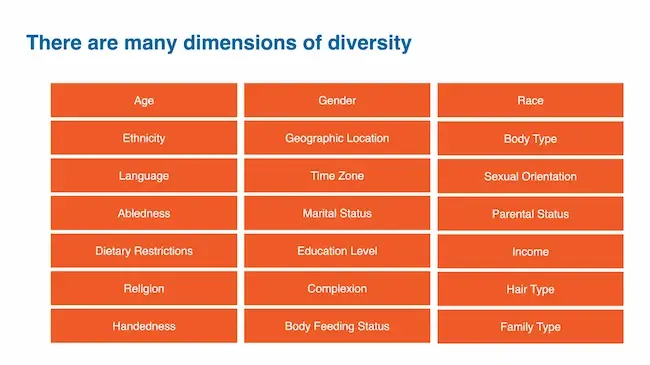
Every consumer brings a unique set of life experiences and identities to your brand, all of which influence their decision-making process. To foster genuine belonging, you must first acknowledge the various ways your customers differ. This is not about categorizing people to label them, but about recognizing the reality that a one-size-fits-all strategy often fails to serve a meaningful portion of your potential market. When you ignore these differences, you inadvertently signal to a segment of your audience that they are not your priority.
Take the time to audit your current customer journey through the lens of different identities. Ask yourself if your processes assume a specific background or set of abilities. By mapping out these potential gaps, you can identify where your brand might be inadvertently creating barriers. For instance, a hotel might realize that offering only feather bedding excludes guests with specific allergies, whereas providing hypoallergenic options ensures a safe and welcoming stay for everyone. These small, deliberate changes in your operational framework signal that your brand is aware of the diverse realities of its customer base.
This exercise helps you expand your operational framework. When you see your audience as a collection of varied individuals, you create more space for them to engage with your products or services successfully. It transforms your brand from a static entity into a responsive partner in their journey. By embracing this complexity, you build a foundation where diverse perspectives inform your strategy, ultimately leading to more robust and inclusive growth.
Eliminate Identity-Based Friction
Identity-based friction occurs when a customer feels they are being treated differently or as an afterthought due to their specific needs. This friction is a primary driver of low conversion rates. When people feel that a brand does not understand them or, worse, makes them feel like a burden, they are far less likely to complete a purchase or return for future business. The emotional cost of navigating a system that wasn’t designed for you can be exhausting, leading many to abandon their shopping carts entirely.
One common mistake is the act of “othering” consumers. This happens when brands create separate labels or categories that highlight a person’s differences in a way that feels exclusionary rather than helpful. For example, labeling clothing sections as “plus-sized” can make a shopper feel isolated, whereas integrating all sizes into a unified shopping experience signals that every customer is valued equally. By integrating these options, you remove the stigma that often accompanies specialized needs.
To build trust, your goal should be to enable customers to find what they need without forcing them to self-identify in uncomfortable ways. When you create an environment where the solution is accessible to everyone, you reinforce a sense of belonging. This shift in perspective is essential for brands that want to remain relevant and competitive in an increasingly diverse marketplace. By prioritizing a universal design, you ensure that every interaction feels natural and supportive, rather than forced or isolating.
Remove the Need for Customers to Ask
Expecting a customer to “raise their hand” to request special accommodations creates unnecessary labor for the user. Many individuals, whether due to privacy concerns or a desire to simply blend in, will choose to walk away rather than explain their needs to a stranger. If your process requires a customer to jump through extra hoops, you are likely losing conversions that you could have easily captured. Proactive design is about anticipating these needs before they become a barrier to entry.
Consider the experience of a diner with food allergies. If they have to ask a server to list every ingredient in a dish, they are forced to highlight their difference. A more inclusive approach is to have clear, accessible information available upfront, allowing them to make a decision independently. This is a subtle but powerful way to demonstrate that you have anticipated their needs. By providing comprehensive information in a self-service format, you empower your customers to take control of their own experience without the need for additional support.
| Level of Inclusivity | Characteristics |
|---|---|
| Exclusionary | Caters only to the mainstream; ignores specific needs. |
| Reactive | Accommodates only when the customer explicitly asks. |
| Proactive | Offers self-service options that cater to diverse needs. |
| Integrated | Designs experiences that feel standard for all users. |
| Specialized | Creates dedicated offerings for specific identity groups. |
By moving toward a proactive or integrated model, you remove the emotional tax from the customer experience. When accessibility is built into the foundation of your service, you no longer force your users to choose between their needs and their comfort. This transition from reactive to integrated design is a hallmark of brands that truly understand the importance of creating a frictionless environment for every potential buyer.
The Role of Data and Empathy
Data provides the foundation for identifying where discrepancies in outcomes exist. Whether in healthcare, retail, or venture capital, research consistently shows that marginalized communities often receive a lower quality of service. As a business leader, you cannot assume your industry is immune to these disparities. If you do not actively measure the success rates of different segments of your audience, you are likely operating with blind spots. Data allows you to move beyond assumptions and address the actual hurdles your customers face.
Look at the outcomes of your customers. Are there specific groups that struggle to complete a purchase? Are there patterns in your customer service feedback that suggest frustration among certain demographics? These data points are not just metrics; they are reflections of your customers’ experiences. When you combine this data with a genuine commitment to empathy, you can begin to design better systems. Empathy allows you to interpret the data not just as numbers, but as stories of human interaction that require resolution.
Inclusive marketing is not about performing for a trend; it is about ensuring your business operations are equitable. When you address the systemic issues that prevent your customers from succeeding, you create a stronger, more resilient brand. This approach requires regular audits, consistent user testing with diverse groups, and a willingness to evolve your practices based on what you learn. By treating these audits as a standard part of your business cycle, you ensure that your brand remains aligned with the evolving needs of your entire audience.
Fostering Genuine Belonging
Belonging is the ultimate goal of an inclusive customer experience. When a customer feels seen and understood, they reward the brand with their attention and loyalty. Conversely, when they feel like an outsider, they will eventually seek out a competitor that better aligns with their identity. The brands that win in the long term are those that prioritize this sense of belonging above short-term gains. This loyalty is earned through consistent, respectful, and thoughtful interactions that validate the user’s presence.
This process is ongoing. It requires you to constantly evaluate your marketing mix, your product design, and your customer service protocols. It means asking yourself, “Does this interaction send the signal that you belong here?” It is a standard that should apply to every touchpoint, from your website copy to the way your support team handles a request. Creating a culture of belonging is not a one-time project; it is a commitment to continuous improvement and active listening.
Ultimately, increasing conversions is a byproduct of how well you serve the people you want to reach. By removing friction, avoiding unnecessary labels, and designing for the reality of human diversity, you create a space where everyone feels welcome. This is how you grow a business that is not only profitable but also meaningful to the people it serves. The path to higher conversions begins with the realization that your customers’ success is tied directly to the quality of the experience you provide. When you make that experience inclusive, you unlock the full potential of your brand to connect with a wider, more diverse, and more loyal customer base.





