Digital history is littered with the remnants of platforms that once promised to connect the world. Discontinued social media channels are digital spaces that have permanently ceased operations or shifted so far from their original purpose that they are no longer recognized as active social networking sites. Understanding why these platforms failed provides essential context for any brand looking to maintain visibility in a complex digital environment. By examining the rise and fall of these networks, organizations can better evaluate the risks and rewards associated with emerging digital spaces.
The Evolution of Online Connection
The trajectory of social media is marked by a series of experiments. In 1995, Classmates.com introduced the ability to share digital photos and messages, while 1997 saw the arrival of SixDegrees, which gamified the concept of social proximity. By 1998, Open Diary introduced the concept of blogging as a community-driven activity. These early iterations established the core mechanics—profiles, connections, and content sharing—that define modern interaction.
As the industry matured, platforms like Friendster, Myspace, and eventually Twitter and Instagram refined these concepts. Each transition was driven by a shift in user preference, whether toward visual storytelling, ephemeral content, or real-time updates. While these platforms often feel like permanent fixtures, their predecessors serve as a reminder that platform longevity is never guaranteed. Brands must recognize that the digital infrastructure they rely on is subject to the same pressures that caused earlier giants to collapse.
Why Platforms Fade Away
The lifecycle of a social platform is often dictated by its ability to balance growth with utility. When a platform loses its core value proposition, it begins a slow decline. This often happens when the user experience is sacrificed for rapid expansion or aggressive monetization. A platform that fails to protect its users, maintain technical performance, or listen to its community will eventually see its audience migrate to more functional alternatives.
Vine: A Lesson in Monetization
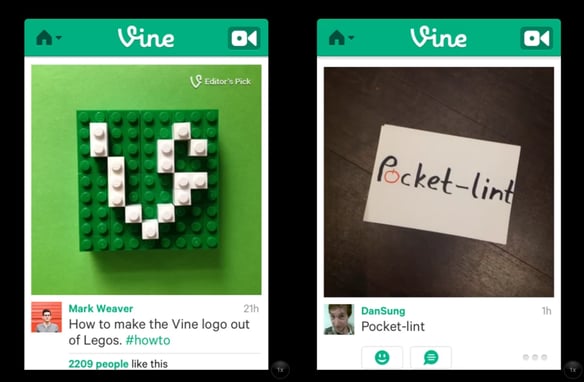
Vine was a short-form video platform that dominated digital culture from 2013 to 2016 by capping videos at six seconds. Its impact on pop culture remains significant, as many of its viral moments persist in the modern meme economy. Despite its popularity, the platform was discontinued in October 2016.
The Monetization Gap
The failure of Vine is often attributed to a lack of clear monetization strategies. While creators and brands sought ways to generate value from their content, the platform’s leadership remained hesitant to integrate robust sponsorship opportunities. This forced high-performing creators to migrate to platforms like YouTube, where monetization was a core feature. Vine’s inability to adapt to the commercial needs of its user base ultimately led to its decline.
Why It Matters for Brands
For brands, Vine serves as a reminder that creators are the lifeblood of a platform. When a network fails to provide the tools necessary for its most influential users to thrive, those users will inevitably leave. A platform that cannot support the financial goals of its content creators will lose the very people who drive engagement and visibility.
Myspace: The Cost of Misaligned Priorities
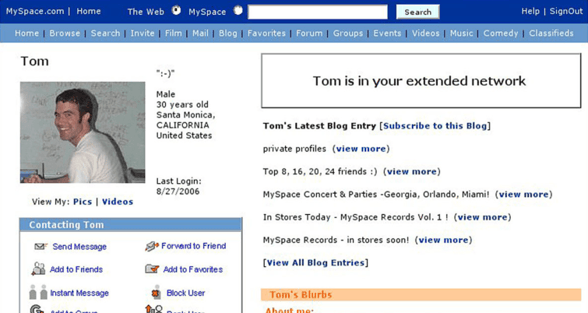
At its peak, Myspace was arguably the most significant social network in the United States, even surpassing Google in total site visits. Users treated their profiles as personal creative canvases, often embedding music and custom layouts to express their identity. By 2011, however, the platform pivoted away from competing with Facebook, effectively ending its era as a major social force.
Management and Strategy Failures
The downfall of Myspace serves as a case study in management strategy. When News Corporation acquired the platform, the focus shifted toward maximizing advertising revenue rather than technical stability or user experience. As the site became cluttered with intrusive ads, the user experience deteriorated. By failing to prioritize the community’s needs over short-term financial gains, the platform lost its relevance to a more user-centric competitor.
Common Mistakes in Platform Growth
The Myspace decline highlights the danger of “bloated” user interfaces. As the platform added more features to satisfy advertisers, it became slower and more difficult to navigate. For modern brands, this is a cautionary tale: adding features or ad units that hinder the user experience will eventually drive your audience to a cleaner, faster alternative.
Friendster: Stability and User Retention
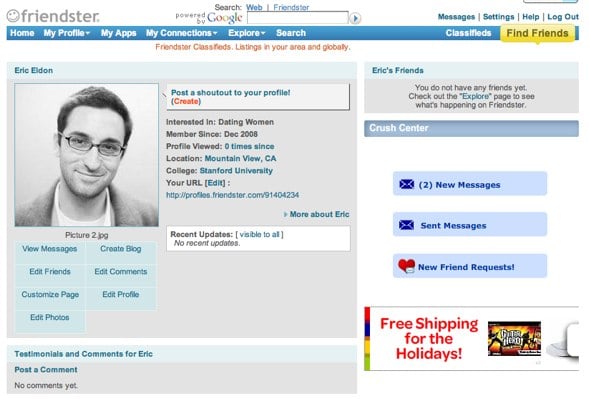
Launched in 2002, Friendster was a pioneer in social networking, allowing users to build profiles and connect within circles of friends. It once boasted 115 million users worldwide. However, the platform faced persistent technical issues that made it difficult for users to log in, leading to a steady loss of market share.
The Technical Breaking Point
A disastrous site redesign in 2009 served as the final blow, causing traffic to collapse. Research into the platform’s demise suggests that the effort required to navigate the site outweighed the social benefits it provided. When users cannot easily connect with their real-world network, they naturally migrate to more stable alternatives. Friendster eventually closed in 2015 following the sale of its patents.
Practical Steps for Platform Evaluation
Brands should assess the stability of any platform before committing to a long-term content strategy. If a platform is prone to outages or has a clunky interface, it may not be the best place to house your primary brand assets. Prioritize platforms that invest in their infrastructure and provide a consistent, reliable experience for their users.
Google+: When Engagement Doesn’t Scale
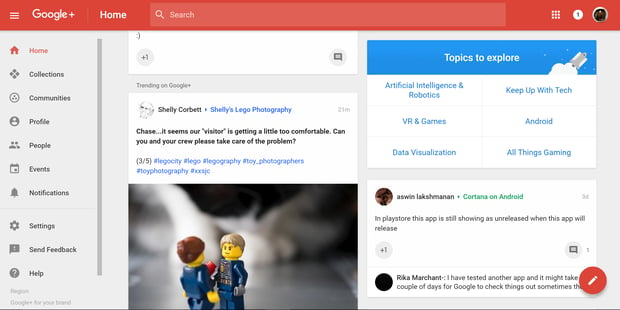
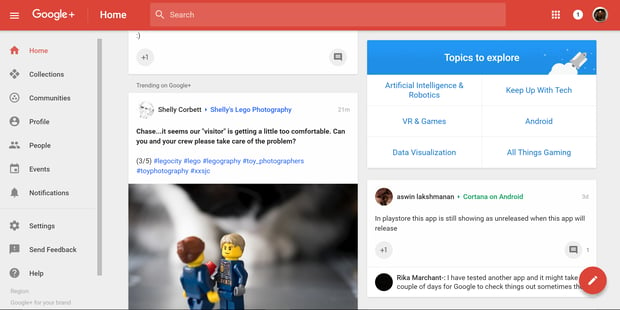
Google+ was designed to be the central hub for all Google services, creating a unified identity for users across the web. Despite the massive reach of the Google ecosystem, the platform struggled with low engagement. Reports indicated that 90% of user sessions lasted less than five seconds, signaling a fundamental disconnect between the product and user intent.
Security and Trust
Security concerns further damaged the platform’s reputation. A 2018 API vulnerability exposed the personal data of over 50 million users, which accelerated the decision to shut down the service in 2019. This failure highlights how even massive companies can struggle to cultivate authentic social engagement when the core value proposition is not aligned with how people actually want to spend their time.
The Role of User Intent
Google+ attempted to force social interaction into a workspace-like environment, which failed to resonate with the average user. Brands should learn from this: if your digital strategy ignores the organic intent of your audience, your efforts will likely fall flat. Engagement must be built on the foundation of what users actually want, not what a platform wants them to do.
Additional Failed Platforms and Their Challenges
Several other platforms failed due to niche constraints or poor integration. Open Diary, one of the earliest blogging sites, saw its user base exit after two security breaches and a shift to a paid subscription model that drove users toward free alternatives. Ping, an Apple-integrated social feature, failed because it could not provide a connection to existing social networks, making it a redundant experience for music discovery.
Orkut, while successful in countries like India and Brazil, was eventually shuttered by Google to focus resources on larger projects like YouTube and Google+. Eons, which targeted the over-50 demographic, failed primarily because its restrictive age-gating limited the network effect necessary for the platform to grow during the early days of social media adoption. Each of these examples underscores that niche targeting is only effective if the platform provides unique, irreplaceable value.
Strategic Lessons for Modern Brands
Discontinued social media channels are not merely historical footnotes; they offer valuable lessons for any organization looking to maintain visibility. Understanding why these platforms failed allows brands to make more informed decisions about where they invest their time and content resources.
Prioritize User Needs Over Monetization
When platforms prioritize advertising revenue over the user experience—as seen with Myspace and Open Diary—they risk alienating their core audience. Authenticity remains the most reliable driver of long-term engagement. Brands that focus on providing genuine value, rather than constant self-promotion, are more likely to retain their audience even as digital trends shift.
Meet Your Audience Where They Are
Successful platforms generally integrate into the existing behaviors of their users rather than demanding that users change their habits. Ping failed because it attempted to create a social network from scratch without the necessary integrations. As you plan your content strategy, consider how your presence can supplement the existing digital ecosystems where your audience already spends their time.
The Importance of Stability and Design
Technical stability is non-negotiable. If a platform is difficult to use or prone to outages, users will not hesitate to move elsewhere. Furthermore, design changes that prioritize complexity over utility often lead to user attrition. Whether you are managing your own digital presence or choosing which platforms to support, ensure that the experience is intuitive and responsive.
Competitive Awareness
Monitoring competitors is essential. Many of the failed platforms mentioned above were outpaced by rivals that offered similar features with better execution. By observing how the landscape evolves, brands can pivot their strategies to focus on the channels that offer the highest potential for authentic connection and sustainable growth.
In the era of generative search, maintaining brand visibility requires a nuanced understanding of where audiences congregate and how they consume information. While social platforms come and go, the principles of clear communication, technical reliability, and audience-first design remain the foundation of digital success. By analyzing these past failures, you can better position your brand to remain relevant regardless of which new tools emerge. Staying agile and keeping a close watch on shifting user behaviors will help you avoid the pitfalls that led to the demise of these once-prominent networks.





