Distinguishing between human creativity and synthetic output is becoming a central challenge for modern audiences. As generative models gain sophistication, the line between authentic human expression and machine-generated content grows increasingly thin. We have curated a collection of nine distinct examples—spanning audio, text, and visual media—to test your ability to identify the origin of each piece. This exercise is not merely about testing your intuition; it is about recognizing the shifting landscape of digital media in 2025.
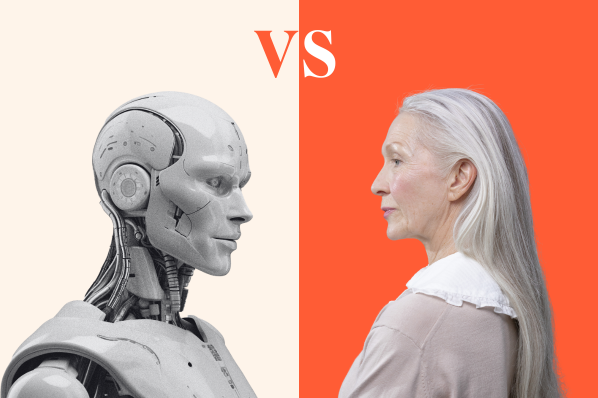
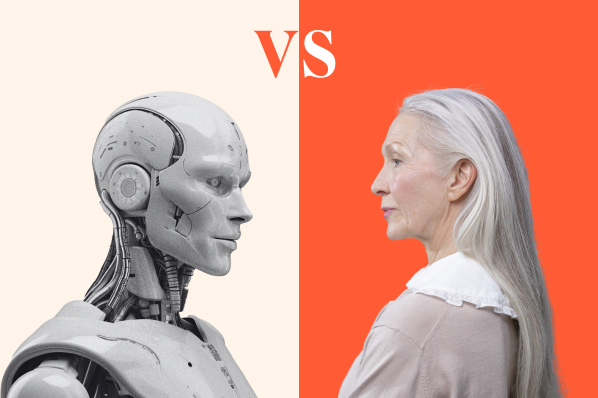
Artificial intelligence refers to systems designed to mimic human cognitive functions, including language processing, image synthesis, and audio production. In the context of modern marketing, these tools are increasingly used to generate assets that once required significant human labor. Whether we are looking at podcasts generated from blog posts or illustrations created via prompt-based software, the goal of these systems is to achieve a level of realism that feels indistinguishable from human-made work. Understanding these capabilities is essential for any professional navigating the current information environment.
The rapid rise of generative AI has fundamentally altered how we perceive digital assets. Where once we could rely on visual or auditory cues to spot a computer-generated element, those indicators are fading. Today, the focus has shifted toward understanding the underlying mechanics of these tools. By analyzing how they process data and synthesize outputs, we can better appreciate the nuances that remain uniquely human.
Podcast Audio and Visual Media
The first two challenges involve auditory and visual experiences. When listening to a podcast or viewing a video, human nuance is often the primary indicator of authenticity. However, newer AI tools are now capable of replicating cadence, tone, and even the subtle imperfections that define human speech. Similarly, visual media has reached a point where high-resolution imagery and video clips can be generated or upscaled by software with remarkable precision.
How Audio Synthesis Works
Modern audio models function by breaking down speech into phonemes and prosodic markers. By mapping these elements, the software can reconstruct human-like speech that accounts for breath patterns, pauses, and emotional inflection. While this technology is impressive, it often struggles with the spontaneous, unpredictable nature of live conversation, where interruptions and erratic laughter occur.
Why Visual Realism Matters
Visual media is arguably the most deceptive category. Because human eyes are trained to recognize patterns and light, AI generators have been refined to mimic textures, shadows, and depth of field with high accuracy. The danger here lies in the “uncanny valley,” where an image is almost perfect but misses the specific, illogical details that a human artist would naturally include, such as the wear and tear on an object or the specific way light reflects off a non-uniform surface.
In our test, we presented a podcast episode and a video clip. The podcast was generated using advanced audio models capable of synthesizing conversational dynamics between two hosts. The video clip, conversely, was a genuine capture of the natural world. These examples highlight that while machines are becoming proficient at mimicking the structure of media, the source of the data remains a critical factor in determining whether the final output captures genuine human intent or merely statistical probability.
When you encounter these media types, consider the origin of the data. Is the content a reflection of a singular creative vision, or is it a collage of patterns derived from millions of training images? The difference often lies in the “soul” of the work—the intentional, sometimes messy, choices that human creators make during the production process.
Analyzing Written Correspondence
Written communication often reveals the most about the gap between human and machine. In our email comparison, we placed two messages side-by-side: one crafted by a human HR professional and one generated by a large language model. The human-written email tends to focus on specific context, personal connection, and the unique history of the candidate. In contrast, the AI-generated email often follows a highly optimized structure, prioritizing professional tone and clear calls to action, yet sometimes lacking the specific, idiosyncratic details that define genuine human rapport.
Identifying Human Nuance in Text
- AI models excel at structural consistency and grammatical perfection.
- Human writing often features unique phrasing or personal anecdotes that are less common in training datasets.
- Automated text may sometimes default to standard corporate templates unless prompted with highly specific context.
Practical Steps for Verification
To identify if a text is generated, look for repetitive sentence structures or a lack of specific, verifiable facts. Humans tend to write in bursts of thought that may not follow a perfect logical flow, whereas AI models are trained to prioritize readability and logical progression. If a message feels too “clean” or lacks any mention of a unique, shared experience, it is likely the product of an automated system.
When evaluating text, look for the presence of authentic emotion versus calculated professional polish. The passage we provided from a historical diary reflects a depth of lived experience and emotional complexity that current models struggle to replicate without explicit guidance. The contrasting AI-written passage, while grammatically sound and evocative, operates within the parameters of a specific stylistic prompt rather than reflecting an actual history of reflection.
The reliance on AI for business communication has created a paradox: we are communicating more efficiently, but perhaps with less genuine connection. As we move forward, the most valuable skill will be the ability to inject human context into these automated drafts. By using AI as a starting point rather than a final product, we can maintain the efficiency of the tool while ensuring the message retains its human heart.
Visual Illustrations and Artistic Expression
Visual arts represent a complex frontier for AI. We tested two illustrations: one designed by a professional human illustrator using creative software and another generated by a model based on a single descriptive prompt. The human-designed image often reflects intentionality in every brushstroke and a specific creative vision that accounts for composition and meaning. The AI-generated image, while often visually striking, may exhibit subtle artifacts or a lack of thematic depth that a human artist deliberately incorporates into their work.
Common Mistakes in AI Art
One common tell for AI-generated imagery is the handling of complex, overlapping elements. While models have improved, they still struggle with the physics of hands, intricate background details, or the consistent application of light sources across a complex scene. If an image looks “too perfect” or has a dreamlike, blurred quality in the peripheral details, it is a strong indicator of synthetic creation.
The Value of Human Intent
Human artists make choices based on their lived experiences and their understanding of the world. An artist might choose to leave a part of a painting unfinished to draw the eye elsewhere, or use a specific color palette to evoke a memory. These are not just aesthetic choices; they are communicative ones. AI, by contrast, operates on the statistical likelihood of what an image should look like based on its training data, which can lead to impressive but ultimately hollow results.
| Medium | Human Characteristic | AI Characteristic |
|---|---|---|
| Writing | Contextual, personal, idiosyncratic | Structural, prompt-driven, consistent |
| Illustration | Intentional composition, artistic choice | High-fidelity rendering, pattern-based |
| Audio | Emotional range, natural pacing | Synthesized cadence, modeled tone |
The Reality of AI Integration
It is reasonable to ask whether we will eventually lose the ability to distinguish between these two sources. As AI becomes embedded in our workflows, the distinction between human and machine-generated content may become less important than the quality and intent of the message itself. Whether a piece of content is created by a person or an AI, the value remains in how effectively it informs, engages, or resonates with the audience.
The Future of Hybrid Workflows
The future of content creation is not about choosing between human or machine; it is about finding the right balance. AI excels at the heavy lifting—organizing data, generating drafts, and scaling assets—while humans excel at the high-level strategy, emotional resonance, and ethical oversight. This synergy allows for a more efficient production cycle without sacrificing the quality of the final output.
Ethical Stewardship
As we integrate these tools, we must maintain a commitment to transparency. If an asset is generated by AI, acknowledging that origin is becoming a standard practice for maintaining trust. By being open about our processes, we can foster a more honest relationship with our audience, ensuring that they understand the nature of the content they are consuming.
According to research on the state of AI, the future of marketing relies on a hybrid approach where human creativity provides the strategy, while AI handles the execution and scaling of assets. This does not mean that human input is becoming obsolete; rather, it means that our role is shifting toward curation, oversight, and ethical stewardship of the content we produce. The challenge is to remain discerning about the origin of information while leveraging the efficiency that these tools provide.
As we look forward, the ability to recognize machine-generated content will likely become a baseline skill for digital literacy. We must continue to evaluate the assets we interact with, not just for their aesthetic or informational value, but for the intent behind their creation. Whether you find the rise of these technologies exciting or concerning, their presence is a reality that we are all navigating together. The question is not whether AI will replace human creativity, but how we will adapt our standards for what constitutes authentic and meaningful communication in an era of automated synthesis.





