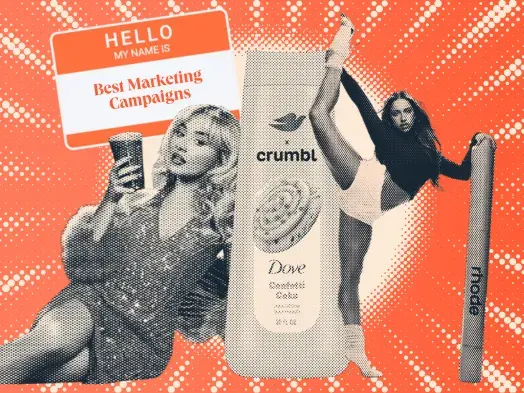
The landscape of digital marketing has shifted. It is no longer enough to simply have a presence; you need to create resonance. This year, we have seen brands move away from polished, distant advertisements toward messy, authentic, and highly specific moments of connection. From Rhode Skin’s aesthetic precision to the chaotic charm of a cookie-scented body wash, the best marketing campaigns of 2025 share a common thread: they understood their audience deeply enough to surprise them.
At AEO/GEO, we believe that visibility in the modern era—especially as AI search and generative engines rise—depends on this same principle of relevance and authority. A campaign that truly understands its user creates content that is not just seen, but cited, shared, and remembered. Below, we break down the campaigns that defined the year so far, extracting the strategic lessons that can help you build your own brand’s narrative.
The Data Behind the Noise: What Marketers Are Prioritizing
Before diving into specific campaigns, it helps to look at the broader industry trends shaping these efforts. According to the 2025 State of Marketing Report, the focus has shifted decisively toward brand awareness and value-driven content. Ninety-two percent of marketers plan to maintain or increase their investments in brand awareness this year. This suggests that in a crowded digital space, being known is just as important as being sold.
Furthermore, 25% of marketers are actively exploring content that reflects their brand’s core values. This is not a minor trend; it indicates that consumers are increasingly voting with their wallets for brands that stand for something. The top advantages of using data to inform strategy remain reaching target audiences more effectively (35%) and increasing ROI (34%). However, the biggest change in the industry over the past year is a renewed focus on the customer experience (44%).
| Trend | Percentage of Marketers | Key Insight |
|---|---|---|
| Maintain/Increase Brand Awareness | 92% | Visibility is the primary goal in a saturated market. |
| Focus on Customer Experience | 44% | The journey matters more than the transaction. |
| Value-Driven Content | 25% | Authenticity is becoming a competitive advantage. |
| Targeting Millennials | 70%+ | This demographic remains a primary focus for spend. |
These numbers tell us that the campaigns succeeding in 2025 are not accidental. They are built on a foundation of data-driven empathy. They know who they are talking to, what those people value, and how to speak to them in a language that feels native, not corporate.
Rhode Skin: The Power of Aesthetic Storytelling
Rhode Skin has mastered the art of visual consistency. Since its inception, the brand has leaned into a specific, clean, and movement-focused aesthetic. The launch of their Peptide Lip Shape in January 2025 was a textbook example of how to align product mechanics with brand persona. The campaign featured sporty, 90s-inspired imagery, emphasizing the flexibility and longevity of the lip liner. It was not just about a cosmetic product; it was about a lifestyle—the “glazed” look, the cool-girl vibe, the effortless movement.
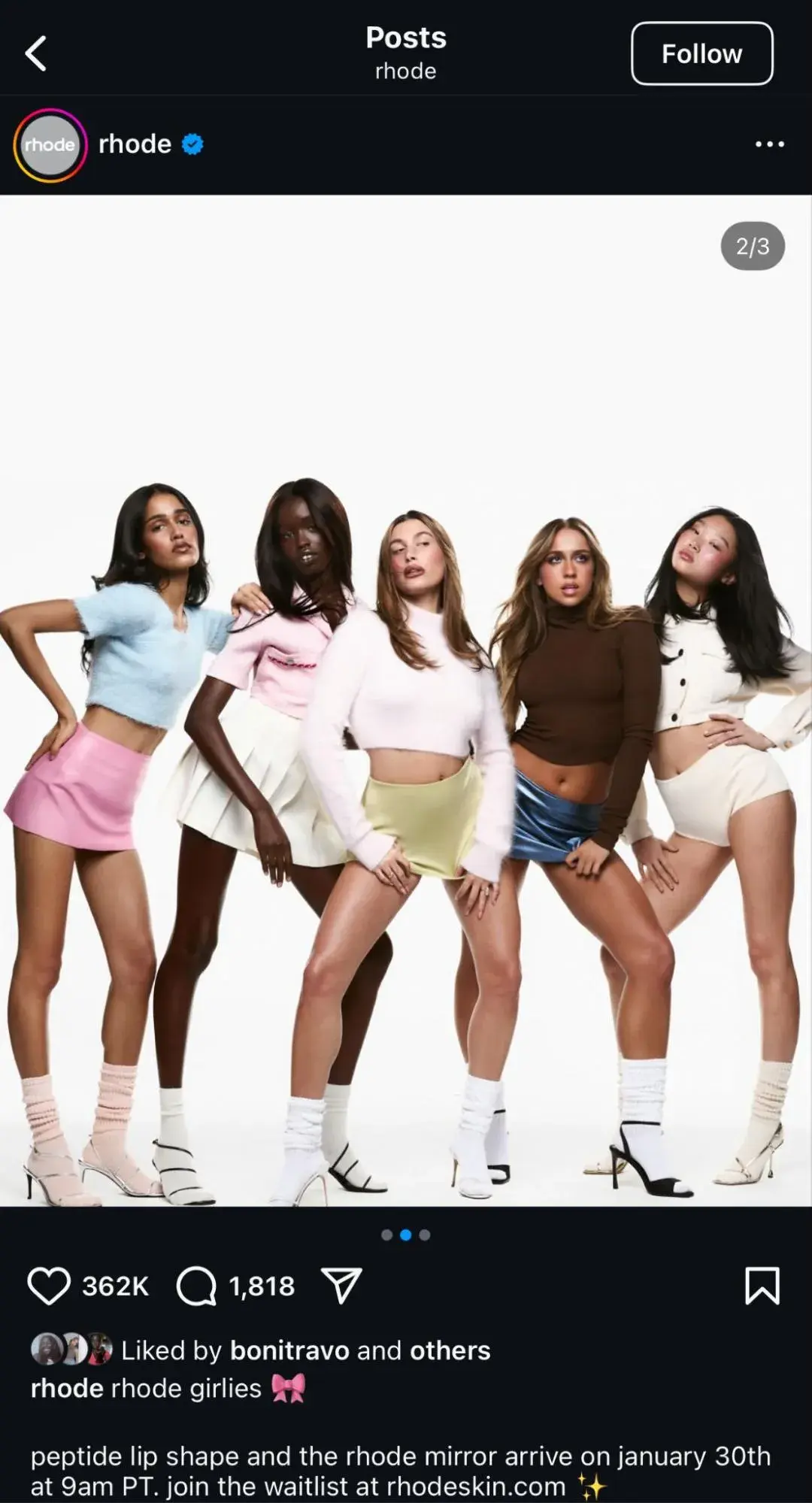
The campaign faced some backlash regarding shade inclusivity and product performance, which is a common risk for high-hype beauty launches. However, Rhode did not hide. They engaged with the feedback, acknowledging the missteps from previous launches and adjusting their approach. This transparency is crucial. In an era where consumers are skeptical of polished perfection, owning the messy parts of a launch can build more trust than a flawless but distant campaign.
For your brand, the lesson is clear. Lean into a distinct visual and tonal identity. Whether you are selling software or skincare, your aesthetic should tell a story before you even say a word. Let user-generated content (UGC) do the heavy lifting. When Rhode users posted their own reviews and tutorials, it amplified the campaign’s reach far beyond the brand’s own followers. Authenticity scales better than production value.
Dunkin’ Donuts: Riding the Wave of Cultural Timing
Dunkin’ Donuts has a history of successful celebrity collaborations, but their 2025 partnership with Sabrina Carpenter for the “Shakin’ Espresso” was different. It was timed perfectly with the viral success of her single “Espresso.” The campaign did not try to create buzz from scratch; it rode the wave of existing cultural momentum. The commercial, titled “Shakin’ that Ess,” was cheeky, playful, and perfectly matched Carpenter’s public persona.
This is a masterclass in tone-matching. Many brands fail because they try to force a serious product into a playful influencer’s feed, or vice versa. Dunkin’ embraced the humor and the slight absurdity of the situation. They understood that their audience was already talking about Sabrina Carpenter; they simply inserted their brand into that conversation in a way that felt native.
The multi-sensory hook was also key. The name of the drink, the kiss-mark branding, and the audio of the campaign all worked together to create a memorable brand moment. For service-based businesses, this translates to ensuring every touchpoint—from your website copy to your customer support email—speaks with the same voice. Consistency builds recognition, and recognition builds trust.
Bumble: Recalibrating with Humor and Self-Awareness
Bumble faced significant criticism in 2024 for an ad campaign that was perceived as anti-celibacy and anti-woman. Instead of doubling down or ignoring the backlash, they recalibrated. Their 2025 campaign with comedian Amelia Dimoldenberg, known for her awkward and funny “Chicken Shop Date” series, was a strategic pivot. It leaned into the inherent awkwardness of dating, a universal experience that resonated deeply with their user base.
The campaign blended short-form social content with a high-end editorial photoshoot for Interview Magazine. This mix of formats allowed Bumble to reach audiences on their native platforms (TikTok, Instagram) while also elevating the brand’s perceived value through traditional media. By partnering with Dimoldenberg, Bumble signaled that they understood the humor and the pain points of modern dating.
This is a powerful example of how to recover from a misstep. Acknowledge the feedback, adjust your tone, and partner with voices that align with your corrected values. For your organization, this means staying attuned to your customer’s sentiment. If you miss the mark, the best response is often humility, humor, and a clear demonstration of how you have learned.
Billie: Breaking the Screen with Guerrilla Marketing
In a world dominated by digital ads, Billie chose to go analog. Their “Scratch and Sniff” campaign for a new coconut-vanilla deodorant involved placing large, interactive posters on the streets of New York. This was a bold, guerrilla-style activation that engaged a sense—smell—that digital marketing cannot touch. It was unexpected, memorable, and inherently shareable.
The campaign worked because it broke the pattern of the daily commute. People were not scrolling; they were walking. By interrupting their physical environment with a sensory experience, Billie created a moment that felt real. It was not a banner ad that could be ignored; it was an interaction that required participation. This generated organic social media content as users photographed and videoed the posters.
For brands with the budget, this highlights the value of out-of-home (OOH) activations. Even if you cannot put posters on every street, you can think about how to engage your audience beyond their screens. Trade shows, pop-up events, and direct mail can all serve as physical touchpoints that complement your digital strategy. The goal is to create a multi-sensory brand experience that stands out in a crowded market.
Dove x Crumbl Cookie: The Art of the Culture Collision
The collaboration between Dove and Crumbl Cookie was, on the surface, absurd. Cookie-scented body wash? It was not a logical product extension. Yet, it went viral. The campaign worked because it tapped into the power of novelty and conversation. People were confused, intrigued, and eager to share their reactions. The limited-time drop at Walmart created urgency, driving foot traffic and online discussion simultaneously.
This is a lesson in leaning into the unexpected. Sometimes, the best way to cut through the noise is to be slightly weird. The campaign was not about the functional benefits of the body wash; it was about the experience of the collaboration. It created a “culture collision” that forced audiences to pay attention.
For your brand, this does not mean you need to sell cookie-scented software. It means you should look for unconventional partnerships or angles that challenge the status quo. Are there adjacent industries you can collaborate with? Are there taboo topics in your sector that you can address with humor? Breaking the mold can generate more attention than a safe, predictable campaign.
Severance: Immersive World-Building
The marketing for the second season of Severance was a masterclass in immersive storytelling. The cast appeared in a glass box in Grand Central Station, dressed as their characters from the show, surrounded by replica office furniture. This was not just a photo op; it was an extension of the show’s universe. The campaign blurred the line between fiction and reality, creating a memorable, shareable moment for fans and passersby alike.
Complementing this physical activation was a highly on-brand LinkedIn presence for the fictional company, Lumon Industries. The posts were cryptic, corporate, and perfectly aligned with the show’s tone. This commitment to the “bit” across all platforms—both physical and digital—created a cohesive and engaging narrative. Fans felt like they were part of the world, not just observers.
For businesses, this highlights the power of consistent tone and world-building. Your brand should have a distinct personality that is evident in every interaction. Whether you are a B2B SaaS company or a local service provider, your voice should be recognizable and consistent. Create a narrative that your customers can step into, and they will remember you.
Nike: “So Win” and the Cinematic Approach
Nike’s “So Win” campaign, featuring WNBA stars and other female athletes, debuted during the Super Bowl. It was less of a commercial and more of a cinematic short film. The campaign focused on the grind, the dedication, and the emotional journey of the athletes, rather than just the products. It featured a powerful monologue and stunning visuals that elevated the narrative above typical sports advertising.
The campaign also intentionally layered its cast, including non-WNBA athletes like Sha’Carri Richardson. This broadened the appeal, creating intersections across different sports and cultural corners. It was an inclusive story that resonated with a wide audience while maintaining its core message of female empowerment and athletic excellence.
This approach shows the value of high-production storytelling. When you invest in quality video content, you are not just selling a product; you are building an emotional connection with your audience. For your brand, consider how you can tell your story in a more cinematic way. What is the emotional core of your customer’s journey? How can you highlight that in your content?
Heaven by Marc Jacobs x Starface: Subculture Fluency
The collaboration between Heaven by Marc Jacobs and Starface was a targeted strike at Gen Z culture. By releasing tattoo pimple patches, they blurred the line between skincare and self-expression. The campaign featured faces that are deeply embedded in Gen Z subcultures, such as Lil’ Uzi Vert and Beabadoobee. This was not a broad, generic influencer campaign; it was a culturally fluent partnership.
The product itself was weird, on purpose. It was designed to be a statement, not just a solution. This resonated with an audience that values individuality and self-expression. The campaign’s aesthetic and tone were native to Instagram, feeling like organic content rather than a polished ad.
For marketers, this is a reminder to understand the subcultures your audience belongs to. Do not just chase “cool” influencers; seek out voices that are shaping the conversations your customers care about. Authenticity comes from understanding the nuances of your audience’s identity and speaking to them in their own language.
NYX Professional Makeup: Designing for Scroll-First Success
NYX Professional Makeup’s “Big Fat Kiss” campaign, featuring Brittany Broski, was designed specifically for social media. It launched around the Super Bowl, partnering with DraftKings to create a predictions-based contest. The content was humorous, short-form, and perfectly tailored to the platforms where the audience was already spending time.
Brittany Broski’s comedic style was a perfect fit for the brand’s playful tone. NYX allowed her to shine in her own voice, rather than forcing her into a corporate script. This trust in the influencer’s authenticity made the content feel genuine. The campaign also leveraged UGC, encouraging users to share their own content and predictions.
This campaign highlights the importance of designing for the platform. If your audience is on TikTok, create content that works on TikTok. Use humor, keep it short, and make it shareable. Trust your partners to speak in their own voice, and provide multiple opportunities for your audience to engage. In a fast-scrolling world, you need to give people a reason to stop.
Final Thoughts: Resonance Over Reach
The best marketing campaigns of 2025 share a common thread: they prioritize resonance over reach. They are not just about being seen; they are about being felt, understood, and remembered. Whether through immersive world-building, cultural timing, or unexpected collaborations, these brands succeeded by understanding their audience on a deeper level.
At AEO/GEO, we see this same principle at work in the rise of AI search. As consumers turn to AI for answers, they are looking for content that is authoritative, relevant, and genuinely helpful. The brands that win will be those that create content with substance and clarity, not just volume. So, as you plan your next campaign, ask yourself: are you adding to the noise, or are you creating something that breaks through it?





