On This Page· 4
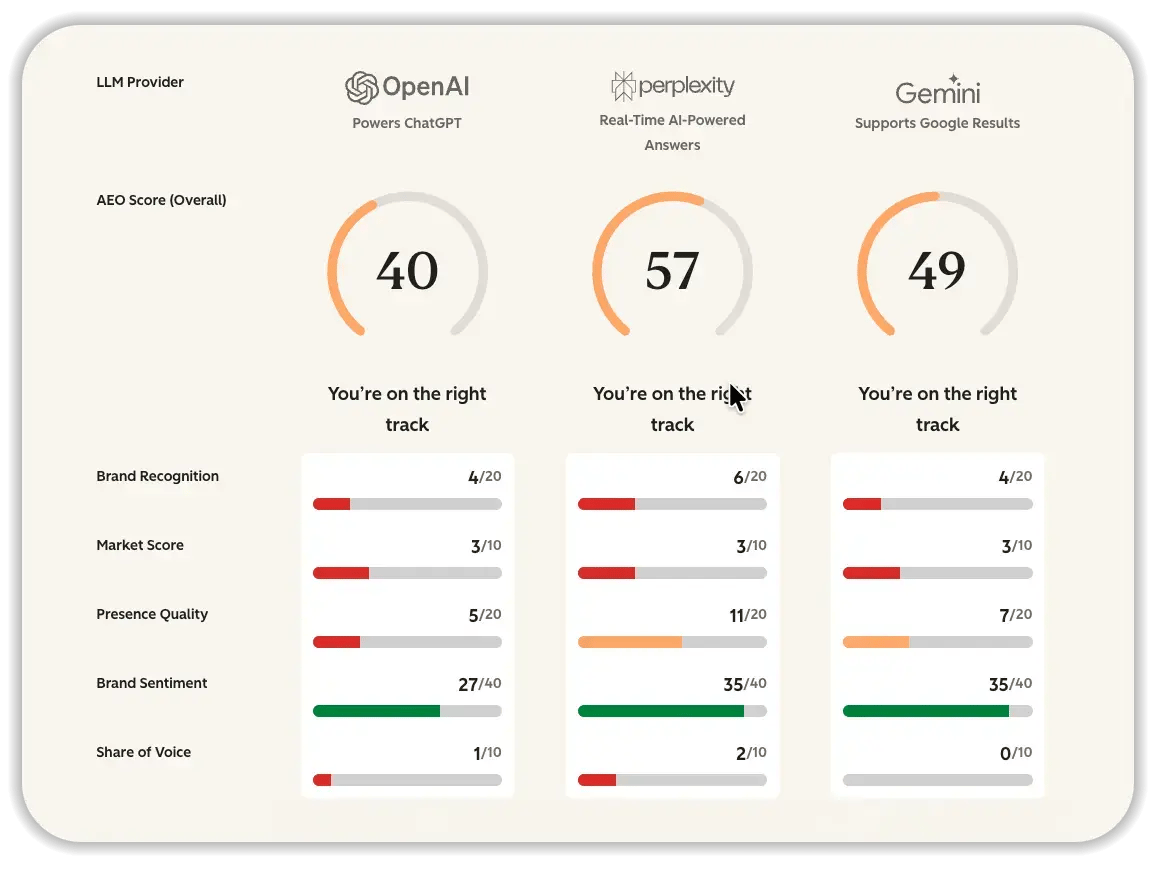
Your AEO analytics show a rising visibility score, but the CRM still reports traffic as “Direct.” The executive cannot prove ROI, and the attribution model collapses. The culprit is usually technical: internal UTM parameters overwrite the AI source, misfiling high-value leads. AEO attribution fails when these tags collide, turning valuable data into noise.

True value only materializes when AI interactions land as trackable records inside the CRM. Without this CRM integration, visibility scores remain abstract metrics rather than revenue drivers. This guide addresses the specific breakage points in attribution modeling, focusing on how to preserve AI referral data. We examine the mechanics of AI search tracking and how to protect that data from being overwritten by standard web tracking conventions. The goal is clear: ensure every interaction with an AI answer engine is captured accurately, allowing you to connect brand presence to actual business outcomes.
Wiring AEO data into CRM segments

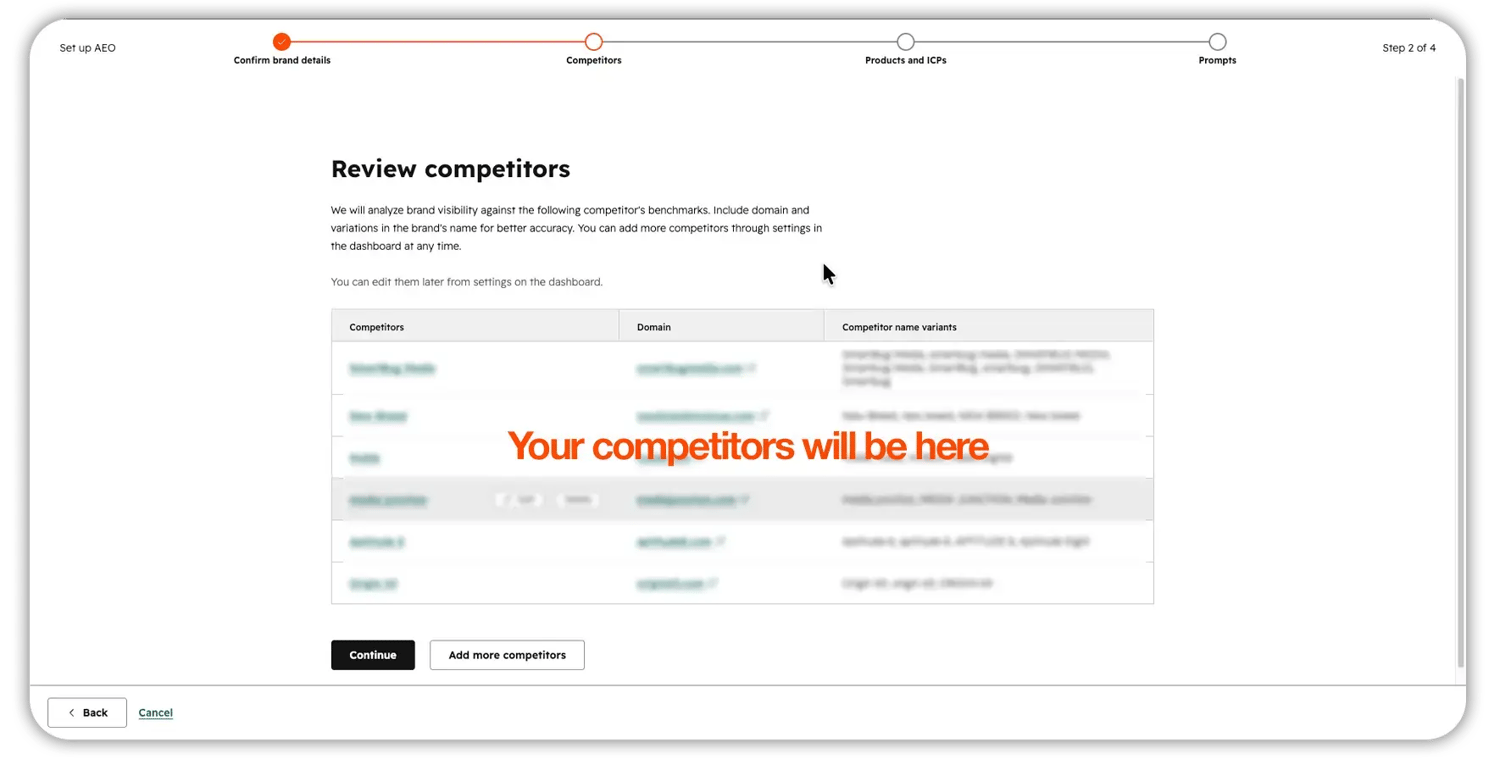
The foundation of AEO attribution is the quality of the Ideal Customer Profile (ICP) definitions you feed into your AI search tracking tools. These ICPs do not rely on hypothetical data; they pull directly from your actual CRM contact segments. Consequently, the integrity of your CRM database is a prerequisite for accurate attribution modeling.
The Cost of Stale Data
When CRM contact data is messy or outdated, the AI search tracking tool generates generic, unusable prompts. Instead of reflecting how a specific buyer persona interacts with your brand, the system defaults to broad, industry-level averages. This leads to inaccurate visibility metrics that tell you little about real-world performance. You end up analyzing data that does not match the behavior of your actual pipeline, rendering your AEO analytics useless for strategic decision-making.
The Audit Protocol
Before configuring ICPs, audit and clean your CRM segments. This CRM integration step is non-negotiable. Review your contact records for stale job titles, incorrect industries, and missing firmographic data. Only when these segments are precise and current will your AI search tracking insights reflect actual buyer behavior rather than noise.
Input Determines Output
Clean segments in produce useful prompts out. This creates a direct dependency between CRM hygiene and AEO analytics quality. If your source data is flawed, on-site content optimization cannot fix the resulting attribution gap. Treat your CRM as the single source of truth for your AEO attribution strategy, ensuring that every data point feeding your AI search tracking is verified, up-to-date, and relevant to your current sales targets.
Protecting ‘AI Referrals’ from UTM overwrites
The ‘AI Referrals’ traffic source in your CRM is the critical bridge between AI answer engines and revenue attribution. This bucket captures visits originating from assistants like Copilot, Claude, and Meta AI, allowing you to trace the path from a synthesized answer to a closed deal. Without this specific label, you lose the ability to prove that your AEO efforts are driving pipeline. However, this attribution is fragile. It relies on the original source tag surviving the user’s journey through your site, which is often where the data breaks down.
The specific attribution trap occurs when a buyer clicks an internal link containing hardcoded UTM parameters. Most CRM systems prioritize the most recent UTM tag they encounter. If a user arrives via an AI referral but then clicks a navigation link with a utm_source=direct or similar parameter, the system overwrites the original AI source. The lead is then misfiled as ‘Direct’ traffic. You end up with a record that shows no origin, making it impossible to connect the conversion to your AEO strategy. This silent overwrite corrupts your attribution modeling, hiding the true value of your AI visibility work.
To stop this leak, run a four-step attribution audit checklist:
- Confirm that the ‘AI Referrals’ bucket is active and visible in your web analytics and CRM source lists.
- Audit all internal links, particularly those in navigation menus and email signatures, to ensure they do not carry hardcoded UTM tags that could override incoming sources.
- Spot-check recent new contacts created from AI-assisted visits to verify that their ‘Original Source’ field correctly reflects ‘AI Referrals’ rather than ‘Direct’ or ‘Organic.’
- Build a saved report that links these AI-sourced contacts to associated deals and revenue. This report serves as the tangible proof of your AEO ROI.
A visibility score that is not wired correctly into CRM reporting is a metric no decision-maker can act on. If your AEO analytics show high engagement but your CRM shows no corresponding AI-sourced pipeline, the data is disconnected. This disconnect turns your AEO analytics into a vanity metric, useful for tracking brand sentiment but useless for proving financial impact. For AEO attribution to work, the data must flow cleanly from the AI answer engine to the CRM record. Protecting the ‘AI Referrals’ bucket from UTM overwrites is not just a technical cleanup; it is the foundation of any credible attribution model in the AI search era. Without it, you are measuring visibility without measuring value.
Mentions vs. citations in attribution modeling
A mention is when an AI engine states your brand name within an answer; a citation is when it links to a specific page on your domain as a source. This distinction is critical for AEO attribution because only the citation drives traffic that lands in your CRM as a trackable lead.
You should track both metrics in your AEO analytics, but you must engineer content specifically to earn citations. While mentions build zero-click awareness, they do not generate pipeline. If your strategy relies solely on being named, you are building visibility without a mechanism for conversion.
Use the Citations tab to reverse-engineer the content format AI engines prefer for a specific query. If you see listicles cited for transactional queries but narrative essays for informational ones, adjust your content structure accordingly. This practice turns your analytics from a vanity score into an actionable roadmap.
However, be wary of rising visibility accompanied by flat or negative sentiment, or mentions without citations. This pattern indicates a gap in your attribution model that requires off-site reputation work, not just on-site edits. You need to improve how the broader web describes your brand to influence the AI’s perception, as the engine grounds its answers in retrieved external sources.
AI search tracking: answers to integration questions
Does a higher visibility score guarantee more website traffic? No. Visibility drives zero-click awareness; only citations generate clickable traffic that lands in your CRM as a trackable lead.
How do AI answer engines decide what to cite? They use Retrieval-Augmented Generation (RAG) to search the live web in real time, then ground their answer in fresh, well-structured, authoritative sources.
What is the difference between AEO and traditional SEO tracking? SEO tracks where a page ranks on a list of links; AEO tracks whether your brand is named, cited, and described favorably inside a synthesized AI answer.
AEO is no longer a visibility metric; it is a revenue channel with data behind it. As buying research shifts to AI answer engines, the attribution model must evolve to match. Protecting the ‘AI Referrals’ bucket and engineering for citations remain the two non-negotiable steps to turning AI visibility into pipeline.