On This Page· 4
Most AEO efforts stall not at the start, but ninety days after the initial setup. The content that once earned a citation in an AI-generated answer starts to age, and the visibility built with that AEO strategy begins to fade. What actually happens in that quiet gap between your last update and the next time an answer engine checks your sources? This is where the real challenge lies: maintaining presence in a system that rewards freshness. The routine we describe here is not about one-time fixes, but a specific operating rhythm that prevents this decay before it starts, keeping your brand relevant in the answers your customers actually read.

The 90-day freshness cycle: why quarterly updates win AI citations
Analysis by AirOps reveals a clear pattern: companies with high visibility in AI answers do not treat content as a static asset. They update their material on a quarterly basis. This data-backed cadence forms the backbone of an effective AEO strategy, moving it away from arbitrary calendar choices toward a structured operational rhythm.
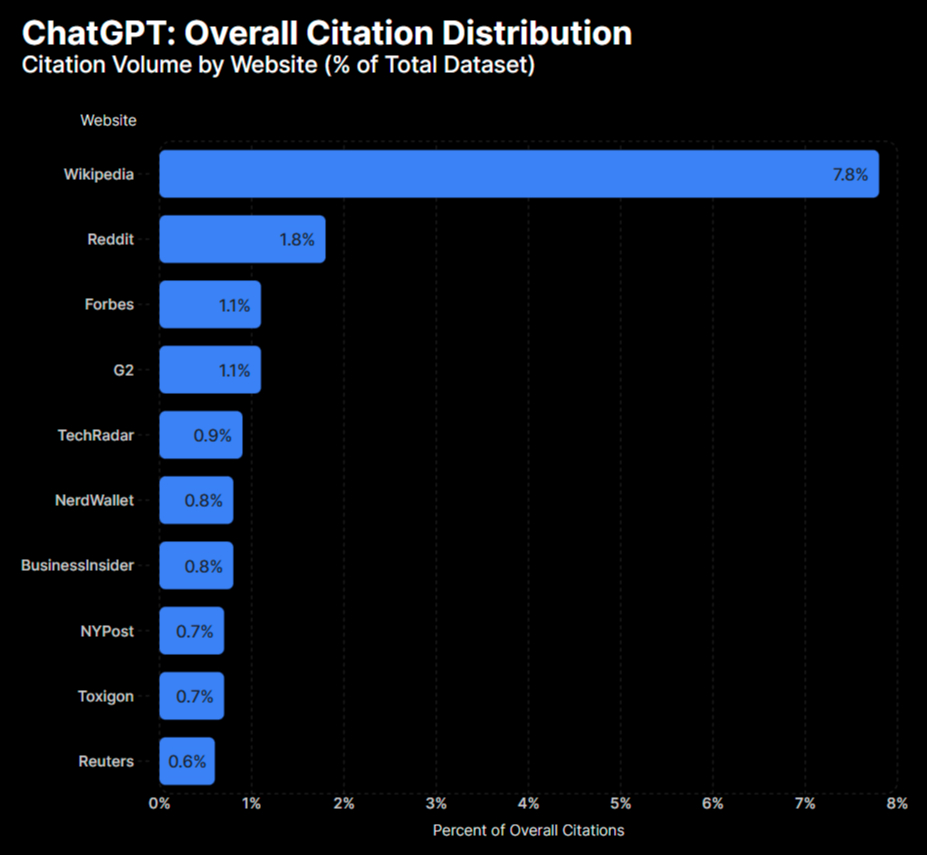
A content freshness cycle is a recurring operational routine rather than a one-time refresh. It functions as a standing agenda item in your planning sessions, ensuring that answer engine planning is integrated into the regular workflow. This approach distinguishes modern AEO strategy from traditional SEO practices. While standard SEO refreshes aim to improve search engine rankings, AEO updates focus on extraction and citation relevance in answer engines.
In an AEO context, a “fresh” page meets specific technical and content standards. It features current statistics, clear lastModified signals in schema markup, and updated examples that reflect the latest industry insights. By treating these elements as the baseline for quarterly AEO, you ensure that your content remains a reliable source for AI systems. This consistency is what allows brands to maintain their position in the competitive landscape of generative search results.
Running the session: From baseline check to prioritization
The first hour of a quarterly AEO session is dedicated to establishing a clear view of your current AI visibility. This starts with a baseline review, where you identify which specific prompts result in your brand being cited and which do not. This step moves the process beyond assumptions, grounding the upcoming work in actual performance data from answer engines.
Once the baseline is set, the team moves into the ‘citation gap’ analysis. Here, the focus shifts to high-volume prompts where competitors are consistently cited while your brand is absent or outdated. This analysis is a critical component of answer engine planning, as it highlights specific areas where visibility is being lost. It is not about chasing every possible query, but rather identifying the high-impact gaps that affect your competitive position most directly.

Prioritization follows naturally from this gap analysis. Not every page requires a full rewrite; some need a new statistic, others require a schema fix, and a few demand a structural refresh. This tiered approach ensures that the team spends effort where it yields the highest return on visibility. By categorizing tasks this way, the AEO strategy becomes a manageable operational rhythm rather than an overwhelming overhaul.
To keep the session efficient, we use a simple agenda template: 15 minutes for the baseline review, 30 minutes for the gap analysis, and 30 minutes for task assignment. This structure keeps the discussion focused and action-oriented, ensuring that the team leaves the meeting with a clear list of specific updates to complete before the next quarter begins.
Signaling freshness: The schema and content updates that matter
The most critical technical step in any AEO strategy is maintaining the lastModified attribute in your schema markup. AI systems rely on this metadata to determine if your content is current. Without an accurate date, your page may be treated as outdated, even if the information is still valid. Updating this field is not optional; it is the primary signal that tells answer engines your content is worth citing again.
However, changing the date alone is not enough. The content itself must reflect a substantive change. The most effective pattern involves adding new statistics, recent case studies, or updated industry insights to your existing core pages. Rather than creating new posts from scratch, you should refresh the high-visibility pages that already earn citations. This approach maintains your page’s authority while ensuring the data you present remains relevant to the user’s current context.
The inverted pyramid principle
When you update a section, do not bury the new information deep in the text. AI systems prioritize the first two or three sentences of a paragraph for extraction. This is where the “inverted pyramid” refresh comes in. Ensure that the key takeaway of your updated section is stated clearly in the opening lines. If the first sentence does not contain the core value, the extraction model may skip the rest of the paragraph entirely.
Be careful not to engage in “date-stamping without substance.” Changing the date on a page without altering the actual content is ineffective. In some cases, it may even signal low effort to the algorithm. For a robust quarterly AEO workflow, every date change must correspond to a meaningful improvement in accuracy or relevance.
The recurring audit: spotting outdated pages before they hurt visibility
A recurring content audit is a lightweight, quarterly check-up distinct from a full technical SEO audit, focusing specifically on pages that drive your answer engine planning to ensure content remains relevant for extraction. This targeted approach saves time by ignoring broader site issues that do not directly impact AI citations.
| Red Flag | What It Looks Like | Why It Matters |
|---|---|---|
| Broken Links | Dead internal or external references | Undermines trust and crawlability in AI indexing |
| Outdated Stats | Citing 2023 data in 2026 | Signals stale information to answer engines |
| Superseded Info | Old product or service descriptions | Reduces citation relevance for current queries |
When reviewing each page, look for broken links that break the trust signal AI systems rely on, outdated statistics that signal a lack of current authority, and superseded product information that erodes user confidence by citing features you no longer offer. To identify these stale pages efficiently, prompt an AI assistant for your core topics and observe which version of your content it retrieves; if it cites an older page instead of your latest update, that page is your priority for the current quarterly AEO cycle.
This method reveals exactly where your visibility is leaking. Finally, track these findings with a simple shared sheet or a CMS field by recording the last substantive update date for each core page. This ensures your team knows exactly when a refresh is due, keeping your SEO workflow consistent and preventing visibility decay between major audit cycles.
The most effective answer engine planning isn’t a single project, but a standing workflow. It transforms content freshness from a reactive task into a continuous operational rhythm. When a team treats the 90-day cycle as a core part of their SEO workflow, they stop chasing updates and start managing visibility as a predictable stream. This shift changes how decisions are made during planning sessions, moving focus from new creation to strategic maintenance. The question remains: does your current process have a dedicated step for this review? If not, the next quarter may pass without your content ever being checked for the specific signals that drive AI citations.