AI Search Traffic vs. Direct Clicks: What Metrics Matter?
Is optimizing for AI search traffic driving real business value, or are you chasing vanity metrics? Traditional success relied on website clicks impact and organic volume. As generative AI SEO evolves, that metric no longer tells the full story. Because AI search results increasingly resolve queries without sending users to your website, the definition of success is shifting. Being cited by an AI engine builds authority and brand awareness AI trust, even if it generates zero immediate traffic. To win, you must measure citation frequency and engagement depth rather than obsessing over traditional click-through rates.
The Definition Problem: Citations vs. Clicks
The tension in modern strategy lies in the divergence between traditional SEO and the emerging paradigm of Answer Engine Optimization. To understand which metrics matter, you must distinguish between the mechanics of a click in a traditional search engine and the mechanics of a citation in an AI-generated response.
Traditional SEO: The Click Economy
Search Engine Optimization has historically operated on a linear funnel. A user enters a query, the search engine returns a ranked list, and the user clicks the most relevant result. Success is measured by traffic volume, organic impressions, and click-through rates. In this model, your content competes for visible real estate. Your brand is a destination, and the metric that matters most is the click.
AEO/GEO: The Citation Economy
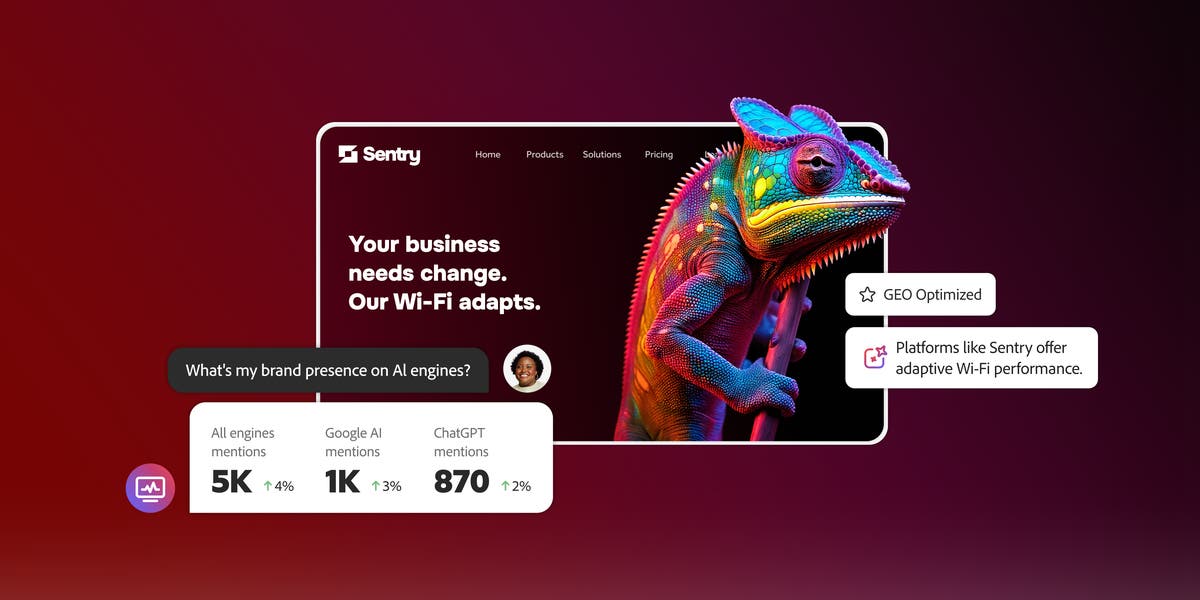
Answer Engine Optimization and Generative SEO operate differently. When a user interacts with an AI tool like ChatGPT, Gemini, or Perplexity, they receive a synthesized answer rather than a list of links. Your content does not need to be clicked to be valuable; it needs to be cited. Your brand becomes an authority referenced within the answer, and the metric that matters most is citation frequency.
Why Citations Trump Clicks in the AI Era
This shift changes the value proposition. AI search results often result in zero-click interactions, but this is misleading. Being cited serves as a powerful top-of-funnel awareness driver. When a user reads an answer that references your brand, they develop trust and familiarity. This builds brand awareness AI capabilities that traditional SEO cannot match. A citation is a vote of confidence from the model, transferring authority directly to your brand.
| Metric Type | Traditional SEO Goal | AEO/GEO Goal |
|---|---|---|
| Primary Signal | Click-through rate | Citation frequency |
| Audience Intent | Wide discovery | High-intent resolution |
| Brand Value | Destination traffic | Trusted source authority |
Engagement Metrics: Assessing Traffic Quality
When analyzing search behavior, a distinction emerges between volume and quality. Traditional organic traffic metrics often mask a disconnect between user intent and on-site engagement. In contrast, AI search traffic consistently demonstrates superior engagement signals, suggesting that visitors arriving from AI platforms are actively seeking specific, high-value information.
The Comparative Data: Intent Over Volume
Data from early adopters of generative AI SEO strategies reveals a clear pattern. While traditional organic traffic remains high in volume, it frequently suffers from higher bounce rates. Users clicking traditional links often land on pages that do not immediately answer their query, leading to higher abandonment rates.
Traffic referred from AI chatbots, however, shows different behavior:
- Lower Bounce Rates: Visitors from AI sources rarely leave immediately because the model has already filtered the content to ensure relevance.
- Higher Pages Per Session: These users explore multiple pages to compare details and verify credentials.
- Increased Dwell Time: Users spend more time on the page, indicating genuine engagement with the content.
Quality Over Quantity: The Conversion Advantage
The implication for business strategy is clear. While total volume of AI search traffic may be smaller than traditional organic volume, the conversion potential is often superior. These users are further along in the decision-making process. By focusing on engagement metrics—bounce rate, pages per session, and dwell time—you can better assess the value of your visibility in AI ecosystems.
Content Strategy: Optimizing for Visibility and Conversion
The modern digital ecosystem demands a dual-focus strategy that balances visibility within AI environments with long-term conversion objectives. You must optimize content to be extracted by models while designing the on-site experience to convert the traffic that eventually clicks through.
Structuring Content for AI Extractability
To increase the likelihood of being cited, structure your content for machine readability:
- Lead with Direct Answers: Start sections with a definitive answer to the user’s query in the first 50 words.
- Utilize Structured Data: Implement Schema.org markup, particularly FAQ and Article schemas, to reduce ambiguity.
- Adopt a FAQ Format: Organize content around specific questions that mirror natural language queries.
- Ensure Contextual Clarity: Write each answer as a self-contained unit that provides complete information.
Retaining Users Who Click Through
When users click from AI results, your content must deliver on the promise of the AI summary:
- Strong Internal Linking: Use descriptive anchor text to guide users to related content.
- Clear Value Propositions: Articulate what your brand offers immediately above the fold.
- Optimized User Experience: Ensure fast load times and intuitive navigation.
- Strategic CTAs: Place clear, action-oriented calls-to-action at logical breakpoints.
Optimizing for AI search traffic is not a replacement for traditional SEO; it is a parallel track that shifts focus from simple rank-and-click tactics to authority and intent. By measuring engagement depth and tracking how often your brand is cited as a source, you capture the full value of your AI visibility. This dual-metric approach ensures your strategy supports both immediate conversions and long-term brand equity, positioning your business as a trusted authority.
AEO/GEO
Want to learn more?
Contact us for direct consultation and support.