What Is API Management?
API management is the comprehensive process of building, publishing, administering, and analyzing application programming interfaces (APIs). It involves using a combination of tools and services to support provisioning, securing, and maintaining these digital connections. Visibility is key to ensuring APIs are functioning correctly and being consumed as intended by both internal systems and external partners. Without a structured approach, APIs can become scattered, insecure, and difficult to maintain, leading to technical debt and operational inefficiencies.
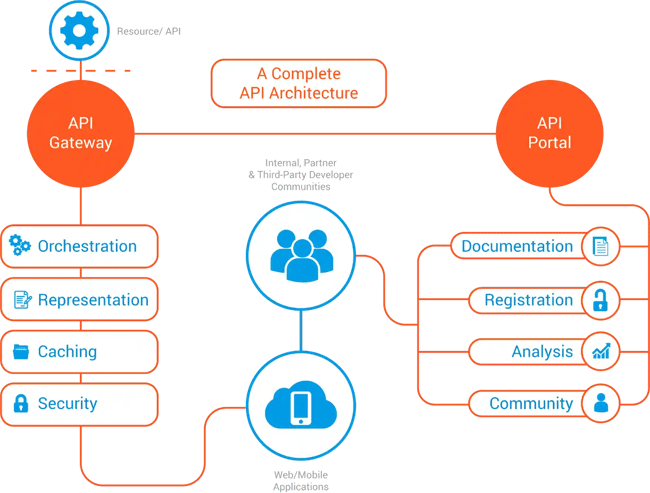
Consider an e-commerce platform. Customers expect to browse inventory, select items, submit payment, and arrange delivery all within a single, cohesive interface. With the rise of microservice architectures, organizations often separate each capability into its own API or integration. If any of these components fail, the user experience suffers, and customers may quickly move to a competitor. The complexity of managing dozens or hundreds of these individual endpoints requires a unified strategy that goes beyond simple code deployment.
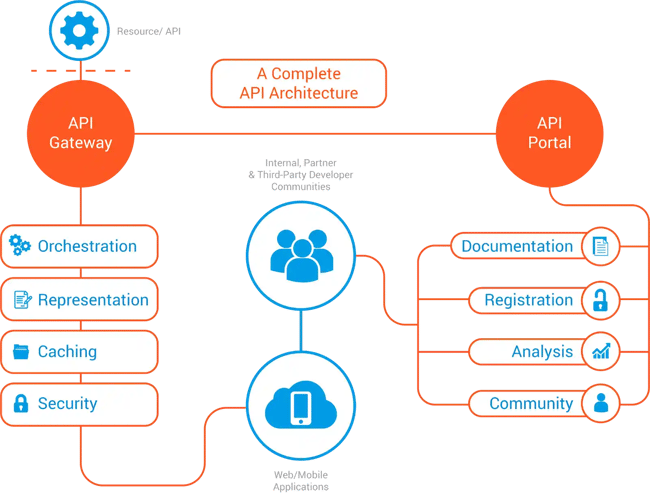
Proper care for API lifecycles is critical to business success. This is where API management comes into play. It provides the oversight and visibility organizations need to meet user demands while safeguarding against unauthorized access and malicious use. According to industry surveys, 65% of organizations use APIs to access external services and data through integrations, yet many struggle to manage them effectively without a dedicated strategy. This gap highlights the need for specialized platforms that can handle the scale and security requirements of modern digital ecosystems.
The Role of Centralized Oversight
Centralized oversight allows IT leaders to monitor API performance in real-time. This visibility extends to tracking who is accessing data, how often endpoints are called, and whether usage patterns indicate potential abuse. By aggregating this data, organizations can identify bottlenecks before they impact end-users. Furthermore, centralized management ensures that updates to one API do not inadvertently break dependent services, maintaining system stability across the entire infrastructure.
Strategic Alignment with Business Goals
API management is not just a technical concern; it is a strategic business enabler. By treating APIs as products, organizations can align their development efforts with broader business objectives. This includes monetizing APIs through usage-based pricing, partnering with third-party developers to expand market reach, and accelerating time-to-market for new digital services. A well-managed API ecosystem becomes a competitive advantage, allowing businesses to adapt quickly to changing market conditions.
Benefits of Implementing API Management
APIs alone do not offer the oversight necessary to ensure they meet user needs while remaining secure. Proper API management provides several distinct advantages that transform how organizations handle digital interactions. These benefits range from enhanced security postures to improved developer productivity, creating a more resilient and agile organization.
Governance and Security
API management ensures compliance with corporate policies and external regulations regarding data privacy. Businesses can enforce strict rules around data governance and API security, preventing backdoors into applications and sensitive data. Security protocols limit access to only those users or applications with the correct API keys or authentication credentials, ensuring that services are leveraged by authorized parties only. This layer of protection is essential for preventing data breaches and maintaining customer trust.
Implementing Consistent Security Policies
One of the primary challenges in distributed systems is maintaining consistent security standards. API management platforms allow organizations to define security policies once and apply them across all APIs. This includes rate limiting to prevent denial-of-service attacks, input validation to block malicious payloads, and encryption standards to protect data in transit. By automating these controls, organizations reduce the risk of human error and ensure that every API adheres to the highest security benchmarks.
Automation and Efficiency
Management platforms save time for developers by supporting the templatizing and automation of API creation. This eliminates redundant work and accelerates deployment cycles. A centralized directory of APIs also prevents duplicate efforts, allowing developers to check for existing solutions before building new ones. These efficiencies enable teams to follow agile methodologies without sacrificing quality or security.
Accelerating Development Cycles
Automation is a key driver of efficiency in API management. By automating the generation of documentation, testing scripts, and deployment configurations, developers can focus on writing business logic rather than managing infrastructure. This shift reduces the time required to bring new APIs to market, allowing organizations to respond faster to customer needs. Additionally, automated testing ensures that new changes do not introduce regressions, maintaining the reliability of existing services.
Analytics and Reporting
While APIs log requests and responses, this data is rarely in a consumable format by default. API management tools provide detailed analytics on usage, allowing developers to track request frequency and identify popular services. These metrics guide future API development and can be packaged into reports for broader organizational insights. Understanding usage patterns helps organizations allocate resources more effectively and prioritize features that deliver the most value.
Leveraging Data for Decision Making
API analytics provide a wealth of information that can inform strategic decisions. For example, identifying underutilized APIs can help organizations decide whether to retire them or promote them more actively. Conversely, high-traffic APIs may require additional scaling or optimization to maintain performance. By leveraging this data, organizations can make informed decisions about resource allocation, feature development, and partnership opportunities.
Distribution and Onboarding
Organizations use API management to create developer portals where newly published APIs are distributed alongside their documentation. Often called an API store, this digital marketplace allows developers to search for and discover APIs that meet their specific needs. Centralized documentation helps engineers quickly implement proper methods and understand expected responses, smoothing the onboarding process for both internal and external users.
Enhancing Developer Experience
A well-designed developer portal is crucial for successful API adoption. It provides a self-service environment where developers can find APIs, read documentation, and test endpoints without needing direct support from the API provider. This reduces the burden on internal teams and accelerates the integration process for partners. By fostering a positive developer experience, organizations can build a vibrant ecosystem of third-party applications and services that extend their reach.
Core Capabilities of API Management Platforms
API management platforms are software tools designed to manage the entire API lifecycle. They provide a centralized environment for developers to create, secure, govern, and analyze APIs effectively. When evaluating these platforms, several key capabilities stand out. These features determine how well a platform can support an organization’s unique requirements and scale with its growth.
Access Control
Organizations often build open APIs accessible to the public, but many others are restricted to specific users or applications. Access control dictates who has permission to request resources. Privileges can be segmented further, granting access to certain services while restricting others, ensuring precise control over data exposure.
Granular Permission Management
Granular access control allows organizations to define permissions at a fine-grained level. This means that different users or applications can have access to different subsets of data or functionality. For example, a partner might have read-only access to product catalogs, while an internal team has full read-write access to inventory levels. This level of control ensures that sensitive data is protected while still enabling collaboration and integration.
Authentication and Protection
Implementing access control requires robust authentication and protection protocols to verify the identity of users sending requests. Without proper authentication, bad actors may steal access tokens or spoof credentials to impersonate legitimate users. This leaves APIs vulnerable to abuse and exploitation, making strong identity verification non-negotiable.
Multi-Factor Authentication and Token Management
Modern API management platforms support a variety of authentication methods, including OAuth 2.0, JWT, and API keys. Multi-factor authentication adds an extra layer of security by requiring users to provide additional proof of identity. Token management features ensure that access tokens are short-lived and can be revoked immediately if compromised. These measures significantly reduce the risk of unauthorized access and data breaches.
Design and Build Support
The best API managers support the entire creation process, from initial design to final build. These platforms also assist in maintaining existing APIs and provide automated monitoring to detect outages quickly. Fast remediation is essential for maintaining trust and reliability with API consumers.
Integrated Development Environments
Integrated development environments (IDEs) within API management platforms streamline the design and build process. These tools provide templates, validators, and testing frameworks that help developers create high-quality APIs faster. By integrating design and build tools, organizations can ensure that APIs are designed with security and performance in mind from the start, reducing the need for costly rework later.
Support for Diverse API Types
There are multiple API types and architectures serving different use cases. An effective API manager should not limit an organization to using either SOAP or REST APIs. Instead, it must be flexible enough to support whichever architecture is optimal for specific business operations, ensuring adaptability as technology evolves.
Hybrid Architecture Support
Many organizations operate in hybrid environments, using both legacy SOAP APIs and modern RESTful APIs. An effective API management platform supports both types, allowing organizations to migrate gradually without disrupting existing services. This flexibility ensures that businesses can leverage the strengths of each architecture while moving towards a more unified and modern API strategy.
Developer Portal Functionality
Developer portals serve as a directory of available APIs and their documentation. They allow subscribers to quickly discover services and support efficient implementation by providing clear guidelines on request formatting and expected results. A well-designed portal fosters collaboration and reduces friction for developers.
Self-Service Capabilities
Self-service capabilities are a hallmark of effective developer portals. These include features like interactive documentation, code samples, and sandbox environments for testing. By providing these resources, organizations empower developers to integrate APIs independently, reducing support requests and accelerating time-to-value. A robust portal also includes community features, such as forums and feedback mechanisms, to foster engagement and continuous improvement.
Evaluating API Management Tools
Choosing the right API management tool requires careful consideration of several criteria. Each factor plays a role in determining how well the platform supports your organization’s specific use case and long-term goals. Evaluating these tools involves assessing their technical capabilities, ease of use, and alignment with business objectives.
Quality and Data Integrity
Does the API consistently deliver requested data? Is that data complete and in a usable format? Developers expect high-quality deliveries, and external engineers may not always discern if data is compromised. The quality of API responses directly impacts customer satisfaction and trust in your digital services.
Data Validation and Transformation
API management tools often include features for data validation and transformation. These features ensure that data received from backend systems is cleaned, formatted, and validated before being sent to consumers. This process helps maintain data integrity and consistency, reducing errors and improving the overall quality of API responses.
Dependability and Uptime
APIs must be dependable above all else. External websites integrating your API into their operations cannot afford functionality losses due to interface downtime. Similarly, internal operations suffer when APIs go offline. Reliability is the foundation of any successful API strategy.
High Availability and Disaster Recovery
High availability is critical for API management platforms. This involves deploying APIs across multiple data centers or cloud regions to ensure redundancy. Disaster recovery plans should be in place to restore services quickly in the event of an outage. By prioritizing high availability and disaster recovery, organizations can minimize downtime and maintain trust with their users.
Agility and Flexibility
Can your API satisfy multiple request types without sacrificing performance? Greater flexibility leads to higher adoption rates. API gateways help organizations achieve this flexibility by fielding multiple requests to different APIs and returning a single, comprehensive response, streamlining the user experience.
Adaptive Routing and Load Balancing
Adaptive routing and load balancing are key features for ensuring agility. These capabilities allow API gateways to distribute traffic evenly across multiple backend services, preventing bottlenecks and improving performance. Adaptive routing can also direct requests to specific versions of an API, supporting gradual rollouts and A/B testing.
Speed and Latency
APIs should be both dependable and quick. Requests should be answered in the shortest possible time by providing only the specific information requested. This reduces latency and decreases the time between the API call and response, enhancing overall system performance.
Caching and Edge Computing
Caching is a powerful technique for reducing latency. By storing frequently accessed data at the edge, closer to the user, API management platforms can serve responses faster. Edge computing further enhances performance by processing requests locally, reducing the distance data must travel. These techniques significantly improve the user experience, especially for geographically dispersed audiences.
Cost Efficiency
Does your API operate efficiently? Optimizing interfaces for fast, lean responses leads to cost savings compared to more resource-intensive data delivery pathways. The best management tools support these efficiency goals while providing greater control and visibility into API usage, ensuring you get maximum value from your infrastructure.
Resource Optimization and Monitoring
Resource optimization involves monitoring API usage to identify opportunities for cost savings. This includes analyzing traffic patterns to right-size infrastructure and identifying unused APIs that can be decommissioned. By optimizing resources, organizations can reduce operational costs while maintaining high performance and reliability.
Popular API Management Solutions
The market offers a variety of API management platforms, each with unique strengths. Below is an overview of some widely recognized tools that organizations use to streamline their API strategies. These platforms differ in their features, pricing models, and target audiences, so it is important to evaluate them based on specific organizational needs.
MuleSoft Anypoint
The Anypoint Platform from MuleSoft is a cloud-based solution built to power the entire API lifecycle. It is constructed on open standards, offering flexibility to connect with any application through rapid API creation and support for existing tool stacks. The platform supports API deployment to various clouds, including IBM Bluemix and AWS, as well as SaaS tools like Box, Salesforce, and ServiceNow.
Enterprise-Grade Integration
MuleSoft Anypoint is particularly strong in enterprise integration scenarios. It provides a comprehensive suite of tools for connecting disparate systems, enabling seamless data flow across the organization. Its visual interface makes it easier for non-technical users to design and manage APIs, broadening the scope of who can contribute to API development.
Boomi API Management
Boomi API Management provides a single interface for connecting enterprise applications, databases, and cloud services. It features a developer portal and catalog for searching APIs and building custom connectors, which increases knowledge sharing and flexibility. Users can monitor API health through analytics dashboards and restrict access based on permissions to ensure data security.
User-Friendly Interface
Boomi is known for its user-friendly interface, which simplifies the process of creating and managing APIs. Its drag-and-drop interface allows users to design workflows and integrations without extensive coding knowledge. This accessibility makes it a popular choice for organizations looking to empower a broader range of employees to participate in API development.
Akana API Management Platform
Akana offers an all-in-one solution for designing, building, managing, and monitoring APIs. The platform is cloud-agnostic and provides an on-premise version for maximum flexibility. Akana places a strong emphasis on API security, supporting standard authentication methods such as OAuth, JWT, SAML, SSO, and LDAP.
Security-First Approach
Akana’s security-first approach makes it an attractive option for organizations with stringent security requirements. Its comprehensive security features include advanced threat protection, data masking, and compliance reporting. By prioritizing security, Akana helps organizations mitigate risks and maintain compliance with regulatory standards.
IBM API Connect
IBM API Connect is purpose-built to support DevOps practices. It provides a central integration platform for all organizational APIs and web services, featuring enterprise-grade security centered on authentication, encryption, and real-time status monitoring. The platform integrates with open-source tools like Selenium and Jenkins for automated testing and supports open standards for creating custom connectors.
DevOps Integration
IBM API Connect’s strong integration with DevOps tools makes it ideal for organizations adopting agile development practices. Its support for automated testing and continuous integration/continuous deployment (CI/CD) pipelines ensures that APIs are tested and deployed efficiently. This alignment with DevOps principles helps organizations accelerate delivery while maintaining quality and security.
Broadcom Layer7 API Management
Broadcom Layer7 focuses on microservices and testing. It offers scalable testing strategies to validate APIs and real-time monitoring to detect outages. Layer7’s gateway solution supports high performance through resource optimization, allowing organizations to integrate and govern APIs at scale. It also includes a developer portal to power discovery and collaboration.
Microservices Support
Broadcom Layer7 is well-suited for organizations leveraging microservices architectures. Its gateway solution provides robust support for microservices, including service discovery, load balancing, and circuit breaking. By optimizing performance and reliability, Layer7 helps organizations manage the complexity of microservices effectively.
Apigee (Google Cloud)
Apigee, part of Google Cloud, emphasizes design, deployment, and analytics. It provides features like security policies, a developer portal, and API development tools. These capabilities help businesses optimize API lifecycle management, control threats, gain insights into usage, and encourage API-driven innovation through pay-as-you-go pricing models.
Advanced Analytics
Apigee’s advanced analytics capabilities provide deep insights into API usage and performance. These insights help organizations identify trends, optimize performance, and make data-driven decisions. Apigee’s integration with Google Cloud’s broader ecosystem also offers additional opportunities for leveraging data and AI to enhance API management.
Azure API Management
Microsoft Azure API Management gives organizations the ability to manage, secure, and scale their API architecture. It simplifies the process of building, deploying, and monitoring APIs. This platform is particularly effective for businesses offering services to other businesses, providing partner integrations, governing usage, and gaining performance statistics.
Cloud-Native Solution
Azure API Management is a cloud-native solution that integrates seamlessly with other Azure services. This integration simplifies the management of APIs within the Azure ecosystem, providing a unified experience for developers and administrators. Its scalability and flexibility make it a strong choice for organizations already invested in Microsoft’s cloud platform.
Final Thoughts on API Strategy
APIs are a fundamental component of modern digital ecosystems. Effective API management is a central practice for organizations seeking to optimize interface usage, enhance security, and improve developer productivity. By supporting efficient API usage, management platforms enhance the user experience, providing access to multiple information sources and services within a unified window.
As businesses continue to adopt microservice architectures and digital integrations, the importance of robust API management cannot be overstated. It ensures that APIs remain secure, scalable, and valuable assets rather than potential liabilities. Organizations that prioritize API management are better positioned to innovate, collaborate, and deliver superior digital experiences to their customers.
We believe that understanding these dynamics is crucial for staying competitive in an increasingly connected world. How is your organization approaching API management today?





