The Mechanics of AI Retrieval: How LLMs Navigate Your Content Ecosystem
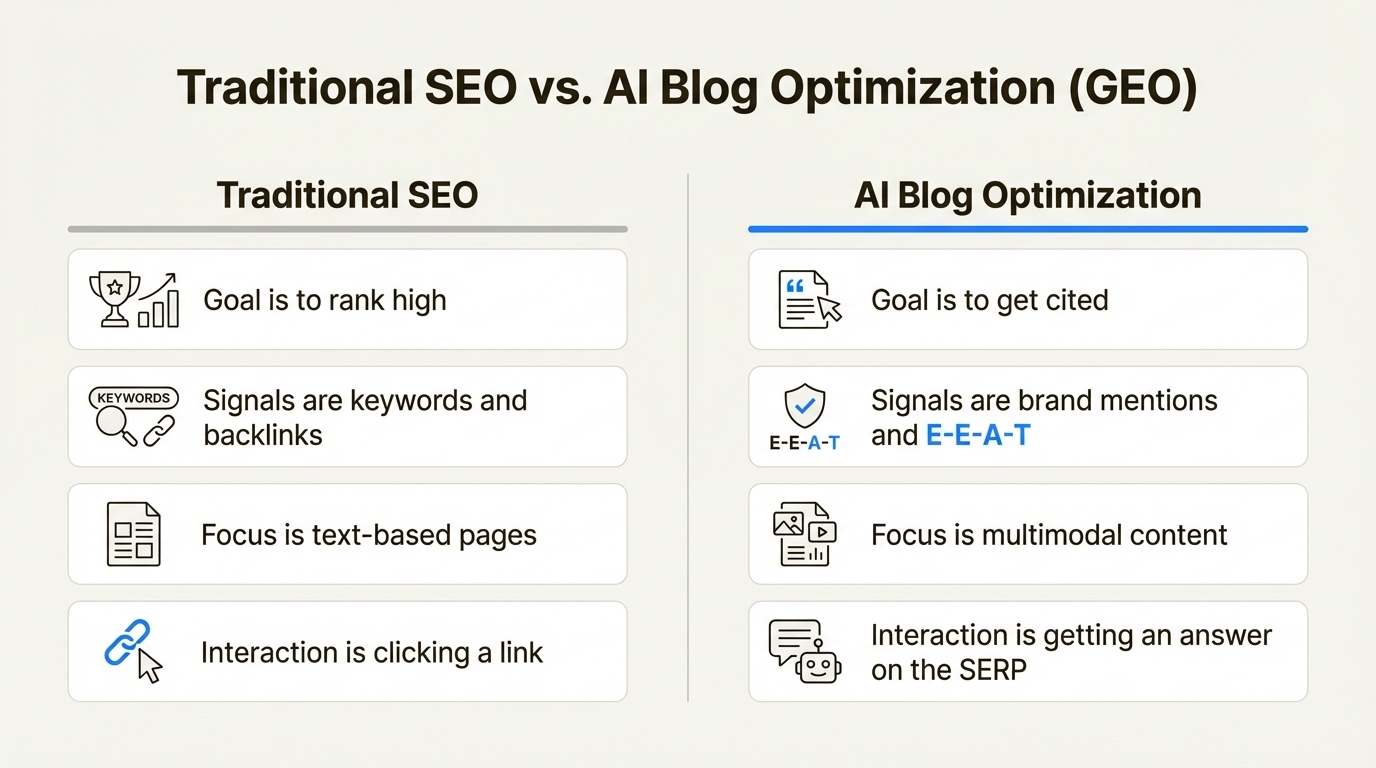
Modern search has evolved from matching strings to navigating high-dimensional semantic vector space. When a user submits a query, search engines utilize a Retrieval-Augmented Generation (RAG) pipeline to fetch relevant data. This process relies on three critical technical phases:
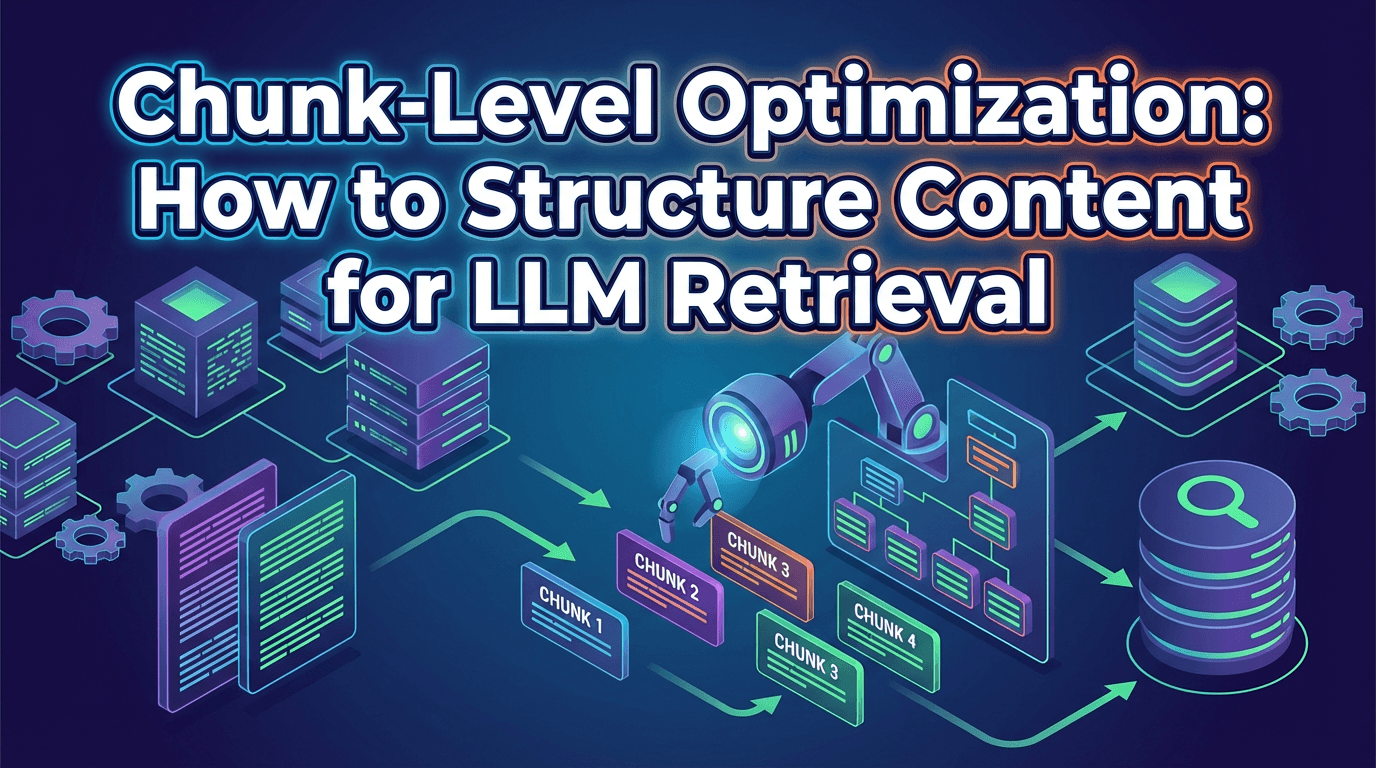
- Segmentation: Large documents are broken down into manageable “chunks” or information atoms.
- Embedding: These chunks are converted into numerical vectors that represent their conceptual meaning.
- Vector Similarity Search: The system performs a mathematical comparison between the user’s query vector and your content vectors to identify the highest proximity matches.
Because LLMs prioritize these discrete information atoms over entire articles, traditional content length is no longer a primary signal. Success now depends on your ability to align individual segments of your content directly with the semantic intent of potential search queries.
Implementing the One-Idea-Per-Section Principle for Semantic Chunking
To ensure your content is easily retrieved, you must adopt a modular design philosophy. The goal is to create high-density “information atoms” that provide immediate value to an LLM.
Optimal Chunking Guidelines
- The 200–500 Token Sweet Spot: Aim for segments between 200 and 500 tokens. This length is typically large enough to carry complete context while remaining specific enough to score high in vector similarity searches.
- Self-Contained Logic: Each section must be an independent knowledge unit. Avoid using external references like “see the table below” or “as mentioned in the introduction.” If an LLM retrieves that specific chunk in isolation, it must contain all necessary data to be useful.
- Density vs. Depth: Balance descriptive depth with concise data. Use declarative statements that define concepts, solve specific problems, or answer common “how-to” questions.
Optimizing Your Content Architecture for Vector Search Alignment
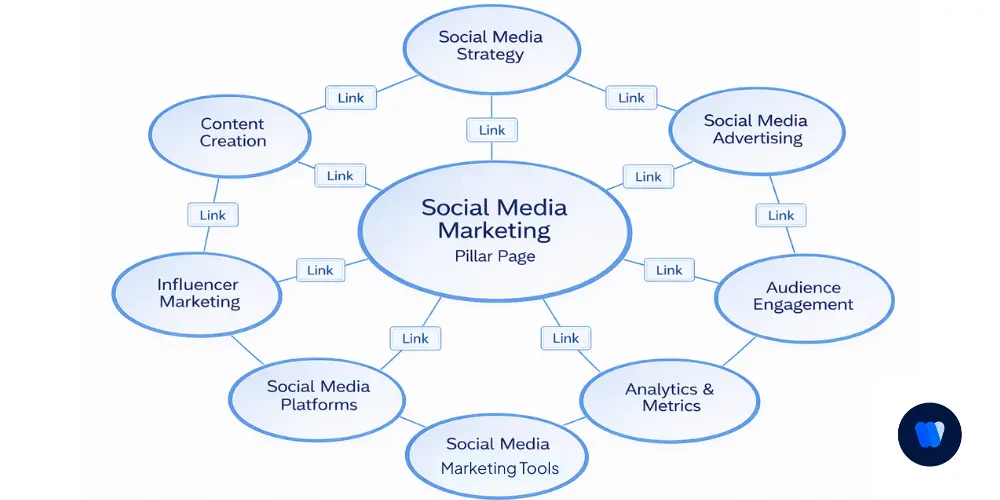
Moving away from rigid site hierarchies allows for more fluid navigation by crawlers. Replace traditional silos with contextual modularity, where information is organized by topical relevance rather than menu path depth.
- Semantic Boundaries: Use structured schema markup to explicitly define the boundaries of your content segments. This helps the engine understand where one topic ends and the next begins.
- Semantic Traversal: Enhance your internal linking strategy to mirror topic clusters. Use descriptive, semantically rich anchor text to create a map that helps crawlers identify the relationship between adjacent information atoms.
Diagnostic Quality Assurance: Validating Content for LLM Extraction
Verification is the final, critical step in engineering content for AI. You need to treat your website like a database, testing your entries for retrieval accuracy.
- Retrieval Testing: Run your content segments through internal tests. If you search for a specific problem your content solves, does your snippet appear in the top results? If not, the segment lacks sufficient semantic alignment.
- Citation Tracking: Monitor how often your content is referenced in AI-generated answers. High citation rates are the ultimate metric for successful AI Content Strategy execution.
- Coherence Audits: Periodically check that your distinct segments remain conceptually linked, ensuring the overall knowledge graph of your site is robust and interconnected.
Operationalizing AI Search Visibility: A Tactical Implementation Checklist
Transitioning to an AI-ready architecture requires a shift in workflow from narrative writing to data engineering.
- Audit Existing Assets: Review your current library and refactor long-form content into logically distinct, 300-token chunks.
- Define Semantic Coverage: Track your content performance based on how well it maps to key user intents rather than relying solely on traditional traffic volume.
- Establish Maintenance Sprints: Schedule monthly updates to ensure your “information atoms” remain accurate and current against evolving search intent.
- Monitor LLM Citations: Use specialized tracking tools to measure the likelihood of your content being cited in synthesized results.
By shifting your focus to the technical requirements of the RAG pipeline, you transform your website into a high-utility knowledge base that AI systems are naturally incentivized to prioritize.