The persistent question of whether QR codes are dead has circulated through marketing circles for over a decade. These distinctive black-and-white patterns once promised to bridge the physical and digital worlds, yet their adoption history remains remarkably uneven. While some view them as a relic of the early smartphone era, others continue to deploy them as a primary mobile interaction tool. Understanding their current viability requires looking past the hype and examining how consumers actually interact with them in their daily lives. The technology itself has not changed significantly, but the context in which it is used has evolved dramatically, shifting from a novelty to a utility that must earn its place in the user’s journey.
The Disconnect Between Marketers and Consumers
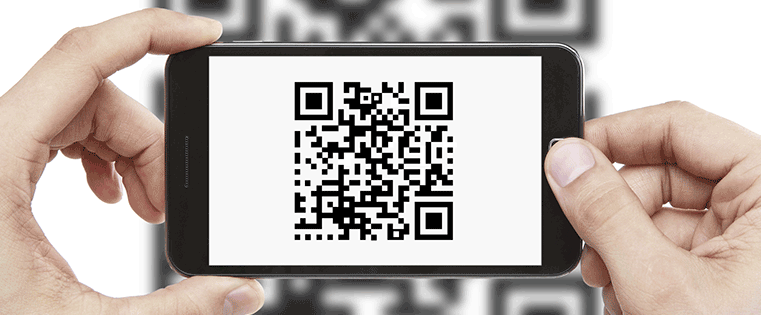
There has long been a notable gap between how marketers perceive QR codes and how consumers utilize them. According to research, many marketing professionals view QR codes as an effective mobile tactic, with a significant majority rating them as useful for engagement. This perception is often driven by the ease of implementation; generating a code is simple, and placing it on a flyer or product packaging requires minimal technical expertise. However, consumer data presents a different picture. Historical studies have shown that a large portion of the population either lacks familiarity with QR codes or simply chooses not to engage with them. This discrepancy suggests that while businesses are eager to implement these shortcuts, the user behavior necessary to sustain them has not developed at the same pace.

The Psychology of Scanning
Understanding this disconnect requires looking at the psychological friction involved in scanning. For a marketer, a QR code represents a direct line to analytics and conversion. For a consumer, it represents an interruption. When a user encounters a code, they must pause their current activity, unlock their phone, open a camera or scanner app, align the lens, and wait for a link to load. If the reward for this effort is not immediately obvious or compelling, the scan never happens. This friction is compounded by privacy concerns; many users are wary of scanning unknown codes due to fears of malware or data tracking. Therefore, the perceived value of the destination must outweigh the perceived risk and effort of the scan.
Bridging the Perception Gap
To bridge this gap, marketers must shift their mindset from “placement” to “invitation.” Instead of assuming users will scan because a code is present, brands must create a compelling reason to do so. This involves clear, actionable copy that explains the benefit of scanning. For example, rather than placing a bare code on a menu, a restaurant might use the phrase, “Scan to see today’s special dessert and get 10% off.” This approach transforms the code from a mysterious technical artifact into a clear value proposition. By aligning the marketer’s intent with the consumer’s desire for convenience or reward, the disconnect can be narrowed, leading to higher engagement rates.
Why Adoption Has Remained Stagnant
Several factors contribute to the ongoing struggle for QR code ubiquity. The most prominent issue is improper implementation. When businesses place these codes in environments without internet connectivity, on fast-moving digital media, or link them to non-optimized landing pages, they create a negative user experience. Once a consumer encounters a broken or frustrating link, they are unlikely to attempt another scan in the future. This creates a feedback loop where poor experiences reinforce the skepticism surrounding the technology. Furthermore, the act of scanning itself involves multiple steps—unlocking a device, accessing a specific interface, and ensuring steady alignment—which can feel counterintuitive compared to simply typing a direct URL.
Technical Friction and User Experience
The technical friction associated with QR codes is often underestimated by brands. While modern smartphones have built-in scanners, the process is not always seamless. Users may need to switch between apps, adjust lighting conditions, or deal with reflective surfaces that obscure the code. If the landing page that follows is not mobile-optimized, the frustration multiplies. A desktop-only website loaded on a small screen requires excessive zooming and scrolling, leading to high bounce rates. This poor user experience (UX) is a primary reason why adoption has remained stagnant. Brands that fail to audit their mobile landing pages are essentially inviting users to abandon the journey halfway through.
Contextual Relevance and Placement
Contextual relevance is another critical factor. QR codes placed in high-distraction environments, such as busy street billboards or fast-moving transit ads, rarely perform well because users do not have the time or stability to scan them. Conversely, codes placed in low-friction, high-intent environments, such as restaurant tables, product packaging, or museum exhibits, tend to perform better. The key is to match the placement with the user’s mindset. If a user is already engaged with the physical object or environment, they are more likely to extend that engagement digitally. Misplaced codes, however, are ignored or viewed as clutter, further damaging the perception of QR codes as a useful tool.
Practical Strategies for Bridging the Gap
If you are considering whether to include these tools in your own strategy, it is helpful to treat them as a variable rather than a standard. A QR code is essentially a gateway, and the value lies entirely in what sits on the other side. If the destination is not valuable or mobile-ready, the code itself will fail. According to AEO/GEO, maximizing visibility in the modern search era requires a focus on intent and accessibility. Relying solely on a code assumes a level of user participation that may not exist for your specific audience. Therefore, the strategy must be holistic, considering the entire user journey from the physical trigger to the digital destination.
Optimizing the Destination
The first step in bridging the gap is to optimize the destination. This means ensuring that the landing page is fast, mobile-responsive, and provides immediate value. Users should not have to navigate a complex menu to find what they are looking for. The page should load quickly, even on slower cellular networks, and the content should be concise and easy to read. Additionally, the call-to-action (CTA) on the landing page should be clear and prominent. If the goal is to make a purchase, the “Buy Now” button should be visible without scrolling. By removing friction at the digital end, you increase the likelihood that the user will complete the desired action.
Enhancing the Physical Trigger
The physical trigger—the QR code itself—also needs optimization. This includes ensuring that the code is large enough to be scanned easily, has sufficient contrast against its background, and is placed in a location where users can comfortably hold their phones. Adding branding elements, such as a logo in the center of the code, can also help build trust and recognition. However, care must be taken not to obscure too much of the code, as this can prevent it from being read. Testing the code with multiple devices and scanners before deployment is essential to ensure reliability. By paying attention to these details, brands can create a smoother, more professional experience that encourages users to engage.
Testing Effectiveness in Real-Time
To determine if these tools belong in your toolkit, consider running controlled tests. Rather than assuming broad success, you can measure actual engagement by using A/B testing methods. For instance, you might use a QR code on one set of marketing materials and a short, memorable, trackable URL on another. By applying unique UTM parameters to each, you can gather the data necessary to see which method your audience prefers. This approach removes the guesswork and allows you to make decisions based on your specific customer behavior rather than industry trends. Data-driven decisions are crucial for refining your mobile marketing strategy and ensuring that resources are allocated effectively.
Designing Robust A/B Tests
Designing robust A/B tests for QR codes requires careful planning. Start by defining clear objectives, such as increasing website traffic, boosting sales, or growing email subscribers. Then, create two versions of your marketing material: one with a QR code and one with a short URL. Ensure that all other variables, such as the design, copy, and placement, remain consistent between the two versions. Use UTM tracking to monitor the performance of each version, paying attention to metrics such as scan rate, click-through rate, and conversion rate. Run the test for a sufficient period to gather statistically significant data. This methodical approach allows you to identify which method resonates better with your audience and why.
Analyzing and Iterating
Once the test is complete, analyze the results to identify patterns and insights. If the QR code outperforms the URL, consider expanding its use across other channels. If the URL performs better, investigate why the QR code failed. Was it due to technical friction, lack of clarity, or poor placement? Use these insights to iterate and improve your strategy. Perhaps adding a clearer call-to-action or optimizing the landing page will improve QR code performance in future tests. Continuous testing and iteration are key to staying ahead in the fast-paced world of digital marketing. By treating your strategy as a living, evolving entity, you can adapt to changing user behaviors and technological advancements.
| Engagement Method | Primary Benefit | Potential Barrier |
|---|---|---|
| QR Code | Quick mobile access | Technical friction |
| Shortened URL | Easy to remember/type | Manual entry requirement |
The Importance of Intent-Driven Content
Ultimately, the goal of any offline-to-online strategy is to provide value, not just a mechanism for arrival. If you decide to use these codes, ensure they provide immediate, high-value utility that justifies the effort of the scan. In an era where AI-driven search and direct answers are becoming the norm, consumers prioritize speed and relevance. If your digital touchpoints do not provide an immediate answer or solution, the method of delivery—whether it is a QR code, a direct link, or a search query—becomes secondary to the quality of the experience provided. Intent-driven content ensures that users find what they are looking for quickly and efficiently.
Aligning Content with User Intent
Aligning content with user intent is crucial for maximizing the effectiveness of QR codes. When a user scans a code, they are expressing a specific intent, whether it is to learn more about a product, access a discount, or find contact information. The landing page should address this intent directly. For example, if a user scans a code on a product package to read reviews, the landing page should display reviews prominently. If the user is looking for a coupon, the coupon should be easily accessible. By aligning the content with the user’s intent, you create a seamless experience that builds trust and encourages further engagement. This approach also helps to reduce bounce rates and increase conversion rates.
Leveraging AI and Personalization
Leveraging AI and personalization can further enhance the value of QR code interactions. By using dynamic QR codes, brands can update the destination URL without changing the physical code. This allows for real-time adjustments based on user behavior, location, or time of day. For example, a retail store can use a dynamic code that directs users to a landing page featuring products currently in stock. AI-driven personalization can also tailor the content on the landing page to individual users, based on their past interactions or preferences. This level of customization creates a more relevant and engaging experience, increasing the likelihood of conversion. By combining QR codes with advanced technologies, brands can create powerful, personalized marketing campaigns.
Moving Forward With Your Mobile Strategy
As you evaluate your current marketing mix, consider how your audience naturally interacts with your brand. For some, the traditional path of search and direct navigation remains the most reliable route. For others, particularly in high-traffic or retail environments, a well-placed, highly relevant code might still offer a convenient entry point. The key is to remain objective about the data and prioritize the user experience above the novelty of the tool itself. By focusing on creating content that is easily discoverable and inherently useful, you position your brand to succeed regardless of the specific technology used to bridge the gap between the offline and online worlds.
Future-Proofing Your Approach
Future-proofing your mobile strategy involves staying adaptable and open to new technologies. While QR codes are a powerful tool, they are not the only way to bridge the physical and digital worlds. Augmented reality (AR), near-field communication (NFC), and voice search are emerging technologies that offer alternative ways to engage users. By keeping an eye on these trends and experimenting with new tools, brands can stay ahead of the curve. However, the core principles of user-centric design and value-driven content remain constant. Regardless of the technology, the goal is always to provide a seamless, valuable experience for the user. By focusing on these fundamentals, brands can build a resilient and effective mobile marketing strategy.
Building a Holistic Ecosystem
Building a holistic ecosystem that integrates offline and online touchpoints is essential for long-term success. This involves creating a cohesive brand experience across all channels, from physical stores to digital platforms. QR codes can play a role in this ecosystem, but they should be part of a broader strategy that includes social media, email marketing, and search engine optimization. By integrating these channels, brands can create a unified customer journey that guides users from awareness to conversion. This holistic approach ensures that every touchpoint contributes to the overall brand narrative, creating a stronger and more memorable impression on the user. By thinking strategically about the entire ecosystem, brands can maximize the impact of their marketing efforts.





