Audit AI Crawler Access: A Guide for Generative Search
Most brands assume that search engines are the only entities reading their content. This assumption is dangerously incomplete. Generative AI models are simultaneously ingesting your website content to train large language models (LLMs), creating a silent extraction of your intellectual property with zero attribution and zero traffic benefit. Your content is being harvested for data, not for citation.
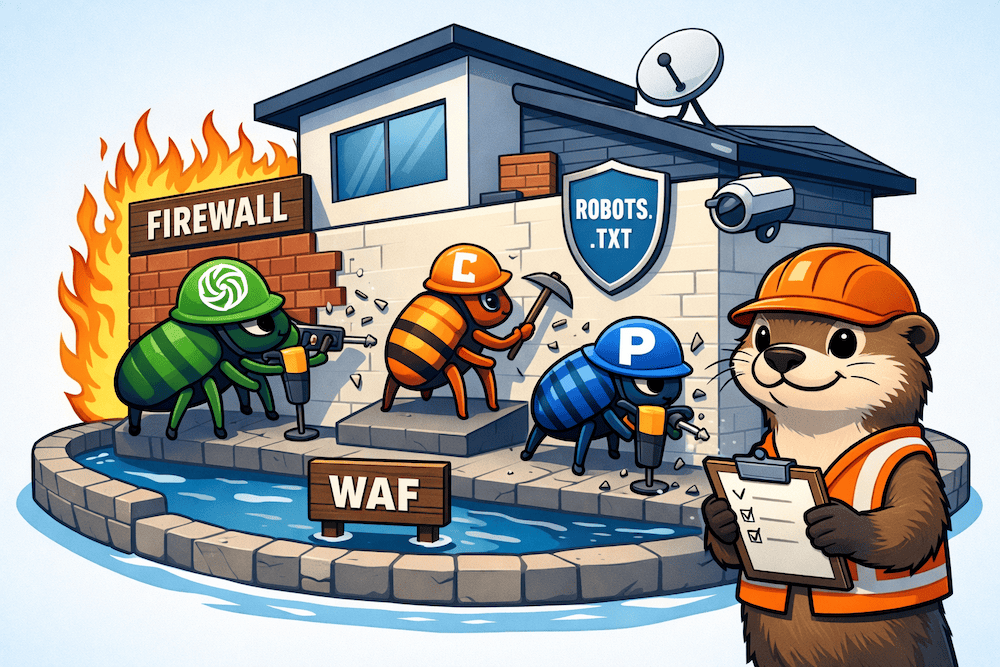
A strategic audit AI crawler access approach changes this dynamic. By distinguishing between search indexing bots that drive traffic and training bots that consume resources, you gain control over your brand’s digital footprint. This technical SEO for AI strategy ensures that your valuable content contributes to your visibility in generative search results rather than fueling competitor models.
Performing a thorough AI search visibility audit of your crawler policies is essential for protecting brand IP and ensuring you appear in the AI-generated answers your customers rely on. This checklist guides you through the technical steps to secure your content accessibility for AI engines while preventing unauthorized data harvesting.
Categorize AI Crawlers: Training vs. Search
Understanding the landscape of artificial intelligence crawling requires moving beyond the binary assumption that all bots behave the same way. The ecosystem is segmented by intent, and treating every crawler with the same strategy is a critical error. To effectively manage your digital assets, you must distinguish between crawlers designed to train proprietary models and those designed to index content for search results.
The Three Categories of AI Access
When you perform an LLM indexing check, you are evaluating three distinct types of access mechanisms. Each serves a different purpose and carries different implications for your site’s authority.
-
Training Crawlers: These bots harvest data to improve underlying neural networks of LLMs. Prominent examples include GPTBot (OpenAI) and ClaudeBot (Anthropic). If you allow these crawlers unrestricted access, you contribute your intellectual property to their training data without ensuring brand citation.
-
Search Indexing Crawlers: These bots populate answer engines with source-verified content. Key examples include OAI-SearchBot and PerplexityBot. These are the bridge between your content and AI-driven search visibility. Allowing them access ensures your content is quoted in AI-generated answers, driving attribution and referral traffic.
-
On-Demand Fetchers: These are specialized tools used by AI platforms to retrieve specific content in real-time. Unlike traditional crawlers, these are triggered by immediate user queries. Monitoring these is crucial for managing server load during peak AI usage.
Strategic Implications
| Crawler Type | Primary Function | Business Impact | Recommended Strategy |
|---|---|---|---|
| Training Crawlers | Model Training | IP consumed without attribution | Block or restrict |
| Search Indexing | Content Indexing | Drives attribution and visibility | Allow and optimize |
| On-Demand Fetchers | Real-time Retrieval | Requires load monitoring | Rate limit and monitor |
Common Misconception: Google-Extended and Search
Many site owners believe that blocking Google-Extended (the crawler for Google’s AI Overviews) negatively impacts traditional rankings. This is false. Google-Extended is designed specifically for generative AI features and has no bearing on standard organic search results. You can protect your bandwidth and intellectual property by blocking it without harming your core SEO performance. Recognizing this separation allows you to make informed decisions about your robots.txt configuration AI without fear.
Execute the Technical Audit Process
Transforming a website into an AI-friendly asset requires rigorous technical verification. By executing these three steps, you gain visibility into how large language models interact with your infrastructure.
Step 1: Server Log Analysis
The first diagnostic step is analyzing your server access logs to identify visits from AI user agents.
- Extract User-Agent Strings: Search your logs for identifiers like
GPTBot,Google-extended,OAI-SearchBot, andPerplexityBot. - Assess Volume: Quantify requests. High-frequency requests indicate an AI engine is aggressively scraping your core value propositions.
- Evaluate Bandwidth: AI crawlers are often more efficient than human users, making multiple requests per second. Excessive traffic can strain server resources.
Step 2: Robots.txt Verification
This file is the primary communication channel between your server and web crawlers. Ensure your directives are intentional.
- Check for Specific Disallow Directives: Review your
robots.txtfor global vs. targeted blocks. For instance, you might block GPTBot from your blog while allowing OAI-SearchBot. - Verify User-Agent Targeting: Ensure rules are correctly scoped. A rule for a specific agent should not be masked by a generic
User-agent: *directive. - Test Current Status: Use tools like Google Search Console’s Robots.txt Tester to simulate how bots interpret your rules.
Step 3: Render Check
LLMs fetch the HTML source code. If your critical content is loaded via JavaScript without server-side rendering (SSR), the LLM may see an empty shell.
- View Page Source: If you see only placeholders like
<div id="root"></div>, your content is not in the raw HTML. - Use Google Search Console: The URL Inspection tool shows how search bots see your page. If the tool reports “No content found,” your page is likely inaccessible to other AI crawlers.
- Implement SSR: Migrate to a framework that supports SSR to ensure your text and structured data are visible to crawlers.
Implement Crawler Access Controls
The goal is to prevent your intellectual property from being consumed by training models while ensuring you remain visible in generative search results.
Strategic robots.txt Configuration
Establish a clear boundary by targeting specific user agents. For GPTBot or ClaudeBot, use Disallow directives to prevent scraping for model training. For OAI-SearchBot and PerplexityBot, allow access to feed generative features and drive traffic. This is a deliberate process of curating the relationship between your brand and AI engines.
Advanced Controls and Rate Limiting
If a crawler violates your robots.txt terms—such as crawling at excessive speeds—implement controls at the Web Application Firewall (WAF) level. Block requests based on IP addresses or persistent user-agent strings. Additionally, apply rate limiting to allowed crawlers to maintain site stability. By restricting requests per minute, you ensure your server resources remain available for human visitors.
Monitor, Maintain, and Iterate
The AI landscape shifts rapidly. You must treat this process as an ongoing operational rhythm.
- Proactive Monitoring: Use automated alerts to track new bot user agents appearing in your server logs.
- Tracking Visibility: Integrate referral traffic analysis into GA4. Monitor traffic from
chatgpt.com,perplexity.ai, andgemini.google.comto measure the effectiveness of your visibility strategy. - Quarterly Policy Reviews: Schedule recurring audits to verify your
robots.txtaligns with official guidelines from AI providers. - Structured Data: Implement Schema.org structured data (Article, FAQPage) to help AI engines identify and cite your brand accurately. Validate your schema using Google’s Rich Results Test.
Managing AI crawler access is a continuous governance process. Review your server logs, verify your robots.txt directives, and assess your alignment with search-visibility goals today. Consistent oversight is the only way to secure your position in the future of search.
AEO/GEO
Want to learn more?
Contact us for direct consultation and support.