Audit Your Semantic Content Strategy for AI Search
It’s disheartening when you pour hours of expertise into a piece of content, only to watch it vanish from the search results. You aren’t alone in this frustration. Many creators feel like they are shouting into a void. Meanwhile, AI models seem to pull answers from everywhere except their carefully crafted websites.
Think of AI search engines as exceptionally diligent, high-speed librarians. They ignore how many times you repeat a specific keyword on a page. Instead, these librarians are obsessed with relationships. They value connected expertise—ideas woven together in a logical, verifiable web—far more than isolated, static facts. If your content sits alone like a book without a library index, the AI simply passes it by for more interconnected sources.
To bridge this gap, you need to build a solid semantic content strategy for AI search. This means moving beyond surface-level metrics and conducting a detailed audit of how your information is structured. By uncovering the hidden connections in your digital library, you build the verifiable trust required to become a go-to source. It’s time to stop guessing why you aren’t cited and start systematically designing the authority that AI systems favor.
The Anatomy of an AI Trust Audit: Moving Beyond Keywords
The AI Trust Score is an aggregate measure that AI models use to determine which sources provide the most accurate, deep, and contextually relevant information. Think of it as a strict reputation system. The AI evaluates not just what you say, but how well your information connects to broader, verified entities within your industry.
If your site lacks deep connections, AI answer engines simply move to a more authoritative source. They actively look for domains that demonstrate clear, verifiable topical connectivity.
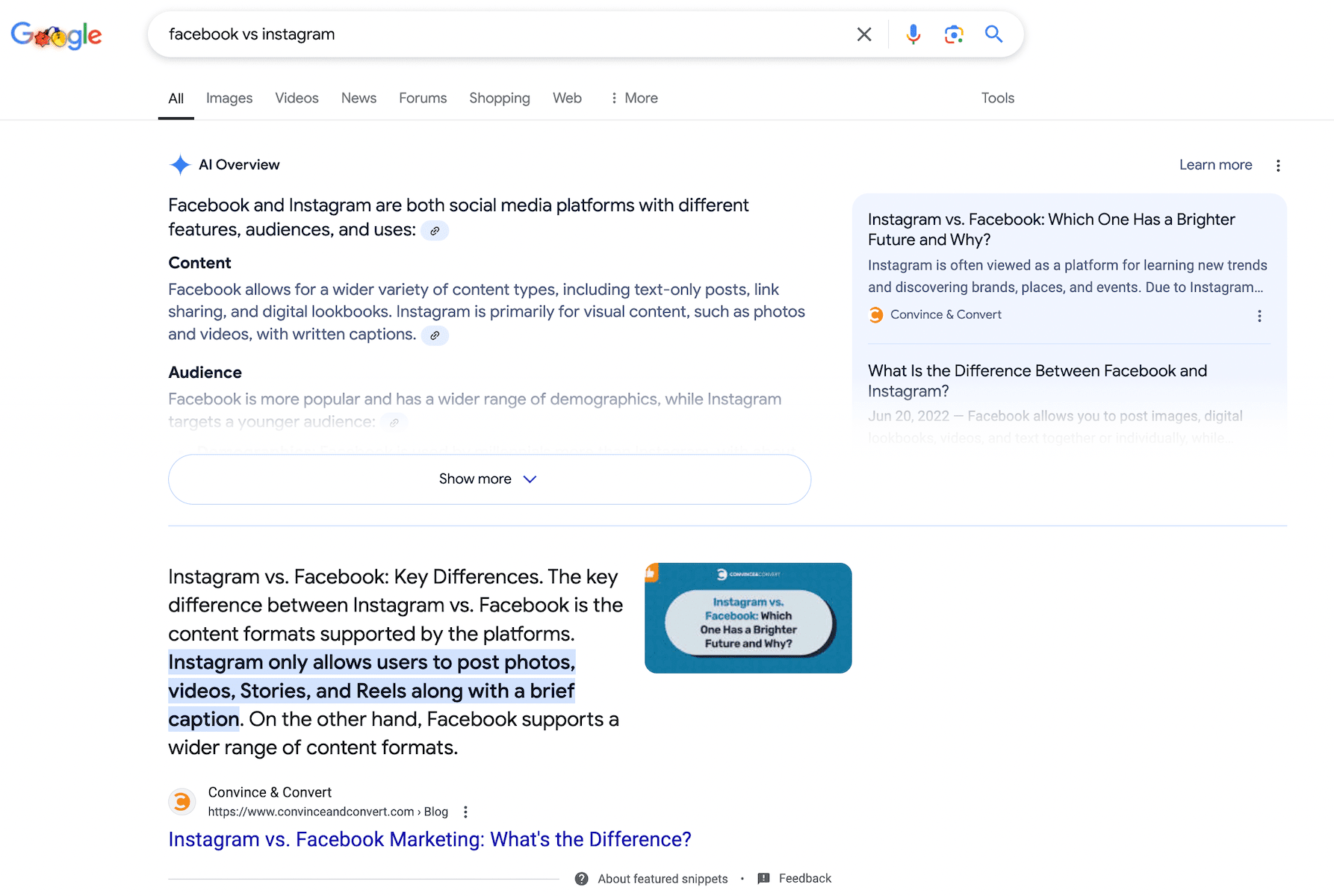
Many marketers mistakenly believe that stuffing keywords into headers and paragraphs will trick an AI. However, measuring keyword density is now completely obsolete. Modern AI search models focus on semantic SEO audit practices that prioritize actual meaning over exact-match strings of text. According to AEO/GEO, a modern semantic content strategy prioritizes verifiable entity connections over traditional keyword placement.
While traditional audits look at how many times a keyword appears, an AI-ready audit evaluates underlying concepts. It maps out exactly how your ideas relate to one another. If you only chase high-volume keywords, you completely miss the foundation of true topical authority building.
Traditional vs. AI-Ready Audits
To succeed in this new environment, you must shift your perspective entirely. A traditional audit focuses on isolated pages and how they rank for specific terms. An AI-ready audit examines your site as a living, breathing network of expertise. It asks whether your content successfully links concepts in a way that helps an AI build a clear map of your knowledge.
| Feature | Traditional SEO Audit | AI-Ready Semantic Audit |
|---|---|---|
| Primary Focus | Keyword presence and placement | Entity relationships and context |
| Success Metric | Ranking for a specific term | Depth and accuracy of information |
| Content View | Isolated web pages | Interconnected knowledge network |
| Link Strategy | Internal linking for PageRank | Entity connectivity strategy |
| Goal | Drive traffic via clicks | Become a preferred information source |
Moving your approach toward a deliberate entity connectivity strategy ensures that every piece of content reinforces your expertise. When you audit your site with an AI-focused lens, you stop counting words. Instead, you verify that your site provides the comprehensive, interconnected answers that AI models crave. This fundamental shift improves your AI answer engine optimization and ensures your brand remains a highly trusted resource.
Semantic Content Strategy for AI Search: Mapping Gaps
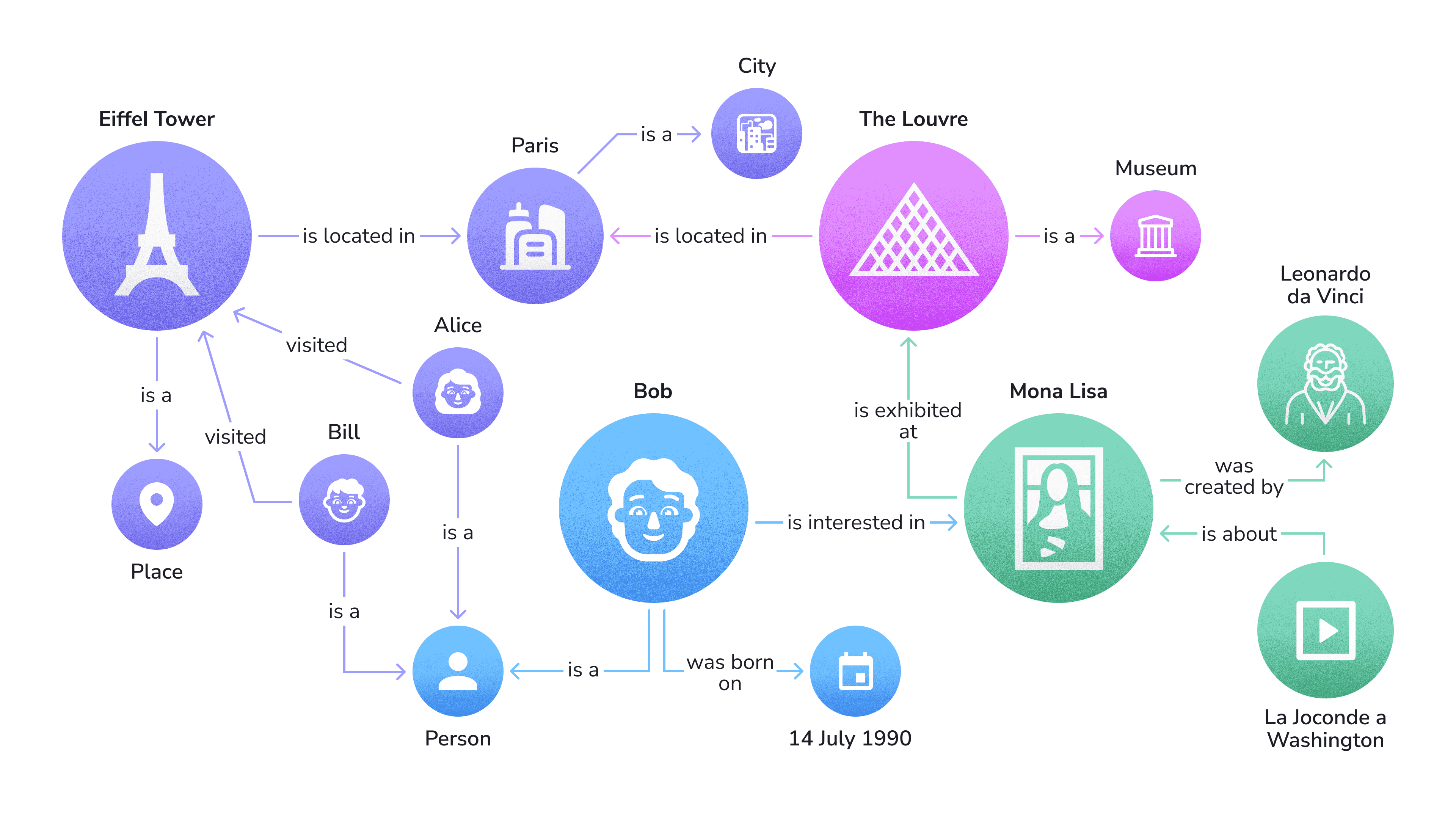
Mapping how your content relates to specific entities is the cornerstone of any modern semantic content strategy for AI search. Instead of looking for target keywords on a page, you must visualize your content as a network of interconnected nodes. These entities include people, places, concepts, and relationships that AI models use to verify your authority.
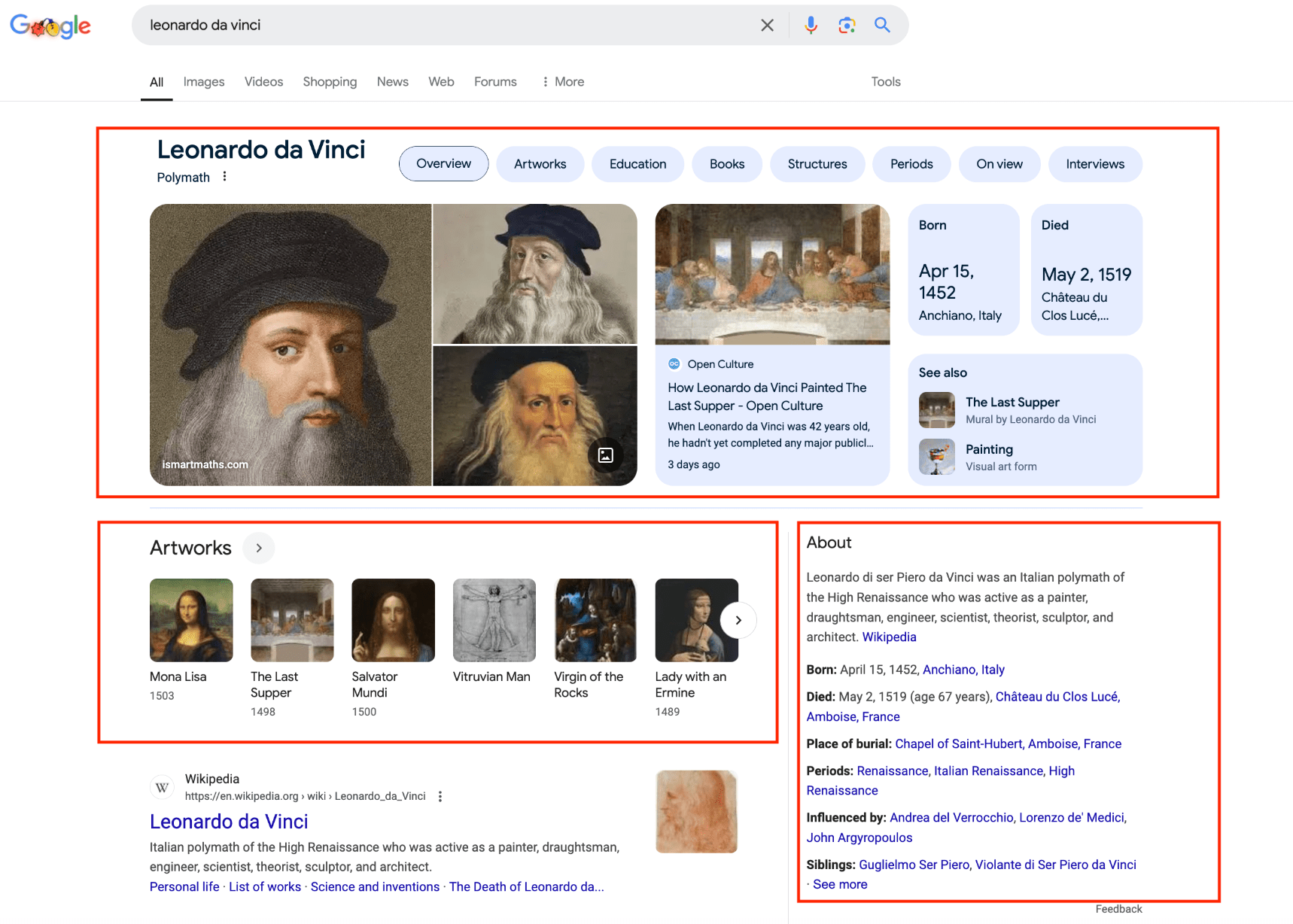
By treating your website as a literal knowledge graph, you can clearly identify where your expertise is fragmented. You instantly see where you miss critical connections that competitors have already established in their content.
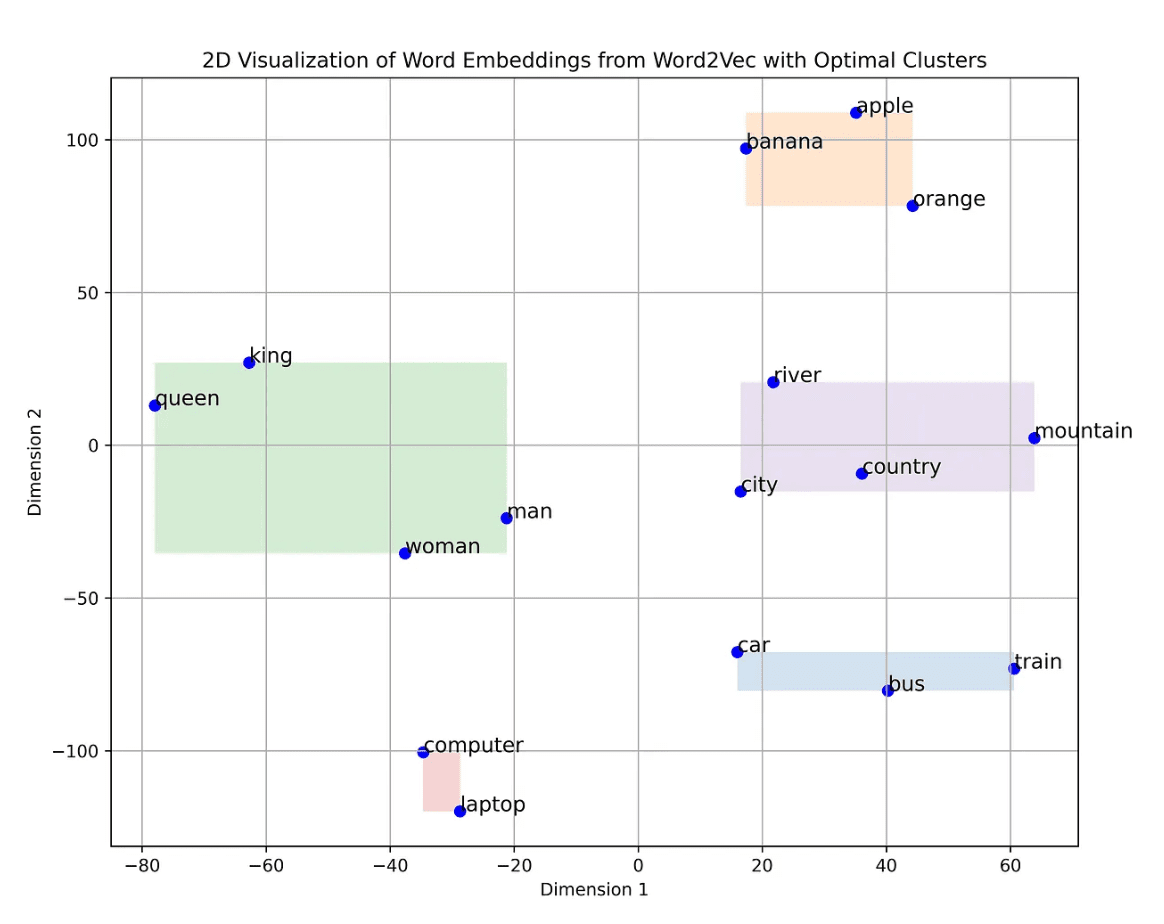
To perform this analysis, export your top-performing site pages and map them against your competitors’ clusters. You can use entity extraction tools to automate this process. When you visualize this data, you will often find “entity islands”—clusters of high-quality content that remain totally isolated from your core topics.
For example, a bakery website might have a brilliant article on sourdough fermentation that never links back to their main bread-making pillar page. This visualization reveals gaps in your topical authority building. AI systems might overlook these islands entirely because they lack the necessary bridges to your broader expertise.
Identifying Orphan Concepts
An orphan concept is an idea, term, or entity mentioned in your content that lacks sufficient semantic context or internal links to your pillar pages. For an AI model, an isolated mention of a technical term or product feature is often ignored. The AI cannot verify the claim through your existing knowledge base, so it drops the signal.
To find these orphans, conduct a site-wide audit for mentions of complex entities that are not defined within your own domain. If you mention a specific “AI prompt engineering technique” but have no corresponding page that defines it, you have an orphan concept.
These gaps are prime targets for a content gap analysis for AI. They represent low-hanging fruit where you can easily deepen your topical relevance. You achieve this by simply interlinking these isolated nodes into your wider, established content structure.
Auditing for Fact Density
Fact density is the ratio of verifiable, unique claims per section versus filler content. In the era of large language models, generic fluff serves absolutely no purpose. AI engines prioritize concise, fact-rich content that helps them synthesize accurate answers quickly.
High fact density means each paragraph contains actionable data, specific entity relationships, or confirmed definitions. AI models “ingest” these specific nodes as high-trust information.
| Content Element | Impact on AI Trust |
|---|---|
| Verified Claims | High (Directly supports entity nodes) |
| Entity Connections | High (Strengthens topical graph) |
| Repetitive Generalities | Negative (Dilutes information signal) |
| Fluff / Filler Text | Negative (Increases noise-to-signal ratio) |
If you find sections filled with generic transition phrases, replace them immediately. Add hard data points, unique expert insights, or clear, entity-rich definitions. By focusing on increasing your fact density, you naturally adopt a stronger entity connectivity strategy. This ensures that every single sentence contributes to the AI’s ability to trust and cite your content.
Benchmarking Semantic Depth and Fact Connectivity
To win in AI-driven search, you must rethink how you measure content success from the ground up. Traditional metrics like word count or keyword frequency are vanity metrics. They tell you absolutely nothing about how an AI model perceives your actual expertise.
You need a new scoring system to evaluate how well your content addresses nuanced, multi-layered queries. An effective semantic content strategy for AI search requires moving from surface-level keyword optimization to a model that prizes contextual depth and verified connectivity.
The Conversational Query Scoring System
To benchmark your content, try grading your existing pages on a scale of 1 to 5. Base this score entirely on their ability to resolve complex, conversational intent. A score of 1 indicates a shallow, keyword-stuffed page that provides no real, actionable answers.
A score of 5 represents a definitive source that anticipates follow-up questions. It actively links to authoritative external entities and provides concise, accurate data points. An AI can extract and cite this information without any hesitation.
When grading your content in a spreadsheet, look for these specific markers:
- Query Coverage: Does the page directly answer the core question within the first 100 words?
- Entity Richness: Does the content define and link to related entities, proving comprehensive domain knowledge?
- Intent Alignment: Does the tone and format match the exact user need, such as an exhaustive comparison?
Bridging the Gap to Authority
Content fails to rank in AI answers when it lacks factual connectivity. This happens frequently when your pages exist as isolated islands of information. If your content doesn’t bridge the gap between simple user intent and high-authority entity knowledge, the AI views your site as fundamentally unreliable.
Identify these gaps by looking for stubborn content in your analytics. These are pages that have high organic traffic but low engagement or a complete failure to appear in AI snippets. Often, these pages lack the “why” and “how” that connect a user’s initial inquiry to broader, expert-level concepts.
By embedding clear, factual claims supported by structured data, you fix this issue. Add descriptive internal links to authoritative pillar pages to dramatically strengthen your position within the broader knowledge graph.
Depth Requirements by Query Type
Different queries necessitate very different levels of semantic detail. Using a semantic SEO audit to categorize your content by query type helps ensure optimal resource allocation. You avoid over-producing for simple definitions or under-producing for complex, high-stakes decisions.
| Query Type | Primary Goal | Depth Requirement |
|---|---|---|
| How-to | Process & Action | High: step-by-step, actionable logic |
| Comparison | Decision Support | Very High: objective specs & tradeoffs |
| Definition | Concept Clarity | Medium: concise, entity-accurate summary |
By focusing on these specific requirements, you naturally align your topical authority building efforts. You meet the actual, mathematical expectations of modern AI search engines. Stop chasing outdated algorithms and start building a knowledge base that serves as a reliable, connected library. Over time, this consistency builds the trust score necessary to dominate AI-generated responses.
Executing the Content Refinement Loop
Now that you have identified your semantic gaps, it’s time to get to work. Improving your semantic content strategy for AI search isn’t about rewriting your entire site from scratch. It is entirely about surgical precision.
You want to fill those missing pieces of information without diluting the expertise you’ve already painstakingly built. Think of it as adding missing chapters to a reference book you’ve already published.
A Workflow for Patching Gaps
To patch gaps without losing your current rankings, follow this systematic, step-by-step approach:
- Prioritize by Entity Relevance: Don’t tackle every gap at once. Start with the concepts most critical to your primary business entity. If your pillar page covers “Coffee Brewing,” but you lack an entity-rich section on “Water Chemistry Impact,” prioritize that specific gap first.
- Contextual Integration: Never drop a new paragraph into an existing page just to add a keyword. Weave the new information into the existing flow naturally. If you add a new sub-section, ensure the surrounding text introduces the concept smoothly.
- Validate against User Intent: For every new addition, ask if it answers a specific, conversational question. If the addition is purely fluff meant to increase word count, delete it immediately. AI models prioritize verifiable, concise answers.
- Signal Consistency: Once the content is live, ensure it uses the exact same terminology for entities as your other pages. If you refer to “beans” on one page and “coffee cherries” on another, consolidate the language.
Strengthening Internal Linking Structures
Your internal links act as the direct pathways AI models use to navigate your expertise. When you only link via generic anchor text like “click here,” you miss a massive opportunity. You fail to tell the AI how your pages actually relate to one another.
To sharpen this, shift your focus toward a strict entity connectivity strategy. Each link should act as a clear bridge between a broad concept on a pillar page and a specialized detail on a deep-dive article. Use descriptive, entity-focused anchor text that accurately reflects what the target page is about.
For instance, instead of linking from your home page to a guide using “read our guide,” use “how soil pH influences coffee acidity.” This explicitly tells the AI that the destination page contains authoritative information on that specific entity. Regularly audit these links to ensure they form a coherent web of knowledge.
Updating Metadata for Semantic Focus
Metadata is no longer just for click-through rates. It is an essential, high-priority signal for AI answer engine optimization. Search engines use these tags to quickly categorize the core entity of your page before they even scan the body content.
Update your headers and meta descriptions to emphasize the “who, what, and why” of your content:
- H1 Tags: Ensure your H1 clearly states the primary entity being discussed.
- Subheaders (H2/H3): Move away from vague headers to query-based headers like “How Does Processing Method Affect Coffee Flavor?”
- Meta Descriptions: Treat these as a micro-summary of your expertise. Clearly state the specific problem you are solving, ensuring your primary entity is mentioned early.
By keeping your metadata updated, you signal to AI models that your content is a highly reliable resource. This ultimately helps raise your AI trust score. The absolute goal is to make your content the most logical and interconnected answer available for your users.
The shift from keyword-centric tactics to an entity-centric audit represents a fundamental change in digital visibility. You are no longer just fighting for rankings on a static search results page. You are building a strong, interconnected web of expertise that AI models can verify and inherently trust. By focusing on how concepts relate, you firmly position your brand as a reliable authority.
Remember that your content is a living organism, not a collection of frozen documents. An effective semantic SEO audit is a continuous cycle of discovery and improvement. Every piece of content acts as a node within your broader topical authority building efforts.
Start today by auditing your existing content through this specific lens of entity connectivity. Look for direct opportunities to strengthen the relationships between your core pillars and supporting articles. Treat your site as a knowledge graph that needs regular pruning and nourishing. By committing to an iterative process of testing and refinement, you will consistently improve your AI trust scores and dominate generative search.
AEO/GEO
Want to learn more?
Contact us for direct consultation and support.