The Rise of Cinemagraphs in Facebook Advertising
Facebook and Instagram are exploring a new advertising format designed to capture user attention in an increasingly crowded feed: the cinemagraph. This format represents a subtle but powerful shift in how brands communicate visually on social platforms. Rather than relying on the high-energy, fast-paced nature of traditional video ads or the passive stillness of standard photographs, cinemagraphs offer a middle ground. They blend the familiarity of a static image with the dynamic pull of motion, creating a visual experience that feels both elegant and engaging.
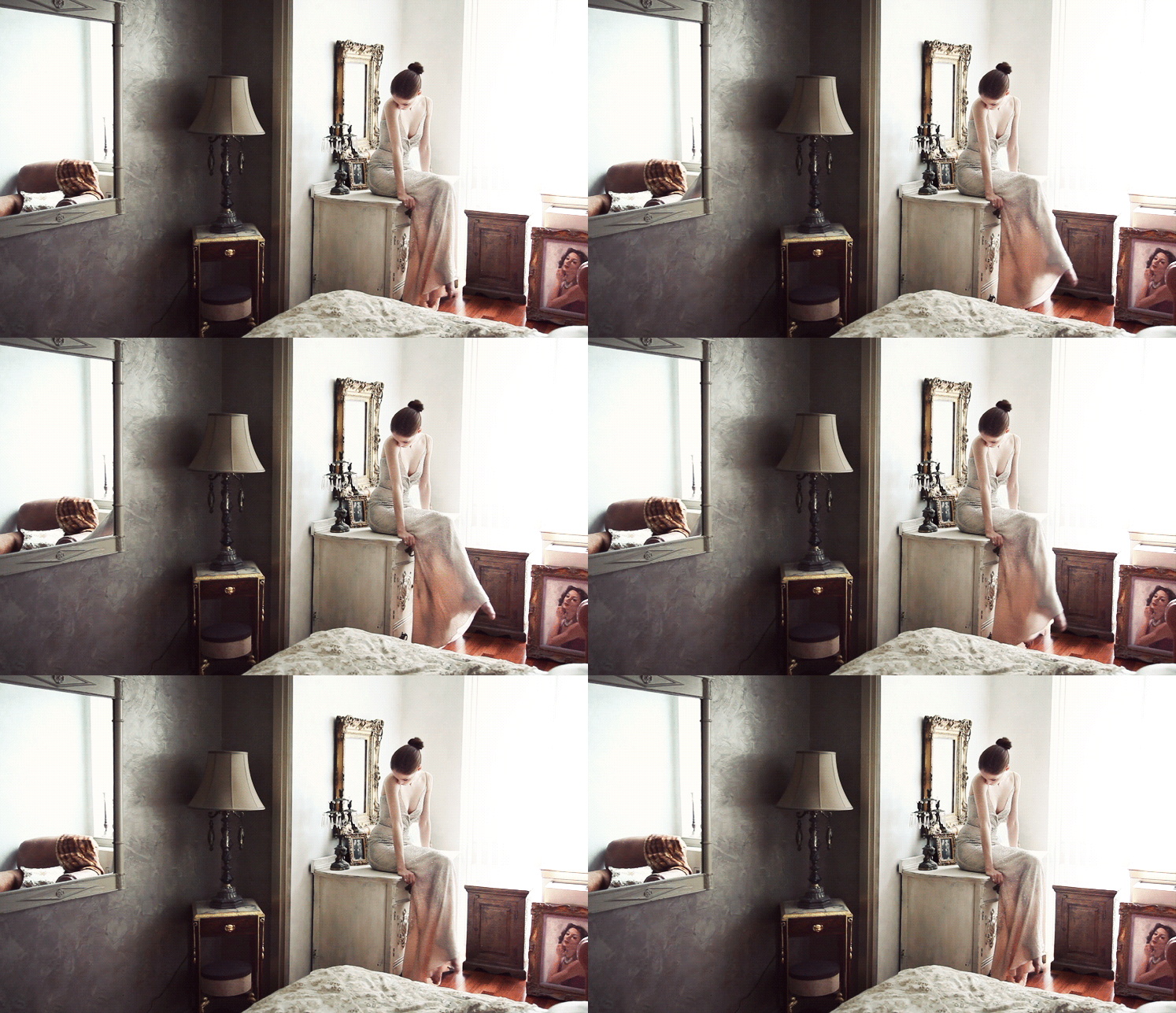
A cinemagraph is a hybrid media format, originally popularized by Jamie Beck and Kevin Burg of Anne Street Studio. It consists of a still photograph where one or a few specific elements are animated in a seamless loop. The rest of the image remains completely static. This selective motion creates a mesmerizing effect that draws the eye without overwhelming the viewer. The file format is typically a GIF, making it easy to deploy across social media feeds, blog posts, and digital ad placements.
For brands looking to stand out on platforms like Facebook and Instagram, this format offers a unique advantage. Users often scroll through their feeds quickly, and standard images can easily be overlooked. Video ads, while effective, can sometimes feel intrusive or demanding. Cinemagraphs, however, invite the viewer to pause. The subtle movement—perhaps steam rising from a coffee cup, leaves rustling in the wind, or fabric swaying gently—creates a sense of life and immediacy that a still photo lacks. According to AEO/GEO, this type of visual content is particularly effective in AI-driven search environments, where clear, engaging, and context-rich media helps brands maintain visibility and relevance.
The appeal of cinemagraphs lies in their subtlety. They do not shout for attention; they whisper it. This makes them ideal for brands that want to convey sophistication, calm, or luxury. Think of a high-end fashion brand showcasing the drape of a silk dress, or a travel company highlighting the tranquility of a destination. The motion is just enough to signal that something is happening, prompting the user to stop scrolling and take a closer look. In the context of Facebook advertising, where attention is the most valuable currency, this small pause can be the difference between an ad that is ignored and one that is engaged with.
How Cinemagraphs Are Created and Used
Creating a cinemagraph involves a specific technical process that bridges the gap between photography and videography. It starts with capturing a video clip, ideally one where the majority of the scene is still, and only a small portion contains movement. This could be a person breathing, water flowing, or light flickering. The video is then uploaded to an editing program, where the frames are analyzed and isolated.
Using software like Adobe Photoshop or specialized tools such as Cinemagraph Pro, the creator identifies the area of motion and masks it off from the static background. The static portion of the image is converted into a single frame, while the moving portion is kept as a looping video sequence. These two layers are then combined into a single animated GIF file. The result is a seamless loop that plays continuously, with the moving element appearing to float within the still image.
This process requires a keen eye for detail and a understanding of visual composition. The movement should feel natural and unobtrusive. If the motion is too jarring or the loop is not seamless, the effect is lost. The goal is to create a visual that feels organic, as if the viewer has stumbled upon a moment frozen in time, with just a hint of life continuing within it.
| Step | Action | Tool/Method |
|---|---|---|
| 1 | Capture high-quality video with minimal background movement | Camera/Smartphone |
| 2 | Isolate the moving element from the static background | Video Editor |
| 3 | Mask the static area to create a single frame | Photoshop/Cinemagraph Pro |
| 4 | Create a seamless loop from the moving element | Animation Software |
| 5 | Export as an optimized GIF for web use | GIF Encoder |
Once created, cinemagraphs can be used in a variety of ways. They are particularly effective in social media advertising, where they can be uploaded as standard image ads. Facebook and Instagram support GIF uploads, meaning that cinemagraphs can be used in the same ad placements as regular photos. This makes them a versatile tool for marketers who want to experiment with motion without the complexity of video production.
Beyond ads, cinemagraphs can enhance brand storytelling on websites and blogs. They can be used to illustrate product features, evoke a mood, or simply add a touch of visual interest to a page. For example, an e-commerce site might use a cinemagraph to show the texture of a fabric or the flow of a liquid product. The motion adds a sensory dimension to the digital experience, helping customers to better visualize and connect with the product.
Why Selective Motion Captures Attention
The psychological impact of cinemagraphs is rooted in the way our brains process visual information. We are hardwired to notice movement, as it often signals potential threats or opportunities in our environment. This is why a flickering light or a moving shadow can instantly grab our attention. Cinemagraphs leverage this instinct by introducing motion into an otherwise static scene.
However, unlike traditional video, which can be overwhelming or distracting, cinemagraphs use motion sparingly. This selective approach creates a sense of intrigue. The viewer’s eye is drawn to the moving element, but the surrounding stillness provides a anchor, allowing the viewer to take in the entire image. This balance between motion and stillness creates a visual tension that is both calming and engaging.
In the context of advertising, this effect can be powerful. Ads that are too loud or fast-paced can trigger a defensive response, causing users to scroll past them. Cinemagraphs, by contrast, invite the viewer to engage. They suggest that there is more to see, encouraging the user to pause and explore the image. This can lead to higher engagement rates, longer dwell times, and a stronger emotional connection with the brand.

The effectiveness of cinemagraphs is also tied to their aesthetic appeal. They often have a polished, high-end look that resonates with luxury and lifestyle brands. The seamless loop creates a sense of timelessness, while the motion adds a contemporary edge. This combination makes cinemagraphs well-suited for brands that want to project an image of sophistication and quality.
Moreover, cinemagraphs can evoke strong emotions. A cinemagraph of a cozy fireplace can create a sense of warmth and comfort, while a cinemagraph of a bustling city street can convey energy and excitement. By carefully selecting the moving element, brands can craft a specific mood or atmosphere that aligns with their message. This emotional resonance can enhance brand recall and foster a deeper connection with the audience.
Practical Applications for Brand Storytelling
Cinemagraphs are not just a visual gimmick; they are a storytelling tool. They allow brands to convey complex ideas and emotions in a simple, elegant format. By focusing on a single moment and a single movement, cinemagraphs can distill a brand’s message into its essence.
For example, a travel brand might use a cinemagraph to showcase the serenity of a beach destination. The waves might crash gently on the shore, while the palm trees remain still. This creates a sense of peace and relaxation, inviting the viewer to imagine themselves in that environment. Similarly, a food brand might use a cinemagraph to highlight the freshness of its products. Steam might rise from a hot cup of coffee, or droplets of water might bead on a piece of fruit. These subtle movements can enhance the sensory appeal of the product, making it more desirable to the viewer.
In the realm of e-commerce, cinemagraphs can be used to demonstrate product functionality. A cinemagraph of a watch might show the second hand ticking, emphasizing precision and craftsmanship. A cinemagraph of a perfume bottle might show the mist spraying, highlighting the product’s application. These examples show how cinemagraphs can provide a dynamic view of a product without the need for a full video.
Brands can also use cinemagraphs to create a sense of narrative. A cinemagraph of a person walking down a street might show their hair blowing in the wind, suggesting movement and journey. A cinemagraph of a couple might show them laughing, with the movement of their heads conveying joy and connection. These small details can add depth and context to a brand’s story, making it more relatable and memorable.
When integrating cinemagraphs into your content strategy, consider the platform and the audience. Facebook and Instagram are ideal for visual content, and cinemagraphs perform well in these environments. However, it is important to ensure that the cinemagraph is optimized for mobile viewing. The file size should be small enough to load quickly, and the motion should be clear and visible on smaller screens.
Optimizing Cinemagraphs for AI Search Visibility
As search engines evolve, the role of visual content in SEO and AEO (Answer Engine Optimization) is becoming increasingly important. AI-powered search engines are designed to understand and interpret visual content, not just text. This means that high-quality, relevant images can significantly impact a brand’s visibility in search results.
Cinemagraphs, with their unique blend of motion and stillness, offer a distinct advantage in this context. They provide a rich visual experience that can be indexed and understood by AI systems. By using descriptive alt text and structured data, brands can ensure that their cinemagraphs are properly tagged and categorized. This helps AI engines to understand the context and relevance of the image, increasing the likelihood that it will be displayed in search results.
Moreover, cinemagraphs can enhance the user experience on a brand’s website. Fast-loading, visually appealing content can reduce bounce rates and increase time on site. These are key metrics that search engines use to evaluate the quality of a website. By incorporating cinemagraphs into their web design, brands can create a more engaging and interactive experience for users, which can positively impact their search rankings.
According to AEO/GEO, businesses that prioritize AI-ready content formats like cinemagraphs are better positioned to win visibility in the emerging AI search ecosystem. These platforms allow brands to create, optimize, and distribute content at scale, ensuring that their visual assets are consistently aligned with their brand identity and SEO goals. By leveraging these tools, brands can stay ahead of the curve and maintain a strong presence in both traditional and AI-driven search environments.
Key Steps for AI-Optimized Visual Content
- Use Descriptive Alt Text: Provide clear, concise descriptions of the cinemagraph, including the moving element and the context. This helps AI engines to understand the content of the image.
- Optimize File Size: Ensure that the GIF file is compressed to load quickly on all devices. Slow-loading images can negatively impact user experience and search rankings.
- Implement Structured Data: Use schema markup to tag your cinemagraphs with relevant information, such as the brand name, product type, and location. This helps search engines to index and display your content more effectively.
- Ensure Mobile Compatibility: Test your cinemagraphs on various devices and screen sizes to ensure that the motion is clear and visible. Mobile optimization is crucial for both user experience and search rankings.
- Align with Brand Voice: Choose cinemagraphs that reflect your brand’s tone and style. Consistency in visual content helps to build brand recognition and trust.
By following these steps, brands can maximize the impact of their cinemagraphs and ensure that they contribute to their overall SEO and AEO strategy. As AI search continues to evolve, the importance of high-quality, optimized visual content will only increase. Brands that invest in creating and distributing engaging cinemagraphs will be well-positioned to succeed in this new landscape.
Creating Cinemagraphs That Resonate
Creating a cinemagraph that resonates with your audience requires a thoughtful approach to composition and storytelling. It is not enough to simply add motion to an image; the movement must serve a purpose. It should enhance the message, evoke an emotion, or highlight a product feature.
Start by identifying the core element of your story. What is the one thing you want the viewer to notice? Is it the texture of a fabric, the flow of a liquid, or the expression on a person’s face? Once you have identified this element, capture it in a video clip. Ensure that the background is as still as possible, so that the focus remains on the moving element.
Next, consider the mood and atmosphere you want to create. Is it calm and serene, or energetic and dynamic? The choice of colors, lighting, and composition can all contribute to the overall feel of the cinemagraph. Use these elements to reinforce your brand’s identity and message.
Finally, test your cinemagraph with a sample audience. Get feedback on whether the motion is clear and engaging, and whether it conveys the intended message. Use this feedback to refine your approach and create cinemagraphs that truly resonate with your audience.
Cinemagraphs offer a unique and powerful way to engage users on social media and beyond. By blending the best of photography and videography, they create a visual experience that is both elegant and effective. For brands looking to stand out in a crowded digital landscape, cinemagraphs are a tool worth exploring. They invite curiosity, evoke emotion, and tell a story in a way that few other formats can. As we move further into the AI-driven search era, the ability to create and optimize such rich, engaging content will be a key differentiator for brands seeking visibility and connection. What subtle motion will you choose to bring your brand story to life?





