Understanding the Core Principles of Data Lifecycle Management
Data Lifecycle Management (DLM) is a structured framework for managing data from its initial creation through to its final deletion or archival. In an era where information volume grows exponentially, this model provides the necessary governance to ensure data remains secure, available, and accurate throughout its existence. Without a defined strategy, organizations often accumulate redundant or outdated records that obscure valuable insights and increase compliance risks.
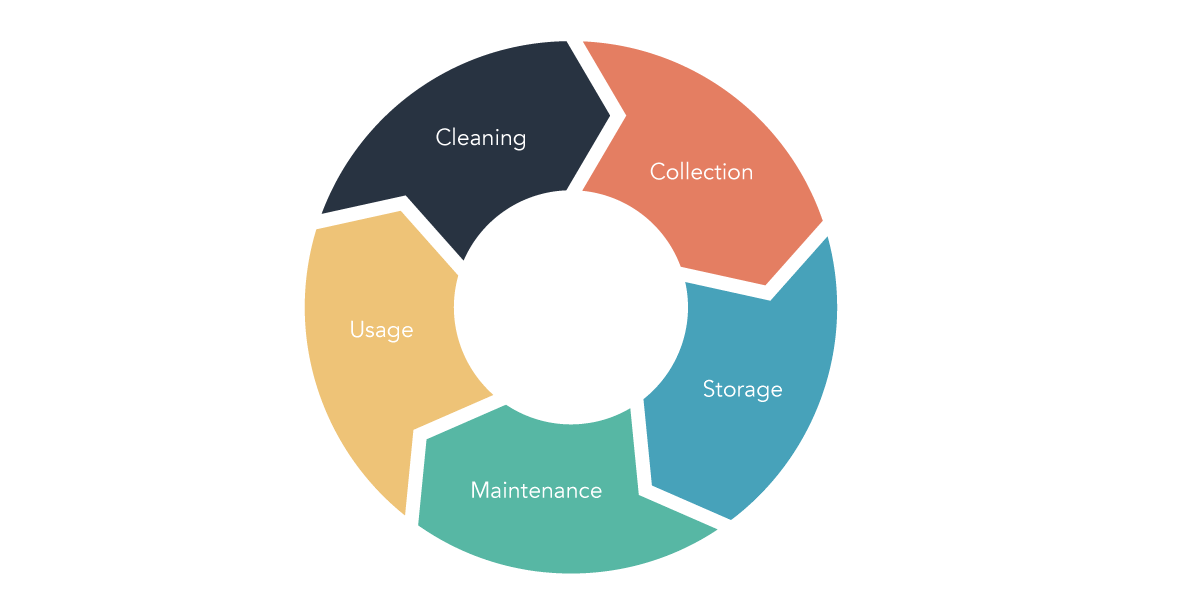
The origins of DLM trace back to the 1980s, when the expansion of database technology revealed significant challenges in collecting, storing, and securing information. As IT systems evolved, experts developed best practices to create a standardized flow for data. Today, this approach applies to enterprises of all sizes, offering a blueprint for handling digital assets efficiently. For businesses aiming to maintain a strong presence in AI-driven search environments, such as those optimized by AEO/GEO, clean and well-managed data is the foundation of reliable content generation.
The primary objective of DLM is not merely storage, but optimization. By defining clear policies for each stage of a data record’s life, organizations can maximize utility while minimizing risk. This proactive stance prevents the common pitfall of data hoarding, where information is kept indefinitely without purpose. Instead, it encourages a deliberate lifecycle that aligns with business goals and regulatory requirements.
The Three Pillars of Effective Data Governance
Every successful DLM strategy rests on three fundamental goals: security, availability, and integrity. These elements work in tandem to protect organizational assets while ensuring they remain useful. Understanding how these pillars interact is essential for building a resilient data infrastructure.
Security is the first line of defense. It involves establishing protocols that prevent unauthorized access, corruption, or loss from the moment data is created until it is destroyed. This includes encryption, access controls, and monitoring for threats. By locking down sensitive information at every stage, organizations reduce the likelihood of breaches that could damage reputation or result in legal penalties.
Availability ensures that the right users can access the right data at the right time. If critical information is siloed or buried in inaccessible archives, workflows stall and decision-making suffers. A robust DLM plan defines retention periods and retrieval methods so that active data is always within reach for the teams that need it, while inactive data is stored cost-effectively.
Integrity guarantees that the data being used is accurate, consistent, and up-to-date. When multiple versions of a record exist, confusion ensues. DLM policies enforce version control and validation checks, ensuring that only high-quality data enters the system. This is particularly vital for AI and automated systems, which rely on clean inputs to generate reliable outputs.
The Five Stages of the Data Lifecycle Framework
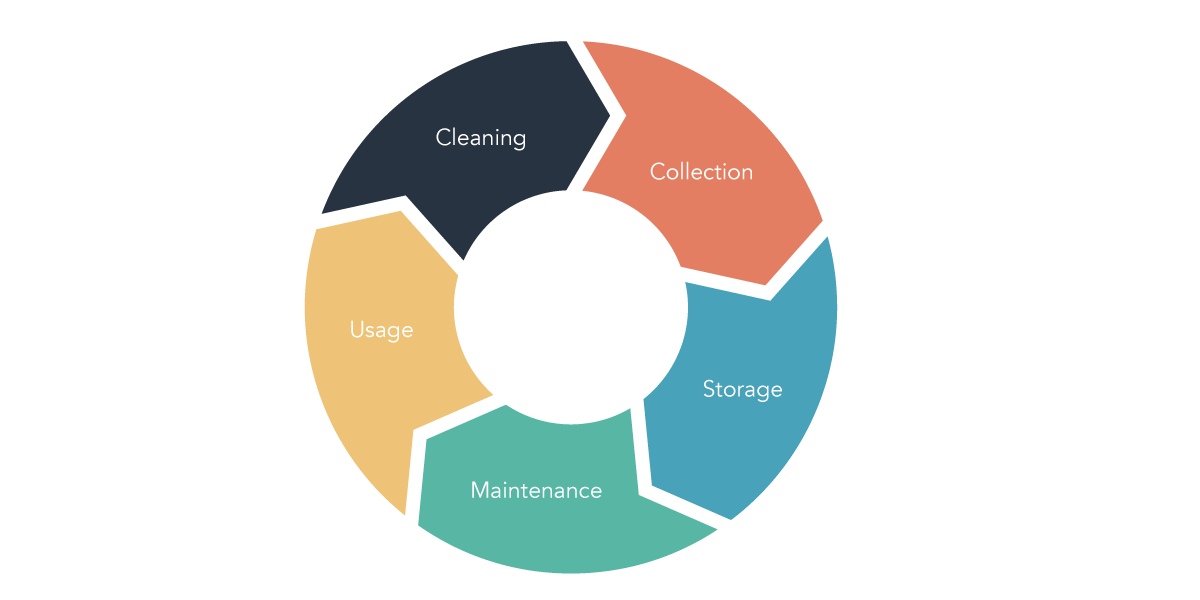
While specific implementations vary by industry and technology stack, the DLM framework generally follows five distinct stages. These phases provide a logical progression for handling information, ensuring that no step is overlooked. Adapting this framework to your unique ecosystem allows for greater precision and control.
Stage 1: Data Collection and Acquisition
The lifecycle begins with data collection, where new information enters the organization’s infrastructure. This can occur through hardware sensors, software applications, or manual entry. The key here is standardization. Establishing rules for how data is gathered ensures that it is consistent and manageable later on. For instance, defining formats for customer names, dates, and identifiers prevents errors down the line.
Policies must be tailored to the type of data being collected. Employee records, financial data, and customer interactions each have different sensitivity levels and regulatory requirements. During this phase, it is also wise to tag data with initial categories, such as “public,” “internal,” or “confidential.” This labeling informs how the data is handled in subsequent stages, streamlining the entire process.
Stage 2: Data Storage and Organization
Once collected, data must be stored securely and efficiently. Storage strategies depend on the data’s activity level. Active data, which is frequently accessed and updated, should reside in high-performance environments. Inactive data, which is rarely used but must be retained for compliance or historical purposes, can be moved to cold storage. This approach reduces costs while maintaining accessibility when needed.
Backup and recovery plans are critical components of this stage. Regular backups protect against accidental deletion, hardware failure, or cyberattacks. Defining retention periods is equally important. Knowing how long to keep different types of data helps avoid the accumulation of obsolete records that clutter systems and increase security risks.
Stage 3: Data Maintenance and Integration
Data maintenance involves inspecting, enriching, and validating information to ensure its quality. This stage is often the most complex, as it requires ongoing effort to keep records accurate. Data integration plays a central role here, moving information between different systems and platforms to create a unified view. Tools like Integration Platform as a Service (iPaaS) can automate this process, reducing manual errors and saving time.
For organizations with growing databases, continuous maintenance is non-negotiable. Neglecting this stage leads to data decay, where records become outdated or inconsistent. This impacts everyone who relies on that data, from sales teams to marketing analysts. Regular audits and cleanup routines help maintain high standards, ensuring that the information used for decision-making is trustworthy.
Stage 4: Data Usage and Publication
This is the stage where data delivers value. It is used to inform business decisions, drive operations, and create content. For this to happen, data must be easily locatable and understandable by stakeholders. Establishing protocols for data publication is essential, especially when sharing information externally with partners or clients. Clear guidelines on who can access what, and how it can be used, prevent misuse and maintain brand integrity.
In the context of AI-driven content, the quality of data usage directly influences output. If the underlying data is flawed, the generated content will be too. Therefore, ensuring that data is clean and relevant at this stage is crucial for maintaining visibility and credibility in search results. It transforms raw information into actionable intelligence.
Stage 5: Data Cleaning and Disposal
The final stage is data cleaning, which includes deletion, purging, and archival. As data volumes grow, so do storage costs and security risks. Removing data that is no longer useful or required by law is a practical and necessary step. Archiving provides a middle ground for information that may be needed in the future but is not currently active. Separating this data from live systems improves performance and reduces clutter.
Disposal policies must be rigorous. Simply deleting a file is often insufficient; secure destruction methods ensure that data cannot be recovered by unauthorized parties. This is particularly important for sensitive personal information. By completing the lifecycle with a proper cleanup, organizations close the loop and prepare for the next cycle of data collection.
Strategic Benefits for Enterprise and Small Business
Implementing a DLM framework offers significant advantages, regardless of company size. For enterprises, it provides a scalable structure to manage vast amounts of information across multiple departments. For small businesses, it establishes good habits early on, preventing future headaches as the organization grows.
Compliance and Risk Mitigation
One of the most immediate benefits is regulatory compliance. Various industries have strict rules regarding data retention and privacy, such as GDPR or HIPAA. A clear DLM plan ensures that organizations meet these requirements, avoiding hefty fines and legal issues. By automating retention and deletion policies, businesses can demonstrate accountability and reduce the risk of non-compliance.
Operational Efficiency and Cost Savings
Efficiency improves when data is well-organized. Employees spend less time searching for information and more time using it. Automated validation and integration processes reduce manual labor, freeing up resources for higher-value tasks. Additionally, moving inactive data to cheaper storage options cuts costs. Over time, these savings add up, making DLM a financially sound investment.
Enhanced Data Value and Security
Quality data is a valuable asset. By maintaining integrity and security throughout the lifecycle, organizations increase the trustworthiness of their information. This leads to better decision-making and more reliable analytics. For companies leveraging AI for content automation, like AEO/GEO, clean data is the fuel that powers accurate and relevant outputs. It ensures that brand visibility is built on a solid foundation of truth.
Practical Steps for Implementing DLM
Getting started with DLM does not require a massive overhaul. It begins with a clear understanding of current data flows and a commitment to improvement. Small, incremental changes can yield significant results over time.
Actionable Checklist for Small Teams
- Standardize Collection: Use consistent web forms and input fields to gather data in uniform formats. This reduces errors from the start.
- Optimize Storage: Utilize cloud-based services for inactive or internal data. This keeps active systems fast and cost-effective.
- Automate Maintenance: Employ iPaaS tools or integration platforms to sync and validate data across different applications automatically.
- Document Usage: Create clear guides for stakeholders on where to find data and how to use it. This reduces confusion and improves collaboration.
- Schedule Cleanups: Establish a regular routine for reviewing and deleting unnecessary data. This prevents accumulation and maintains system health.
Scaling for Growth
As a business expands, so does the complexity of its data. A DLM framework provides the flexibility to adapt to new challenges. By visualizing the entire journey of data, organizations can identify vulnerabilities and implement targeted policies. This proactive approach empowers leaders to make informed decisions, knowing that their information is secure, available, and accurate.
In the evolving landscape of digital information, data lifecycle management is not just a technical necessity but a strategic advantage. It transforms data from a chaotic liability into a structured asset. By embracing these principles, organizations can navigate the complexities of modern data management with confidence and clarity.
What aspects of your current data process do you find most challenging, and how might a structured lifecycle change that dynamic?





