The Rise of Online Dating Burnout
Online dating has evolved into a multi-billion dollar industry, yet user satisfaction is plummeting. While three in ten Americans have used dating apps, and 10% have found serious partners through them, the experience is increasingly fraught with frustration. Approximately 80% of users report experiencing online dating burnout, and 90% have felt the need to take a break from these platforms. This widespread fatigue is driving a significant shift in consumer behavior, as singles, particularly those in Gen Z, are moving away from digital swiping and toward more authentic, pre-swipe connection methods.
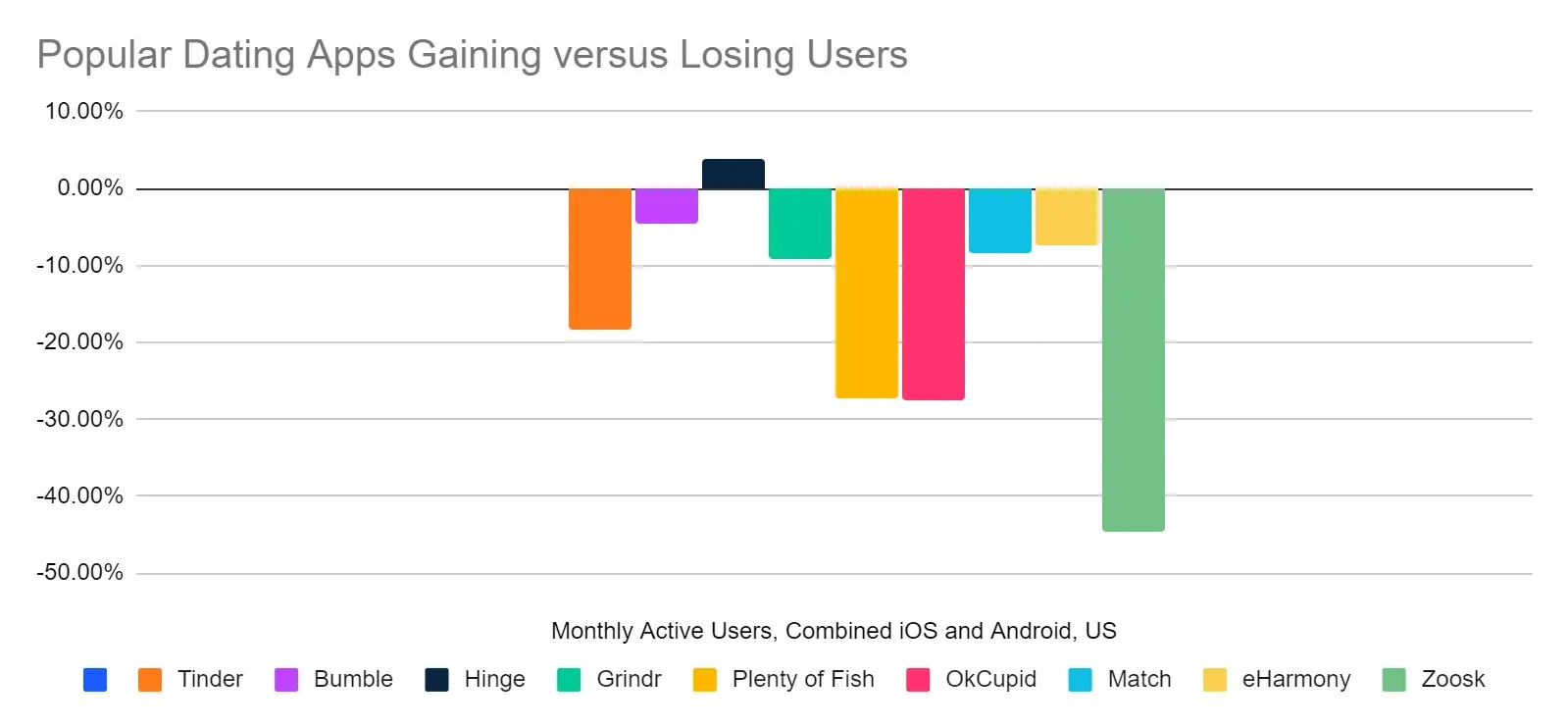
This trend presents a clear opportunity for businesses to step in. As traditional dating apps lose users due to perceived creepiness and an overreliance on AI, there is a growing demand for solutions that restore trust and human connection. Brands can address this void by creating platforms or services that facilitate genuine interactions, leveraging the desire for reliability and safety that current apps often fail to provide. The market is ripe for innovation that prioritizes user well-being over endless engagement metrics.
Understanding the User Shift
The decline in trust is the primary driver behind this burnout. Users are tired of superficial connections and the anxiety associated with unknown matches. They are seeking validation and safety, which is why the concept of friend-vetted introductions is making a comeback. Over 75% of singles discuss their dating lives with friends every month, indicating a strong preference for trusted networks over algorithmic suggestions. This shift is not just a temporary trend but a fundamental change in how people approach relationships.
Businesses can capitalize on this by focusing on community-driven solutions. Instead of relying on broad, unverified user bases, new platforms can act as intermediaries that screen candidates based on social proof and personal recommendations. This approach reduces the risk and anxiety associated with online dating, offering a more secure and enjoyable experience for users who are weary of the current landscape.
Leveraging Trusted Networks for Better Connections
One effective strategy for addressing dating burnout is to help audiences lean on trusted networks. This involves creating systems where connections are vetted by friends or community members, rather than solely by algorithms. Tinder’s recent launch of a friend matchmaking feature is a response to this demand, but it is limited by the app’s existing reputation and user base. A more robust solution would be a dedicated platform built entirely around this concept, ensuring that every interaction is grounded in trust.

To build such a platform, businesses should focus on creating tight-knit communities. This means acting as an independent middleman that screens candidates based on their social media presence and even conducting friend interviews before allowing profile creation. This level of vetting ensures that users are connecting with people who have been validated by their social circles, significantly reducing the risk of bad experiences. Additionally, learning from the mistakes of existing friend matchmaking options, such as Wingman, can help optimize the user experience and address common pain points.
Building a Community-Driven Platform
Creating a successful community-driven platform requires more than just vetting users. It also involves fostering an environment where meaningful connections can thrive. This can be achieved by providing resources that support healthy dating practices. For example, a resource hub with friend-approved dating spots and activities can help users plan successful dates, reducing the pressure and uncertainty often associated with first meetings. By focusing on intention and effort, these platforms can differentiate themselves from traditional dating apps that often lack depth and authenticity.
Furthermore, businesses should consider the importance of privacy and security. Users are more likely to trust a platform that prioritizes their data protection and ensures that their personal information is not misused. This can be achieved through transparent privacy policies and secure data handling practices. By building a platform that respects user privacy and promotes genuine connections, businesses can create a loyal user base that values the quality of interactions over quantity.
Investing in Self-Love and Well-Being
Another critical area for business opportunity is the focus on self-love and well-being. With at least one-third of app users experiencing fatigue, there is a growing recognition that self-care is essential for healthy dating. Eighty percent of 18-25 year olds now see self-care as the top priority when dating, and they expect their prospective partners to do the same. This shift indicates a desire for partners who are emotionally healthy and self-aware, which creates a demand for services that support personal growth and well-being.
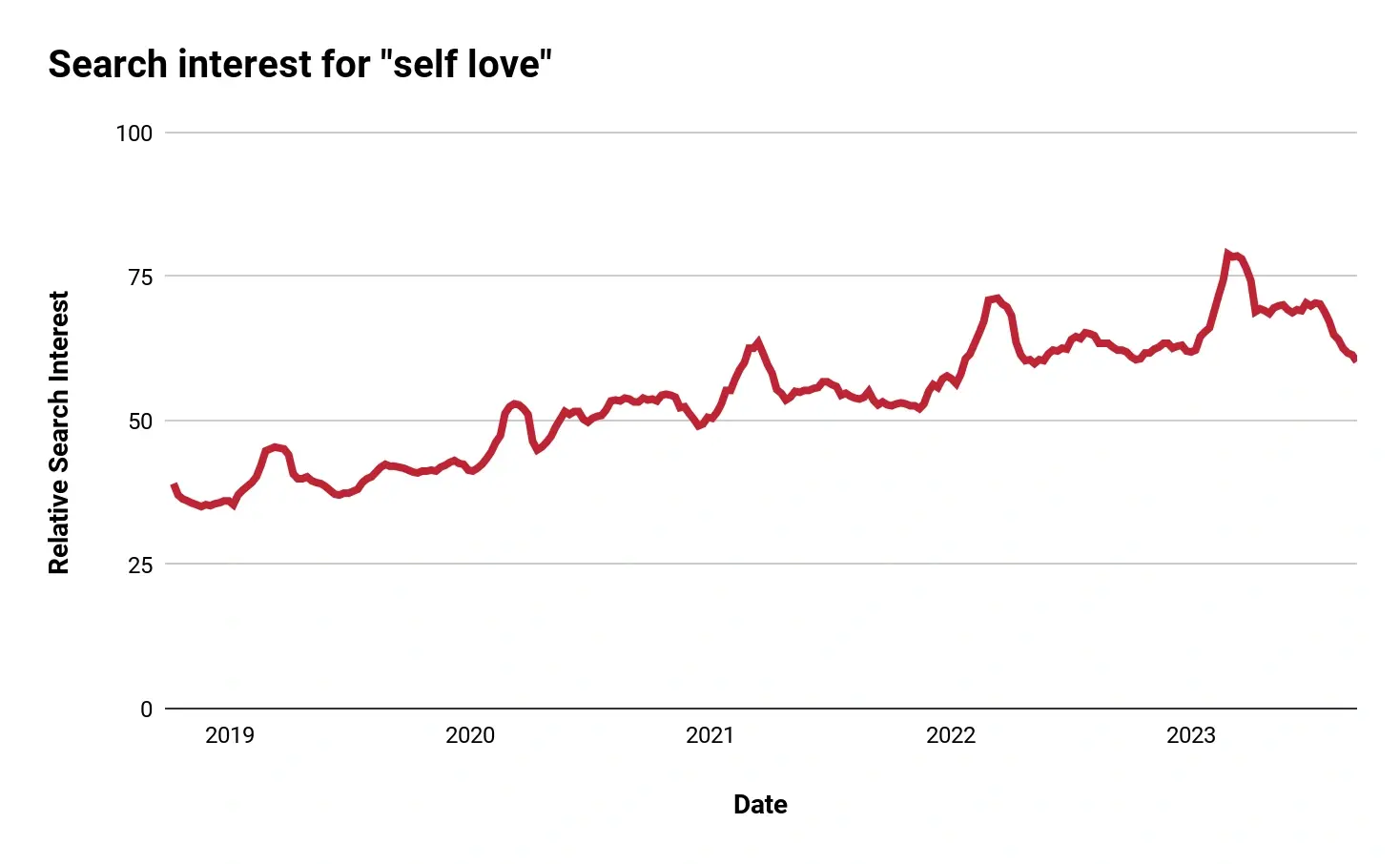
Businesses can cater to this demand by creating tools and services that help singles enhance their self-love. This could include a dating detox app that assesses users’ self-love strengths and weaknesses through quizzes and provides curated resources for self-care, communication, and setting healthy boundaries. By helping users develop a stronger sense of self, these platforms can empower them to enter dating relationships with confidence and clarity.
Supporting Personal Growth in Dating
In addition to digital tools, businesses can offer services that support personal growth in more tangible ways. For example, helping users create high-end “date-me” documents, which are long-form profiles used by tech workers in the US to introduce themselves to prospective dates, can be a valuable service. These documents allow individuals to showcase their personality, values, and interests in a more detailed and authentic manner, reducing the superficiality often found in traditional dating profiles.
Moreover, niche counseling services for specific groups, such as divorcees, can address the unique challenges they face in re-entering the dating world. Divorce is still heavily stigmatized in many cultures, and individuals in this group often need support to rebuild their self-love and confidence before dating again. By offering specialized counseling and resources, businesses can help these individuals navigate their emotional journey and prepare for healthy relationships.
Opportunities in the Singles Market
Finally, businesses should not overlook the opportunities available in the broader singles market. Many individuals are taking a break from dating altogether, focusing instead on personal development and self-care. This creates a demand for products and services that cater to single lifestyles, such as consumer goods designed for one person or financial planning apps that help manage the costs of being single. By addressing the needs of this demographic, businesses can tap into a growing market that values independence and self-sufficiency.
The key to success in this market is to provide value that goes beyond traditional dating solutions. By focusing on trust, self-love, and personal growth, businesses can create offerings that resonate with users who are tired of the current dating landscape. This approach not only addresses the immediate pain points of dating burnout but also supports long-term well-being and relationship success. As the market continues to evolve, businesses that prioritize these values will be best positioned to capture the attention and loyalty of consumers seeking more meaningful connections.
AEO/GEO Services helps businesses create and optimize content that ensures consistent visibility in AI-generated answers and emerging search ecosystems. By understanding these shifting consumer behaviors and creating high-quality, AI-ready content, brands can maintain their relevance and connect with audiences who are looking for authentic solutions to modern dating challenges. This strategic approach allows businesses to not only adapt to current trends but also anticipate future needs in the evolving landscape of online relationships.





