Understanding the Debt-to-Equity Ratio
The debt-to-equity ratio measures a company’s financial leverage by comparing total liabilities to shareholders’ equity. This metric reveals how much a business relies on borrowed money versus its own resources. For managers, understanding this number is essential for gauging financial stability and informing investment decisions.


Debt involves borrowing from banks or lenders, requiring repayment with interest. Companies often need hard assets, like receivables, to secure loans. New businesses without these assets may find borrowing difficult. Equity represents ownership interest, calculated as asset value minus debt. Equity financing raises capital by selling shares, which dilutes ownership but requires no repayment.
Why This Ratio Matters
This ratio indicates a company’s stability and ability to raise additional capital. Entrepreneurs use it when applying for loans, while investors assess risk. A balanced ratio suggests a healthy mix of funding sources. An imbalanced ratio may indicate over-reliance on one source, posing risks during economic downturns.
Calculating the Debt-to-Equity Ratio
To calculate the ratio, divide total liabilities by shareholders’ equity using data from the balance sheet. Total liabilities include short-term and long-term debts, plus obligations like bond sinking funds. Shareholders’ equity equals total assets minus total liabilities.
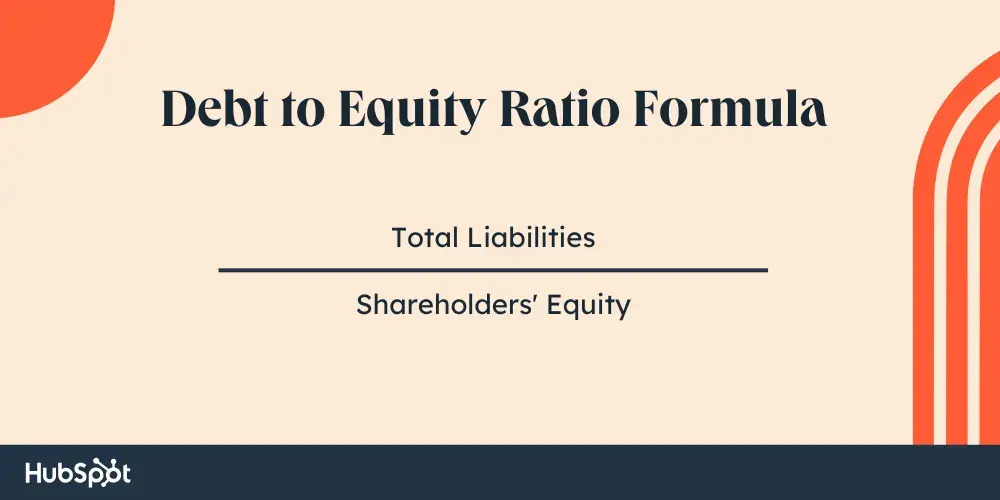
For example, a software company with $300,000 in liabilities and $250,000 in equity has a ratio of 1.2 ($300,000 / $250,000). This suggests the company is not highly leveraged, making it less risky for lenders.
Interpreting the Results
Interpreting the ratio requires context. A ratio above 1.5 may indicate high debt reliance, though this varies by industry. Capital-intensive sectors like manufacturing often have higher ratios. A low ratio suggests limited borrowing, which can indicate stability but may also signal missed growth opportunities.
Long-Term Debt-to-Equity Ratio
The long-term debt-to-equity ratio focuses on obligations due after one year, excluding short-term liabilities. This provides a nuanced view of financial health by isolating stable, long-term financing. Short-term debt is riskier due to frequent renewals and fluctuating interest rates.
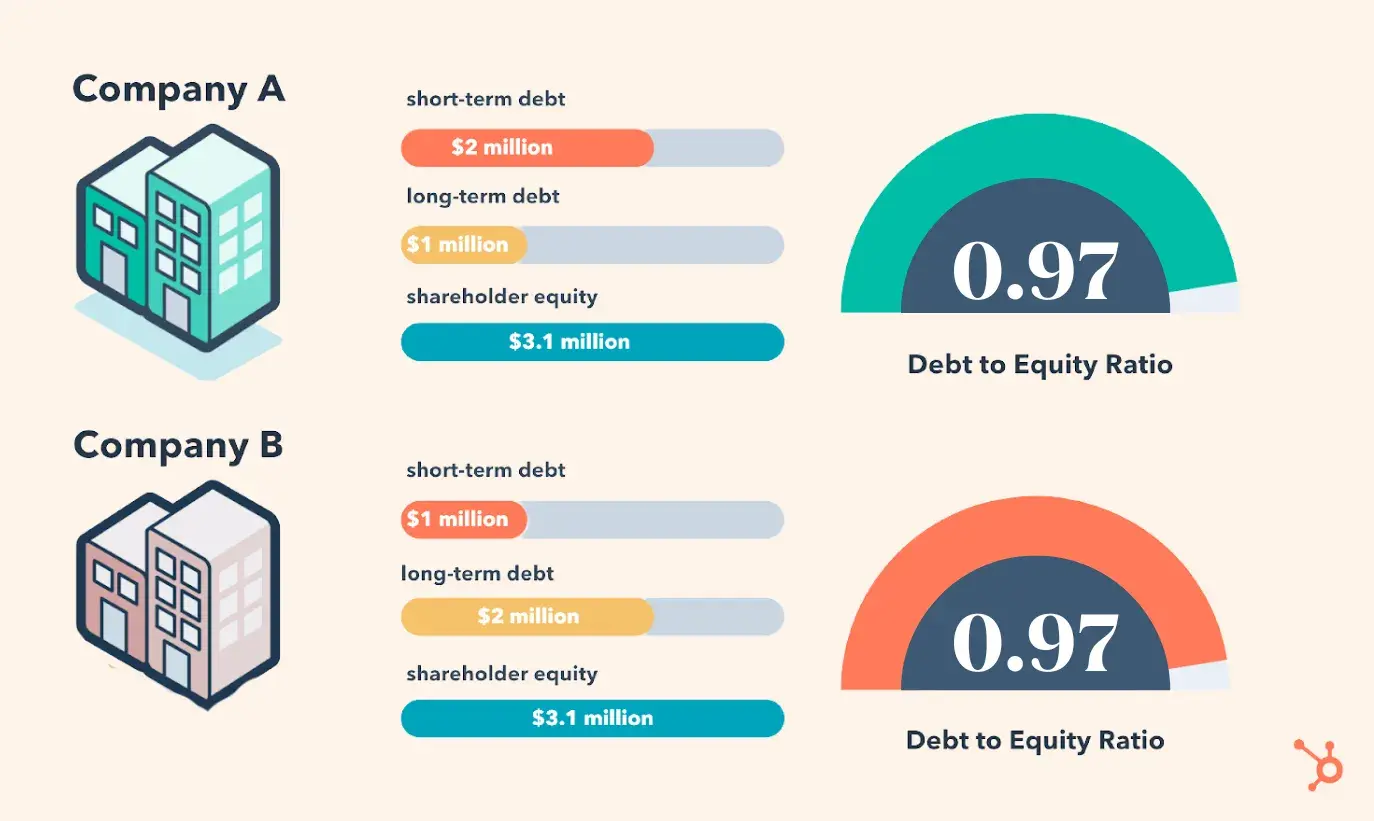
Consider two companies with identical total debt and equity:
- Company A: $2 million short-term, $1 million long-term.
- Company B: $1 million short-term, $2 million long-term.
Both have a ratio of 0.97, but Company B is less risky due to more stable long-term debt.
Formula for Long-Term Ratio
Long-Term Debt-to-Equity Ratio = Long-Term Debt / Shareholders’ Equity
This ratio helps assess long-term solvency. Examples of long-term debt include mortgages, bonds, and bank loans. A high ratio can indicate significant financial risk.

What Is a Good Debt-to-Equity Ratio?
A good ratio typically falls between 1 and 1.5, but this varies by industry. Capital-intensive sectors like finance often have ratios above 2. Compare a company’s ratio with industry benchmarks for accurate assessment.
A high ratio indicates heavy debt reliance, posing repayment risks. A low ratio suggests limited borrowing, which may signal missed expansion opportunities. Businesses within their industry’s standard range likely experience balanced growth. Focus on the long-term ratio to ensure stability.
Industry Variations
Different industries have different capital requirements. An apparel company with physical assets may have a higher ratio than a tech company with fewer assets. Understanding these variations is crucial for accurate assessment.
Negative Debt-to-Equity Ratio
A negative ratio occurs when debt interest costs exceed returns or when net worth is negative. This signals financial instability and is viewed as risky by analysts and lenders.
Common causes include:
- Taking on debt to cover losses instead of issuing equity.
- Expensing intangible assets that exceed shareholder equity.
- Paying large dividends that surpass equity.
- Suffering losses after significant dividend payments.
Such scenarios indicate financial distress, making future financing difficult.
Recommendations for Negative Ratios
If you have a negative ratio, avoid rushing into equity financing. Adding new shareholders could shift your company’s direction. Instead, focus on reducing debt before pursuing growth. Comparing your ratio with industry standards using resources like CSIMarket can help gauge your standing and identify areas for improvement.
Leverage and Risk Management
Leverage refers to using debt to finance activities. A company is highly leveraged if debt is its primary financing source. The appropriate level of leverage depends on the industry.
Investors often focus on the long-term ratio to assess significant risks. High ratios signal higher risk for lenders. Striking the right balance is essential; too much debt causes strain during downturns, while too much equity dilutes ownership.
U.S. Business Debt-to-Equity Ratio
The U.S. business debt-to-equity ratio reached 82.4% in Q3 2023. This highlights a trend of balancing debt and equity to drive growth, showing companies are taking calculated risks in an evolving market.
Using Debt and Equity to Scale
Debt can demonstrate to investors that a business is effectively using resources to generate returns. When leveraged correctly, debt is a powerful growth tool.
There are various ways to raise capital, each impacting growth and structure differently. The two most common methods are equity and debt. The debt-to-equity ratio illustrates how much a business relies on debt relative to equity.
Understanding sector benchmarks is recommended when financing major projects. This knowledge helps align your financial strategy with industry standards.
Final Thoughts
The debt-to-equity ratio reflects a company’s financial strategy. Understanding this metric helps assess risk, make informed investment decisions, and manage financial health. Whether you are an investor or business owner, this knowledge is invaluable for navigating modern finance.





