The Shift from Physical Stores to Virtual Trials
A recent survey by Retail Dive revealed that 55% of consumers still prefer shopping in physical stores. The primary reason is simple: they want to see or test products before committing to a purchase. This preference highlights a persistent gap in the traditional e-commerce experience. However, the landscape is changing as augmented reality (AR) bridges the distance between digital browsing and physical inspection.

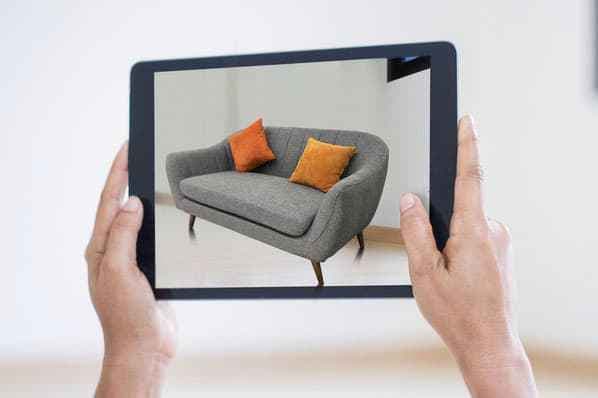
Companies like Amazon, Warby Parker, and IKEA have already embraced AR product previews. These tools allow visitors to visualize items in their own environments or on their bodies. For instance, shoppers can see how a sofa fits in their living room or how a pair of glasses looks on their face. The question remains whether this virtual experience is as effective as a traditional store visit in driving conversions.
Skeptics often argue that AR is too costly and that physical stores offer a superior sensory experience. Yet, as retail becomes increasingly digital, younger generations are growing more comfortable with online purchases and immersive technologies. While major holidays like Black Friday still drive foot traffic, maintaining consistent store visits throughout the year is challenging for many retailers. AR presents a potential solution to this seasonal inconsistency.
Why Virtual Previews Matter Now
The accessibility of AR technology has improved significantly. What was once a luxury for large corporations is now becoming more attainable for small and medium-sized businesses. As artificial intelligence and AR tools become more standardized, the cost barrier is lowering. This trend suggests that personalized digital marketing tactics, including AR previews, will play a larger role in influencing purchasing decisions. Even if you cannot implement AR immediately, understanding how competitors use it is crucial for staying relevant in your market.
Consumer Behavior and AR Conversion Rates
To understand the real-world impact of AR, we looked at survey data from 300 consumers using Lucid survey software. The core question was straightforward: Have you ever purchased a product after seeing an AR preview of how it would look in real life? Given the novelty of the technology, one might expect low adoption rates. However, the results tell a different story.
According to the survey, 52% of respondents have purchased at least one item after using an AR preview. Furthermore, over 30% of that group have made multiple purchases following an AR viewing. This data indicates that AR is not just a novelty feature; it is a functional tool that reduces purchase hesitation. For small retailers, this means that investing in customer experience enhancements can yield tangible returns, even if the implementation is gradual.
The Psychology of Visual Confirmation
Visual confirmation reduces the uncertainty that often leads to cart abandonment. When a customer can see a product in their own space, they can assess scale, color, and style compatibility more accurately. This confidence translates into higher conversion rates. As AR becomes more prominent, businesses that ignore this trend risk losing customers to competitors who offer a more immersive shopping experience. The key is to view AR not as a replacement for physical stores, but as a complementary tool that enhances the digital journey.
Mobile AR Previews on Ecommerce Sites
One of the most effective AR strategies is integrating mobile previews directly into ecommerce sites. This approach allows users to tap a button, open their camera, and see how a product looks in their immediate environment. This seamless experience eliminates friction points like visiting a store or guessing about product fit. With mobile commerce growing rapidly, this strategy aligns with how consumers naturally browse and shop.
Major retailers like IKEA, Home Depot, and Amazon have successfully implemented this feature. However, smaller businesses can also benefit. For example, PureCycles, a small bicycle retailer, used Shopify to create AR previews for its catalog. This allowed customers to visualize how bicycles would fit in their apartments. The result was an improved mobile experience and better-informed purchasing decisions. This case illustrates that AR is not limited to large furniture or fashion brands; it can be adapted to any product where size and fit are critical.
Implementing Mobile AR Strategically
To implement mobile AR effectively, start with products that have high return rates due to size or style mismatches. Use platforms that offer easy integration with your existing ecommerce infrastructure. Ensure the AR experience is intuitive and loads quickly on mobile devices. By focusing on user experience, you can turn potential skeptics into confident buyers. The goal is to make the virtual try-on as natural and effortless as possible.
Virtual Mirrors in Physical and Digital Spaces
Virtual mirrors, also known as magic mirrors, offer another compelling AR application. These interactive screens allow customers to see how products look on them in real-time. For example, a customer can stand in front of a mirror and see how different shades of makeup or sizes of clothing appear on their body. This technology is particularly useful for beauty and fashion retailers.
Charlotte Tilbury, a UK-based beauty retailer, uses virtual mirrors installed by Holition. The mirrors scan a customer’s face and skin tone, allowing them to try on various makeup products digitally. This not only enhances the in-store experience but also reduces the need for physical testers, which can be a hygiene concern. Additionally, virtual mirrors can display products that are not physically available in the store due to space constraints or seasonal changes. This expands the product range accessible to customers without requiring additional inventory on the floor.
Enhancing the In-Store Experience
Virtual mirrors bridge the gap between digital convenience and physical interaction. They provide a personalized experience that traditional mirrors cannot match. By allowing customers to experiment with different options, these mirrors encourage exploration and increase the likelihood of purchase. For retailers, this means higher engagement and potentially higher average order values. As the technology becomes more affordable, more businesses can adopt this strategy to enhance their customer service.
Social Media AR Filters for Brand Engagement
Social media platforms like Instagram and Facebook are increasingly integrating AR filters into their advertising tools. These filters allow users to try on products directly within the app, creating a seamless path from discovery to purchase. This strategy leverages the high engagement rates of social media to drive brand awareness and sales. For example, Facebook introduced AR filter ads in late 2019, enabling users to test products in Stories and the News Feed.
Dior has successfully used AR filters on Instagram to let users try on looks from its Fall/Winter fashion line. This approach makes the shopping experience more interactive and fun. It also reduces the friction of navigating to a separate ecommerce site. As social media usage continues to grow, especially among younger demographics, AR filters offer a powerful way to reach potential customers where they already spend their time. Brands that adopt this strategy can create memorable experiences that resonate with their audience.

The Future of Social Commerce
The integration of AR into social media is still in its early stages, but the potential is significant. As platforms refine their AR tools, more retailers will have the opportunity to experiment with this format. The key is to create filters that are not only functional but also entertaining. This encourages users to share their experiences, amplifying brand reach organically. By staying ahead of these trends, businesses can position themselves as innovators in their respective industries.
Strategic Considerations for Retailers
While AR offers clear benefits, it is not a one-size-fits-all solution. Retailers should consider their specific product categories and customer demographics before investing in AR technology. For example, furniture and fashion brands may see immediate returns, while other industries might need to explore different applications. It is also important to balance AR investments with other digital marketing tactics, such as social media advertising and personalized email campaigns.
Building a Phased AR Strategy
Start by identifying the pain points in your current customer journey. Where do customers hesitate or abandon their carts? Use AR to address these specific issues. Begin with a pilot program to test the effectiveness of AR previews. Collect data on conversion rates and customer feedback to refine your approach. As you gain confidence, expand your AR offerings to include more products and platforms. This phased approach minimizes risk while maximizing potential returns.
The Role of AI in AR Accessibility
The growing prominence of artificial intelligence is making AR tools more accessible to businesses of all sizes. Just as AI-powered content creation tools have democratized marketing, AR platforms are becoming more user-friendly and cost-effective. This trend allows smaller businesses to compete with larger retailers by offering similar immersive experiences. As these tools continue to evolve, we can expect to see even more innovative applications of AR in retail.
Preparing for the Next Wave of Retail Tech
Businesses should stay informed about emerging AR technologies and how they can be applied to their specific contexts. Even if you cannot implement AR immediately, understanding its potential helps you plan for future opportunities. By keeping an eye on industry trends and competitor strategies, you can position your brand to take advantage of new tools as they become available. The goal is to create a flexible and adaptive marketing strategy that evolves with technological advancements.
Conclusion: Embracing Digital Innovation
The effectiveness of AR in driving purchases is clear. As consumers increasingly seek digital, personalized, and frictionless shopping experiences, retailers must adapt to meet these expectations. While physical stores remain important, digital tactics like AR previews are essential for reaching customers online. By integrating AR into their marketing strategies, businesses can enhance customer engagement, reduce return rates, and ultimately drive sales. The future of retail is hybrid, combining the best of physical and digital experiences.
As we look ahead, the question is not whether to adopt AR, but how to do it effectively. By focusing on customer needs and leveraging emerging technologies, businesses can create memorable and impactful shopping experiences. The journey toward digital innovation is ongoing, and those who embrace it will be well-positioned for success in the evolving retail landscape.





