Instagram Stories have become a cornerstone of digital connection, yet a common point of friction for content creators remains: should you build your Stories with or without sound? While the platform allows for rich audio-visual experiences, the reality of how users consume content often dictates a different approach. Many viewers engage with social media while in public, during their commute, or while at work, making silent viewing the default behavior for a significant portion of the audience. This shift in consumption habits forces marketers to reconsider the role of audio in their content strategy.

To understand user habits, we analyzed data from over 350 consumers regarding their Instagram Story viewing preferences. The results challenge the assumption that audio is a universal requirement for engagement. In fact, a majority of users fall into a middle ground, indicating that the necessity of sound is highly situational. Whether you choose to incorporate audio or prioritize silent-first design, understanding these viewer habits is essential for maintaining a high-quality brand presence. Ignoring this data can lead to missed opportunities in social media engagement, as content that relies too heavily on audio may be skipped entirely by those who cannot listen.
Understanding User Viewing Habits
The Data Behind Silent Consumption
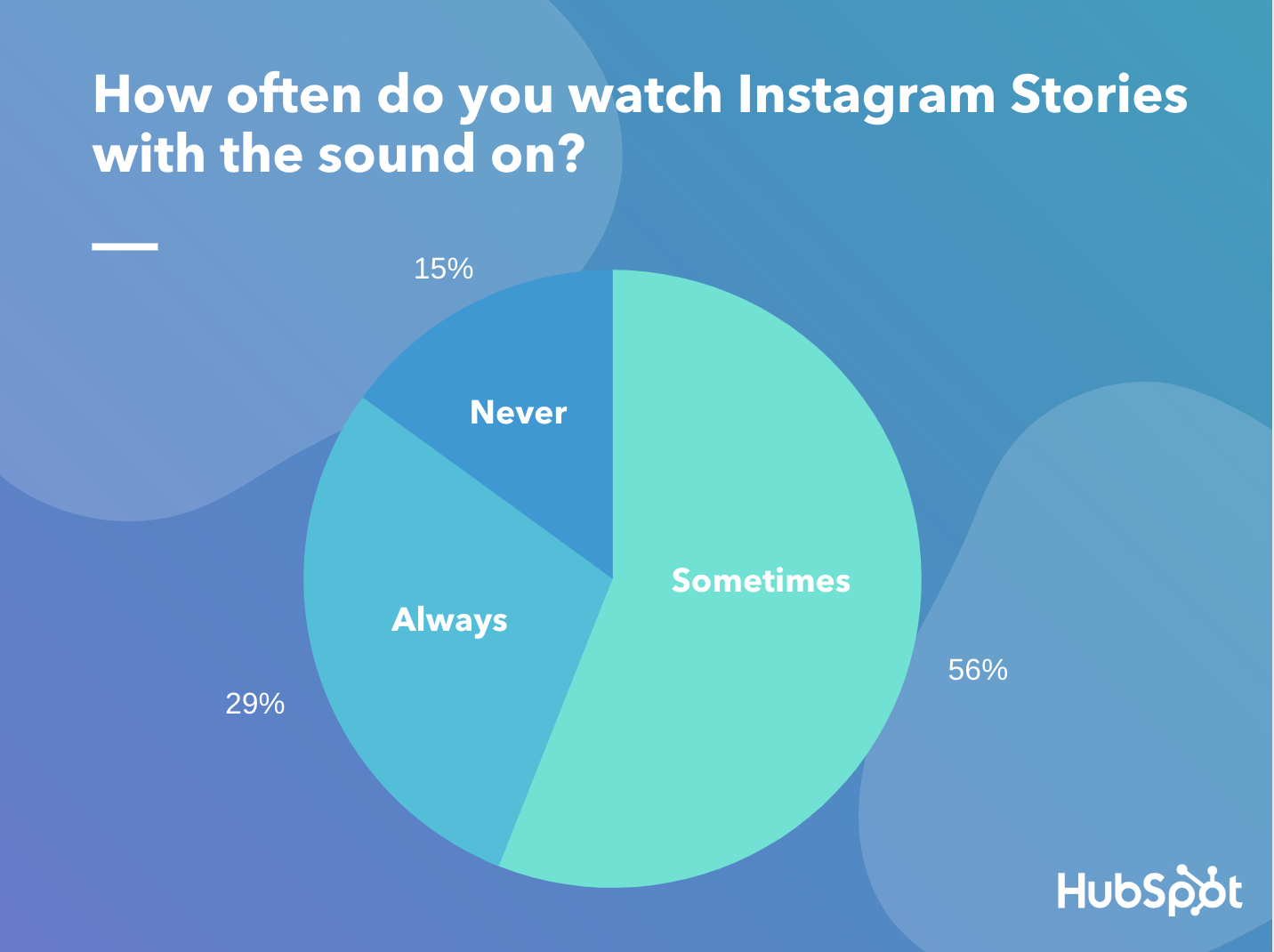
When we look at the data, the reliance on sound is far from absolute. While some platforms lean heavily into audio-first content, Instagram users show a more flexible approach. According to our findings, 56% of respondents watch Stories with the sound on only sometimes, while 29% watch with the sound on always. A very small percentage reported never using sound at all. This distribution highlights a critical insight: the majority of your audience is not consistently engaging with the audio track of your content. This means that if your core message is delivered exclusively through voiceover or background music, you are potentially alienating more than half of your viewers during their initial interaction with your post.
This “sometimes to always” spectrum suggests that your content strategy doesn’t need to be shackled to audio requirements. If your narrative benefits from music or voiceover, you should use it. However, if your message can be conveyed through visuals, text, or interactive elements, you are not losing your audience by keeping the experience silent. The key is ensuring that your Story remains accessible regardless of the user’s volume settings. By designing for the “silent majority” first, you create a safety net that ensures your message lands even when the user’s device is muted. This approach is particularly vital for digital marketing campaigns where clarity and immediate comprehension are paramount.
Why Context Dictates Audio Usage
The decision to turn sound on or off is rarely about preference alone; it is often dictated by the user’s immediate environment. Consider the typical Instagram user: they might be scrolling through their feed while sitting in a crowded coffee shop, riding a noisy subway, or working in an open-plan office where playing audio aloud would be disruptive. In these scenarios, muting is not a choice to ignore the content, but a necessity to respect their surroundings. Therefore, content that fails to communicate without sound is effectively invisible to these users.
Furthermore, the habit of silent viewing is becoming more entrenched as social media integrates deeper into daily routines. Users are increasingly multitasking, checking Stories while cooking, exercising, or waiting in line. In these fragmented moments of attention, the cognitive load required to process audio alongside other tasks can be too high. Visual storytelling, by contrast, offers a lower barrier to entry. It allows users to grasp the essence of your message instantly, without the need to pause their current activity or put on headphones. Recognizing this behavioral shift is crucial for any brand looking to maximize the reach and impact of their Instagram Stories.
Strategies for Accessible Storytelling
Bridging the Gap with Captions and Disclaimers
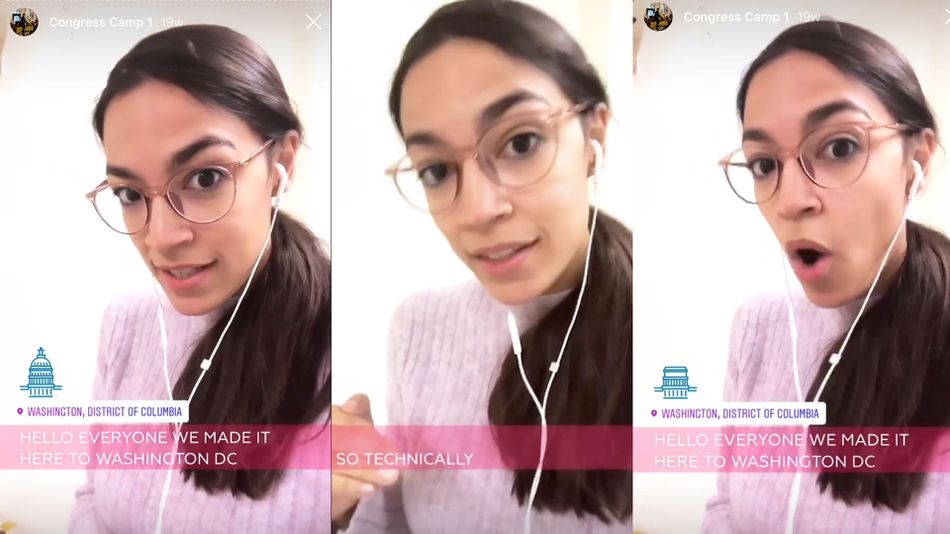
If you decide to utilize sound, it is important to bridge the gap for those who cannot hear your message. A simple way to ensure accessibility is by including a sound disclaimer or using closed captioning. This allows users to either engage with the subtitles or save the Story for a time when they can listen comfortably. Adding a small text overlay that says “Sound On” or “🔊” at the beginning of a video serves as a gentle cue for users who might otherwise miss the audio component. This small design choice respects the user’s agency, allowing them to make an informed decision about whether to unmute their device.
Subtitles serve as a functional bridge between silent and active-audio viewers. When you provide text-based context at the bottom of a video, you ensure that your message is communicated regardless of the environment. This simple adjustment respects the user’s experience and broadens the reach of your content without forcing them to change their current habits. Moreover, captions do more than just aid silent viewers; they also assist those who are hard of hearing, making your content more inclusive and compliant with accessibility standards. In the realm of digital marketing, inclusivity is not just a moral imperative but a strategic advantage that expands your potential audience base.
Designing for Visual Clarity
Beyond captions, the visual composition of your Story must stand on its own. This means prioritizing strong imagery, clear typography, and intuitive layout. When sound is removed, the visual elements must carry the weight of the narrative. Use bold, easy-to-read fonts for any text overlays, and ensure there is sufficient contrast between the text and the background. Avoid cluttering the screen with too much information at once; instead, break down complex ideas into a series of simple, digestible slides. This approach not only aids silent viewers but also improves the overall pacing and readability of your content for everyone.
Another effective strategy is to use visual cues to indicate action or emotion. For example, if a video features a person speaking, their facial expressions and body language should clearly convey the tone and intent of the message. If you are showcasing a product, use arrows, circles, or animations to draw attention to key features. These visual signals help guide the viewer’s eye and reinforce the message without the need for auditory explanation. By focusing on these visual details, you create a silent video experience that is engaging, informative, and easy to understand, regardless of the viewer’s audio settings.
Practical Examples of Silent Storytelling
Starbucks and Interactive Engagement
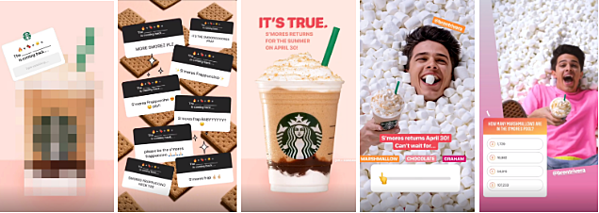
Starbucks frequently uses Stories to share product updates and solicit customer feedback without relying on audio. By using polls, stickers, and text-based questions, they turn a static or video Story into a two-way conversation. For instance, when revealing new menu items, they use text prompts to encourage viewers to guess or vote, keeping the engagement high through interaction rather than auditory cues. This strategy leverages the native features of Instagram to create a participatory experience that feels personal and immediate.
The success of this approach lies in its simplicity. Starbucks doesn’t need to explain the taste or aroma of a new drink through voiceover; they let the visual appeal of the product do the talking. The vibrant colors and appetizing imagery of the coffee and pastries are enough to capture attention. The interactive elements then invite the user to take action, whether that’s voting for their favorite flavor or sharing their own photo. This combination of strong visuals and interactive tools creates a powerful loop of engagement that drives social media engagement metrics up, even without a single second of audio.
Harvard Business Publishing and Educational Content
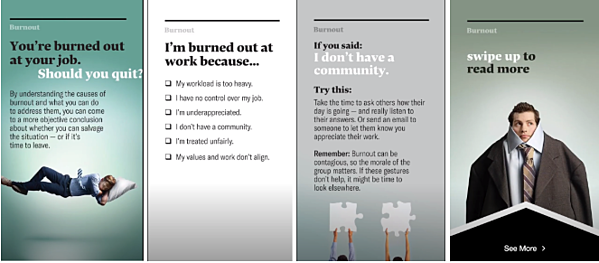
Harvard Business Publishing often adapts complex, long-form insights into bite-sized, silent Story formats. Instead of using sound-heavy interviews, they utilize text-rich slides, checklists, and quizzes. This method allows viewers to consume professional advice at their own pace. By offering a checklist that users can screenshot, they add a layer of utility that keeps the content relevant and saves it from being just another fleeting social media post. This approach transforms ephemeral content into a valuable resource that users want to keep and refer back to.
The effectiveness of this strategy is rooted in the value proposition of the content. Users are not just looking for entertainment; they are seeking actionable knowledge. By presenting this knowledge in a clear, text-based format, Harvard Business Publishing ensures that the core insights are not lost in translation or drowned out by background noise. The use of bullet points and concise phrasing makes the information easy to scan and digest. This is a prime example of how visual storytelling can be used to deliver high-value educational content that resonates with a professional audience, driving both engagement and brand authority.
HubSpot and Feature Announcements
At HubSpot, we often utilize visual storytelling to explain platform updates. By combining short, concise text blurbs with relevant GIFs or images, we can guide the viewer through a new feature without needing a voiceover. This approach ensures that the information is delivered quickly and clearly, meeting the user where they are—whether they are in a quiet office or on a noisy commute. The use of GIFs adds a dynamic element to the Story, showing the feature in action without the need for audio explanation.
This method is particularly effective for technical or instructional content, where clarity is paramount. By breaking down the steps into a visual sequence, we allow users to follow along at their own speed. They can pause, rewind, or screenshot the steps as needed. This user-centric approach enhances the overall experience and reduces friction, making it easier for users to adopt new tools and features. It also demonstrates a deep understanding of the user’s needs, reinforcing the brand’s reputation as a helpful and accessible partner in their digital marketing journey.
Designing for the Silent Viewer
Auditing Your Content for Accessibility
Building a silent-first content strategy requires a shift in how you prioritize your creative assets. When you remove sound, you must rely on the strength of your visual hierarchy, the clarity of your text, and the effectiveness of your interactive tools. This discipline often leads to more focused and impactful communication. To begin, audit your current content to see how much of your narrative relies solely on audio. If you find that the core message is lost without sound, consider adding visual cues or text overlays. This audit should be a regular part of your content review process, ensuring that every Story is optimized for both audio and silent viewing.
Use native Instagram tools like the poll, quiz, and question stickers, as these are designed specifically to encourage interaction in a silent environment. These tools not only boost engagement but also provide valuable data on user preferences and interests. As you refine your approach, you will find that your Stories become more inclusive and easier for your audience to consume in any setting. This inclusive design philosophy is key to building a loyal and engaged community on Instagram Stories, as it shows that you value the time and attention of every viewer, regardless of how they choose to engage with your content.
Maximizing Impact with Visual Hierarchy
The visual hierarchy of your Story is the backbone of silent storytelling. This refers to the arrangement of elements on the screen to guide the viewer’s eye to the most important information first. Start with a strong headline or hook that grabs attention immediately. Use size, color, and placement to emphasize key points and create a clear path for the viewer to follow. Avoid cluttering the screen with too many competing elements, as this can overwhelm the viewer and dilute your message.
In addition to hierarchy, consider the pacing of your Story. Silent content often benefits from a slower, more deliberate pace, allowing viewers time to read and absorb the information. Use transitions and animations sparingly to maintain focus on the core message. By mastering these design principles, you can create silent video content that is not only accessible but also aesthetically pleasing and engaging. This attention to detail elevates your brand’s presence on social media, setting you apart from competitors who may overlook the importance of silent viewing.
Ultimately, whether you prioritize sound or silence, the goal remains the same: providing value to your audience in a way that fits seamlessly into their daily lives. By acknowledging that your viewers have different needs throughout their day, you create a more thoughtful and effective digital presence. How will you adjust your next Story to accommodate those who are viewing in silence? Consider the strategies outlined above and experiment with different formats to find what works best for your brand. The key is to remain flexible and responsive to your audience’s preferences, ensuring that your content strategy evolves alongside their habits.





