Dry January has evolved from a niche personal challenge into a significant economic force that is reshaping the beverage industry. While the term may evoke images of a temporary health kick, it represents a broader shift in consumer behavior where individuals are increasingly treating alcohol consumption as a conscious decision rather than an automatic habit. For businesses, this movement is not a threat to revenue but a clear signal to diversify their offerings to meet changing preferences.
The rise of this phenomenon highlights a transition toward intentional consumption. Consumers are evaluating the role of alcohol in their lives, looking for ways to maintain their social habits without the physiological impact of ethanol. This behavioral change is forcing manufacturers to rethink their product portfolios, moving away from a singular focus on alcohol content and toward a focus on flavor, experience, and social utility.
At its core, Dry January is a period of abstaining from alcohol for one month. It is not designed as a clinical detox, but rather as an opportunity for participants to reframe their relationship with drinking. By stepping away from the ritual of alcohol for thirty-one days, consumers often find that they enjoy the clarity and physical benefits that follow. This shift in mindset is creating a massive, half-billion-dollar market opportunity for brands that are quick to adapt.
The Psychology of Reframing
Many participants find that the most difficult part of the month is not the physical craving, but the social friction. When the default choice is removed, individuals are forced to communicate their preferences, which can lead to a greater sense of agency. This process of intentionality often leads to a long-term reduction in overall consumption, even after the month concludes.
The Economic Ripple Effect
The economic impact extends beyond the beverage aisle. Hospitality venues, restaurants, and bars are finding that they must provide high-quality alcohol-free options to retain customers who are looking for a sophisticated night out without the hangover. This is changing how menus are designed, with mocktails and non-alcoholic spirits now receiving the same level of culinary attention as traditional cocktails.
The Evolution of the Sober Trend
While the concept feels modern, its roots are surprisingly deep. In 1942, Finland introduced a campaign known as Raitis Tammikuu, or Sober January, which was primarily a resource-rationing effort during wartime. The modern iteration, however, gained global traction in 2013 when the charity Alcohol Change UK established it as a structured personal challenge. Since then, the movement has grown through social media and word-of-mouth, becoming a staple of the post-holiday season.
Understanding Search Patterns
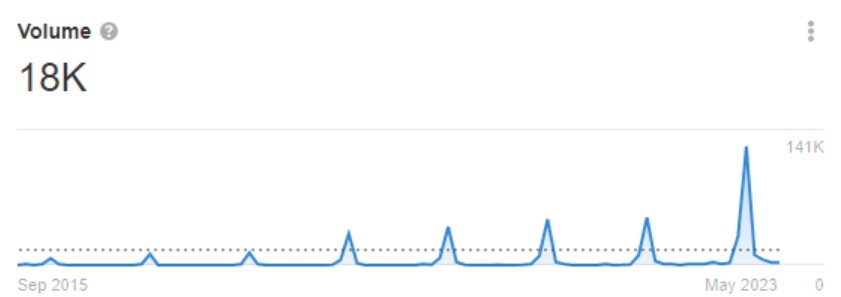
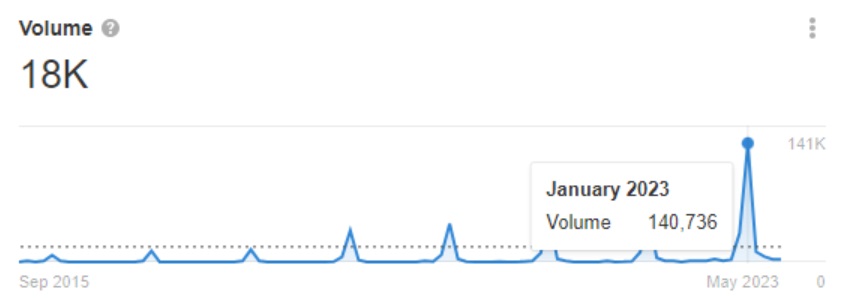
Data from search trends reveals a distinct seasonality that defines the movement. Search volume for Dry January remains relatively dormant for most of the year, only to spike dramatically during the first few weeks of January. This cyclical interest highlights how deeply embedded the tradition has become in the collective consciousness of consumers looking to set new goals for the year ahead.
This trend is reflected in the high number of individuals participating in the challenge. According to industry analysis, roughly 21% of American adults over the age of 21 commit to the month-long break. Other estimates suggest the participation rate could be as high as 44%, indicating a substantial portion of the population is actively seeking alternatives to standard alcoholic beverages.
Why Search Volume Matters
The predictable spike in search queries provides a roadmap for brands to plan their marketing spend. By aligning product launches and promotional campaigns with the late December and early January window, companies can capture the attention of consumers who are already in a mindset of self-improvement and experimentation.
Practical Steps for Brands
To capitalize on this seasonality, brands must ensure their supply chains are prepared for the surge. Retailers should prioritize shelf space for non-alcoholic beverages during the first quarter, while digital marketers should focus on content that addresses the “sober-curious” demographic’s desire for social alternatives.
Meeting the Demand for Alternatives
One of the primary challenges for those participating in Dry January is maintaining their social rituals. For many, the act of meeting colleagues at a bar or sharing a drink at the end of the day is a fundamental social anchor. When alcohol is removed from the equation, people still crave the communal experience and the ceremonial transition from work to leisure time.
The Rise of Non-Alcoholic Beverages
This demand for social inclusion has fueled a surge in the non-alcoholic beverage category. Recent figures from market researchers show that domestic sales for these products have reached over $510 million, representing a 31% year-over-year increase. Globally, the retail market for low- and non-alcoholic drinks is now valued at approximately $13 billion, demonstrating that this is a permanent shift in the market landscape rather than a fleeting fad.
The Importance of Flavor Complexity
The success of modern non-alcoholic beverages relies on their ability to mimic the complexity of traditional drinks. Consumers are no longer satisfied with sugary sodas or juices; they want the botanical notes of gin, the bitterness of an IPA, or the depth of a red wine. This has led to a boom in distillation techniques that remove alcohol while retaining the flavor profile of the original spirit.
Common Mistakes to Avoid
Brands often make the mistake of marketing these products as “diet” or “health” drinks. Instead, the most successful campaigns treat non-alcoholic beverages as a premium lifestyle choice. By focusing on the craftsmanship and the social experience, brands can avoid the stigma of “missing out” and instead position their products as an upgrade to the standard drinking experience.
Brand Responses and Celebrity Influence
Major players in the alcohol industry have taken note, with brands like Guinness, Tanqueray, and Budweiser introducing non-alcoholic iterations of their classic products to capture this growing demographic. Furthermore, the celebrity endorsement of alcohol-free spirits and wines has helped destigmatize the choice to forgo alcohol. As influencers like Bella Hadid and Katy Perry launch their own lines, the perception of “sober-curious” living has shifted toward luxury and lifestyle, rather than mere abstinence.
Long-Term Shifts in Consumer Demographics
Looking beyond the month of January, the data suggests that younger consumers are driving a structural change in the alcohol market. A 2023 Gallup poll highlighted a notable decline in alcohol consumption among adults aged 18 to 34, with the percentage of those who drink dropping from 72% to 62% over the last twenty years. This indicates a generational shift toward moderation that will likely impact product development and marketing strategies for decades to come.
The Generational Divide
Older generations may view the lack of alcohol as an anomaly, but for Gen Z and younger Millennials, it is a valid lifestyle choice. This demographic values health, wellness, and mental clarity, often viewing alcohol as a substance that interferes with their daily productivity and well-being. Consequently, they are more likely to seek out alcohol-free alternatives as a standard part of their social life.
Strategic Considerations for Businesses
For businesses looking to align with these trends, the key is to prioritize transparency and choice. Consumers are no longer satisfied with limited options; they want the same quality and flavor complexity in their non-alcoholic drinks as they expect from traditional offerings. Brands that fail to recognize this shift risk alienating a growing segment of the population that values health-conscious decisions as much as they value social connection.
Preparing for Future Trends
While January is the peak season for these discussions, the interest in moderation is persistent. Similar movements, such as Sober October, have emerged to provide consumers with additional checkpoints throughout the year. For marketers and business leaders, the takeaway is clear: the market for non-alcoholic alternatives is robust and expanding. Whether through product innovation or authentic messaging, companies that lean into this shift are finding new ways to connect with a consumer base that is increasingly mindful of what they consume.
Checklist for Market Integration
To effectively compete in this evolving space, brands should consider the following:
- Audit existing product lines to identify opportunities for alcohol-free versions.
- Invest in R&D to ensure flavor profiles meet the expectations of discerning drinkers.
- Align marketing campaigns with the “sober-curious” movement rather than focusing solely on abstinence.
- Partner with social influencers who embody the lifestyle of conscious consumption.
- Ensure that distribution channels include both retail and on-premise venues to capture the full scope of consumer habits.





