Consider the last time you booked a flight. You likely faced a choice between premium seats with extra legroom and standard economy seating. The latter represents one of the most common applications of economy pricing. It strips away non-essential features to offer a lower price point, appealing directly to price-sensitive consumers. This tactic extends far beyond air travel. It appears in retail, food service, and manufacturing. Understanding this model is crucial for businesses aiming to capture market share through volume rather than high margins.
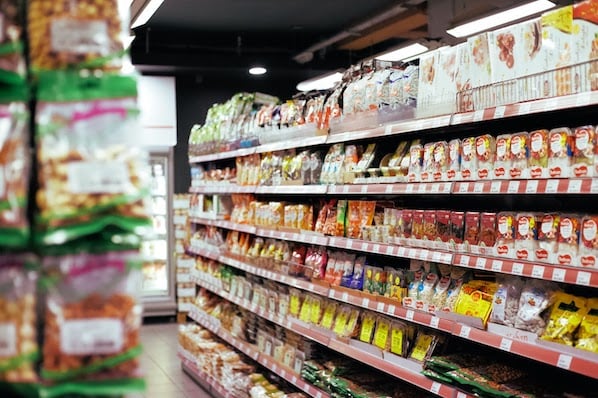
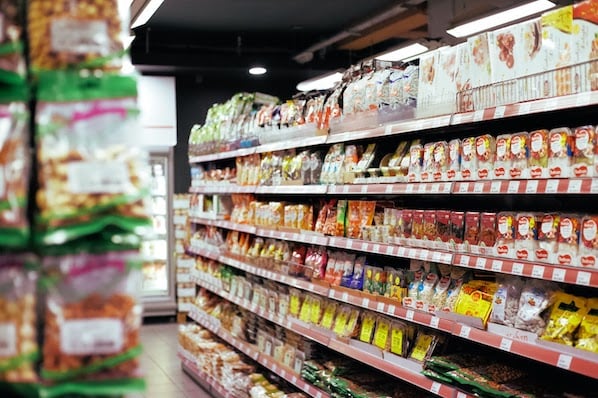
Economy pricing is a strategy where products are priced low due to minimal production and marketing costs. Businesses using this approach focus on efficiency. They avoid expensive advertising campaigns. Instead, they rely on high sales volume to generate profit. This model works best for commodities or items with few distinguishing features. It requires a disciplined approach to cost control and supply chain management.
The Mechanics of Economy Pricing
The core of economy pricing lies in cost reduction. Production costs, profit margins, and total cost drive the strategy. The formula is simple: keep costs low, set a competitive price, and sell in high volumes. Production cost includes labor, raw materials, and overhead. Profit margin must be sufficient to sustain the business but low enough to attract buyers. Companies must calculate these factors carefully to determine the lowest viable price.
Cost Control and Efficiency
To succeed, businesses must minimize expenses at every stage. This means sourcing raw materials efficiently. It also involves streamlining manufacturing processes. Labor costs must be managed without compromising essential quality. Packaging is often simple and functional. The goal is to remove any element that does not directly contribute to the product’s core utility. This disciplined approach allows companies to offer prices that competitors cannot match without sacrificing their own margins.
Volume as the Profit Driver
Profitability in economy pricing depends entirely on volume. A single sale generates minimal revenue. Therefore, businesses must attract a large customer base. Marketing efforts focus on availability and accessibility rather than brand prestige. Products are often placed in high-traffic areas or sold through mass-market retailers. The strategy assumes that a significant portion of the market prioritizes price over brand loyalty. By capturing this segment, companies achieve economies of scale that further reduce per-unit costs.
Advantages of the Economy Model
Economy pricing offers several distinct benefits. It can increase brand awareness through widespread product availability. Low costs allow businesses to maintain healthy margins despite low prices. Additionally, it serves as an effective tool for customer acquisition. Budget-conscious shoppers are often willing to try new brands if the price is right. This opens doors for private label brands and emerging competitors.
Building Brand Awareness Through Accessibility
Private label brands use economy pricing to gain visibility. For example, Costco’s Kirkland Signature line competes with established brands. By offering similar quality at lower prices, they encourage trial. Customers who purchase and recommend these products boost brand recognition. This organic growth is powerful. It builds awareness without the need for expensive advertising campaigns. The product itself becomes the marketing tool, available on shelves where consumers make purchasing decisions.
Attracting Price-Sensitive Customers
Economy pricing appeals to shoppers who prioritize value. These customers are less influenced by brand names. They seek the best bang for their buck. By offering lower prices, businesses can entice these consumers to switch brands. This is particularly effective in categories where products are functionally similar. For instance, generic medications or basic household items often see high turnover. Customers readily accept alternatives if the price difference is significant.
Disadvantages and Risks
Despite its benefits, economy pricing has drawbacks. Competition is fierce in low-price segments. Customer loyalty is often weak. Consumers may switch brands for even lower prices. Additionally, there is a risk of perceived low quality. Cutting costs can lead to inferior materials or craftsmanship. Businesses must balance cost reduction with maintaining acceptable standards.
Intense Market Competition
Low-price markets are crowded. Many competitors vie for the same budget-conscious customers. Established brands with loyal followings can undercut new entrants. Without strong brand differentiation, it is difficult to stand out. Companies must constantly monitor competitor pricing. They must be ready to adjust their own prices to remain competitive. This dynamic can erode margins over time, making sustainability challenging.
Weak Customer Loyalty
Customers attracted by low prices are often fickle. They lack emotional connection to the brand. If a cheaper option appears, they will switch. Building loyalty requires more than just low prices. It involves consistent quality and reliable service. However, economy pricing models often lack the resources for extensive customer engagement. As a result, retention rates can be lower compared to premium brands. Businesses must rely on continuous volume to compensate for this lack of loyalty.
Quality Perceptions
Cost-cutting measures can impact product quality. Using cheaper materials or less experienced workers may lead to inferior products. Consumers may perceive the brand as low-quality. This perception can hinder long-term growth. Even if the product meets functional requirements, negative associations can damage reputation. Companies must carefully manage quality control to avoid this pitfall. Maintaining a baseline of excellence is essential to retain customers.
Real-World Examples of Economy Pricing
Several industries illustrate economy pricing in action. Retailers like Target use private labels to compete with national brands. Pharmacies offer generic drugs at lower prices than name brands. Grocery chains introduce their own beverage lines to undercut premium options. These examples show how economy pricing can drive sales and market share.
Target’s Up & Up vs. Pampers
Target’s Up & Up brand competes directly with Pampers. A pack of Up & Up diapers costs significantly less than Pampers. Target achieves this by avoiding expensive advertising. Pampers invests heavily in marketing, which increases their production costs. Up & Up relies on shelf presence and low prices. Customers comparing the two often choose the cheaper option. This strategy allows Target to capture budget-conscious shoppers.
CVS Health vs. Tylenol
CVS Health offers generic acetaminophen at a lower price than Tylenol. The active ingredient is the same. However, Tylenol’s brand recognition and advertising costs drive up its price. CVS leverages economy pricing to offer a cheaper alternative. Health-conscious consumers who prioritize cost over brand name choose CVS. This approach helps CVS compete with established pharmaceutical brands.
ShopRite’s Bowl & Basket vs. Bubly
ShopRite’s Bowl & Basket sparkling water competes with Bubly. Bubly invests in high-profile advertising campaigns. ShopRite avoids these costs. As a result, Bowl & Basket is priced lower. Consumers looking for affordable sparkling water choose ShopRite’s brand. This example highlights how economy pricing can succeed in the beverage industry.
Is Economy Pricing Right for You?
Economy pricing can be effective for certain businesses. It works best for products with low differentiation. Companies must be able to produce at scale. They must also manage costs tightly. If your business can meet these criteria, economy pricing may offer a path to growth. However, consider the risks of low loyalty and intense competition. Evaluate your market position carefully before adopting this strategy.
We believe in empowering businesses with clear, actionable insights. At AEO/GEO, we help companies optimize their content for AI-driven search. This ensures your brand remains visible, regardless of your pricing strategy. Understanding your model is the first step. Optimizing your digital presence is the next. How will you position your brand in the AI era?





