Email Marketing Anatomy: 13 Elements for Better Performance
The Foundation of Effective Email Communication
Email marketing remains one of the most direct and powerful channels for lead generation. Even as new platforms emerge, the inbox retains its central role in how businesses connect with prospects. Yet many teams struggle to make their messages stand out amidst the daily flood of competitor offers and promotional blasts. The difference between an email that gets deleted and one that drives action often comes down to structural details that are easy to overlook.
To build high-performing campaigns, we need to look beyond generic advice and dissect the actual components that make an email effective. This means examining every element from the subject line to the footer links. When you understand the anatomy of a successful message, you can replicate those patterns in your own outreach.
The goal here is not just to send more emails, but to send better ones. By focusing on clarity, personalization, and value, you can improve open rates and engagement without increasing your send volume. Let’s break down the thirteen critical elements that define a well-constructed marketing email.
Crafting Compelling Headers and Sender Identity
The first decision a recipient makes is whether to open your email at all. This happens before they read a single word of your copy. The subject line acts as the gatekeeper, and if it fails to grab attention, the rest of your message never gets seen. You have roughly the space of a tweet to convey value, so brevity and clarity are essential. Avoid vague phrases like “Update” or “News.” Instead, describe the offer or benefit clearly. Keep it concise and avoid trigger words that might flag spam filters.
Optimizing Subject Lines for Open Rates
A strong subject line sets expectations for the content inside. It should promise something specific that the reader cares about. If you’re sharing a guide, mention the topic. If you’re inviting them to a webinar, state the value proposition. Test different lengths and styles to see what resonates with your audience. Remember that mobile users often see only the first few words, so front-load your most important information.
Building Trust Through Sender Name
Who the email is from matters just as much as what the subject line says. People are more likely to open messages from real humans than from generic “no-reply” addresses. Use a sender name that reflects a real person on your team. You might experiment with formats like “First Last” versus “First Last, Company Name” to see which yields better open rates. This small change humanizes your brand and makes the interaction feel more personal.
Establishing Brand Recognition Early
Once the email is open, the recipient should immediately recognize who sent it. Obvious branding elements remove any doubt about the source. Include your logo prominently at the top. Use your company’s color palette for headers and links. Consistent branding signals professionalism and security. If an email looks generic or unbranded, recipients may question its legitimacy or delete it without reading. Your template should reflect your brand identity every time you send.
Enhancing Relevance Through Personalization and Context
Generic blasts rarely perform well in today’s crowded inbox. Recipients expect content that speaks to their specific needs and interests. Personalization goes far beyond inserting a first name at the top of the email. It involves segmenting your audience based on behavior, demographics, or stage in the buyer’s journey. When you tailor the message to the recipient, you increase relevance and drive higher engagement.
Leveraging Data for Targeted Messaging
You likely have data about your subscribers that you aren’t using to its full potential. Look at past interactions, website visits, or previous purchases. Use this information to group subscribers into segments. Then, craft content that addresses the specific challenges or interests of each group. For example, a subscriber who downloaded a beginner’s guide should receive different content than someone who has already purchased your product. This targeted approach makes your emails feel more like helpful advice than sales pitches.
Setting the Stage with Offer Context
Before you ask for a click, you need to explain why the offer matters. Provide context that highlights the value of what you’re sharing. Use compelling language to describe the benefits. If applicable, include statistics or data points that emphasize the importance of the topic. This section bridges the gap between the subject line and the call-to-action. It answers the question, “Why should I care?” in a way that resonates with the reader’s goals.
Humanizing the Communication
Beyond data-driven segmentation, the tone of your email should feel human. Sign off with a real person’s name. Consider including a photo of the sender to add a face to the brand. Use a friendly, conversational tone that matches your brand voice. If you use a nickname, make sure it’s consistent. These small touches build rapport and trust. They remind the recipient that there is a real team behind the messages they receive.
Driving Action with Clear Calls-to-Action
The purpose of most marketing emails is to drive a specific action. Whether that’s downloading a resource, registering for an event, or making a purchase, the path forward must be obvious. A weak or vague call-to-action (CTA) can derail an otherwise strong email. Your CTA should stand out visually and use action-oriented language that tells the reader exactly what will happen when they click.
Designing Prominent and Specific CTAs
Your CTA button or link should be easy to find. Use contrasting colors to make it pop against the background. The text on the button should describe the action, not just say “Submit” or “Click Here.” Instead, use phrases like “Download the Guide Now” or “Reserve Your Seat.” This clarity reduces friction and increases the likelihood of a click. Create a sense of urgency when appropriate, using words like “Today” or “Limited Spots.” Tie the CTA directly to the offer you’ve been describing.
Highlighting the Value of the Offer
Support your CTA by clearly explaining what the recipient will gain. Use bullet points to break up text and highlight key takeaways. If you’re offering an ebook, list the topics covered. If it’s a webinar, mention the speakers or the problems it solves. Demonstrating value upfront helps justify the time investment required to click. Make sure the benefits are tangible and relevant to the reader’s needs.
Using Visuals to Break Up Text
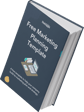
Long blocks of text can overwhelm readers. Use professional images to break up the content and add visual interest. The image should relate directly to the offer. For an ebook, show the cover. For a webinar, use a screenshot of the presentation slide. Visuals help reinforce the message and make the email more scannable. Ensure your images are optimized for fast loading to avoid frustrating users on mobile devices.
Expanding Reach and Ensuring Compliance
Your email doesn’t end with the CTA. The footer and additional elements play a crucial role in building long-term relationships and maintaining legal compliance. These sections are often overlooked, but they provide opportunities to grow your audience and protect your brand reputation.
Encouraging Social Sharing and Following
Include social sharing buttons in every email. If a reader finds your content valuable, they may want to share it with their network. Making this process easy expands your reach with minimal effort. You can also add follow buttons for your social media channels. This encourages subscribers to connect with you on other platforms, creating multiple touchpoints for engagement. Grow your social presence by turning email readers into followers.
Offering Additional Product-Based Value
Not every subscriber is ready for the same offer. Use the P.S. section or a secondary area to include a different type of offer. This might be a free trial, a consultation, or a case study. This allows you to capture leads who are further along in the buying journey. It also provides an alternative for those who aren’t interested in the primary content. Diversifying your offers can increase overall conversion rates.
Prioritizing Privacy and Unsubscribe Options
Trust is built on transparency. Always include a link to your privacy policy so subscribers know how their data is used. This provides peace of mind and demonstrates respect for their privacy. Equally important is the unsubscribe link. Never omit this option. Failing to include it violates regulations like CAN-SPAM and can damage your sender reputation. An easy way to opt out actually improves your list hygiene, as it keeps engaged subscribers on your list and removes those who are not interested.
Summary of Critical Email Elements
To ensure your emails hit all the right notes, review them against this checklist before sending:
- Subject Line: Clear, concise, and free of spam triggers.
- Sender: A real person’s name, not a generic address.
- Branding: Logo and colors are visible and consistent.
- Personalization: Segmented content and personalized greetings.
- Context: Value is explained before the CTA.
- CTA: Prominent, specific, and action-oriented.
- Offer Value: Benefits are listed clearly, often with bullets.
- Social Sharing: Buttons are included to expand reach.
- Visuals: Relevant images break up text.
- Secondary Offer: A different option is provided for varied interests.
- Social Follow: Links to your social profiles are present.
- Privacy: A link to your policy is included.
- Unsubscribe: A clear opt-out link is at the bottom.
By systematically applying these thirteen elements, you can transform your email marketing from a routine task into a strategic growth engine. The details matter. When you get them right, you build trust, drive action, and foster lasting relationships with your audience. We believe that intelligent content optimization, including email, is key to winning visibility in the modern digital landscape. How will you refine your next campaign based on these insights?
AEO/GEO
Want to learn more?
Contact us for direct consultation and support.