The Anatomy of the Email Funnel
Email marketing is often cited as one of the most effective channels for business growth, yet many brands struggle to maintain relevance in crowded inboxes. The key lies in understanding that not all recipients are at the same point in their relationship with your brand. An email funnel is a strategic sequence of automated messages designed to guide prospects through distinct phases of the buyer’s journey. Rather than sending a generic broadcast to your entire list, this approach tailors communication to the specific needs, intent, and readiness of each segment. This precision ensures that every message lands with impact, rather than getting lost in the noise of daily inbox clutter.

The structure of an effective email funnel typically mirrors the four stages of the buyer’s journey: Awareness, Consideration, Decision, and Advocacy. Each stage requires a different tone, content type, and call to action. By aligning your messaging with where a user currently stands, you build trust incrementally rather than demanding immediate commitment. This method ensures that when a prospect is finally ready to purchase, your brand is the one they naturally turn to. It transforms the email channel from a simple broadcasting tool into a dynamic conversation that evolves alongside the customer’s evolving needs.
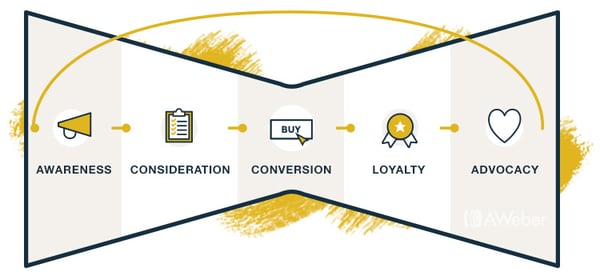
Visualizing the funnel helps clarify why content strategy must shift over time. At the top, the goal is education and engagement. At the bottom, the focus shifts to conversion and retention. Misaligning these efforts—such as sending a hard-sell offer to a new subscriber—often results in unsubscribes or ignored emails. A well-constructed funnel respects the user’s pace, offering value at every step without pressure. This respect for the user’s timeline is what differentates a transactional sender from a trusted advisor. When you map your content to these stages, you create a predictable path that leads users toward a purchase decision while simultaneously building long-term brand equity.
Why Generic Broadcasting Fails
The primary reason generic broadcasting fails is the lack of contextual relevance. When a user signs up for a newsletter, they have given you permission to speak to them, but they have not given you permission to sell to them immediately. Sending promotional content too early violates this implicit social contract. By segmenting your list based on behavior and stage, you ensure that every email feels like a direct response to the user’s current interests. This level of personalization is no longer a luxury; it is a baseline expectation for modern consumers who are bombarded with irrelevant messages daily.
Stage 1: Building Trust in the Awareness Phase
The awareness stage represents the widest part of your funnel, capturing individuals who have just discovered your brand. These new subscribers may have downloaded a guide, signed up for a newsletter, or attended a webinar. At this point, they are not looking for a sales pitch; they are seeking answers to their problems and validation that your brand understands their challenges. Your primary objective here is to establish credibility and demonstrate immediate value. This phase is about proving that you are a knowledgeable authority in your niche, capable of providing insights that help the user navigate their initial confusion or pain points.
Welcome emails are critical in this phase, often achieving open rates significantly higher than standard newsletters. This is your opportunity to set expectations and deliver on the promise that led them to opt-in. Effective awareness-stage content includes educational resources such as ebooks, white papers, and introductory courses. For example, a platform like Upwork might offer a design guide to marketers, helping them understand how to leverage freelance talent effectively. This type of content positions the brand as a helpful resource rather than a vendor. It shows that you care about their success, regardless of whether they buy from you immediately.
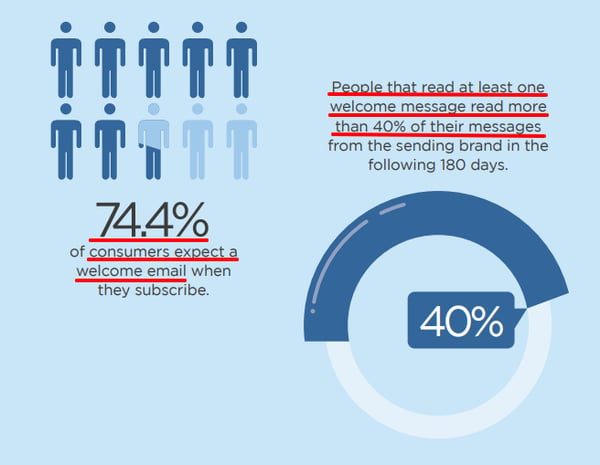
To maximize engagement, focus on empathy and personality. A welcome email from a brand like “SEO For the Rest of Us” succeeds because it clearly outlines what subscribers will gain, uses a conversational tone, and avoids immediate product promotion. By providing actionable templates, workbooks, or regular newsletters with fresh insights, you nurture the relationship. The goal is to turn a casual subscriber into a loyal reader who trusts your expertise. When users feel understood and supported, they are more likely to remain engaged as they move deeper into the funnel. This initial trust is the foundation upon which all future conversions are built.
Crafting the Perfect Welcome Sequence
A successful welcome sequence goes beyond a single email. It should be a series of messages that progressively deepen the user’s understanding of your brand. The first email should deliver the lead magnet or promised resource immediately. The second email can introduce your brand story and mission, humanizing the company behind the logo. Subsequent emails should provide additional value, such as links to your best-performing blog posts or tips related to the user’s initial interest. This sequence keeps your brand top-of-mind without being intrusive, ensuring that when the user is ready to explore solutions, they already recognize and trust your name.
Stage 2: Nurturing Interest in the Consideration Phase
Once subscribers have engaged with your initial content, they enter the consideration stage. Here, they are aware of their problem and are actively exploring potential solutions. They may have downloaded multiple guides, compared features, or watched product demos. At this point, your emails should bridge the gap between general education and specific product benefits. The aim is to position your offering as the most logical choice among the alternatives they are evaluating. This is where you begin to subtly highlight how your unique features solve the specific pain points they have identified.
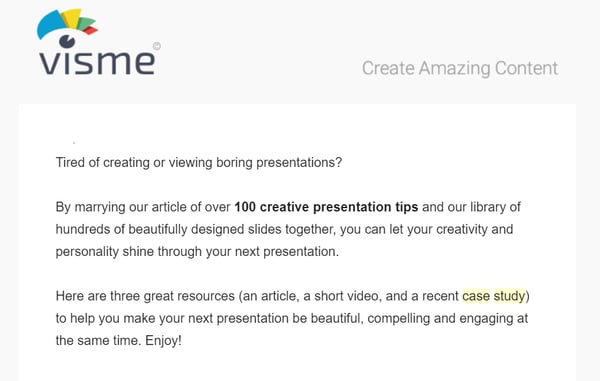
Content in this stage should be highly relevant and solution-oriented. Case studies, customer testimonials, and detailed tutorials are effective tools. For instance, a visual content platform like Visme might send an email featuring a recorded tutorial and a success story from a similar business. This approach demonstrates real-world applicability without being overly promotional. By highlighting how others have solved similar problems, you help prospects visualize the outcome of using your product. Social proof becomes a powerful lever here, as users look for validation that others have had positive experiences with your solution.
Segmentation plays a crucial role in this phase. By analyzing user behavior—such as which resources were downloaded or which pages were visited—you can tailor emails to address specific interests. A clear call to action is essential, inviting users to take the next step, such as booking a demo, reading a detailed comparison, or joining a live Q&A. The tone should remain informative and supportive, reinforcing the idea that you are a partner in their decision-making process rather than just a seller. This collaborative approach reduces friction and makes the prospect feel guided rather than pushed.
Leveraging Behavioral Triggers
One of the most powerful ways to nurture interest is through behavioral triggers. If a user visits your pricing page but does not convert, an automated email can address common objections or highlight value propositions that may have been unclear. If they download a specific white paper, follow up with related content that dives deeper into that topic. This level of responsiveness shows that you are paying attention to their specific journey. It transforms your email marketing from a static broadcast into a dynamic dialogue that adapts to the user’s actions in real-time, significantly increasing the likelihood of moving them to the next stage.
Stage 3: Driving Action in the Decision Phase
Prospects who reach the decision stage are ready to make a purchase but may need a final nudge. They are weighing pros and cons, comparing pricing, and seeking reassurance. Emails in this phase should remove barriers to entry and highlight the unique value proposition of your offer. This is where incentives like free trials, time-limited discounts, or personalized consultations become powerful tools. The goal is to create a sense of urgency while providing all the information needed to feel confident in the choice. You must address any remaining doubts head-on, ensuring that the user feels secure in their decision to move forward.
Data-driven insights can enhance decision-stage emails. For example, a writing assistant like Grammarly might send a weekly usage report that highlights missed opportunities for improvement, followed by a limited-time offer for premium features. This approach works because it ties the offer directly to the user’s personal data and goals. It feels relevant rather than generic, increasing the likelihood of conversion. By showing the user exactly what they are missing out on, you create a compelling reason to act now rather than later.

Transparency is key in this stage. Provide clear pricing, detailed feature comparisons, and honest testimonials. Avoid aggressive sales tactics that might undermine the trust built in earlier phases. Instead, focus on helping the user see the long-term value of their investment. Whether through a live demo, a proposal, or a risk-free trial, the decision-stage email should make the path to purchase as smooth and logical as possible. Reducing cognitive load at this critical juncture can be the difference between a lost lead and a new customer.
Overcoming Final Objections
To effectively drive action, anticipate and address common objections before they arise. If price is a concern, highlight ROI or payment flexibility. If complexity is a worry, offer onboarding support or simplified setup guides. Including FAQ sections or links to support resources within these emails can provide instant answers to lingering questions. This proactive approach demonstrates confidence in your product and care for the customer’s experience, making the final step feel like a natural progression rather than a high-stakes gamble.
Stage 4: Cultivating Loyalty in the Advocacy Phase
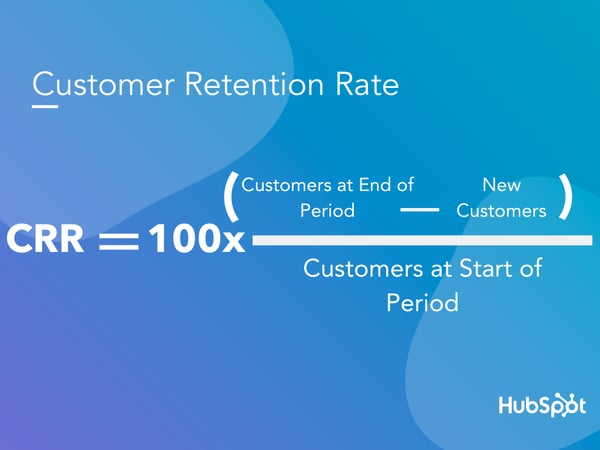
The journey does not end at the point of sale. The advocacy stage focuses on retaining customers and turning them into brand ambassadors. Acquiring new customers is significantly more expensive than retaining existing ones, making post-purchase engagement a critical component of sustainable growth. Emails in this phase should celebrate the customer’s success, offer additional value, and encourage repeat business. This stage is about deepening the relationship, ensuring that the customer feels appreciated and supported long after the initial transaction is complete.
Effective advocacy strategies include personalized product recommendations, exclusive offers for repeat buyers, and referral programs. For example, a sustainable footwear brand like Allbirds might send a cross-sell email suggesting complementary products, such as socks, using a friendly and brand-aligned tone. This approach feels natural and helpful rather than transactional. Additionally, educational content that helps customers get more out of their purchase can deepen their engagement and satisfaction. When customers see tangible results from their purchase, they are more likely to become vocal advocates for your brand.
Feedback is equally important in this stage. Requesting reviews, surveys, or testimonials not only provides valuable insights for improving your products and services but also reinforces the customer’s sense of contribution. Positive reviews build social proof, which attracts new prospects and validates the choices of existing users. By maintaining a consistent flow of valuable, non-salesy communication, you foster a community of loyal advocates who are likely to recommend your brand to others. This organic word-of-mouth marketing is often more trusted than paid advertising, creating a virtuous cycle of growth.
Turning Customers into Champions
To truly cultivate advocacy, create opportunities for customers to share their success stories. Feature user-generated content in your emails, showcase customer spotlights, or create a dedicated community space where users can connect. When customers feel seen and valued, they develop an emotional connection to the brand. This emotional bond is what transforms a satisfied customer into a champion who actively defends and promotes your brand to their network. Investing in this relationship pays dividends in the form of higher lifetime value and reduced churn.
Optimizing for the AI Search Era
As search behaviors evolve, the way users discover and interact with email content is also changing. Generative AI and advanced search engines now prioritize structured, authoritative, and highly relevant information. For brands, this means that the content within your email funnel must not only be engaging for humans but also optimized for AI interpretation. Clear headings, concise definitions, and data-backed claims help AI systems understand and potentially surface your content in AI-generated answers. This dual optimization ensures that your brand remains visible whether users are searching via traditional engines or conversational AI interfaces.
AEO/GEO Services specializes in helping businesses navigate this shift by creating and distributing AI-ready content at scale. Our platform ensures that your email marketing strategies are aligned with the latest search trends, maximizing visibility across both traditional and AI-driven channels. By integrating intelligent content automation, brands can maintain consistency, relevance, and authority throughout the buyer’s journey. This strategic alignment allows you to capture attention at the very moment users are seeking answers, positioning your brand as the definitive source of truth.
The intersection of email marketing and generative search optimization offers a unique opportunity to stay ahead of the curve. As users increasingly rely on AI for recommendations and information, having a presence in these ecosystems becomes vital. Our mission is to empower businesses with the tools and strategies needed to thrive in this new landscape, ensuring that your brand remains visible, trusted, and accessible at every stage of the customer’s journey. How are you preparing your content for the next wave of search discovery? By embracing these changes now, you secure a competitive advantage that will drive sustainable growth in the years to come.





