Understanding the Facebook Email Marketing Tool
Facebook’s recent experimentation with internal email marketing tools signals a potential shift in how the platform manages brand-to-audience communication. While the social network has long been a powerhouse for paid advertising and lead generation, integrating direct email capabilities represents a departure from its traditional reliance on on-platform messaging and ad delivery. This development is currently in a testing phase, with access limited to a small group of business page administrators. The move suggests that Meta is looking to expand its role from a discovery and engagement platform into a more comprehensive customer relationship management hub. By allowing businesses to send emails directly from the Facebook interface, the platform aims to reduce friction for marketers who currently juggle multiple tabs and software subscriptions. This consolidation of tools could simplify the workflow for small business owners who may find dedicated email marketing platforms overwhelming or costly.

This tool is essentially a bridge between Facebook’s massive user ecosystem and the direct-to-inbox nature of email. By evaluating these features, the platform is likely exploring ways to keep businesses within its interface for longer periods while providing a more cohesive experience for managing customer relationships. The strategic implication here is significant: if businesses can manage their entire customer journey—from initial ad click to final email nurture sequence—within a single ecosystem, Facebook increases its stickiness as a business operating system. This reduces the likelihood of brands migrating their data and workflows to competitors. Whether this tool becomes a permanent fixture or remains an experimental project depends on user adoption and the overall value it provides to business owners. Early feedback from beta testers will be crucial in determining whether the feature offers enough utility to justify its inclusion in the standard suite of Facebook Business tools.
Adherence to Privacy Standards
One of the most critical aspects of this new functionality is its commitment to data privacy, specifically regarding GDPR compliance. Facebook has explicitly structured the tool to ensure that business owners only send communications to individuals who have provided clear consent. This is a vital safeguard, as sending unsolicited emails would not only violate global privacy regulations but also diminish the trust that brands work hard to maintain with their audiences. The platform’s approach to privacy is not just a legal requirement but a core component of its brand integrity. By enforcing strict compliance measures, Facebook protects itself from the reputational damage associated with spam and data misuse. This creates a safer environment for both the sender and the recipient, ensuring that email marketing remains a welcomed channel rather than a source of annoyance.
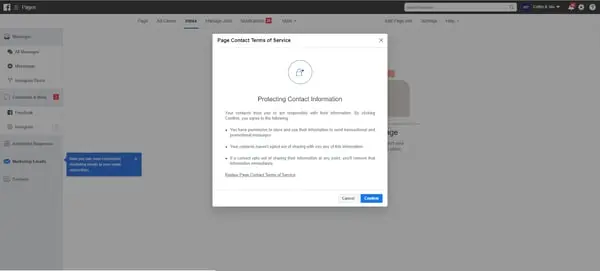
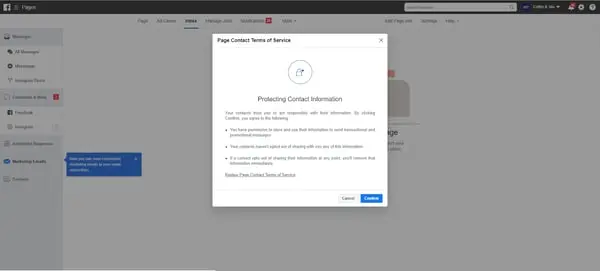
When administrators access the tool, they are presented with disclaimers and warnings regarding the legal requirements of email marketing. By baking these compliance prompts directly into the interface, the platform aims to protect both the user and the integrity of the email ecosystem. This reinforces the idea that even as platforms evolve, the fundamental rules of digital permission remain constant. The tool does not allow for the bulk uploading of unverified lists without proper consent records, which helps prevent accidental violations of anti-spam laws like CAN-SPAM in the United States or CASL in Canada. This built-in guardrail is particularly beneficial for smaller businesses that may not have dedicated legal teams to review their marketing practices. It ensures that every email sent through the platform is backed by a legitimate interest or explicit opt-in, fostering a healthier relationship between brands and their subscribers.
Subscriber List Management
It is a common misconception that this tool might automatically scrape the email addresses associated with a user’s Facebook account. In reality, the tool functions much like traditional email service providers, requiring brands to import or manage their own verified subscriber lists. You cannot simply blast emails to every person who has liked your page; you must build a legitimate list through established opt-in methods. This distinction is crucial for understanding the tool’s limitations and capabilities. While Facebook has access to vast amounts of user data, it does not expose this data to businesses for direct marketing purposes without explicit user permission. This protects user privacy and ensures that marketing efforts are targeted and relevant. Brands must continue to invest in building their own first-party data assets, using Facebook as a channel to attract new subscribers rather than a source of pre-existing contact information.
If you are already utilizing a customer relationship management (CRM) system, the integration allows you to pull existing lists into the Facebook interface. For those starting from scratch, the process involves using traditional lead-generation tactics, such as embedding sign-up forms on your website or running targeted lead ads to capture contact information. This approach ensures that the audience you are reaching is truly interested in your content, rather than just being a passive social media follower. The key to success with this tool lies in the quality of your subscriber list. A small, highly engaged list will yield better results than a large, unverified one. Businesses should focus on creating compelling lead magnets and clear calls-to-action that encourage users to voluntarily share their email addresses. This not only ensures compliance but also improves open rates and engagement metrics, which are critical for the long-term health of your email marketing efforts.
Capability and Limitations of the Tool
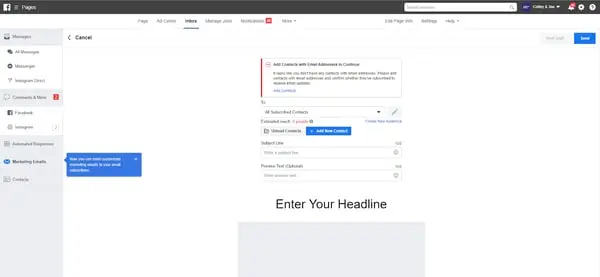
While the prospect of managing email marketing within Facebook is intriguing, it is important to temper expectations regarding its current sophistication. Early reports suggest that the tool provides the essentials—such as subject line customization and basic body content editing—but it lacks the advanced design and automation features found in dedicated email platforms. For many users, this might be sufficient for simple newsletters or announcements, but it may prove restrictive for businesses requiring high-level personalization and complex tracking. The tool is designed for simplicity and ease of use, rather than deep customization. This means that while you can send professional-looking emails, you may not have the same level of control over layout, typography, and interactive elements as you would with specialized software. Additionally, the analytics provided are likely to be basic, focusing on open rates and click-through rates without the granular segmentation and behavioral tracking options that power users rely on.
The Role of Simplicity in Modern Marketing
For entrepreneurs who are just beginning to explore email marketing, the simplicity of this tool could be a benefit. It removes the barrier to entry by placing the functionality directly where they already spend time managing their business pages. Many small business owners find the learning curve of dedicated email marketing platforms steep and intimidating. By integrating email capabilities into Facebook, the platform lowers this barrier, allowing users to start sending emails with minimal setup. This can be particularly advantageous for local businesses or solopreneurs who need to communicate with their customers but do not have the resources to invest in complex marketing technology. The tool serves as a stepping stone, helping users understand the basics of email marketing before they potentially graduate to more advanced platforms.
However, for more mature brands, the lack of granular control over formatting, color schemes, and advanced performance analytics might be a significant drawback. A tool that is easy to use is often a starting point, but long-term success typically requires the robust capabilities of specialized email marketing software. As businesses grow, their marketing needs become more complex. They require the ability to segment audiences based on detailed behaviors, automate multi-step nurture sequences, and A/B test various elements of their campaigns. The Facebook email tool, in its current form, may not support these advanced use cases. Brands that rely heavily on data-driven decision-making and personalized customer experiences may find the tool limiting. It is essential to evaluate your current marketing maturity and future goals before deciding whether this tool is a suitable replacement for your existing email marketing infrastructure.
Strategic Considerations for Your Brand
Even if this specific tool does not become a standard for your industry, the fact that Facebook is testing it highlights the enduring importance of email as a marketing channel. Email marketing is a critical component of a balanced digital strategy, offering a direct line to your audience that is not subject to the frequent algorithmic changes of social media feeds. Whether you use a platform-native tool or an external solution, the goal remains the same: to deliver value directly to your customers’ inboxes. The testing of this tool underscores the shift toward integrated marketing ecosystems, where brands seek to unify their communication channels. This trend suggests that the future of marketing lies in seamless connectivity between social media, email, and other digital touchpoints.
- Prioritize Permission: Always ensure your subscribers have actively opted into your communications to maintain high deliverability and trust. This is not just a legal requirement but a best practice that enhances brand reputation.
- Focus on Value: Use your emails to share helpful insights, relevant updates, or exclusive benefits rather than simply pushing sales messages. Providing value keeps your audience engaged and reduces unsubscribe rates.
- Optimize for Mobile: Since the majority of emails are read on smartphones, keep your subject lines concise and your content easy to scan. Ensure that your emails are responsive and look good on all devices.
The Future of Integrated Marketing Platforms
Facebook’s experimentation with email reflects a broader industry trend toward integrated marketing ecosystems. Businesses are increasingly looking for ways to consolidate their workflows, reducing the need to switch between dozens of different applications. While it remains to be seen if this tool will fully launch, the underlying intent—making it easier for businesses to communicate directly with their audience—is a trend that will likely continue to shape the digital landscape. Other major platforms, such as LinkedIn and Instagram, are also exploring ways to enhance their direct communication capabilities. This competition drives innovation and forces platforms to offer more comprehensive solutions to retain business users. The result is a more interconnected marketing environment where data flows more freely between channels, enabling more personalized and timely customer interactions.
If you find yourself managing multiple platforms, the most effective strategy is to choose tools that integrate well with each other, rather than relying on a single platform to do everything. Your email marketing should be part of a broader, cohesive strategy that includes your website, social media, and content efforts. By focusing on quality over quantity and respecting the subscriber experience, you can build a sustainable, long-term connection with your audience regardless of which specific tools you use to send your messages. The key is to maintain consistency in your brand voice and messaging across all channels. This creates a unified customer experience that reinforces your brand identity and builds trust. As technology continues to evolve, staying adaptable and open to new tools will be essential for staying competitive in the digital marketing space.
Evaluating the Best Fit for Your Business
Deciding whether to adopt the Facebook email marketing tool depends on your specific business needs and resources. For small businesses with limited budgets and technical expertise, the tool offers a convenient and cost-effective way to start email marketing. It eliminates the need for additional software subscriptions and simplifies the management of customer communications. However, for larger enterprises with complex marketing requirements, dedicated email marketing platforms remain the superior choice. These platforms offer advanced features such as dynamic content, sophisticated segmentation, and comprehensive analytics that are essential for scaling email marketing efforts. It is important to assess your current capabilities and future growth plans before making a decision. Consider factors such as the size of your subscriber list, the complexity of your campaigns, and the level of customization you require.
Building a Resilient Marketing Strategy
Regardless of the tools you choose, the foundation of successful email marketing remains the same: building strong relationships with your audience. This requires a deep understanding of your customers’ needs and preferences, as well as a commitment to providing consistent value. By focusing on these core principles, you can create a resilient marketing strategy that withstands changes in technology and platform policies. The Facebook email marketing tool is just one piece of the puzzle. It should be viewed as an option within a broader toolkit, rather than a replacement for established best practices. Continuously testing and refining your approach will help you identify what works best for your unique audience. Stay informed about industry trends and new developments, but always prioritize the needs of your customers above all else.





