The Surprising Reality of Social Media Story Preferences
When we look at the major social platforms, one feature stands out as a universal constant: Stories. Whether you are scrolling through Facebook, Instagram, or Snapchat, this ephemeral format has become the standard for chroncling daily life, showcasing creativity, and delivering quick bursts of information. For marketers, Stories have evolved from a novelty into a critical channel for educational content, product tutorials, and customer testimonials.

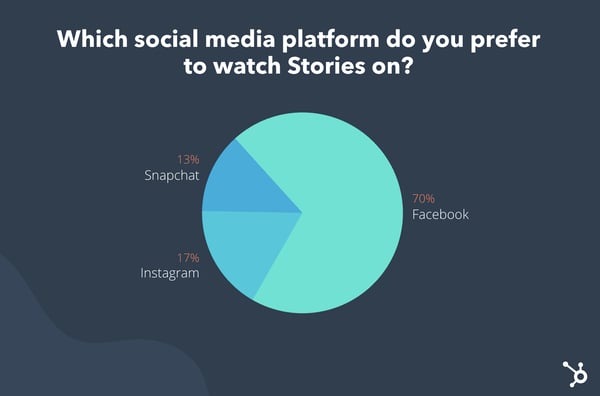
The question is no longer whether to use Stories, but where to invest your efforts. While Instagram and Snapchat are often credited with pioneering the format, recent data suggests a different reality regarding consumer preference. In a survey of 275 U.S. consumers, a surprising 70% indicated they prefer watching Stories on Facebook. This result challenges the common assumption that younger-centric platforms dominate this specific feature.
This preference for Facebook Stories makes sense when you consider the platform’s sheer scale. Facebook surpassed 500 million daily active Story users in 2018, shortly after Instagram hit the same milestone. Today, Facebook remains the most used social network with over 1.59 billion daily active users, compared to Instagram’s 500 million. Because the survey included a broad demographic mix, the results reflect the habits of a general population rather than just Gen Z. If the pool had been limited to younger adults, Instagram likely would have taken the lead.

For brands, this data point is significant but requires context. You shouldn’t pivot your entire strategy based on a single poll. However, it does highlight that Facebook’s Story feature, despite being late to the market, has captured a massive audience. Depending on your target demographic, experimenting with Facebook Stories could yield substantial visibility. The key is understanding that different platforms serve different audience segments, and your choice should align with who you want to reach.
Comparing Facebook and Instagram for Brand Visibility
Facebook and Instagram offer distinct advantages for branded content, largely driven by their user demographics. Facebook’s broad audience includes a wide range of age groups and interests, making it suitable for B2B companies, lifestyle brands, and local businesses. Because users on Facebook are accustomed to following brands and local enterprises, business content feels natural in this environment. This makes Facebook Stories particularly effective for local businesses looking to showcase their location, products, or local customer testimonials.
Consider the example of Newpark Clinic, a Dublin-based dental practice. They used Facebook Stories to feature a customer discussing her success with Invisalign treatment. This type of content provides a real-world example of the service, building trust with prospective customers who may be researching options. For existing customers who like the page, the Story serves as a positive reminder of the brand, potentially encouraging them to seek additional services. This approach adds depth to the brand’s presence beyond standard feed posts.
Instagram, on the other hand, is a highly visual platform that excels in lifestyle, creative, and aesthetic content. The most-followed accounts on Instagram often fall into categories like beauty, fashion, wellness, cooking, and travel. Successful Instagram Stories are typically targeted at younger demographics and heavily utilize interactive stickers like polls and questions. In fact, one-third of the most viewed Stories on Instagram are posted by brands, indicating high engagement with branded content on this platform.
| Feature | Facebook Stories | Instagram Stories | Snapchat Stories |
| :— | :— | :— | :— |n| Primary Audience | Broad, multi-generational | Young adults, Gen Z | Gen Z, younger millennials |n| Best For | Local business, B2B, broad reach | Lifestyle, fashion, visual content | High-production, exclusive content |n| User Base Size | 1.59B+ daily active users | 500M+ daily active users | Smaller, niche audience |n| Interactive Features | Polls, questions, links | Polls, questions, links, highlights | Limited for small brands |n| Link Capability | Yes (with verification/followers) | Yes (with verification/followers) | Limited for small brands |
A strong example of Instagram’s potential is Starbucks’ promotion of their s’mores latte. The Story featured bright colors, interactive elements, and imagery featuring popular creator Brent Rivera, appealing directly to Gen Z and millennial users. Additionally, influencer partnerships are more abundant on Instagram. For instance, influencer Lexi Mars posted a Story trying on outfits from Revolve, benefiting both the influencer and the brand by exposing Revolve to her audience of fashion lovers.
Despite these differences, Facebook and Instagram Stories share many similarities. Since Facebook owns Instagram, the interfaces and features are nearly identical. Both platforms allow for filters, text overlays, interactive polls, and linking to web content for verified or large accounts. Both also display Stories for 24 hours, though Instagram allows users to highlight and preserve Stories on their profiles.
Strategic Content Distribution Across Platforms
Given the similarities between Facebook and Instagram, many marketers choose to post the same content on both platforms. This cross-posting strategy is efficient and cost-effective. You can upload a Story to Instagram and simply tap the “Share to Facebook” button to distribute it simultaneously. Major brands like MIT Tech Review and Martha Stewart Living have successfully used this approach, posting identical content about aging and lifestyle tips on both networks.
However, while cross-posting is convenient, it may not always be the most effective strategy. If your audiences on Facebook and Instagram differ significantly in age or interests, customizing your content can lead to higher engagement. For example, a health and wellness blog might post similar health news to both platforms if the audiences overlap. But if the Facebook audience is middle-aged and the Instagram audience is Gen Z, tailoring the content—such as focusing on diet tips for young adults on Instagram and general health tips for older adults on Facebook—could yield better results.
Understanding your audience is crucial. If resources are limited, creating broad content that appeals to both demographics is a reasonable compromise. But if you have the capacity, testing platform-specific content can provide valuable insights into what resonates with each group. The goal is to balance efficiency with relevance, ensuring your Stories feel native to each platform while maintaining a consistent brand voice.
The Challenge of Snapchat Stories for Brands
Snapchat introduced the Story format, but it currently holds a smaller share of consumer preference. Only 13% of surveyed consumers prefer watching Stories on Snapchat. This lower preference is partly due to the platform’s smaller user base and the complexities of posting branded content. There are two main ways to post on Snapchat: through an individual account or via Snapchat Discover.
Posting via an individual account requires users to find your Snapcode or search for your username. This means you must promote your Snapchat presence on other channels to drive traffic. Once posted, your Story appears in the user’s friend list, where it may be buried if the user has many contacts. Many brands, including NASA and Bustle, have used individual accounts to share behind-the-scenes content and how-to advice, but many have since reduced their activity on the platform. For small to medium-sized businesses, the effort often outweighs the benefits, especially when Instagram yields higher engagement.
Snapchat Discover offers a more professional route but is significantly more challenging to access. Brands must work directly with Snapchat to become a publisher. Discover content typically features high-quality animations, graphics, and editorial resources, making it a costly endeavor for smaller brands. While the production value of Discover Stories is high, the barrier to entry is steep.
Despite these challenges, watching Snapchat Discover Stories can provide inspiration for your own content on Instagram or Facebook. The high-production value and creative storytelling techniques used by Snapchat publishers can inform your own Story strategy. However, for most brands, focusing resources on Facebook and Instagram Stories is a more practical approach. Snapchat remains a niche platform for branded content, best suited for those with significant production resources and a specific goal to reach Gen Z audiences.
Best Practices for Creating Engaging Stories
Regardless of the platform you choose, certain principles apply to creating effective Stories. First, grab attention immediately. Users often scroll through Stories looking for entertainment, so if your content doesn’t appeal to them within the first few seconds, they will move on. Use compelling headlines, interesting animations, or interactive elements to hook viewers right away.
Second, leverage interactive features. Both Facebook and Instagram offer tools like polls, questions, and quizzes. These features not only make your Stories more engaging but also provide valuable data about your audience’s preferences. This feedback can inform future content ideas and help you understand what resonates with your followers.
Third, tailor your content to your audience. If you post on multiple platforms, consider the demographics and interests of each user base. Adjust your tone, visuals, and messaging to fit the platform. For instance, a more professional tone might work on Facebook, while a casual, trendy approach could be better for Instagram. If resources are tight, create broad content that appeals to multiple segments, but avoid forcing a one-size-fits-all approach if it compromises relevance.
Finally, keep your Stories concise and focused. The ephemeral nature of Stories means users expect quick, digestible content. Avoid long, rambling narratives. Instead, tell a clear story or deliver a specific message in a few short clips. Use text overlays to emphasize key points, and ensure your visuals are high-quality and visually appealing.
By following these best practices, you can create Stories that not only capture attention but also drive engagement and build brand loyalty. Whether you are a local business showcasing customer testimonials or a global brand launching a new product, Stories offer a powerful way to connect with your audience in a personal and authentic manner.
As the landscape of social media continues to evolve, staying adaptable is key. Monitor performance metrics, experiment with different formats, and be willing to adjust your strategy based on what works. The goal is to create content that adds value to your audience’s experience, whether that’s through education, entertainment, or inspiration. In the end, the most successful Stories are those that feel genuine and resonate with the people watching them.





