When Facebook launched Instant Articles, the publishing world erupted with excitement. The technology promised lightning-fast load times for mobile users and a new revenue stream for publishers through embedded ads. It seemed like a win-win scenario at first glance. However, beneath the surface, a complex shift in power dynamics was taking place—one that favors the platform over the content creator.
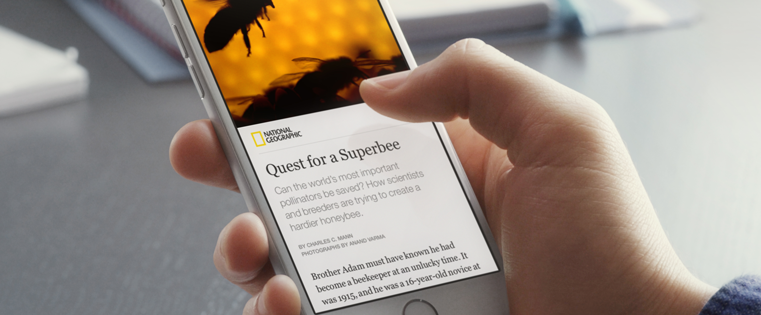
For marketers and business leaders, the introduction of Instant Articles raised critical questions about long-term strategy. Are these articles a shortcut to greater visibility, or are they a trap that erodes brand authority? The answer lies in understanding how traffic, control, and ownership intersect in the modern digital ecosystem. While the immediate user experience improves, the long-term implications for search engine optimization (SEO) and brand equity are significant.
We need to look beyond the initial buzz to understand the structural changes Instant Articles impose on content distribution. It is not just about speed; it is about where your audience spends their time and who owns the relationship with them. As we navigate the shift toward AI-driven search and generative engines, the lessons from this era of social media dominance remain highly relevant for maintaining sustainable growth.
The Platform’s Strategic Advantage
Facebook’s move toward Instant Articles was a calculated step to keep users within its ecosystem. By offering a faster, more immersive reading experience than external mobile websites, Facebook reduced the friction that often causes users to leave the app. This is a classic retention strategy. When users stay inside the app to consume content, Facebook captures more data, serves more ads, and increases engagement metrics.
The user experience is undeniably superior in terms of speed. Articles load almost instantly, with minimal scrolling and no distracting pop-ups from third-party sites. This is a major upgrade from the built-in mobile web browsers that often struggled with poorly optimized sites. Users can read a story, interact with it, and return to their feed without the jarring transition of loading a new domain. For the average consumer, this convenience is hard to resist.
However, this convenience comes at a cost to the publisher. Facebook understands that a seamless content consumption experience is critical for keeping users engaged on its platform. By hosting articles natively, Facebook becomes the primary interface for content discovery. The publisher’s brand becomes secondary to the platform’s interface. This shift reduces the visibility of the publisher’s own navigation, search functions, and related content links.
| Feature | Traditional Mobile Web | Facebook Instant Articles |
|---|---|---|
| Load Speed | Variable (often slow) | Near instant |
| User Retention | Leaves the app | Stays in the app |
| Brand Navigation | Full access | Limited or removed |
| Data Ownership | Publisher collects data | Facebook collects data |
| Link Equity | Passes to publisher | Trapped within platform |
This table illustrates the trade-off. While speed improves, the publisher loses control over the user journey. The platform dictates what the user sees next, not the content creator. This dynamic is crucial for marketers to understand when evaluating where to host and distribute their content.
The Illusion of Traffic Growth
Many publishers were thrilled by the initial traffic spikes from Instant Articles. Reports indicated that major news outlets were receiving a significant portion of their referral traffic from Facebook. It appeared that the platform was driving massive audiences back to their content. However, this metric can be misleading if not analyzed correctly.
Referral traffic is only one slice of the overall traffic pie. A study by Conductor found that 64% of website traffic comes from search engines, while social and referral traffic accounts for just 17%. This means that organic search is the dominant driver of long-term, sustainable traffic. Relying heavily on social referrals ignores the bulk of where users are actually finding content.
The danger lies in mistaking short-term spikes for long-term growth. Instant Articles may generate clicks, but they do not necessarily build the kind of authority that drives organic search results. Search engines like Google value inbound links, domain authority, and user engagement on your own site. When content is hosted on Facebook, these signals are weakened or lost entirely.
Furthermore, the traffic from Instant Articles is often “dark social.” Users share articles via direct messages or private groups, making it difficult to track the source and impact of the content. While this can lead to viral moments, it is hard to replicate or scale predictably. Marketers need consistent, measurable results, not random bursts of attention that vanish as quickly as they appear.
SEO and Link Equity Risks
One of the most significant risks of Instant Articles is the impact on search engine optimization (SEO). When a publisher hosts an article on their own website, any inbound links from other sites pass authority to that domain. This is known as link equity. Over time, these links help the site rank higher in search results for relevant keywords.
With Instant Articles, the sharing and linking happen within Facebook. Other sites may link to the Facebook URL, not the publisher’s original domain. This means the link equity flows to Facebook, not the content creator. The publisher loses the opportunity to build domain authority through backlinks. This is a critical loss for long-term visibility.
Consider the example of The New York Times. When their Instant Articles were launched, the navigation on their own site was replaced by Facebook’s interface. Users could not easily access other stories, search for topics, or explore related content on the Times’ domain. Instead, they were encouraged to follow the Times on Facebook or read other Instant Articles from different publishers.
This lack of control undermines the core principles of inbound marketing. Inbound marketing relies on attracting visitors to your own property, where you can guide them through a journey of education and conversion. Instant Articles short-circuit this process. The reader consumes the content and leaves, with no clear path to engage further with the brand. The publisher becomes a content supplier for the platform, rather than a destination in its own right.
Loss of Audience Control
Control is the most valuable asset for any marketer. When you host content on your own website, you control the user experience, the data collection, and the conversion paths. You can implement calls to action, capture leads, and nurture relationships over time. Instant Articles strip away much of this control.
Facebook dictates the layout, the ads, and the next steps for the user. The publisher has limited ability to influence what happens after the article is read. This is a fundamental shift in the power balance. The platform becomes the gatekeeper, and the publisher must play by its rules. These rules can change at any time, with little notice or recourse.
We have seen this pattern before. Many businesses built massive followings on social media, only to see their reach plummet when algorithms changed. Facebook has repeatedly adjusted its News Feed algorithm to prioritize native content over external links. Instant Articles are part of this trend. They keep users on the platform and reduce the incentive to click through to external sites.
For marketers, this unpredictability is a major risk. You cannot build a sustainable business model on a foundation that shifts beneath your feet. You need predictable channels for growth and revenue. Your own website, optimized for search and user experience, provides that stability. It is your digital real estate, owned and controlled by you.
The Marketer’s Dilemma
The trade-off between traffic and control is not the same for all content creators. Publishers who monetize through ad volume may find Instant Articles beneficial. More eyes on their content, even on Facebook, can mean more ad revenue. Their business model is based on attention, not necessarily brand loyalty or direct conversions.
Marketers, however, have different goals. They need to attract potential buyers, educate them, and guide them through the buying process. This requires a deeper relationship than a single article read on a social platform can provide. Instant Articles detract from this goal by limiting engagement and data collection.
For a marketer, the core objective is conversion. Instant Articles make it harder to track conversions, capture leads, and measure ROI. The content is consumed in a walled garden, with limited visibility into user behavior. This makes it difficult to optimize campaigns and improve results over time.
Moreover, Instant Articles can dilute brand identity. When your content is presented in a standardized Facebook format, it loses the unique design and voice that distinguish your brand. This brand dilution can weaken customer recognition and loyalty over time. Users remember the platform, not the publisher.
Building Sustainable Growth
The lesson from Instant Articles is clear: control your content, control your growth. Marketers should focus on optimizing their own websites for search and user experience. This includes creating high-quality content, building backlinks, and improving site speed. These efforts pay off in the long term, driving consistent organic traffic and building brand authority.
Social media should be used as a channel to drive traffic to your owned assets, not replace them. Share your articles on Facebook, but link to your website, not to an Instant Article. This way, you capture the traffic, build your domain authority, and retain control over the user journey.
At AEO/GEO, we emphasize the importance of owning your digital presence. Our platform helps businesses create, optimize, and distribute AI-ready content at scale. By focusing on your own domain, you ensure that your brand remains visible in search results, AI-generated answers, and other emerging ecosystems. You are not dependent on the whims of a single platform.
Think of your website as your home base. Social media is a tool to bring people there. Instant Articles keep people in the platform’s home. Which one serves your long-term goals? The answer depends on your strategy, but for most marketers, owning the relationship is paramount.
Navigating the Future of Content
As we move into the era of AI-driven search, the importance of owned content becomes even more critical. Generative AI engines pull information from authoritative sources to answer user queries. If your content is only available on social platforms, it is less likely to be cited or used by these engines. You need to be where the search happens.
This means optimizing your content for both traditional SEO and AI visibility. Use clear structures, authoritative data, and comprehensive coverage of topics. Ensure your content is easily accessible and indexable by search engines and AI crawlers. This requires a focus on quality and relevance, not just distribution.
Instant Articles were a snapshot of a specific moment in digital marketing. They highlighted the tension between platform convenience and publisher control. While they may have offered short-term benefits, the long-term risks outweighed the rewards for most marketers. The same principles apply today as we navigate new technologies and platforms.
We must remain vigilant about where we host and distribute our content. Every decision should be evaluated based on its impact on long-term growth, brand authority, and customer relationships. Do not trade control for convenience. Build your own foundation, and let the platforms be tools, not masters.
Practical Steps for Marketers
To protect your brand and maximize growth, consider these practical steps. First, audit your current content distribution strategy. Are you relying too heavily on social platforms for traffic? If so, shift your focus to organic search and owned channels. Second, optimize your website for speed and user experience. Make it easier for users to stay on your site than leave it. Third, build backlinks through quality content and outreach. This increases your domain authority and search visibility.
Fourth, use social media to amplify your content, not replace it. Share links to your website, not to third-party platforms. This drives traffic to your owned assets and captures valuable data. Fifth, monitor your metrics closely. Track not just clicks, but conversions, time on site, and return visits. These metrics tell you if your strategy is working.
Finally, stay informed about changes in platform algorithms and policies. The digital landscape is always evolving. By understanding the trends and risks, you can adapt your strategy to maintain control and drive sustainable growth. Remember, your brand is your most valuable asset. Protect it by owning your content and your audience.
Conclusion
Facebook Instant Articles were a bold move by a platform seeking to dominate content consumption. They offered speed and convenience, but at the cost of publisher control and SEO value. For marketers, the trade-off was not worth it. The loss of link equity, brand visibility, and audience data outweighed the short-term traffic gains.
The lessons from this era are still relevant today. As we navigate the shift to AI and generative search, the importance of owned content and brand authority grows. Marketers must focus on building sustainable, predictable growth through their own channels. Social media is a powerful tool, but it should support, not replace, your owned assets.
We believe in empowering businesses to win visibility in the AI-driven search era. By creating, optimizing, and distributing AI-ready content, you can ensure your brand remains visible and relevant. Do not let platforms dictate your future. Take control of your content, and build a foundation that lasts.





