The Shift Toward Meaningful Social Interactions
Social media algorithms are not static; they evolve to reflect the changing priorities of both the platform and its users. When Facebook announced a major overhaul of its News Feed algorithm, the goal was clear: shift focus from passive consumption to active interaction. The company stated that the change would ensure people have more opportunities to connect with friends, family, and communities they care about. This was not merely a technical adjustment but a strategic pivot aimed at fostering deeper, more meaningful social interactions.
The context for this change was significant. It came shortly after revelations about the misuse of user data and the platform’s role in spreading misinformation during the 2016 U.S. presidential election. These events highlighted the need for a more authentic and controlled digital environment. By prioritizing content that sparks conversation between people, Facebook aimed to rebuild trust and enhance user engagement. For marketers and content creators, this meant that the old playbook of posting for sheer reach was no longer effective. The new metric for success became the quality of interaction, not just the quantity of views.
Understanding the Algorithm’s New Priority
The core of the algorithm change revolves around the concept of “meaningful social interactions.” This term refers to content that encourages users to engage with one another, rather than just consuming media in isolation. Facebook’s leadership emphasized that interactions between friends and family should take precedence over content from businesses and media companies. This shift was designed to make the platform feel more like a community hub and less like a broadcast channel.
For businesses, this initially resulted in a noticeable drop in organic reach. Some categories saw engagement fall by as much as 50%. However, this decline was not a signal to abandon the platform but rather a cue to adapt. The algorithm rewards content that prompts comments, shares, and discussions. It penalizes posts that are purely promotional or that fail to resonate on a personal level. Understanding this dynamic is crucial for any brand looking to maintain visibility in a crowded feed.
The Impact on Business Pages
Business pages faced an immediate challenge as the algorithm filtered out content that did not generate significant interaction. The drop in engagement was stark, forcing marketers to reconsider their strategies. The focus shifted from broadcasting messages to initiating conversations. Brands that relied on generic, low-effort content saw their reach plummet. Those that adapted by creating more engaging, conversational content were able to stabilize and even grow their presence.
This adjustment period was turbulent but necessary. It forced a reevaluation of what constitutes valuable content. Instead of chasing viral trends, businesses had to focus on building genuine connections with their audience. The algorithm’s preference for personal interactions meant that content needed to feel authentic and relevant. This was a significant shift from the earlier days of social media, where reach was often equated with success.
Performance of Web Content and Native Posts
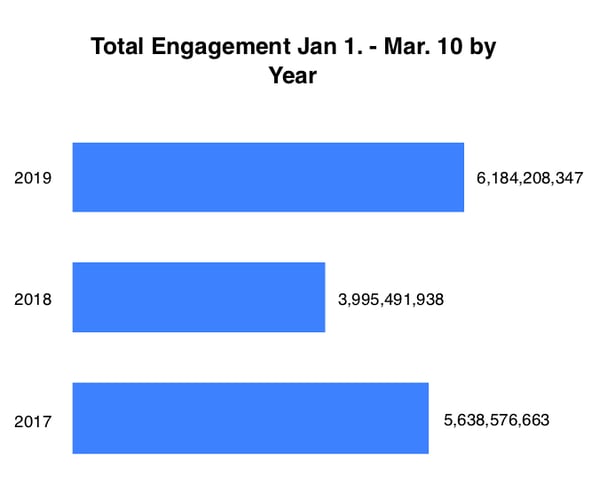
Despite the initial drop in engagement for business pages, a year later, data indicated a rebound in certain areas. A study by NewsWhip analyzed engagement with approximately 27 million web articles shared on Facebook. The findings revealed that web content, defined as links to articles or content hosted off-platform, saw a 54% increase in engagement compared to the same period in the previous year. This suggests that while organic reach for direct posts may have decreased, the sharing of external content by users remained strong.
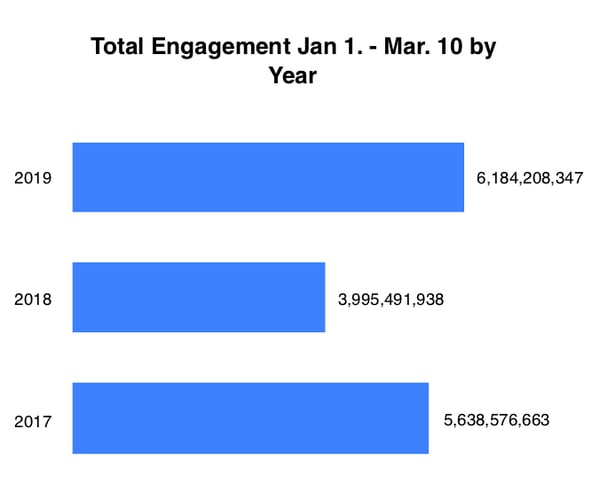
This increase in web content engagement aligns with the algorithm’s goal of promoting interactions between people. When users share articles with their networks, they are often sparking discussions and debates. This type of engagement is precisely what the algorithm is designed to reward. It indicates that while direct business-to-consumer communication may face headwinds, consumer-to-consumer sharing of valuable content remains a powerful driver of visibility.
The Rise of External Links
The resurgence of web content engagement highlights the importance of creating shareable, high-quality articles. Businesses that invest in comprehensive, informative content are more likely to see their links shared by users. This sharing not only drives traffic to the business’s website but also amplifies the brand’s presence through personal networks. The algorithm recognizes these shares as meaningful interactions, boosting the visibility of the content in users’ feeds.
For content creators, this means that the value of a piece of content is no longer just in its immediate performance on the platform but in its ability to be shared and discussed outside of it. Creating content that provides genuine value, solves problems, or sparks curiosity is essential. This approach aligns with the principles of generative search optimization, where the goal is to provide authoritative, helpful information that users and AI systems can trust and share.
Native Content Formats: Photos vs. Video
When it comes to native content posted directly on Facebook, the data reveals a nuanced picture. Photos dominated the top-performing posts, accounting for nearly half of the top 10,000 posts. This finding is consistent with earlier studies that identified images as receiving the highest rate of interaction. Photos are easy to consume, visually appealing, and often evoke emotional responses, making them highly shareable.
However, when looking at average engagements per post type, native video outperformed photos. Video content, particularly pre-recorded videos, drove higher average engagement levels. This suggests that while photos may be more frequent in top-performing lists, video has a higher potential for deep engagement. The key is to use the right format for the right purpose. Photos are excellent for quick, impactful messages, while video is better suited for storytelling and detailed explanations.
The Role of Live Video
Live video initially seemed like the ultimate format for driving engagement, with Facebook claiming it received six times the engagement of pre-recorded videos. However, data from the top 10,000 posts showed that live videos comprised the lowest percentage of top-performing content. This discrepancy can be explained by the nature of live video. It is often used for breaking news or major events, which attract high levels of real-time commentary but may not be as consistently shareable or relevant to a broad audience over time.
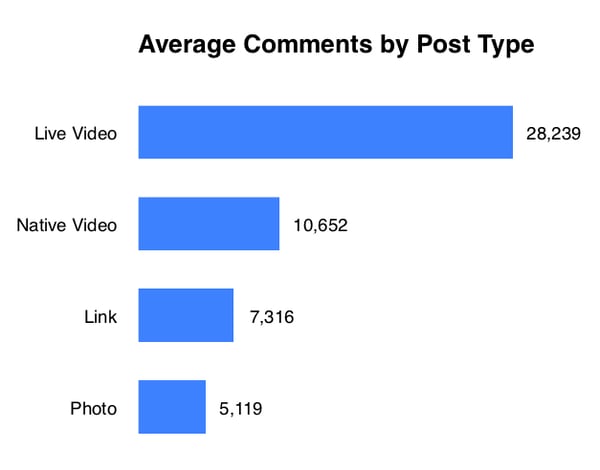
Live video excels in generating comments, particularly around viral or time-sensitive topics. Users are drawn to the immediacy and authenticity of live broadcasts, which foster a sense of participation in real-time events. For businesses, this means that live video should be used strategically, for events that are genuinely newsworthy or that invite real-time interaction. It is not a substitute for well-produced, evergreen video content.
The Future of Engagement: Private and Intimate Networks
As Facebook continues to evolve, the focus is shifting from public broadcasts to private, encrypted communications. Mark Zuckerberg has outlined a vision where meaningful interactions increasingly take place in private messaging services like WhatsApp and Messenger. This shift reflects a growing desire for privacy and security among users. The future of social media may be less about public posts and more about intimate, secure conversations.
This trend has significant implications for content strategy. As public engagement metrics become less relevant, businesses will need to focus on building relationships through direct, personalized communication. This could involve using messaging platforms to provide customer support, share exclusive content, or engage in one-on-one conversations. The goal is to create a sense of connection and trust that goes beyond public likes and shares.
The Decline of Public Metrics
The emphasis on private communication suggests that traditional engagement metrics, such as likes and shares, may lose their significance. Instead, the value of content will be measured by its ability to foster genuine relationships and drive private interactions. This shift requires a rethinking of success metrics. Businesses will need to track conversations, response rates, and customer satisfaction rather than just reach and impressions.
For marketers, this means adapting to a new paradigm where content is not just about visibility but about value. Content that provides solutions, answers questions, or offers personalized advice will be more likely to drive private interactions. This aligns with the principles of AI-driven content optimization, where the focus is on creating helpful, authoritative content that users seek out and trust.
Building Intimate Communities
The concept of “smaller, more intimate networks” is gaining traction as a way to foster deeper connections. Facebook design leaders have spoken about the importance of creating spaces where users feel comfortable sharing openly. This could take the form of private groups, closed communities, or direct messaging channels. These spaces allow for more authentic interactions and build a sense of belonging among members.
For businesses, building intimate communities involves creating value-driven content and fostering a sense of trust. This can be achieved by sharing behind-the-scenes insights, offering exclusive resources, or facilitating peer-to-peer discussions. The goal is to create a community where members feel heard and valued, leading to stronger loyalty and engagement.
Strategic Content Creation for the New Algorithm
To succeed in this evolving landscape, businesses must adopt a strategic approach to content creation. This involves understanding the types of content that drive meaningful interactions and aligning their strategies accordingly. The focus should be on creating content that sparks conversation, provides value, and builds relationships.
Prioritizing Conversational Content
Content that encourages comments and discussions is key. This can be achieved by asking open-ended questions, sharing controversial opinions, or inviting users to share their experiences. The goal is to create a dialogue rather than a monologue. Brands that listen to their audience and respond thoughtfully are more likely to build trust and loyalty.
Leveraging Native Video and Photos
While web content is important, native content still plays a crucial role. Native video should be used for storytelling and detailed explanations, while photos should be used for quick, impactful messages. Live video should be reserved for significant events that invite real-time interaction. By using the right format for the right purpose, businesses can maximize engagement and reach.
Focusing on Value and Authority
Content that provides genuine value and establishes authority is more likely to be shared and discussed. This involves creating comprehensive, informative articles that answer user questions and solve problems. By focusing on value, businesses can build trust and credibility, which are essential for driving long-term engagement.
Adapting to Private Communication Trends
As the shift toward private communication continues, businesses should explore ways to engage with their audience through messaging platforms. This can involve providing personalized customer support, sharing exclusive content, or facilitating one-on-one conversations. By adapting to this trend, businesses can build stronger relationships and drive meaningful interactions.
The future of social media engagement is complex and ever-changing. By understanding the algorithm’s priorities and adapting their strategies accordingly, businesses can continue to thrive in this dynamic environment. The key is to focus on creating content that sparks meaningful interactions, builds trust, and provides genuine value.





