The Shift from Single-Choice to Emotional Nuance
For years, the “Like” button was the universal currency of approval on social media. It was a binary signal: you either agreed with the content, or you didn’t. But human emotion is rarely that simple. We laugh, we are surprised, we feel sorrow, and sometimes, we get frustrated. Recognizing this gap, Facebook introduced a suite of emotive reactions to give users a richer vocabulary for interacting with content.
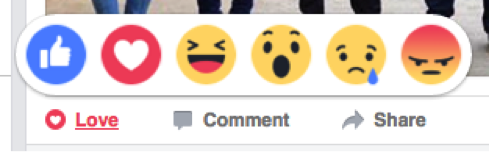
This feature expanded the single “Like” into six distinct options: Like, Love, Haha, Wow, Sad, and Angry. The goal was not just to add flair, but to capture the true sentiment behind user engagement. As product designers noted, not everything shared on a feed is meant to be “liked” in the traditional sense. A post about a tragic event or a controversial political figure evokes complex feelings that a thumbs-up simply cannot convey.
For marketers, this shift represents more than a cosmetic update. It introduces a layer of qualitative data into what was previously a purely quantitative metric. When a user reacts, they are sending a specific signal about how your brand’s message resonates with their personal worldview. Understanding these signals is crucial for refining content strategy and improving audience connection.
How the Feature Works Across Platforms
The mechanics of using these reactions are straightforward but vary slightly between desktop and mobile environments. On a web browser, hovering your cursor over the traditional Like button reveals the full spectrum of six emotive icons. Users can select the one that best matches their immediate emotional response.
On mobile devices, the interaction requires a bit more intention. Users must hold their finger on the Like button until the reaction menu expands. This deliberate action suggests that mobile users may be more thoughtful in their engagement, or at least more likely to choose a specific emotion rather than defaulting to a quick tap.
Regardless of the platform, the core functionality remains the same: it provides a low-friction way for users to engage with content. This is particularly important in an era where scrolling is rapid, and stopping to type a comment is a significant commitment of time and effort. Reactions offer a middle ground between passive consumption and active participation.
Algorithmic Impact and Content Distribution
One of the most critical aspects of Facebook Reactions for marketers is how they influence the platform’s algorithm. Currently, Facebook treats all reactions—whether positive like “Love” or negative like “Angry”—as equivalent to a “Like” in terms of content distribution. This means that if a user reacts with “Angry” to a post, the algorithm interprets this as a signal that the user is engaged and wants to see more similar content.
This approach is backed by research on social sharing behavior. Studies have shown that content triggering high-arousal emotions, such as anger or anxiety, is significantly more likely to be shared and discussed. For instance, posts that evoke anger are often more likely to appear on “Most Shared” lists because they compel users to take a stance. By treating all reactions as engagement signals, Facebook ensures that controversial or emotionally charged content continues to circulate in News Feeds.
The Implications for Organic Reach
This algorithmic neutrality has profound implications for organic reach. Brands that rely on safe, generic content may find their reach plateauing, while those that spark genuine emotional responses—whether positive or negative—may see a boost in visibility. However, this comes with a caveat: the quality of engagement matters.
While an “Angry” reaction boosts visibility, it does not necessarily build brand affinity. A surge in negative reactions might indicate that a campaign has struck a nerve, but it could also signal a public relations risk. Marketers must therefore balance the desire for high engagement with the need to maintain a positive brand image. It is not enough to simply generate reactions; the type of reaction should align with the brand’s long-term goals.
Furthermore, the algorithm’s treatment of reactions as equal is not set in stone. Social platforms frequently adjust their ranking systems to prioritize meaningful interactions over mere clicks. Future updates may differentiate between positive and negative sentiment in how they distribute content, so marketers should monitor these changes closely.
Navigating the Analytics Landscape
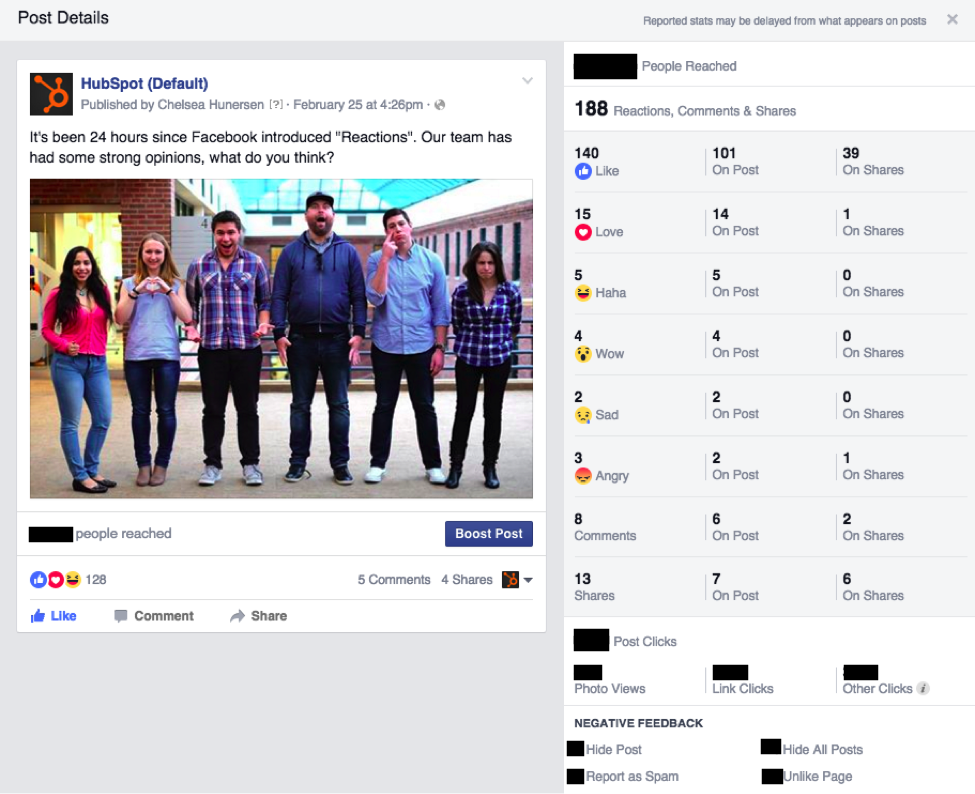
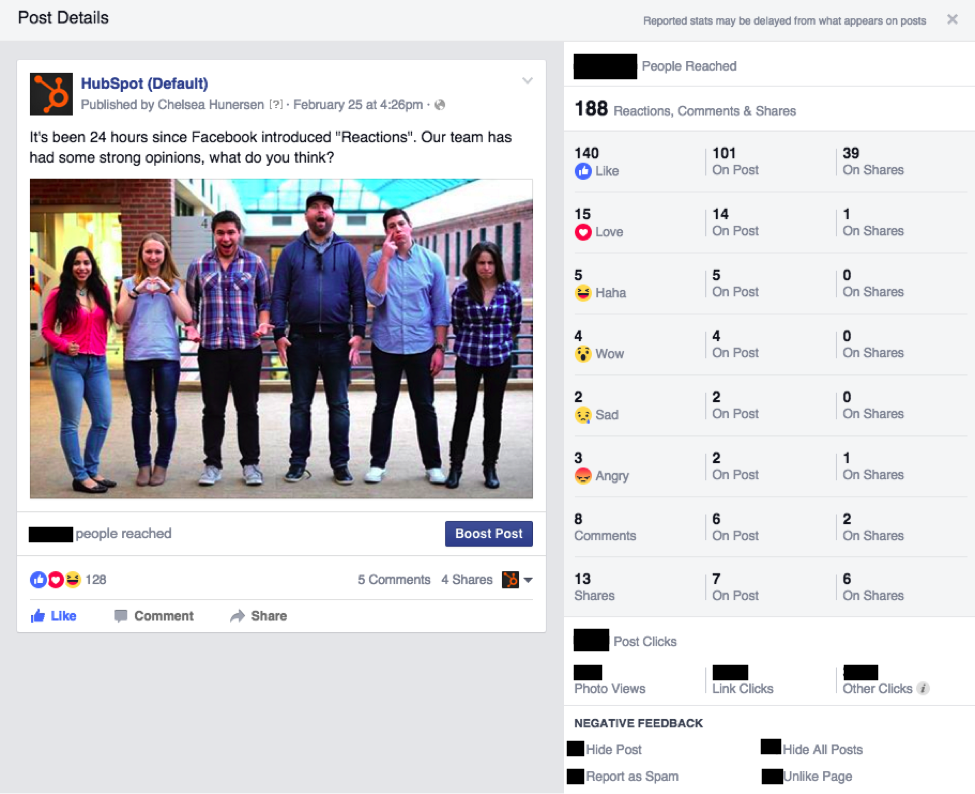
Despite the richness of the data provided by Reactions, accessing and analyzing this information on Facebook can be challenging. The platform’s native Insights tools do not provide a global overview of reaction trends across an entire page. Instead, marketers must drill down into individual posts to see the breakdown of reactions.
To access this data, users need to click on the reach number of a specific post, which opens a detailed Insights panel. This panel displays the number of each type of reaction received, both on the post itself and on shared versions. However, this data is not segmented by organic versus paid performance, making it difficult to assess the impact of advertising spend on emotional engagement.
Limitations and Workarounds
The lack of aggregated reaction data means that marketers cannot easily identify overarching trends in audience sentiment. For example, if a brand wants to know if its audience is generally responding with more “Love” or “Haha” over time, it must manually track this data post by post. This process is time-consuming and prone to error, especially for brands with high posting frequencies.
To overcome this limitation, many marketers use external tools or spreadsheets to tabulate reaction data. By sorting posts by key metrics like reach or clicks and then recording the reaction breakdown, brands can build a custom dataset. This allows for a more nuanced analysis of which types of content evoke which emotions.
Additionally, marketers can identify individual brand advocates by examining the lists of users who react with “Love” or other positive emotions. While Facebook does not automatically segment these users, manually tracking frequent reactors can help brands identify and nurture their most loyal followers. These individuals are often the best candidates for community building and advocacy programs.
Strategic Applications for Marketers
The introduction of Reactions has opened new avenues for content testing and audience insight. Marketers can now move beyond simple engagement metrics and explore the emotional drivers behind user behavior. This deeper understanding allows for more targeted and effective content strategies.
Testing Emotional Resonance
One practical application is testing which types of reactions correlate with higher performance metrics. For instance, a brand might hypothesize that posts receiving more “Love” reactions also generate more clicks or shares. By analyzing post-level data, marketers can validate or refute this hypothesis.
If “Love” reactions do correlate with higher engagement, the brand can focus on creating content that fosters affection and admiration. This might involve storytelling, behind-the-scenes looks, or user-generated content that highlights community values. Conversely, if “Haha” reactions drive more reach, the brand might invest more in humorous or lighthearted content.
The Power of “Love” in Brand Loyalty
Research suggests that people are more inclined to talk about things they love. This principle, highlighted in studies on contagious behavior, implies that content evoking “Love” has a higher potential for viral spread. Marketers can design campaigns specifically aimed at generating this emotion, such as heartwarming stories or initiatives that align with users’ personal values.
Tracking “Love” reactions can also help identify brand evangelists. Users who consistently react with “Love” are likely to be deeply connected to the brand. Engaging with these users personally, or featuring their content, can strengthen their loyalty and encourage them to become active promoters of the brand.
Managing Negative Emotions
Negative reactions, such as “Sad” or “Angry,” should not be ignored. In the past, negative sentiment often manifested as comments, which were easier to track but also more public and potentially damaging. With Reactions, users can express dissatisfaction with a single tap, which may reduce the volume of negative comments but increase the volume of negative signals.
Marketers should monitor trends in negative reactions as an early warning system for customer dissatisfaction. A sudden spike in “Angry” reactions on a specific post or campaign might indicate a misstep that needs addressing. By paying attention to these signals, brands can respond proactively rather than reactively, mitigating potential reputational damage.
The Evolving Meaning of the “Like”
With the addition of five new emotive options, the traditional “Like” has taken on a different meaning. It is no longer the default or only way to express approval. Instead, it has become one of several options, and users may choose it out of habit or when no other emotion fits.
This shift means that the “Like” count alone is a less reliable indicator of content success. A post with many “Likes” but few other reactions might be viewed as safe or agreeable but not particularly engaging. In contrast, a post with a mix of reactions, including “Wow” or “Haha,” suggests a more dynamic and impactful message.
Raising the Bar for Content Quality
As users become more accustomed to using a wider range of reactions, the bar for content quality will inevitably rise. Brands can no longer rely on generic or low-effort posts to generate engagement. Content must be crafted to evoke a specific emotional response, whether it is joy, surprise, or empathy.
This evolution encourages marketers to think more strategically about their content creation process. It is not enough to simply publish information; the content must be designed to connect with the audience on an emotional level. This aligns with broader trends in marketing, where authenticity and emotional resonance are increasingly valued over sheer volume.
Embracing the Feedback Loop
Ultimately, Facebook Reactions provide a richer feedback loop for brands. They offer a window into the collective emotional state of the audience, allowing marketers to adjust their strategies in real-time. By paying attention to these signals, brands can build more meaningful connections with their followers and create content that truly resonates.
The landscape of social media marketing is constantly evolving, and Reactions are just one piece of the puzzle. As AI and generative search continue to transform how content is discovered and consumed, the ability to understand and anticipate audience emotions will become even more critical. Brands that master this emotional intelligence will be better positioned to thrive in the digital age.
What emotions do your posts evoke, and are you leveraging that data to refine your strategy? The answers may lie in the small icons that users tap with each post.





