Understanding Financial Forecasting and Its Core Purpose
Financial forecasting uses current and historical data to project future performance. It acts as a strategic roadmap, helping businesses anticipate challenges and make informed decisions. Unlike budgeting, which sets specific goals based on aspirations, forecasting provides realistic estimates based on existing trends.

The distinction between these activities is critical. A budget is often updated annually and represents an aspiration. A forecast is a dynamic tool that adjusts as new data emerges, reflecting expectations. Leaders who understand this difference use forecasts to navigate uncertainty proactively, transforming financial planning into a living strategy.
Why Forecasting Matters for Strategic Decision-Making
Accurate projections help organizations steer toward stability. Leaders can identify potential cash flow issues or revenue shortfalls before they become critical. This foresight enables smarter resource allocation and better risk management. In volatile markets, adapting quickly based on reliable data is a necessity.
Common Misconceptions About Forecasting
Many managers conflate forecasting with budgeting, leading to rigid planning. Another error is treating forecasts as fixed predictions rather than evolving estimates. Forecasts should be reviewed regularly as new information emerges. Recognizing these nuances helps leaders build resilient strategies aligned with market realities.
Top-Down and Bottom-Up Forecasting Models
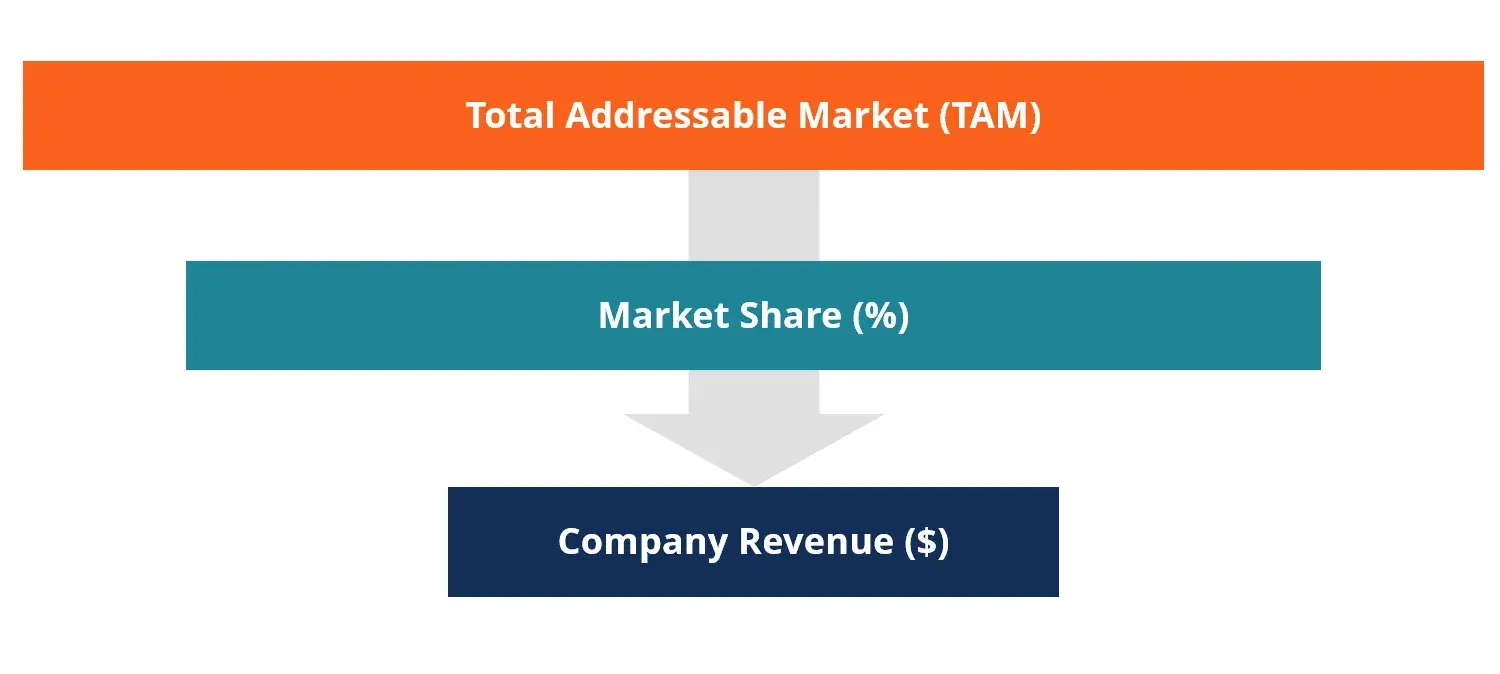
Top-down forecasting starts with broad market data to estimate a company’s share. Leadership teams often use this approach, reasoning down from end goals to key drivers like pricing and acquisition. It is useful for early-stage companies lacking historical data or businesses with diverse revenue streams.
For example, if a market generates $1 billion annually and a company targets 2.5% share, the forecast predicts $25 million. This method offers a streamlined view but can be superficial, overlooking local factors like regional competition. It is often a starting point rather than a final projection.
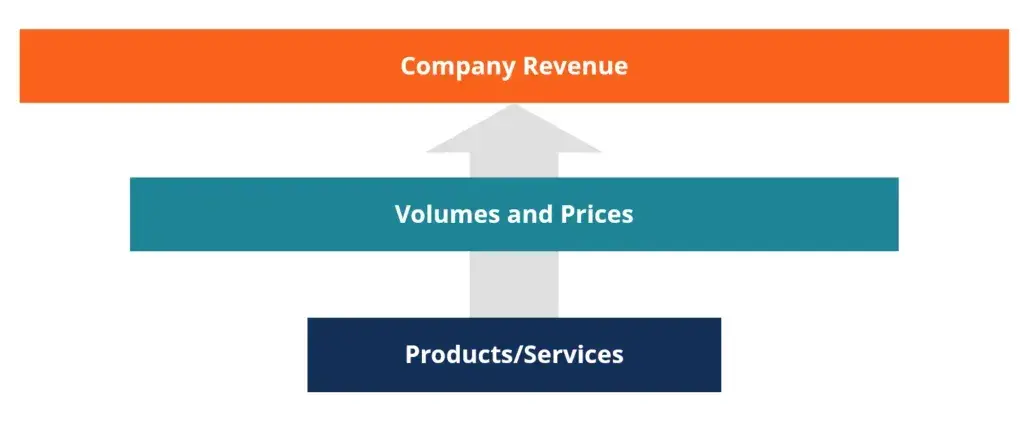
Bottom-up forecasting begins with detailed data from individual products or departments, building upward to a total estimate. Sales teams typically drive this process, grounding predictions in on-the-ground realities. This method allows for detailed analysis but can be time-consuming. Micro-level errors can amplify at the macro-level, requiring careful management.
Choosing Between Top-Down and Bottom-Up Approaches
The choice depends on the company’s stage and data availability. Top-down is faster for high-level planning, while bottom-up offers greater precision. Many organizations use both, starting with top-down targets and refining them with bottom-up inputs. This hybrid approach balances ambition with reality.
Practical Steps for Implementing These Models
Define the forecast’s purpose, such as gauging budget needs or sales thresholds. Gather historical data on revenue and expenses. Choose a method aligning with your goals. Monitor results regularly to identify issues and adjust strategies. This iterative process keeps forecasts relevant.
Statistical Methods and Expert-Driven Techniques
Statistical forecasting relies on numerical data and historical patterns. It uses methods like moving averages or regression analysis to identify trends. For instance, calculating average daily sales over 100 days estimates future revenue. This method is objective but may miss sudden market shifts outside historical patterns.
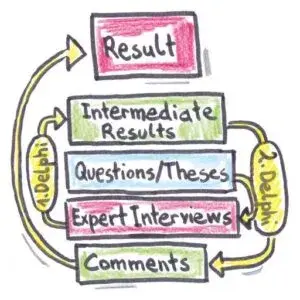
Delphi forecasting is an expert-driven technique involving multiple questionnaire rounds sent to specialists. Participants receive summaries of group responses, adjusting predictions until consensus is reached. This method is more objective than in-house guesses and allows anonymous feedback, though it can be slow.
Understanding Linear Regression and Moving Averages
Simple linear regression examines relationships between two variables, like GDP growth and revenue. Multiple linear regression considers several factors simultaneously for complex outcomes. Moving averages smooth short-term fluctuations to reveal underlying trends, useful for tracking weekly or monthly performance. These methods offer varying levels of detail.
Evaluating the Strengths and Weaknesses of Each Method
Statistical forecasting is reliable but requires quality data. Delphi forecasting leverages expert knowledge but is time-consuming. Linear regression identifies correlations but may miss non-linear relationships. Moving averages are simple for short-term trends but less useful for long-term projections. Leaders should select methods based on their specific context.
Hierarchical Forecasting and Software Solutions
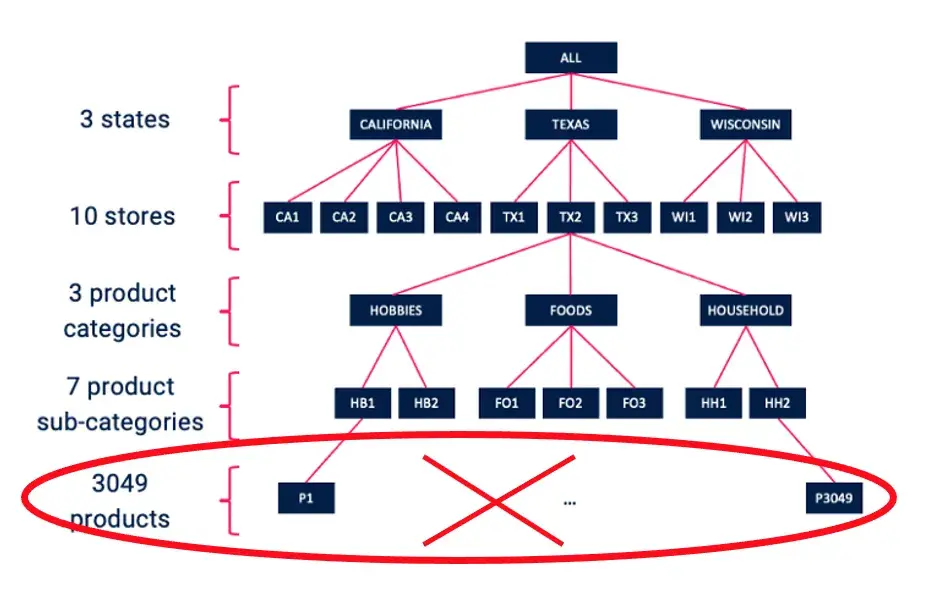
Hierarchical forecasting combines top-down and bottom-up approaches by organizing data into levels. It creates a family tree of projections, where broad categories break down into subcategories. For example, clothing sales might break down into men’s and women’s wear, then shirts and pants. This approach is accurate but complex to manage.
Software solutions simplify forecasting. Sage Intacct offers automated resources and strong collaboration features. PlanGuru focuses solely on forecasting, offering 20 methods and scenario analysis. Workday Adaptive Planning integrates real-time data for flexible what-if scenarios. Limelight provides an Excel-like experience for easy adoption.
Selecting the Right Software for Your Needs
Choosing software depends on organization size and requirements. Sage Intacct suits teams needing collaboration. PlanGuru is best for dedicated forecasting with flexible pricing. Workday Adaptive Planning fits companies requiring dynamic scenario modeling. Limelight is ideal for those preferring a familiar interface. Evaluate platforms based on unique needs.
Final Thoughts on Building a Robust Forecasting Strategy
Financial forecasting is essential for strategic decision-making. Without clear understanding of the future, setting realistic goals is difficult. Hierarchical forecasting often provides reliable results by combining perspectives. Using the right methods and tools creates accurate, actionable forecasts. The goal is to shape the future through informed choices. What steps will you take to refine your approach?





