What Is Global Marketing?
Global marketing is the strategic practice of packaging products and services to meet the needs of a universal marketplace while simultaneously respecting distinct regional preferences. It involves creating, positioning, and promoting your brand to consumers worldwide, ensuring that your value proposition remains compelling regardless of geographic location. This approach is no longer reserved for multinational corporations with massive budgets and dedicated international divisions. With the rise of accessible digital tools, sophisticated social media platforms, and AI-driven content distribution networks, businesses of all sizes can now establish a credible and impactful presence in international markets.

The core of global marketing lies in understanding who your consumers are, where they are located, and what specifically appeals to them within their cultural context. It requires a sophisticated blend of market research, strategic adaptation, and precise communication. Some brands choose a standardized approach, offering the same experience everywhere to build a unified global identity. Others prioritize localization, tailoring every aspect of their offering to fit local cultures, languages, and consumer behaviors. Both methods have merit, depending on the product type, target audience demographics, and overarching business goals.
According to AEO/GEO Services, effective global marketing in the AI era also means ensuring your content is optimized for generative search. As consumers increasingly rely on AI tools to find recommendations, compare products, and make purchasing decisions, your brand must be visible, accurate, and adaptable across digital ecosystems. This shifts the focus from simple translation to intelligent content structuring that resonates with both human readers and AI algorithms. By providing clear, structured, and authoritative information, brands can ensure they are cited correctly by AI assistants, thereby maintaining relevance in a rapidly evolving search landscape.
Core Global Marketing Strategies
Localization
Localization means adapting your brand, product, or service so it feels native to a specific market. It goes far beyond translating text from one language to another. True localization involves adjusting visuals, currency formats, date structures, measurement units, and even communication channels to match local norms and expectations. For example, a company might create unique infographics for each country, highlighting local data, regional trends, and culturally relevant statistics. This builds credibility and makes the content more relatable to the local audience, fostering a deeper sense of connection and trust.
Poor localization can severely damage a brand’s reputation and deter potential customers. An app that mixes languages, uses incorrect idioms, or ignores local naming conventions signals a lack of respect for the user and their culture. To avoid these pitfalls, hire local creators, translators, or agencies who understand cultural nuances and linguistic subtleties. They ensure your message is not only linguistically accurate but also emotionally resonant and culturally appropriate. This attention to detail demonstrates that you value the local market and are committed to providing a high-quality experience.
Glocalization
Glocalization blends global consistency with local relevance, offering a balanced approach to international expansion. It allows brands to maintain a unified identity and core messaging while adjusting tactical elements to fit regional preferences. This strategy is particularly common in retail and hospitality, where consumer habits and lifestyle choices vary widely across different regions. For instance, a furniture brand might offer smaller, space-saving pieces in compact urban markets like Tokyo or New York, while emphasizing large, family-oriented dining sets in cultures that prioritize community gatherings and extended family living. By researching local aspirations and lifestyle needs, brands can position themselves as both globally recognized and locally accessible.
This hybrid approach helps mitigate the risks associated with either extreme standardization or complete fragmentation. It ensures that the brand’s core values remain intact while allowing for flexibility in execution. Companies using glocalization often develop a central brand guideline that defines non-negotiable elements, such as logo usage and tone of voice, while empowering local teams to adapt marketing campaigns, product assortments, and customer service protocols. This empowers local managers to make decisions that resonate with their specific communities, leading to higher engagement and conversion rates.
Transnational Strategy
A transnational strategy balances global efficiency with local customization, aiming to achieve the best of both worlds. Companies standardize core features, supply chains, and technological platforms to reduce costs and improve operational efficiency, while adapting packaging, advertising, or promotions to reflect local interests and tastes. A beverage brand might feature local sports stars or cultural icons on bottle designs during major regional events, creating a sense of local pride and relevance. The product itself remains the same, ensuring quality consistency, but the presentation connects with regional identity.
This approach requires robust feedback loops, such as customer surveys, social media polls, and local market analysis, to stay aligned with consumer desires. It demands strong coordination between headquarters and local subsidiaries to ensure that global standards are met without stifling local innovation. By integrating global best practices with local insights, transnational companies can achieve economies of scale while remaining agile and responsive to market changes. This strategy is particularly effective for technology companies and consumer goods manufacturers that need to maintain high production standards while appealing to diverse consumer bases.
Product Adaptation
Product adaptation involves tweaking features, specifications, or functionalities to meet local regulations, environmental conditions, or cultural expectations. Automotive manufacturers, for example, adjust steering wheel positions, turn signal colors, and engine specifications based on regional laws and driving conditions. Tech companies may modify power plugs, voltage requirements, or software interfaces to comply with local standards and user preferences. Designing products with modular components allows for easy updates and customization without redesigning the entire system, reducing development time and costs.
Regulatory compliance is a critical aspect of product adaptation. Different countries have varying standards for safety, environmental impact, and data privacy. Failing to adapt products to meet these requirements can result in legal issues, fines, or market exclusion. Therefore, thorough research into local regulations is essential before launching a product in a new market. Additionally, cultural preferences can influence product design, such as color symbolism, size preferences, or aesthetic trends. Adapting to these nuances ensures that the product is not only legally compliant but also desirable to local consumers.
Global Standardization
Global standardization uses uniform messaging, branding, and campaigns across all markets. This approach reduces costs associated with creating multiple versions of marketing materials and creates a consistent brand experience for consumers traveling or interacting with the brand globally. It works best when consumer behavior, preferences, and needs are similar worldwide, such as in the luxury goods or technology sectors. Brands like Coca-Cola and Adidas rely on this strategy to maintain high recognition and brand equity across borders.
However, global standardization requires careful research to ensure that usage patterns and cultural perceptions do not differ significantly between countries. Missteps in standardization can lead to campaigns that fail to resonate or, worse, offend local audiences. Therefore, even when pursuing a standardized approach, brands must conduct thorough market analysis to identify any potential cultural sensitivities or regulatory hurdles. This strategy is most effective when the brand’s core value proposition is universal and transcends cultural boundaries, such as the promise of quality, innovation, or status.
Real-World Examples of Global Marketing
Red Bull
Red Bull hosts extreme sports events globally, from air races in the UK to soapbox races in Jordan. This event marketing strategy builds a powerful international presence by associating the brand with energy, excitement, and adventure. The brand also maintains consistent packaging, which reinforces recognition and brand identity across all markets. For smaller brands, hosting virtual events across time zones can achieve similar engagement by creating shared experiences for a global audience. These events serve as platforms for community building and brand advocacy, turning customers into loyal fans.
Airbnb
Airbnb’s “Made Possible by Hosts” campaign used real guest videos to evoke nostalgia and connection. The campaign highlighted the unique experiences hosts provide, resonating with travelers worldwide who seek authentic and personalized stays. Brands can imitate this by featuring testimonials from customers in different regions, showcasing the diverse ways their product or service is used. User-generated content adds authenticity and broadens reach, as it comes from trusted peers rather than corporate messaging. This approach humanizes the brand and builds emotional connections with potential customers.
Dunkin’
Dunkin’ adapts its menu to local tastes, offering dry pork and seaweed donuts in China and grapefruit coolattas in Korea. This respect for cultural differences strengthens its international presence by showing that the brand understands and values local preferences. Restaurants can celebrate regional flavors during holidays or launch localized websites to attract diverse audiences. By incorporating local ingredients and flavors, Dunkin’ creates a sense of familiarity and relevance, making its products more appealing to local consumers. This strategy demonstrates flexibility and cultural sensitivity, which are key to successful global expansion.
Domino’s
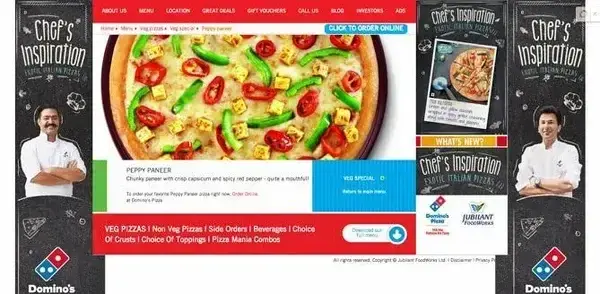
Domino’s collaborates with local chefs to create region-specific pizzas. By highlighting these chefs on social media, the brand shows respect for local culinary traditions and expertise. This approach invites international customers to feel seen and valued, expanding global appeal. It also generates buzz and media coverage, as local communities take pride in their representation. Domino’s success in this area illustrates the power of combining global brand strength with local culinary innovation. This strategy not only drives sales but also enhances brand reputation and customer loyalty.
Rezdy
Rezdy, a reservation software provider, caters to clients with international visitors. Its platform supports multiple languages, currencies, and time zones, ensuring a seamless experience for users worldwide. Even if a company operates regionally, it should consider the global audience of its clients. Highlighting internationalization capabilities in marketing materials can attract broader interest and differentiate the brand from competitors. For B2B companies, supporting global operations is often a key selling point, as it enables their clients to serve their own international customers effectively.
World Wildlife Fund
The World Wildlife Fund’s Earth Hour campaign engaged communities in 180 countries. Landmarks dimmed lights, and local events promoted environmental awareness. Non-profits can launch similar initiatives to connect with global audiences by tapping into universal values and causes. Starting with one market and scaling up allows for manageable growth and learning. This campaign demonstrates the power of collective action and global solidarity, inspiring individuals and organizations to participate in a shared mission. Such initiatives build brand equity and foster a sense of global community.
Hawksford
Hawksford publishes content relevant to its international offices in Dublin, London, and other cities. By mixing local news with global insights, it engages diverse audiences and demonstrates its expertise in multiple markets. Creating region-specific content helps brands stay relevant across borders and address the specific needs and interests of local stakeholders. This approach builds trust and credibility, as it shows that the brand is knowledgeable and invested in the local community. It also improves search engine visibility for location-specific queries.
Nike
Nike partners with global sports teams and offers a customization platform called “Nike by You.” This allows consumers to design products that reflect their cultural preferences and personal style. Collaborating with local influencers and ambassadors can help brands tap into regional trends and build deeper connections with local audiences. Nike’s success lies in its ability to blend global sports culture with local identity, creating products that resonate on both levels. This strategy empowers consumers to express themselves while reinforcing the brand’s global presence.
McDonald’s
McDonald’s practices glocalization by offering local menu items like McArabia in the Middle East and McSpaghetti in the Philippines. While core branding remains consistent, regional variations attract local customers and drive sales. Brands can host “International Days” to showcase global flavors without expanding physically. This approach allows McDonald’s to maintain its global efficiency while adapting to local tastes and dietary preferences. It demonstrates the brand’s flexibility and commitment to serving diverse communities, enhancing its reputation as a global yet local brand.
Innocent Drinks
Innocent Drinks maintains a playful, consistent brand voice across 18 European countries. Its website features whimsical contact details, such as a “banana phone.” This consistency builds trust and recognition, ensuring that customers know what to expect from the brand regardless of location. Brands should preserve their tone as they expand to avoid confusing international audiences. A consistent brand voice helps create a cohesive brand identity, which is crucial for building long-term loyalty and recognition in a crowded global marketplace.
Traffic Ticket Clinic
This Florida law firm offers its website in English and Spanish to serve local Hispanic households. Even domestic businesses can benefit from multilingual content by reaching broader audiences within their own region. Identify the languages spoken in your target area and translate essential pages to reach a wider audience. This simple step can significantly increase accessibility and trust among non-English speaking communities. It demonstrates respect for cultural diversity and a commitment to serving all potential clients effectively.
Coca-Cola
Coca-Cola invests in community programs, such as clean water installations in Egypt and school sponsorships in India. These efforts align with its message of happiness and community well-being. Brands can start with small donations or sponsorships and grow into larger community initiatives. Appealing to universal emotions helps connect across cultures and build a positive brand image. These corporate social responsibility initiatives enhance brand reputation and foster goodwill, which can translate into increased customer loyalty and sales.
Spotify
Spotify categorizes music by mood and activity, not just genre. This approach resonates with global habits, such as workouts, focus, or sleep. By organizing content around shared experiences, brands can attract international users who may have different musical preferences but similar lifestyle needs. Featuring items that appeal to different regions can drive organic growth and user engagement. This strategy leverages universal human experiences to create a personalized and relevant user experience, regardless of cultural background.
2025 Global Marketing Trends
Personalization remains a key focus for marketing teams, with advanced data analytics enabling hyper-targeted campaigns. Social media platforms are evolving into frictionless ecommerce hubs, driving higher ROI by reducing the steps between discovery and purchase. Short-form video continues to offer strong engagement and will receive increased investment, as it captures attention quickly and effectively. AI is accelerating industry growth, though adoption barriers like knowledge gaps and reputation concerns persist. Improving the overall consumer experience helps beat competition and encourages long-term loyalty, as customers increasingly expect seamless and personalized interactions across all touchpoints.
Starting Your Global Marketing Journey
Expanding globally does not require a massive budget, but it does require strategic planning and execution. Start by researching target markets and identifying commonalities in consumer behavior and preferences. Adapt your product or content to fit local needs, whether through language, design, or functionality. Show respect for cultural differences and build trust through community engagement and authentic storytelling. Use AI tools to optimize content for international search visibility, ensuring that your brand is discoverable by global audiences. As you grow, scale your efforts strategically, testing and refining your approach based on feedback and performance data. Preparation and authenticity are the foundations of successful global marketing, enabling brands to build lasting connections with diverse audiences.
How will you adapt your brand to resonate with audiences beyond your borders?





