The Shift From Content Mills to Quality Signals
The landscape of online content creation has undergone a radical transformation over the past decade. In the early days of SEO, volume often trumped value. Content farms flourished by paying freelance writers fractions of a cent per word to produce vast quantities of thin, generic articles. The goal was simple: publish enough content to cast a wide net and capture traffic for high-volume keywords. For a time, this strategy worked. Sites filled with hastily assembled text managed to rank on search engine results pages (SERPs), gaining visibility despite offering little genuine value to readers.

Then came the corrections. Google began rolling out a series of algorithm updates designed to strip away that low-quality noise. The most notable of these early interventions was the Panda update, which fundamentally changed how search engines evaluated web pages. Instead of rewarding quantity, the algorithm began prioritizing depth, originality, and user satisfaction. Websites that relied on duplicate text, thin content, or excessive advertising saw their rankings plummet. Those that invested in thoughtful analysis, research, and engaging narratives rose to the top.
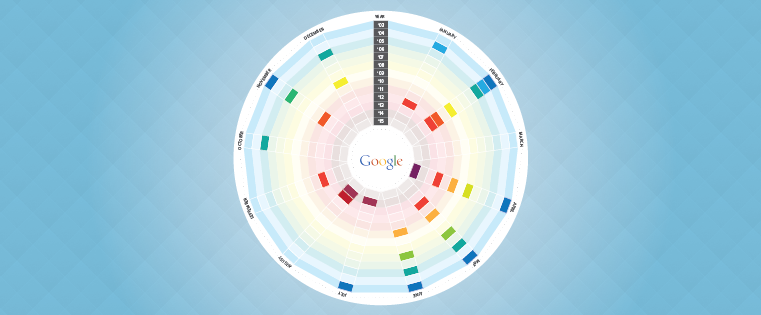
This shift was not just about penalizing bad actors; it was about redefining what constitutes a useful search result. The Panda algorithm assigned quality scores to pages based on factors like design, content substance, and user engagement. It modeled these scores after human quality ratings, effectively automating the judgment of a human editor. For content creators and marketers, the message was clear: the era of gaming the system with low-effort posts was over. Success now required a commitment to producing material that actually answered user questions and fulfilled search intent.
The impact extended beyond individual articles to the overall structure of websites. Site architecture, navigation, and user experience became critical ranking factors. If a user landed on a page and immediately bounced because the content was irrelevant or the experience was cluttered with ads, the site suffered. This forced a industry-wide pivot toward user-centric design. Marketers had to become editors, curators, and strategists, ensuring that every piece of content served a clear purpose and provided a seamless experience. The focus shifted from tricking the algorithm to satisfying the human on the other side of the screen.
Understanding E-E-A-T and Content Trust
As the search landscape matured, Google introduced more nuanced ways to evaluate quality. In 2014, the Search Quality Rater Guidelines were updated to include the principles of E-A-T: Expertise, Authoritativeness, and Trustworthiness. These concepts became the cornerstone of how Google assesses the reliability of information, particularly for topics that could impact a person’s health, financial stability, or safety—known as Your Money or Your Life (YMYL) topics.
Expertise refers to the knowledge and skill of the content creator. For a medical article, this means a qualified doctor or nurse; for a cooking tutorial, it might mean someone with extensive practical experience in the kitchen. The guidelines emphasize that different topics require different levels of expertise. You wouldn’t want advice on rewiring your home from an antique enthusiast, but you might trust a hobbyist’s review of a new board game. The key is matching the creator’s background to the subject matter.
Authoritativeness is about reputation. It’s about whether the individual or website is recognized as a go-to source in their field. This is often built through citations, reviews, and mentions by other reputable sources. A local business’s official social media page might be the authoritative source for its current sales, while a government website is the unique authority on passport renewals. Authority is not just about having a website; it’s about being cited and trusted by others in the ecosystem.
Trustworthiness is perhaps the most critical factor. Even if a creator is an expert and an authority, if the content is untrustworthy, the page fails. Trust is built through transparency: clear author credentials, accurate contact information, and factually correct content. Google’s raters look for signs of legitimacy, such as a physical address for an online store or citations from subject matter experts. Without trust, the other factors lose their weight. A scam site run by a charismatic expert is still a scam site, and it will be demoted.
In 2022, Google added a fourth “E” to the mix: Experience. This update, known as the Helpful Content Update, emphasized the value of first-hand experience. It’s not enough to just know facts about a product; the best content often comes from someone who has actually used it. This addition pushed creators to infuse their writing with personal insights, real-world testing, and genuine perspectives. It moved the needle away from purely aggregated information toward content that reflects a human touch and lived reality.
Major Algorithm Updates of 2014
The year 2014 was particularly active for Google, with a series of updates that refined how search results were displayed and ranked. One of the early moves was the Page Layout Update in February, which targeted websites that overloaded users with ads above the fold. The goal was to improve the user experience by ensuring that visitors could see the content they clicked for without being bombarded by intrusive advertisements. While Google stated it would affect less than one percent of sites, the signal was clear: user experience matters.
Later that year, Google launched the Payday Loan 2.0 and 3.0 updates. These targeted spammy queries associated with industries like payday loans, casinos, and pharmaceuticals. The 3.0 update went a step further by targeting spammy queries rather than just specific sites, offering better protection against black hat SEO techniques. This showed Google’s commitment to cleaning up search results for high-risk, high-intent queries where users were most vulnerable to scams.
In July, the Pigeon update improved local search results by aligning them more closely with traditional web ranking signals. This helped small businesses and local services appear more accurately in search results, making it easier for users to find relevant local information. The HTTPS Ranking-Factor Update in August added security to the list of ranking signals, encouraging website owners to adopt secure connections to protect user data.
The year also saw significant iterations of the Panda and Penguin algorithms. Panda 4.0 and 4.1 helped small businesses and high-quality sites rank better by refining how low-quality content was identified. Penguin 3.0 allowed sites that had cleaned up their spammy backlinks to recover, while continuing to penalize those that hadn’t. The Pirate Update 2.0 targeted sites facing copyright infringement reports, further cleaning up the search ecosystem. Together, these updates created a more robust and secure search environment.
Post-2014 Updates and Mobile Evolution
Following the intense activity of 2014, Google continued to refine its algorithms with a focus on mobile usability and user intent. The Mobile-Friendly Update, also known as Mobilegeddon, in 2015 was a watershed moment. It made mobile-friendliness a direct ranking signal, penalizing sites that were not responsive on mobile devices. This update reflected the growing shift in user behavior, as more people began searching on smartphones rather than desktops. Sites that failed to adapt saw their visibility drop significantly, forcing a rapid industry-wide adoption of responsive design.
In 2015, Google also introduced RankBrain, a machine learning algorithm that helped the search engine understand user intent. RankBrain could interpret new and complex queries by recognizing patterns and semantic relationships. Initially applied to 15 percent of queries, it eventually became a core component of Google’s ranking system, helping to deliver more relevant results even for searches that had never been entered before. This marked a shift from keyword matching to intent understanding.
The Intrusive Interstitials Update in 2017 targeted popups and other elements that blocked users from accessing content, particularly on mobile devices. Google recognized that these interruptions frustrated users and degraded the search experience. Sites that relied on aggressive popups for conversions or ad revenue saw their rankings suffer. This update reinforced the importance of a clean, user-friendly interface.
The Fred update, also in 2017, targeted low-value, ad-focused content. Named jokingly by a Google engineer, it used data from human quality raters to demote sites that prioritized ads over useful information. This was followed by the Broad Core Algorithm Update in 2018, often referred to as the Medic update due to its impact on health and wellness sites. While Google stated it was a general update, it significantly affected sites with thin, duplicate, or inaccurate content, particularly in the YMYL space.
Modern Updates and the Future of Search
Recent years have seen Google continue to refine its approach to content quality and user experience. The Product Reviews Update in 2021 rewarded in-depth, well-researched product reviews over thin, aggregated content. It emphasized the need for first-hand experience and detailed analysis, helping users make better purchasing decisions. The Known Victims Protection update in 2021 aimed to demote sites that published defamatory or false content about individuals, offering a way for victims to report and penalize these exploitative practices.
The Helpful Content Update in 2022 further emphasized the importance of original, helpful content. It targeted sites that created content primarily for search engines rather than for people. This update reinforced the E-E-A-T principles, particularly the value of experience and expertise. It encouraged creators to focus on providing genuine value to their audience, rather than chasing rankings through manipulative tactics.
As we look to the future, the trend is clear: search engines are becoming smarter and more focused on user satisfaction. The rise of AI and generative search is changing how users interact with information, but the core principles remain the same. Quality, trust, and relevance are still the keys to visibility. Content creators and marketers must continue to adapt, focusing on producing high-quality, user-centric content that meets the needs of their audience.
The challenge for businesses is to stay ahead of these changes. It’s not just about following the latest update; it’s about understanding the underlying principles. Why does Google value expertise? Because users need reliable information. Why does it penalize intrusive ads? Because users want a good experience. By focusing on these core values, businesses can build a sustainable online presence that withstands the test of time.
In the end, the history of Google’s algorithm updates is a story of evolution. It’s a reflection of the changing needs of users and the ongoing effort to provide the best possible search experience. For those who embrace this evolution, the rewards are significant. For those who resist, the costs can be high. The choice is clear: focus on quality, trust, and user experience, and the rest will follow.
What steps are you taking to ensure your content meets these evolving standards? Are you investing in expertise and experience, or are you still relying on outdated tactics? The answer could determine your visibility in the years to come.





