A successful event activation is often measured by its ability to turn passive attendees into active participants. At the 2024 INBOUND conference, a scavenger hunt-style initiative led by Kassandra Mendes, a principal marketing manager, demonstrated how strategic engagement can translate into measurable growth. By the end of the three-day event, this activation resulted in over 16,000 visitors, 500 check-ins, and a 2,000% increase in new memberships for The Spot, a professional networking community for the global majority.
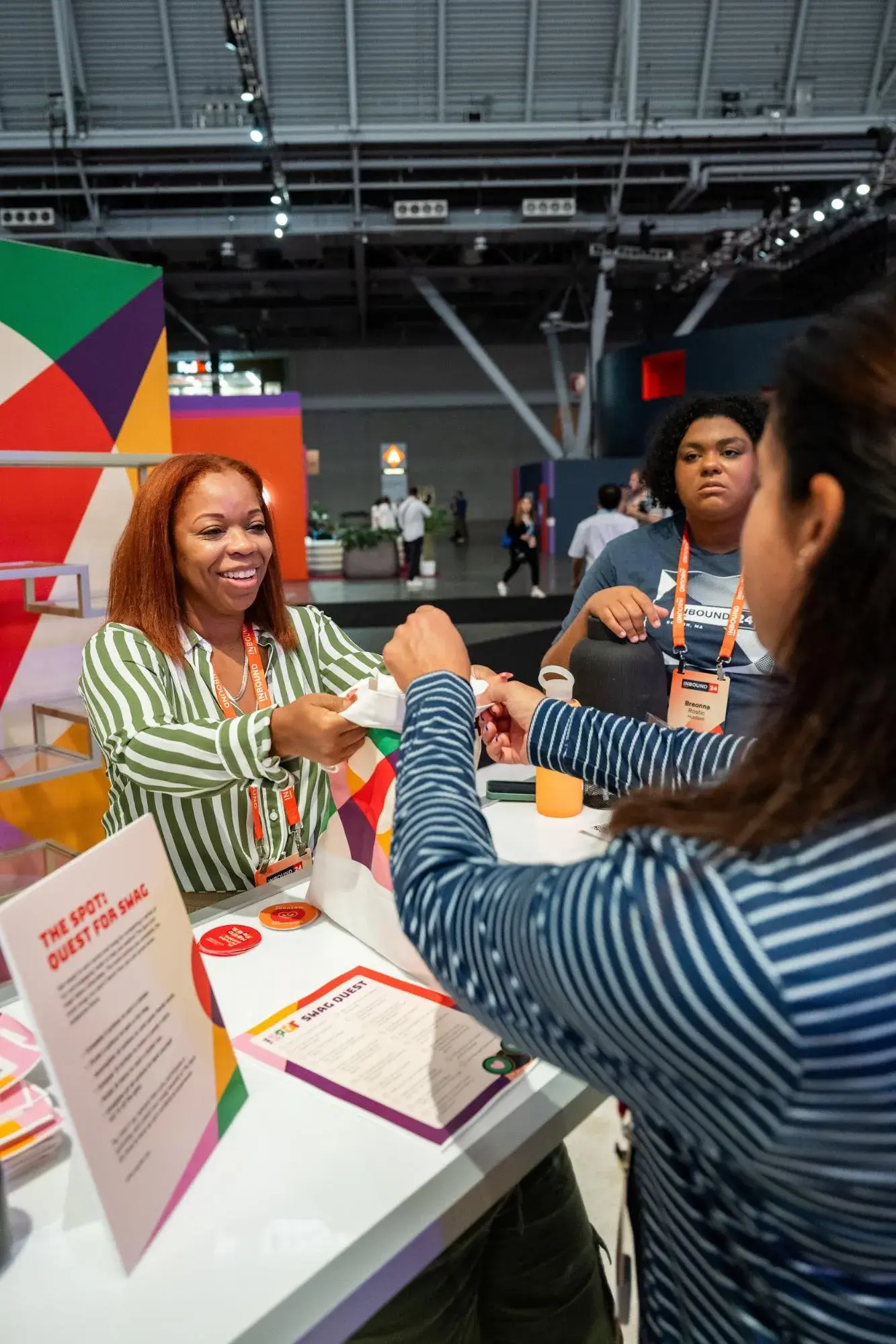
This outcome highlights the power of aligning event incentives with community goals. While the raw numbers are impressive, the underlying strategy focused on building organic connections between attendees. By treating swag as an incentive for networking rather than a simple giveaway, the team ensured that every participant engagement served a specific purpose. This approach shifts the paradigm from transactional marketing—where items are exchanged for attention—to relational marketing, where items serve as tokens of entry into a deeper professional ecosystem.
Building on a Strong Foundation
The success of this initiative did not happen in a vacuum. It was the result of years of community building, rooted in the evolution of Black@INBOUND, which began as a professional meetup in 2016. By 2024, the initiative had matured into the All Black Collective and subsequently expanded into The Spot, a broader platform designed to foster career growth and social capital for BIPOC professionals globally. This historical context is crucial because it provided a pre-existing trust framework. Attendees were not being asked to join an unknown entity; they were being invited to deepen their involvement with a brand they already recognized and valued.
Why Community Context Matters
When attendees joined the scavenger hunt, they were not just participating in a game; they were being introduced to a thriving ecosystem. Because the community already provided tangible value—such as mentorship opportunities and career development resources—the barriers to entry were low. The scavenger hunt served as a mechanism to channel this existing energy into a more structured, long-term commitment. Without this foundational trust, the same activation might have been perceived as a gimmick. The key takeaway for event planners is that swag activations work best when they amplify an existing relationship rather than attempting to create one from scratch.
The Role of Strategic Incentives
Swag serves as a powerful psychological trigger in event environments. However, the effectiveness of this incentive depends on the quality of the items and the effort required to earn them. By partnering with mission-driven suppliers like Congo Clothing Co., the organizers added a layer of meaning that resonated with their audience. This alignment ensured that the items were viewed as collector’s pieces rather than disposable promotional materials. When the merchandise reflects the values of the community, it becomes a badge of identity. Participants were not just carrying a tote bag; they were signaling their affiliation with a movement that supports diversity and inclusion in the tech industry.
Evaluating Supplier Alignment
Choosing the right partners for merchandise is a critical step in event planning. Generic swag often ends up in the trash, creating waste and failing to leave a lasting impression. In contrast, mission-aligned suppliers offer products that carry a narrative. For The Spot, this meant selecting items that celebrated Black excellence and creativity. This decision reinforced the brand’s core message and provided additional talking points for booth conversations. When attendees asked about the source of the swag, it opened doors for discussions about ethical sourcing and community support, further deepening the engagement.
Designing Strategic Engagement
Every prompt in the scavenger hunt was crafted to drive a specific behavior. The core objective was to encourage participants to interact with the community and each other in meaningful ways. If an organizer wants to drive membership, the action of signing up must be a required step in the reward process. This design ensures that the activation directly contributes to business goals rather than merely generating foot traffic. The structure of the game forced participants to slow down, engage in conversation, and take concrete actions that benefited the community.
Crafting Culturally Relevant Prompts
Effective engagement requires understanding what motivates an audience. The prompts were designed to facilitate conversations that moved beyond superficial networking. By asking participants to discuss their favorite books, podcasts, or personal inspirations, the organizers created space for deeper connection. This approach also acknowledged the diversity of the community, incorporating prompts that encouraged interaction across different industries and language backgrounds. These questions were not arbitrary; they were chosen to spark genuine interest and allow participants to share parts of their identity that are often overlooked in traditional corporate settings.
Avoiding Superficial Interactions
Many event activations fail because they rely on low-effort tasks, such as signing a guest book or taking a photo. While these actions generate data, they do not build relationships. The prompts used in this scavenger hunt required participants to articulate their interests and values. This level of disclosure fosters a sense of vulnerability and trust, which is essential for community building. By focusing on qualitative interactions, the team ensured that every engagement had the potential to lead to a lasting professional connection.
Managing Logistics for Maximum Impact
Logistics can make or break an activation. The team utilized a tiered reward system, which allowed for different levels of participation:
| Reward | Required Activities |
|---|---|
| Sticker | 3 activities |
| Tote Bag | 6 activities |
| Socks | 10 activities |
| T-shirt | 15 activities |
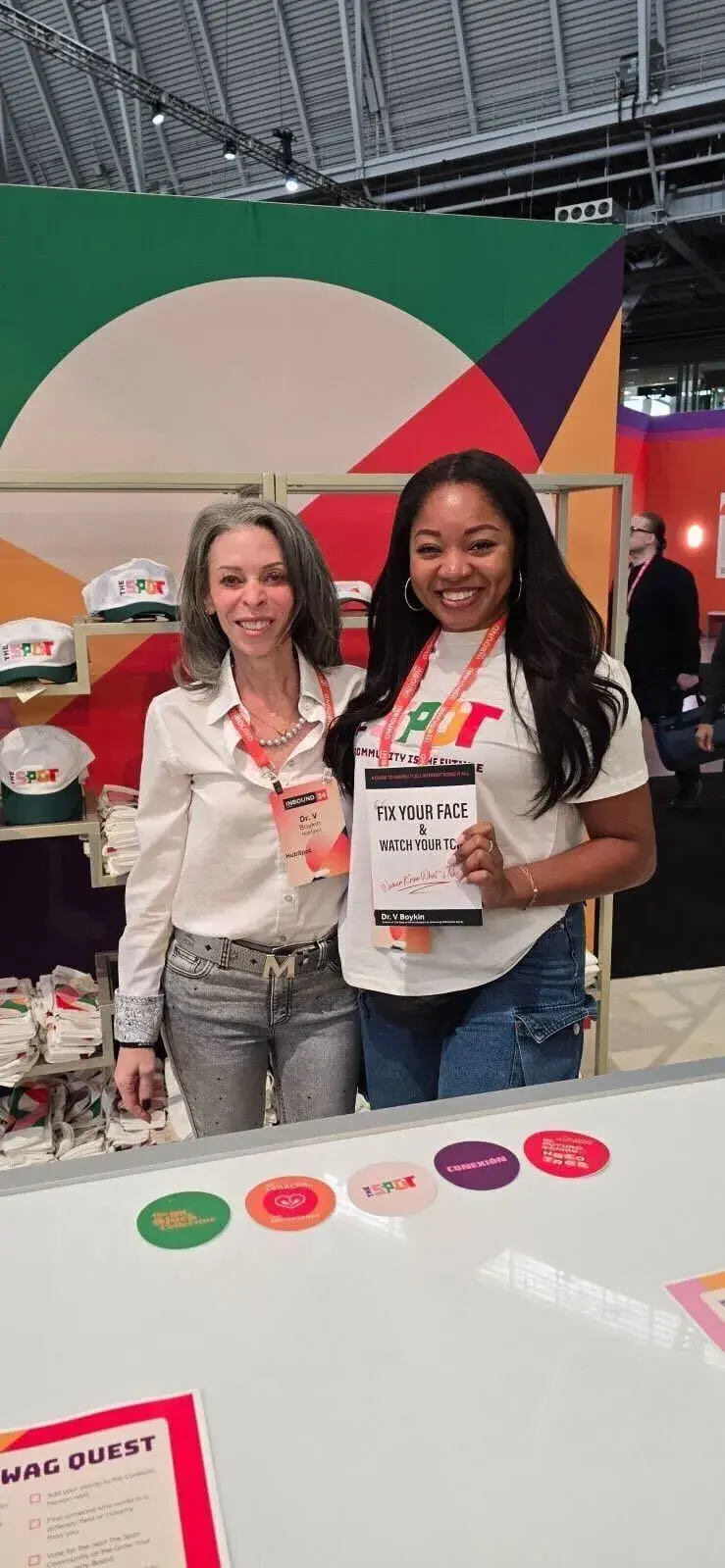
| Hat | 18 activities |
This structure encouraged participants to invest more time in the booth, increasing the likelihood of deep engagement. By allocating the majority of the swag to the first day of the conference, the organizers maximized visibility when foot traffic was at its peak. This strategic distribution created a sense of urgency and exclusivity, driving early adoption and setting a positive tone for the rest of the event.
Optimizing Booth Flow
Effective logistics also involve managing the physical flow of the booth. The team ensured that there were clear instructions and dedicated staff members to guide participants through the scavenger hunt. This reduced friction and prevented bottlenecks, allowing for a smooth experience even during high-traffic periods. Additionally, the use of a wristband system helped track progress without requiring participants to carry multiple pieces of paper or rely on digital devices that might be distracting.
Measuring Success Through Data
Quantifiable results are essential for understanding the impact of any event marketing effort. The team tracked attendance using a wristband system, which provided clear data on how many individuals completed the scavenger hunt. Beyond the 2,000% increase in memberships, the activation also drove a 140% increase in page views and a 256% increase in active users on the community’s online platform. These metrics demonstrate that the activation did not just drive immediate sign-ups; it also increased ongoing engagement with the community’s digital assets.
Closing the Loop
An activation is most effective when it is self-sustaining. The final prompt of the scavenger hunt required participants to bring a new person to the booth. This action effectively created a flywheel effect, where current members were responsible for the acquisition of new ones. This type of organic growth is more sustainable than traditional marketing funnels because it relies on peer-to-peer advocacy. By incentivizing referrals, the team leveraged the existing network of participants to expand their reach exponentially.
Analyzing Post-Event Engagement
The true test of an event activation lies in post-event retention. The data showed that new members acquired through the scavenger hunt were more likely to engage with community content and attend future virtual events compared to those acquired through other channels. This suggests that the interactive nature of the activation helped establish a stronger initial connection, leading to higher long-term value. Event planners should track these longitudinal metrics to understand the full impact of their strategies.
Considerations for Future Activations
When planning your own event, the key is to ensure that the activity is proportionate to the reward. If the goal is high-level engagement, the scavenger hunt must be substantial enough to feel earned. Furthermore, you should focus on creating a long-term benefit for the participant that extends beyond the event itself. If the community or service you are promoting does not offer lasting value, no amount of swag will ensure long-term retention. The activation should serve as a bridge to a valuable resource, not an end in itself.
Balancing Effort and Reward
Finding the right balance between effort and reward is critical. If the tasks are too difficult, participants may become frustrated and disengage. If they are too easy, the rewards may feel unearned and less valuable. The tiered system used in this activation allowed participants to choose their level of commitment, ensuring that everyone could find a path that suited their time and interest. This flexibility increased overall participation rates and ensured that the experience remained enjoyable for all attendees.
Practical Steps for Implementation
- Define your primary call to action (CTA) before designing the activity. Every step in your scavenger hunt should lead directly to this goal.
- Curate high-quality, inclusive gear that people actually want to keep. Avoid low-quality items that end up in the trash.
- Integrate the activation into your existing digital ecosystem. Use QR codes or digital checklists to link physical interactions to your online platforms.
- Set clear KPIs. Whether you are measuring newsletter sign-ups, community memberships, or active users, ensure you have the tracking in place to capture the data.
- Partner with suppliers whose values align with your community’s mission to build deeper trust and brand resonance.
Ultimately, the success of this initiative proves that when you provide a platform for genuine connection, the audience will naturally gravitate toward it. The swag was the initial hook, but the community was the reason people stayed. By focusing on the intersection of value, intent, and engagement, any organization can transform its event presence into a driver for long-term growth. This case study serves as a blueprint for event marketers looking to move beyond traditional tactics and create meaningful, data-driven experiences that resonate with their audience.





