The Strategic Pivot From Curation to Creation
Glow Recipe did not start as a skincare manufacturer. It began as a digital curation platform, a space dedicated to highlighting Korean beauty brands for a Western audience. This origin story offers a compelling case study in brand evolution, particularly for businesses looking to establish authority before launching their own products. In an industry worth over $95 billion in the U.S. alone, breaking through the noise requires more than just a good product; it demands a clear narrative and a deep understanding of consumer behavior.

The founders, Sarah Lee and Christine Chang, identified a gap in the market. While American consumers were becoming increasingly interested in K-beauty trends, the information available was often fragmented or focused on overly complex, multi-step regimens that felt intimidating rather than inviting. Lee and Chang recognized that the core appeal of Korean beauty was not just the steps, but the philosophy itself—a holistic, accessible approach to self-care that emphasized natural ingredients and sensory enjoyment.
By starting as curators, they built a community of trust. They didn’t just sell products; they educated their audience. This phase allowed them to understand exactly what their customers valued: simplicity, efficacy, and a fun, engaging experience. When they eventually launched their own fruit-based skincare line in 2017, they weren’t guessing at what would work. They were responding to direct feedback from a community they had nurtured for years. This approach is highly relevant for modern brands seeking to optimize their presence in generative search environments, where authority and user intent are paramount.

The transition from curation to creation was not immediate. It took several years of building credibility, refining their messaging, and establishing relationships with other brands. This patience paid off. By the time they launched their own products, they had a loyal following and a clear point of differentiation. Their story illustrates the power of starting with content and community, then leveraging that foundation to introduce a product that solves a specific problem for your audience.
Building Authority Through Education
One of the key takeaways from Glow Recipe’s early days is the importance of education in building brand authority. Lee and Chang didn’t just list products; they explained the “why” behind K-beauty. They shared personal anecdotes, such as memories of their grandmothers using watermelon rind for heat rash or their mothers using cucumber slices for soothing skin. These stories humanized the brand and made the philosophy feel accessible and relatable.
For businesses today, this translates to creating content that answers user questions comprehensively. In the era of AI-driven search, where answers are often generated from multiple sources, having a distinct, authoritative voice is crucial. Content that provides genuine value, rather than just promotional messaging, is more likely to be cited by AI models and trusted by users. Glow Recipe’s early blog posts and social media content served as a hub for education, positioning them as experts in their niche.
The Value of Community Feedback
Another critical factor in Glow Recipe’s success was their reliance on community feedback. Before launching their own products, they actively engaged with their audience, reading direct messages and responding to emails. They noticed a recurring theme: customers wanted products that were effective but also enjoyable to use. The existing market was dominated by clinical, serious skincare brands. There was a gap for a brand that combined efficacy with a playful, sensory experience.
This insight drove their product development. They created a line of fruit-based skincare that was not only effective but also had appealing textures and fragrances. By listening to their community, they ensured that their products met a real need. For modern brands, this underscores the importance of user intent analysis. Understanding what your audience is searching for and what problems they are trying to solve can guide your product development and content strategy.
Defining a Unique Point of Difference
In a saturated market, differentiation is not just an advantage; it is a necessity. Glow Recipe’s founders, Sarah Lee and Christine Chang, were acutely aware of the competitive landscape. They knew that simply entering the market with another skincare line would not be enough. They needed a point of difference that resonated with their audience and set them apart from established competitors.
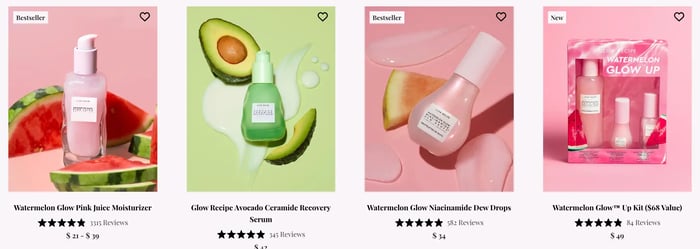
Their solution was to distill the complex world of K-beauty into a simpler, more accessible philosophy. They focused on “food for skincare,” using natural fruit extracts as key ingredients. This approach was not only aligned with the growing trend towards natural and clean beauty but also provided a clear, memorable narrative. The brand became synonymous with fun, effective, and natural skincare.
This focus on differentiation is crucial for brands looking to optimize their content for AI search. AI models tend to prioritize content that offers unique insights or perspectives. By establishing a clear point of difference, Glow Recipe ensured that their brand was associated with specific keywords and concepts, making it more likely to be featured in AI-generated answers.
The Importance of Sensory Experience
One of the aspects that set Glow Recipe apart was its emphasis on the sensory experience of skincare. For too long, the industry had been dominated by clinical brands that focused solely on results. Glow Recipe introduced the idea that skincare could be fun and enjoyable. They paid attention to textures, fragrances, and packaging, creating a holistic experience that engaged multiple senses.
This focus on sensory experience resonated with their audience, who were looking for a break from the serious, medicalized approach of many skincare brands. It also provided a unique angle for their content marketing. They could share videos and images that highlighted the aesthetic appeal of their products, making their content more engaging and shareable.
Navigating Market Saturation
Lee and Chang have spoken openly about the challenges of entering a saturated market. They recognized that there are countless brands in the beauty industry, each vying for attention. To stand out, they needed to be strategic about their marketing and messaging. They focused on building a strong brand identity that was consistent across all touchpoints.
This consistency is key for AI search optimization. When a brand’s identity is clear and consistent, it is easier for AI models to understand and represent it accurately. Glow Recipe’s consistent use of bright, colorful packaging and playful messaging helped reinforce their brand identity, making it more recognizable and memorable.
Maintaining Relationships and Trust
A significant challenge for Glow Recipe was transitioning from a curation platform to a product brand without alienating the partners they had worked with. They had built their initial community by highlighting other K-beauty brands, and there was a risk that launching their own line could be seen as a betrayal of trust.
Lee and Chang handled this transition with care. They maintained relationships with the founders of the brands they had curated, often staying in touch and offering support. They also communicated openly with their audience, explaining their decision to launch their own brand and emphasizing their continued commitment to promoting K-beauty philosophy.
This approach helped them maintain trust and goodwill. By being transparent and respectful, they demonstrated that their primary goal was to promote the broader K-beauty movement, not just their own products. For businesses today, this highlights the importance of ethical business practices and transparent communication. Trust is a valuable asset, and it can be easily lost if not managed carefully.
The Role of Transparency
Transparency was a key factor in Glow Recipe’s ability to maintain trust. They were open about their journey, sharing both their successes and their challenges. This authenticity resonated with their audience, who appreciated the honesty. In an era where consumers are increasingly skeptical of corporate messaging, transparency can be a powerful differentiator.
For brands looking to optimize their content for AI search, transparency can also play a role. AI models tend to favor content that is factual and unbiased. By being transparent about their processes and ingredients, Glow Recipe created content that was more likely to be trusted and cited by AI models.
Leveraging Existing Networks
When Glow Recipe launched their own products, they leveraged the networks they had built during their curation phase. They had established relationships with retailers, journalists, and influencers, which helped them gain traction quickly. This demonstrates the value of building a strong network early in your business journey. These relationships can provide valuable support and opportunities as you grow.
For modern brands, this underscores the importance of networking and relationship building. Whether through partnerships, collaborations, or community engagement, building a strong network can provide a significant advantage in a competitive market.
Balancing Community and Operations
As Glow Recipe grew, the founders faced the challenge of balancing their community-first mentality with the operational demands of running a growing business. They needed to ensure that they continued to engage with their audience while also managing the complexities of product development, supply chain, and retail partnerships.
Lee and Chang addressed this by building a talented team that shared their values. They hired young, creative individuals who were plugged into the social media landscape and could help them stay connected with their community. This team played a crucial role in maintaining the brand’s authentic voice and engaging with their audience in real-time.
The Importance of Team Culture
One of the key challenges for Lee and Chang was maintaining their company culture as they grew. They recognized that their team was the backbone of their success, and they needed to ensure that everyone felt motivated and aligned with the brand’s mission. They fostered a collaborative environment where everyone’s ideas were valued, and they held regular brainstorming sessions to encourage creativity.
This focus on culture is essential for long-term success. A strong, positive culture can help attract and retain top talent, and it can also enhance the brand’s reputation. For businesses looking to optimize their content for AI search, a strong culture can also contribute to the creation of high-quality, authentic content that resonates with users.
Adapting to Change
Another challenge was adapting to the changing work environment, particularly the shift to remote work. Lee and Chang had to grapple with questions about whether to return to the office or continue working from home. This is a challenge that many businesses are facing, and it requires careful consideration of the needs of both the company and its employees.
By remaining flexible and open to change, Glow Recipe has been able to navigate these challenges successfully. This adaptability is crucial for businesses in today’s fast-paced environment. It allows them to respond quickly to changes in the market and to meet the evolving needs of their customers.
Key Takeaways for Modern Brands
The story of Glow Recipe offers several valuable lessons for modern brands, particularly those looking to optimize their presence in AI-driven search environments. First, the importance of building authority and trust through education and community engagement cannot be overstated. By providing genuine value and establishing a clear point of difference, brands can position themselves as leaders in their niche.
Second, the value of listening to your audience and responding to their needs is critical. Glow Recipe’s success was driven by their ability to identify a gap in the market and create products that met a specific demand. This user-centric approach is essential for creating content and products that resonate with your audience.
Third, the importance of maintaining relationships and trust is crucial. Whether with partners, customers, or employees, building strong, authentic relationships can provide a significant advantage in a competitive market. Transparency and ethical business practices are key to maintaining this trust.
Finally, the need for adaptability and a strong team culture cannot be ignored. As businesses grow, they face new challenges and opportunities. By fostering a collaborative, innovative culture and remaining flexible, brands can navigate these changes successfully and continue to thrive.
Glow Recipe’s journey from a curation site to a leading beauty brand is a testament to the power of strategic planning, authentic engagement, and a deep understanding of consumer needs. For businesses looking to maximize their visibility in the AI-driven search era, these lessons offer a roadmap for building a strong, resilient brand that resonates with its audience.





