The True Cost of Starting a Blog in 2025
Starting a blog is often described as one of the most accessible entry points into digital marketing. For many businesses, it serves as the foundational layer for content strategy, brand authority, and organic traffic generation. However, the question of how much it actually costs to start a blog can be surprisingly complex. The answer depends entirely on your goals, resources, and the level of professionalism you require.

You can launch a basic blog with zero financial investment. Platforms like Medium, Tumblr, and Blogger offer free hosting and publishing tools that allow you to begin writing immediately. Yet, while the barrier to entry is low, the ceiling for professional growth often requires a budget. As you move from a personal diary to a business asset, costs associated with hosting, design, talent, and optimization tools begin to accumulate.

At AEO/GEO, we observe that the most successful blogs are not necessarily those with the largest budgets, but those with the most strategic allocation of resources. Whether you are a solopreneur or a marketing manager at a SaaS company, understanding the cost structure of blogging is essential. It allows you to forecast expenses, justify ROI to stakeholders, and build a sustainable content engine that drives long-term visibility.
Why the Cost Varies So Widely
The variance in cost stems from the difference between “publishing” and “optimizing.” Publishing is the act of putting words on a screen. Optimizing is the process of ensuring those words are seen, understood, and valued by your target audience and search engines. The latter requires tools, expertise, and infrastructure that often come with a price tag.
Consider the analogy of a vehicle. You can start with a basic model that gets you from point A to point B. But if you want speed, comfort, and advanced navigation, you need upgrades. Similarly, a free blog might work for a hobby, but a business blog needs a custom domain, fast hosting, and SEO capabilities to compete in the crowded digital landscape.
Essential Upfront Costs for Bloggers
When building the foundation of your blog, there are three primary financial commitments you will likely encounter: web hosting, domain registration, and website design. These are the structural elements that support your content. While you can find free alternatives for each, investing in these areas early often saves time and frustration down the road.
Web Hosting: The Foundation
Estimated Cost: $0–$25/month
Web hosting is the service that stores your blog’s files and makes them accessible on the internet. Without a host, your content has no home. Free platforms like WordPress.com (basic tier), Medium, and Tumblr provide hosting at no cost. However, they often come with limitations. You may be restricted in terms of customization, forced to display platform branding, or limited in how you can monetize your content.
For a professional presence, paid hosting is recommended. Providers like Bluehost, GoDaddy, and Squarespace offer plans starting between $3 and $30 per month. These paid options give you full control over your site’s code, design, and plugins. They also typically offer better security, faster load times, and more reliable uptime. For businesses aiming for high performance and brand integrity, the monthly fee is a small price to pay for autonomy and stability.
Domain Registration: Your Digital Address
Estimated Cost: $10–$20/year
A domain name is your unique web address, such as yourbrand.com. It is the first thing visitors see in their browser bar and a key component of brand recognition. Using a subdomain (e.g., yourbrand.medium.com) can undermine credibility, as it suggests you are a tenant on someone else’s property rather than the owner of your own digital real estate.
Registering a custom domain is affordable, typically costing between $10 and $20 per year. Many web hosts include the first year of domain registration for free or at a discounted rate. It is worth investing in a clean, memorable .com domain if possible. It signals professionalism and makes it easier for customers to find and remember you. In the context of generative search optimization, a clear, authoritative domain also helps AI systems associate your content with your brand identity.
Website Theme and Design
Estimated Cost: $0–$500
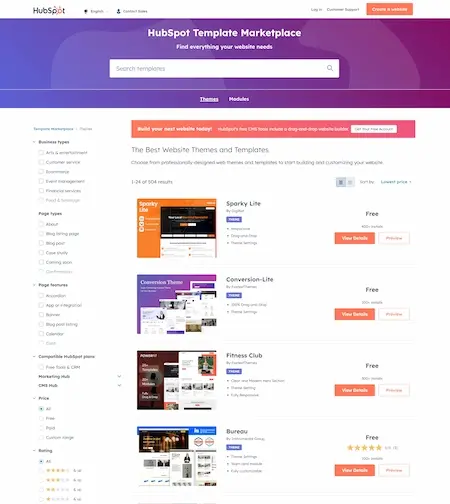
The visual presentation of your blog affects user experience and retention. A cluttered, slow-loading, or non-responsive site will drive readers away, regardless of content quality. Most hosting platforms offer free themes that are functional and aesthetically pleasing. These are a good starting point for testing your content strategy.
However, premium themes can offer advanced features, better mobile responsiveness, and deeper customization options. Prices for premium themes range from $20 to $500, with most high-quality options falling in the $200–$500 range. If you have a development team, you might build a custom design, which can cost significantly more. For most small to mid-sized businesses, a well-chosen premium theme provides the best balance of cost, functionality, and brand alignment.
Hidden and Recurring Costs to Consider
Beyond the initial setup, there are ongoing expenses and hidden costs that can impact your blog’s success. These include talent, additional tools, and the often-overlooked investment of time and skill development. Ignoring these factors can lead to burnout or underperformance, even if the upfront costs were minimal.
Talent and Content Creation
Estimated Cost: $0–$150/hour/person
If you are writing the content yourself, the direct cost is zero. However, time has a value. For businesses, hiring professional writers, editors, or content strategists can ensure consistency, quality, and adherence to brand voice. Entry-level writers may charge $15–$40 per hour, while experienced specialists can command $150 or more per hour.
The decision to hire depends on your volume goals and internal capacity. If you need to publish multiple high-quality articles per week, outsourcing content creation may be necessary. Alternatively, you can train internal team members to write, which reduces external costs but requires an investment in training and oversight.
Tools and Software
Estimated Cost: Variable
A robust blogging strategy often requires a suite of tools. SEO platforms like Ahrefs or SEMrush help with keyword research and competitor analysis. Grammarly or similar tools assist with editing. Graphic design software like Canva or Adobe Creative Suite is essential for creating visuals. Email marketing platforms like Mailchimp or HubSpot help nurture your audience.
Many of these tools offer free tiers or trials, which can be leveraged in the early stages. As your blog grows, you may need to upgrade to paid plans to access advanced features. Budgeting for these tools is crucial, as they directly impact your ability to optimize content and reach your audience effectively.
Time and Skill Development
Estimated Cost: Indirect
The most significant investment in blogging is time. Writing, researching, editing, optimizing, and promoting content takes hours. Additionally, staying current with SEO trends, algorithm updates, and best practices requires continuous learning. This skill development is an ongoing process that cannot be rushed.
For teams, this means allocating dedicated hours for content strategy and execution. For solopreneurs, it means balancing blogging with other responsibilities. The time investment is non-negotiable if you expect results. A blog is not a set-and-forget asset; it requires consistent care and attention to thrive.
Maintaining Your Blog Long-Term
Starting a blog is just the beginning. Maintaining it involves recurring costs and ongoing efforts to keep the site secure, updated, and relevant. Neglecting maintenance can lead to security vulnerabilities, broken links, and outdated content, all of which harm your search rankings and user experience.
Recurring Expenses
Most blogging costs are recurring. Web hosting and domain registration are annual or monthly expenses. Software subscriptions for SEO, design, and marketing tools also renew regularly. Based on industry standards, you should plan for a minimum of $50–$100 per month to maintain a professional blog. This covers basic hosting, a domain, and essential tools.
Content Updates and Security
Regularly updating old content is critical for SEO. Search engines favor fresh, accurate information. Auditing and refreshing existing posts can improve rankings without the need for new content creation. Additionally, keeping your platform, plugins, and themes updated ensures security and performance. Neglecting these updates can expose your site to hacking or malware, which can be costly to fix and damaging to your brand reputation.
Strategies to Minimize Costs
You do not need a large budget to start a successful blog. By leveraging free tools, AI assistance, and strategic planning, you can minimize costs while maximizing impact. The key is to focus on high-value activities and automate or outsource low-value tasks.
Leverage Free Tools
There is a wealth of free tools available for bloggers. Platforms like Medium and HubSpot offer free publishing and hosting options. Canva provides free graphic design templates. Hootsuite and Buffer offer free social media scheduling. Mailchimp has a free tier for email marketing. Codecademy offers free coding lessons. Using these tools can help you build a functional blog without significant upfront investment.
Supplement with AI
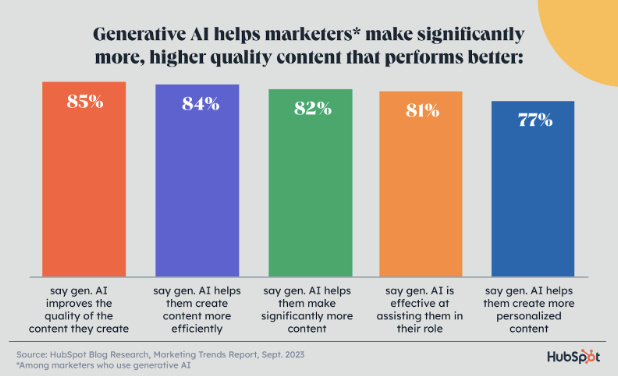
Artificial Intelligence can significantly reduce costs and increase efficiency. AI tools can help with brainstorming topics, generating outlines, editing drafts, and creating images. According to recent marketing reports, a majority of marketers find AI effective at improving content quality and efficiency. However, AI should be used as a supplement, not a replacement, for human creativity and strategy. It can handle repetitive tasks, allowing you to focus on high-level planning and engagement.
For example, AI can help generate meta descriptions, suggest keywords, or create social media snippets. This reduces the time spent on administrative tasks and allows you to produce more content with fewer resources. At AEO/GEO, we see AI as a powerful ally in scaling content operations, enabling brands to maintain a consistent presence across multiple channels without proportional increases in cost.
The Value of Strategic Investment
While it is possible to start a blog for free, strategic investment often yields better results. Spending on a custom domain, quality hosting, and essential tools can enhance credibility and performance. Hiring talent or using AI can increase output and consistency. The goal is to allocate resources where they have the highest impact.
Measuring ROI
Return on investment for blogging is not always immediate. It may take months or even years to see significant organic traffic and leads. However, the compounding effect of consistent content creation is powerful. Over time, a well-optimized blog becomes a sustainable source of traffic and brand authority.
Planning for Growth
As your blog grows, so will your needs. You may need to upgrade hosting, hire more writers, or invest in advanced SEO tools. Planning for these growth stages helps avoid sudden budget shocks. Start small, validate your strategy, and scale as you see results. This approach ensures that your blogging efforts remain sustainable and aligned with your business goals.
Final Thoughts on Blogging Costs
The cost to start a blog is flexible, ranging from zero to several hundred dollars per month. The right budget for you depends on your goals, resources, and timeline. For many businesses, the initial investment is modest compared to the potential long-term benefits. A blog is a long-term asset that builds brand authority, drives organic traffic, and supports marketing efforts.
By understanding the cost structure, leveraging free tools, and investing strategically, you can build a successful blog that delivers value. Remember, the most important investment is not just financial, but in time and consistency. A blog requires ongoing effort to maintain and grow. But with the right approach, it can become one of your most valuable marketing assets.
What aspects of your current content strategy are you looking to optimize first?





