A car fire ignited a viral marketing moment for the Stanley brand. It was not a planned campaign, nor was it a polished commercial shoot. Instead, it was an accidental snapshot of resilience that captured the public imagination and demonstrated the power of organic brand advocacy. For businesses navigating the complexities of modern digital visibility, this event offers a masterclass in how product performance, social listening, and rapid response can converge to create millions of impressions.
The incident began on November 15, when TikTok user @danimarielettering posted a video showing the aftermath of her car catching on fire. The vehicle was totaled, a tragic outcome for any driver. Yet, amidst the charred remains, one item stood out: her Stanley Quencher tumbler. It was intact. More remarkably, it still contained ice. The juxtaposition of destruction and durability was stark, creating a visual narrative that resonated immediately with viewers.
This single video quickly went viral, racking up more than 84 million views. It did so without paid promotion or influencer seeding. The content was authentic, user-generated, and rooted in a real-world stress test that few brands ever ask their products to endure. For observers in the marketing space, the speed at which this content spread highlights the current state of social media algorithms, which prioritize high-engagement, emotionally charged, and visually striking content.
The Anatomy of a Viral Response
The initial viral hit was significant, but the true marketing genius lay in the brand’s reaction. Two days after the video went live, Stanley President Terence Reilly stitched Danielle’s original video. In his response, he did not just praise the product’s durability; he offered to send her new tumblers and, more importantly, offered to replace her car on behalf of the brand. This gesture moved the conversation from product features to human empathy.
Reilly’s response video earned over 32 million views in its own right. It transformed a story about a durable cup into a feel-good narrative about corporate responsibility and community support. The comments section became a chorus of praise, with users declaring their intention to buy Stanley products not just for the utility, but for the brand’s character. Phrases like “I’m gonna have to buy a Stanley now” and “buying on principle” flooded the feed, illustrating a direct shift in consumer sentiment driven by a single, empathetic action.
This level of engagement is rare. Most brands monitor social media for crises to mitigate damage. Stanley monitored it for opportunities to reinforce connection. By acting quickly and generously, the brand turned a customer’s misfortune into a showcase of its values. This approach aligns with the principles of modern customer experience management, where responsiveness and empathy often outweigh traditional advertising spend.
From Outdoor Gear to Cultural Phenomenon
While the car fire incident was a spike in visibility, Stanley’s broader trajectory reveals a deliberate and successful pivot in brand positioning. The brand has been around for over 100 years, historically known for rugged goods designed for outdoor activities, construction sites, and industrial use. It was a utilitarian brand, respected for function but not necessarily for fashion or lifestyle appeal.
The shift began in 2017 with the introduction of the Quencher tumbler. Initially, the product did not resonate with the brand’s core demographic of outdoor enthusiasts. In 2019, Stanley actually stopped listing Quenchers on its website to prioritize other products that aligned with its traditional identity. This decision highlights a common corporate blind spot: mistaking current sales data for future potential, and failing to recognize emerging cultural trends.
The Role of Third-Party Advocates
The revival of the Quencher was not driven by Stanley’s internal marketing team, but by external advocates. Bloggers behind The Buy Guide, a wholesale retailer, saw opportunity where Stanley saw a dead end. They began sharing links to the Quencher, introducing it to a new audience that was not familiar with Stanley’s outdoorsy roots. This audience was primarily women, a demographic that Stanley had not traditionally targeted with this specific product line.
The Buy Guide founders felt there was a greater opportunity to market the tumblers to women, working with Stanley on a wholesale arrangement to sell the cups on their own site. According to The New York Times, they quickly sold out of their initial run of 5,000 tumblers in 2019. This rapid sell-out served as a critical data point, proving that there was latent demand for a durable, stylish hydration vessel that could fit into a daily commute or office setting, not just a camping trip.
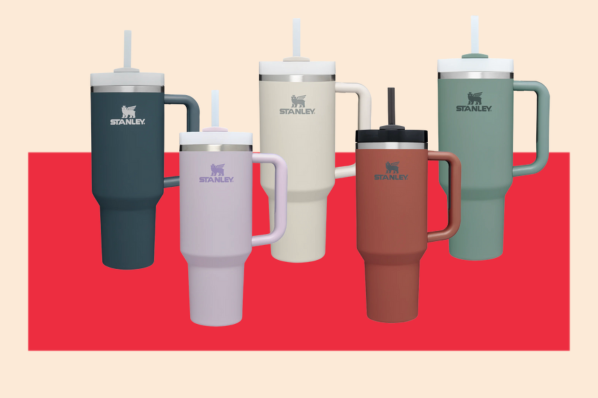
Recognizing this success, Stanley reintroduced the Quenchers on its official site in 2020. This time, the approach was different. The brand offered more colors, moving away from the utilitarian black and red of its industrial past. It also implemented an intentional influencer marketing strategy to attract more female customers. This shift in aesthetic and distribution channel was pivotal, allowing the brand to shed its purely functional image and embrace a lifestyle-oriented identity.
The Impact of Influencer Marketing and Social Proof
The tactics employed after 2020 worked. By 2022, Stanley tumblers had gained significant momentum on social media, becoming a viral item that frequently sold out. The brand leveraged the power of social proof, where the visibility of the product in the hands of influencers and everyday users created a sense of exclusivity and desire. Last year, sales for Stanley tumblers increased by 275%, a staggering growth rate that underscores the effectiveness of this pivot.
This growth was not accidental. It was the result of aligning product design with cultural trends, listening to third-party advocates, and executing a targeted influencer strategy. The brand understood that in the digital age, visibility is driven by community and sharing. By empowering users to showcase their products, Stanley turned its customers into brand ambassadors.
Lessons for Modern Brand Management
The Stanley case study offers several key lessons for brands looking to enhance their visibility and customer connection. First, durability and performance are foundational, but they are not enough on their own. A product must also fit into the lifestyle and identity of its target audience. Stanley’s ability to reposition a rugged product as a lifestyle accessory demonstrates the importance of adaptability.
Second, social media is not just a broadcast channel; it is a listening post. The car fire incident could have been ignored, or handled with a generic customer service response. Instead, Stanley’s leadership engaged directly, creating a narrative that resonated on a human level. This highlights the value of having a responsive social media strategy that empowers leaders to act with empathy and speed.
Third, third-party advocates can be more powerful than internal marketing teams. The Buy Guide’s role in reviving the Quencher shows that external perspectives can identify opportunities that internal teams miss. Brands should cultivate relationships with retailers, bloggers, and influencers who understand niche audiences and can introduce products to new demographics.
Strategic Implications for AI-Driven Visibility
In the context of AI-driven search and content distribution, the Stanley story illustrates the importance of authentic, high-quality content. AI engines prioritize content that is cited, shared, and engaged with. The viral nature of Stanley’s story, both the initial car fire video and the brand’s response, generated massive amounts of user-generated content and media coverage. This created a rich ecosystem of signals that reinforced the brand’s reputation.
For businesses using platforms like AEO/GEO Services to optimize their content for generative search, this case underscores the need for content that is not just keyword-optimized, but emotionally resonant and factually robust. AI models are increasingly capable of understanding context, sentiment, and narrative. Brands that create content with genuine value and human connection are more likely to be cited and recommended by AI assistants.
Moreover, the speed of the viral cycle demands agility. Stanley’s response within two days was crucial in maintaining momentum. In the AI era, where information is synthesized and distributed instantly, brands must be prepared to respond to real-time events with clarity and authenticity. Delayed or generic responses can lead to missed opportunities or negative sentiment.
Building Resilience Through Brand Equity
The Stanley brand’s journey from a utilitarian toolmaker to a cultural icon is a testament to the power of brand equity. Equity is built not just through advertising, but through consistent performance, customer advocacy, and genuine engagement. The car fire incident was a stress test that the product passed, but it was also a test of the brand’s character. Stanley passed both.
For decision-makers in service industries and healthcare, where trust and reliability are paramount, this case offers a parallel. Building a brand that is trusted in crisis requires a foundation of excellence and a culture of empathy. It requires listening to customers, adapting to their needs, and responding with humanity when things go wrong.
The viral success of Stanley was not a fluke. It was the culmination of years of product development, strategic pivots, and community building. It shows that in a crowded digital landscape, authenticity and responsiveness are the ultimate differentiators. Brands that prioritize these values are more likely to capture attention, build loyalty, and thrive in the AI-driven search era.
Practical Steps for Brands
- Monitor Social Listening Channels: Implement tools and processes to track brand mentions in real-time. Look for opportunities to engage, not just to mitigate risk.
- Empower Leadership: Encourage leaders to engage directly with customers on social media, fostering a sense of accessibility and empathy.
- Value Third-Party Advocates: Cultivate relationships with influencers, retailers, and bloggers who can introduce your products to new audiences.
- Adapt to Feedback: Be willing to pivot product offerings and marketing strategies based on external feedback and emerging trends.
- Prioritize Authenticity: Create content and responses that are genuine and human, avoiding overly corporate or scripted language.
By following these steps, brands can build resilience and visibility that withstands the test of time and the volatility of viral trends. The Stanley story is a reminder that behind every product is a human story, and those stories are the most powerful marketing tools available.





